Barnsbury Joinery · Advice · 7 min read
01Advice · London studio51.5665° N, 0.1006° W
Advice · 7 min read

Can sash windows be double glazed?

Can sash windows be double glazed? Yes. Learn how slim‑profile units, heritage constraints and weight balancing let period sash windows keep their looks and stay warm.

Traditional sash windows are one of the defining features of British architecture, from Georgian townhouses to Victorian and Edwardian terraces. Their slender glazing bars, deep boxes and gentle vertical rhythm give period homes a character that modern replacements rarely match. Yet single‑glazed sashes have a reputation for being draughty, cold in winter and expensive to heat, which leaves many owners wondering whether they have to choose between period charm and a comfortable, energy‑efficient home.

The short answer is that yes, sash windows can be double glazed, and doing so does not mean sacrificing the look that makes them special. With the right approach, double glazing is not a betrayal of tradition but a considered blend of heritage and modern performance. This guide from Barnsbury Joinery explains how it works, what to weigh up before you commit, and how to keep both the appearance and the mechanism of your sashes intact.
01

The short answer: yes, and here is why it matters

Sash windows absolutely can be double glazed, and for most owners of period property it is one of the most worthwhile improvements they can make. A single pane of glass is a poor barrier against the weather. In winter it lets warmth escape and cold radiate inwards, and in summer it does little to keep rooms comfortable. Add the draughts that creep through worn joints and loose beading, and a room full of original sashes can feel noticeably colder than the rest of the house.

Double glazing changes that equation. By sealing two panes of glass around an insulating cavity, it slows the movement of heat through the window and cuts the draughts that make period rooms feel chilly. The result is a home that is warmer, quieter and cheaper to run, without the compromise of ripping out original joinery and replacing it with something that looks wrong on a historic elevation.

The important nuance is how the double glazing is specified and fitted. A modern uPVC replacement window with chunky units will destroy the proportions of a Georgian or Victorian facade. A carefully designed timber sash with slim double‑glazed units, on the other hand, keeps the elegance of the original while delivering the performance of a contemporary window. Getting that balance right is where the real craft lies.

02

How double glazing works in a traditional sash window

Double glazing consists of two panes of glass separated by a sealed cavity, usually filled with air or an inert gas such as argon that conducts heat poorly. This sealed unit dramatically reduces the amount of energy that passes through the window compared with a single pane. In a sash window, those sealed units are set into the moving sashes, held by fine glazing bars and beading in the same way traditional glass would be.

The challenge specific to sash windows is that the sashes move. They slide vertically within the box frame, counterbalanced by weights hidden in the boxes on either side. Adding a second pane of glass increases the weight of each sash, which means the whole balancing system has to be reconsidered. This is not a reason to avoid double glazing, but it is the reason the work should be done by people who understand how a sash mechanism actually behaves rather than treated as a simple glass swap.

There are broadly two routes to a double‑glazed sash. The first is to install new timber sash windows made from scratch with slim double‑glazed units built in. The second, where the existing frames and boxes are sound, is to retain the original joinery and fit new sashes or upgraded units into it. Which route suits your home depends on the condition of the existing windows and, in many cases, on planning and conservation rules.

03

Slim‑profile double glazing and preserving the period look

The single biggest concern for owners of period homes is appearance, and rightly so. Standard double‑glazed units are thick, and if you simply drop them into a traditional sash the glazing bars balloon and the delicate proportions are lost. This is exactly why slim‑profile double glazing exists. These units are engineered to a much narrower depth, allowing them to sit within slender glazing bars that read, from the street, almost identically to original single glazing.

Slim units let a double‑glazed sash keep the fine sightlines that define Georgian and Victorian windows. The glazing bars can stay narrow, the individual panes keep their historic proportions, and the finished window integrates seamlessly with the rest of the elevation. From inside and out, the character of the building is preserved while the thermal performance is transformed.

Detail matters here. The choice of glass, the spacer that separates the two panes, and even the colour of that spacer all affect how convincing the finished window looks. On a sensitive facade, a discreet spacer and the right glass specification can make the difference between a window that looks authentically period and one that betrays its modern build. These are the decisions we work through carefully at our London studio, because they are what separate a sympathetic upgrade from a clumsy one.

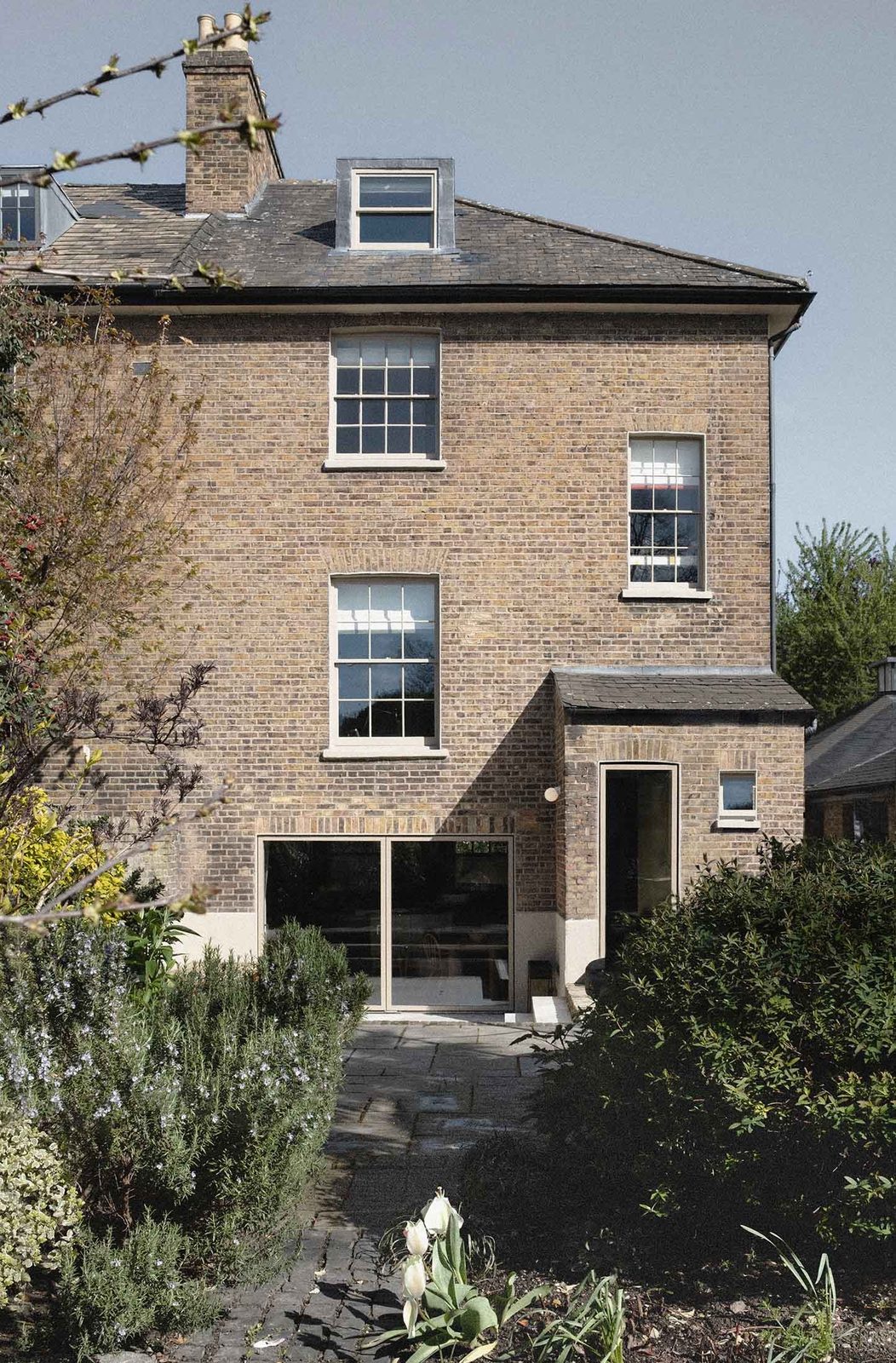
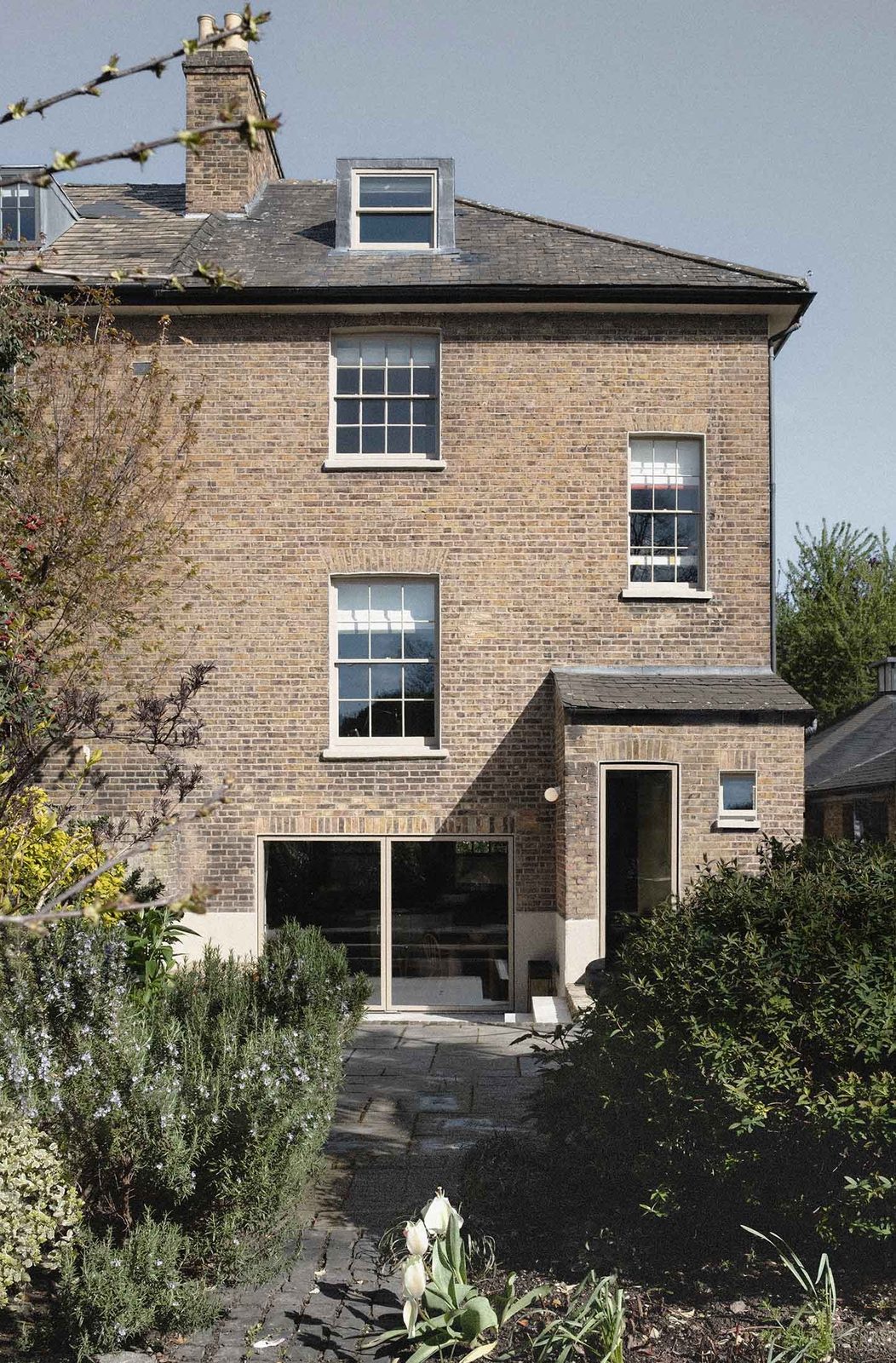
Can sash windows be double glazed?, Barnsbury Joinery
04

Weight, balance and the mechanics of a moving sash

A traditional box sash relies on a precise balance. Each sash is counterweighted by cast‑iron or lead weights hung on cords or chains over pulleys, so that the window glides open and stays where you put it. Introduce heavier double‑glazed glass and that balance is disturbed. If it is not corrected, the sash may drop, refuse to stay open, or feel stiff and unpleasant to use.

Restoring the balance means recalculating and adjusting the counterweights to match the new weight of the glazed sash, and often renewing the cords, pulleys and other moving parts at the same time. Where slim units are used, the additional weight is more modest than with standard double glazing, which keeps the mechanism closer to its original behaviour and makes rebalancing more straightforward.

This is precisely why double glazing a sash window is not a job for a general glazier. It sits at the meeting point of glazing and joinery, and the mechanical side is as important as the glass. Done properly, a double‑glazed sash should open, close and hold its position exactly as a well‑maintained original would, with no sense that anything has been compromised to fit the modern units in.

05

Draught‑proofing: the perfect partner to new glazing

Double glazing tackles heat loss through the glass, but a significant amount of a sash window's heat loss and discomfort comes from draughts around the moving parts. Air leaks between the sashes, around the meeting rail and through the gaps at the sides of the box. Address the glass alone and you solve only part of the problem.

For that reason, draught‑proofing is usually carried out alongside a glazing upgrade. Discreet brush seals and precisely fitted beading are added to the running surfaces so the sashes still slide freely but the gaps that let cold air in are closed off. The window continues to work exactly as it should, only now without the whistling draughts on a windy night.

Combined, slim double glazing and proper draught‑proofing produce a window that is dramatically warmer and quieter than the single‑glazed original, while looking almost unchanged. It is the combination, rather than any single measure, that delivers the comfort most owners are hoping for when they start asking whether their sashes can be upgraded at all.

06

Costs, energy savings and long‑term value

Double glazing a sash window is an investment, and it is fair to think of it as one. The upfront cost reflects skilled joinery, quality slim‑profile units and the careful rebalancing of the mechanism, all of which take time and craft to do well. What that investment buys is lower heat loss, and with it lower energy bills year after year, so the window begins to pay for itself over time.

Beyond the running costs, there is the value of comfort. Rooms that were once too cold to use fully in winter become pleasant all year round, and the reduction in outside noise is often just as welcome as the warmth, particularly in busy urban streets. For many owners this everyday improvement in how the home feels is worth as much as the figures on the energy bill.

There is also the matter of the property itself. Well‑made, sympathetically upgraded sash windows protect and often enhance the value of a period home, because they combine the character buyers want with the performance they expect. Cheap replacements that strip out original detailing can do the opposite. Seen in that light, a considered double‑glazing upgrade is both an environmentally and a financially sound decision.

07

How Barnsbury Joinery approaches sash window upgrades

Every period window is slightly different, so we start by understanding the specific sashes in front of us: their condition, their proportions, the state of the boxes and cords, and any planning or conservation considerations that apply to the building. From there we advise on whether new slim double‑glazed sashes, upgraded units within the existing frames, or a full set of new timber windows will give the best result for the home.

The work itself is carried out to keep both the look and the mechanism true to the original. Slim‑profile units are specified to suit the glazing bars, weights are recalculated so the sashes move as they should, and draught‑proofing is integrated so the finished window is warm, quiet and smooth to operate. Our studio is based in north London, and we carry out full survey‑to‑installation work across London and the South East, with a supply‑only service available for clients elsewhere in the UK.

If you are weighing up whether to upgrade your own sash windows, the reassuring truth is that you rarely have to choose between period character and modern comfort. With the right specification and genuine joinery skill, your sashes can keep the appearance that makes your home special while performing like the best modern windows. To discuss your project, you are welcome to get in touch with the team at Barnsbury Joinery at info@barnsburyjoinery.com.

Common questions

01

Can all sash windows be double glazed?

Most timber sash windows can be double glazed, either by fitting new slim‑profile sashes or by upgrading the glazing within sound existing frames. The right approach depends on the condition of the boxes, cords and joinery, and on any planning or conservation rules that apply to the building. A survey of your specific windows is the surest way to confirm what is possible.

02

Will double glazing ruin the period look of my sash windows?

Not when it is done properly. Slim‑profile double‑glazed units are designed to sit within slender glazing bars, so the finished window keeps the fine sightlines and historic proportions of the original. With the right glass and spacer choices, a double‑glazed sash reads almost identically to single glazing from the street while performing far better.

03

Does adding double glazing affect how the sash opens and closes?

It can if the extra weight of the glass is not accounted for, which is why the counterweights need recalculating and the cords and pulleys are often renewed at the same time. Slim units add less weight than standard double glazing, so the mechanism stays close to its original behaviour. Done well, the sash should slide and hold its position just as a well‑maintained original would.

04

Is double glazing enough on its own, or do I still need draught‑proofing?

Double glazing tackles heat loss through the glass, but much of a sash window's discomfort comes from draughts around the moving parts. For the best result, draught‑proofing is usually carried out alongside the glazing upgrade, adding discreet seals so the sashes still slide freely while the cold‑air gaps are closed off. The two measures together deliver the biggest improvement in warmth and quiet.

05

Does Barnsbury Joinery work outside London?

Our studio is in north London, and we provide full survey‑to‑installation work across London and the South East. For clients elsewhere in the UK, we offer a supply‑only service so you can still benefit from our joinery and slim‑glazed sashes. You can reach the team at info@barnsburyjoinery.com to discuss your project.

Request a survey

Request a survey for your project, from a single commission to a whole scheme.

Request a survey

A studio of The Barnsbury Group

Barnsbury Joinery is the flagship studio of The Barnsbury Group, a second‑generation heritage joinery house. Established in London in 1987, it makes bespoke joinery by hand and carries the parent voice for the family of studios.