Melbourne is a city of layers. Victorian terraces in Fitzroy and Carlton, Edwardian villas in Malvern and Camberwell, and grand federation homes across the inner north all carry timber windows that have watched the city change around them. What has changed most is the air. Traffic along the arterials, construction dust from the endless run of apartment towers, wood smoke on still winter nights, and the fine particulate carried in from bushfire seasons all settle on the surfaces of your home. Windows take the brunt of it, because they face outward, they combine several vulnerable materials in one assembly, and they are expected to keep working smoothly for a hundred years or more.

01Melbourne & Sydney37.88° S, 145.16° E
Advice · 9 min read
How Melbourne air pollution damages your windows, and why expert joinery matters
How Melbourne's air pollution damages heritage timber windows and glazing, and how expert joinery, sealing and modern glass protect them for the long term.
01
Why air pollution is a bigger issue for windows than most owners realise
Air pollution is easy to think of as a health headline rather than a building problem. In Melbourne it is quietly both. The particles and gases suspended in the air do not simply drift past your home. They land on it. This happens through two mechanisms that conservation specialists call dry deposition and wet deposition. Dry deposition is the slow settling of dust, soot and fine particulate onto horizontal and vertical surfaces during dry weather. Wet deposition is the process by which rain, dew and fog carry dissolved pollutants directly onto your joinery, then leave them behind as the moisture evaporates.
Windows are unusually exposed to both. A window is not one material but several working together: the timber of the frame, sash and glazing bars, the putty or beading that holds the glass, the paint or finish that protects the timber, the glass itself, and the metal of the fasteners, weights and hardware. Each of these responds differently to airborne contaminants, and the joints between them are exactly where pollution, moisture and movement conspire to cause damage. That is why a window can look sound from across the room and yet be quietly deteriorating at every junction.
Melbourne adds its own particular pressures. The city's notorious variability, four seasons in a day, means timber windows are constantly expanding and contracting as temperature and humidity swing. Coastal air from Port Phillip Bay carries salt that combines with urban pollutants. Winter inversions trap wood smoke and vehicle emissions close to the ground in the inner suburbs. And the bushfire smoke events of recent years have coated whole neighbourhoods in fine ash that is both abrasive and chemically active. For a heritage timber window, this is a demanding environment.
02
How air pollution directly damages Melbourne windows
The damage falls into three broad categories, and understanding them helps you see why surface cleaning alone never quite solves the problem.
The first is surface soiling. Airborne carbon, soot and greasy traffic film build up on glass and painted timber as a dull, slightly sticky layer. On glass this is more than cosmetic. The film scatters light, so rooms feel greyer and you find yourself reaching for lamps earlier in the day. It also holds moisture against the surface, which encourages further deposition and, on the timber below, creates the damp conditions that finishes are meant to prevent. Owners often notice that no matter how often they clean, the glass never regains the clarity it had, because the soiling has begun to etch and hold in the surface.
The second, and more serious, is chemical damage. Melbourne's air contains acidic compounds derived from nitrogen and sulphur oxides in vehicle exhaust and combustion. When these dissolve in moisture on your windows they form weak acids that attack materials over time. On paint they cause chalking, loss of gloss and eventual breakdown of the protective film. Once the paint fails, the timber beneath is exposed to moisture, and that is where rot begins, almost always at the bottom rail of the lower sash and at the joints, where water and pollutants collect. On the metal components, the same acids accelerate corrosion of sash weights, pulleys, fasteners and any ferrous fixings, which can seize a window shut or stain the timber with rust bleed. Traditional linseed oil putty is particularly vulnerable, drying out, cracking and losing its grip on the glass so that panes loosen and water finds its way in.
The third impact is on the air inside your home. A window that has lost its seals and settled out of true does not just look tired, it leaks. Poorly sealed sashes allow the same outdoor pollutants to migrate indoors, along with draughts, noise and moisture. The irony is sharp: the very windows meant to separate you from Melbourne's air become the path by which it enters. For anyone sensitive to particulate, and especially during smoke events, a well sealed window is a genuine health measure, not merely a comfort one.
03
Why standard cleaning is never enough
The instinctive response to dirty, dull windows is to clean harder. It rarely works, and it can make matters worse. Once soiling has begun to react chemically with the glass and finishes, ordinary detergents lift only the loose surface layer and leave the bonded film behind. Aggressive cleaning, abrasive pads or harsh chemicals then risk scratching old glass, stripping what remains of the paint film, and driving water into open joints.
More importantly, cleaning treats the symptom and ignores the cause. The reason a window keeps soiling, keeps sticking and keeps letting draughts through is that its protective systems have been compromised. The paint has thinned, the putty has failed, the timber has opened at the joints, and the seals have perished. No amount of washing addresses any of that. What restores a window, and keeps it restored, is joinery: renewing the finish that sheds pollutants, remaking the joints that keep water out, and upgrading the glazing and seals that separate inside from outside. Cleaning is the last five per cent of the job, not the whole of it.
04
How expert joinery protects and upgrades your windows
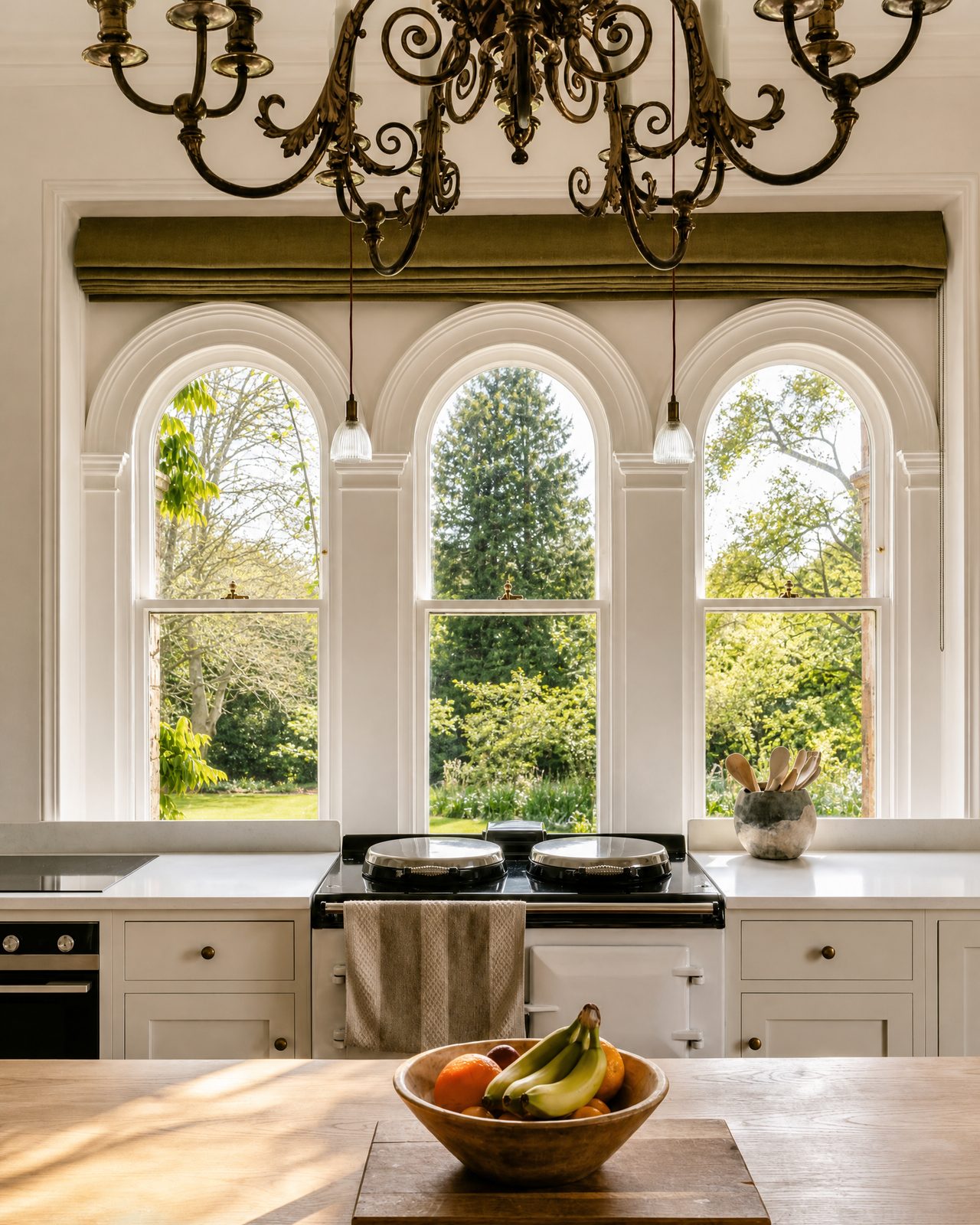
At Barnsbury Joinery we approach a Melbourne window as a system to be conserved and improved, not simply patched. Our heritage timber sections are manufactured in the United Kingdom, where sash and casement joinery has been refined over generations, then finished and glazed locally here in Australia so that every window suits its home and its climate. That combination gives you the precision of purpose made joinery with the responsiveness of local finishing.
The starting point is almost always the timber. Where sections have decayed, we splice in matching timber or replace individual components rather than discarding a whole sash that is mostly sound. Careful conservation like this keeps the character of the original while removing the failure points that pollution and moisture exploit. Joints are remade so they are tight and weathertight, and the whole assembly is trued up so the sashes run smoothly again.
Finishing is where much of the long term protection lives. A properly prepared and painted or coated timber window resists the acidic deposition that Melbourne's air delivers, sheds water rather than holding it, and is far easier to keep clean because the surface is smooth and sound. Modern coatings are more flexible and more durable than the paints of a century ago, so they cope better with the constant seasonal movement of Melbourne timber. We also renew the putty or beading that secures the glass, using systems that stay flexible and do not dry out and crack the way old linseed putty does.
Sealing and draught proofing are the quiet upgrades that make the largest difference to comfort and to indoor air. Discreet brush seals and weatherstripping, fitted so they are invisible when the window is closed, stop the migration of pollutants, dust and noise while still allowing the window to open and function as it always has. This is the change owners feel first: quieter rooms, fewer draughts, and less dust settling on the sills.
05
Glazing choices, from restored single glass to vacuum insulated units
Glazing is where heritage windows have advanced most, and where owners have real choices. The simplest option is to retain and restore the original single glazing, which is often the right approach where planning controls or the value of hand made glass make replacement undesirable. Even here, renewing the putty and seals dramatically improves performance.
Where thermal and acoustic comfort matter more, slimline double glazing can be built into heritage sash and casement profiles. These units are far thinner than standard modern double glazing, so they fit within traditional sightlines without making the joinery look clumsy or modern. They cut heat loss in winter, reduce heat gain in summer, and meaningfully lower the traffic noise that is such a feature of inner Melbourne life. Reducing condensation on the glass also matters for pollution, because it removes the film of moisture where deposited contaminants would otherwise concentrate and etch.
For the most demanding cases, vacuum insulated glazing is the significant development. A vacuum insulated glass unit places two panes a fraction of a millimetre apart with a vacuum between them, supported by tiny, almost invisible spacers. Because a vacuum conducts almost no heat, these units achieve insulation comparable to conventional double glazing while being only slightly thicker than a single pane. That slimness is precisely what makes them so well suited to heritage joinery, where deep modern units simply will not fit within original sashes. In a Melbourne context, vacuum insulated glass lets an owner keep the exact proportions and glazing bars of a Victorian or Edwardian window while gaining genuine thermal performance, warmer glass that resists condensation, and a marked reduction in noise. It is the closest thing to having the original window and a modern one at the same time.
Whichever route suits your home, the principle is the same. Better glazing keeps the interior warmer, drier and quieter, and a drier, warmer glass surface is far less hospitable to the pollution film that dulls untreated windows. Glazing and joinery work together: the finest glass is only as good as the timber, seals and putty that hold it.
06
The long term value of professional joinery
Heritage timber windows are not a maintenance burden to be endured until replacement. They are, when properly cared for, among the most durable building elements ever made, routinely lasting well beyond a century where mass produced modern windows are replaced two or three times in the same span. The reason is that timber windows are repairable. A failed component can be renewed, a finish can be redone, a seal can be replaced, and the window carries on. That repairability is exactly what makes them the sustainable choice, and what makes professional joinery an investment rather than a cost.
For Melbourne owners there is a heritage dimension too. In many of the city's conservation areas and for individually significant properties, original windows are part of what gives a home its value and its planning standing. Sympathetic conservation protects that value in a way that replacement with modern units never can. Well restored, well sealed, appropriately glazed windows are also simply nicer to live with: clearer glass, quieter rooms, less dust, lower energy bills and the reassurance that Melbourne's air is staying largely on the outside where it belongs.
The most cost effective moment to act is before pollution driven damage becomes structural. A window with sound timber, a good finish and functioning seals shrugs off the city's air for decades. A window left until the paint has failed and the joints have opened needs far more intervention. Regular attention to finish and seals, with glazing upgraded when the opportunity arises, keeps a heritage window in the easy, inexpensive part of that curve.
07
Cleaner, healthier and more beautiful living spaces
Addressing air pollution at the window is one of the few home improvements that pays back in comfort, health, appearance and value all at once. Clean, clear glass brings light back into rooms. Sound finishes and tight seals keep pollutants, dust and noise outside. Upgraded glazing steadies indoor temperatures and cuts condensation. And conserving original joinery preserves the character that makes Melbourne's period homes worth living in.
If your windows have grown dull, draughty or stiff, the cause is almost certainly the interaction of the city's air with tired finishes and seals rather than anything beyond repair. With considered joinery, timber conservation, proper finishing, effective sealing and the right glazing for your home, those windows can be brought back to full working life and kept there. To discuss your home and the options that would suit it, contact Barnsbury Joinery at info@barnsburyjoinery.com.
FAQ
Common questions
01
Does Melbourne air pollution really damage timber windows, or is it just dirt?
It does both. The visible layer is soiling from soot, traffic film and dust, but the air also carries acidic compounds from vehicle exhaust and combustion. Dissolved in dew and rain, these attack paint, timber, putty and metal fixings, causing chalking, rot at the joints and corrosion of sash weights and fasteners. The dirt you can see is a sign of the chemical process you cannot.
02
Why can't I just clean my windows more often to fix the problem?
Cleaning lifts loose surface soiling but cannot address the bonded film that has reacted with the glass, nor the failed paint, perished seals and open joints that let pollution keep settling and migrating indoors. Aggressive cleaning can even scratch old glass and strip thinning paint. Lasting improvement comes from joinery: renewing finishes, remaking joints, and upgrading seals and glazing, with cleaning as the finishing touch.
03
Can I improve insulation without losing my heritage windows?
Yes. Original sashes can be conserved and fitted with slimline double glazing or vacuum insulated glass, both of which sit within traditional sightlines rather than bulking out the joinery. Vacuum insulated glass is only slightly thicker than a single pane yet insulates like conventional double glazing, so you keep the exact proportions and glazing bars of a Victorian or Edwardian window while gaining warmth, quiet and reduced condensation.
04
Do sealed windows actually help with bushfire smoke and indoor air quality?
They help considerably. Windows that have lost their seals let outdoor particulate, including fine bushfire smoke, draught straight indoors. Discreet brush seals and weatherstripping, fitted so they are invisible when the window is closed, greatly reduce that infiltration along with noise and dust, so a well sealed window becomes a genuine measure for indoor air quality during smoke events.
05
Where are Barnsbury Joinery's windows made?
Our heritage timber sections are manufactured in the United Kingdom, where sash and casement joinery has been refined over generations, and are then finished and glazed locally here in Australia. That gives you purpose made joinery suited to your home and to Melbourne's demanding climate.
Request a survey
Request a survey for your project, from a single commission to a whole scheme.
Request a survey
The group

A studio of The Barnsbury Group
Barnsbury Joinery is the flagship studio of The Barnsbury Group, a second‑generation heritage joinery house. Established in London in 1987, it makes bespoke joinery by hand and carries the parent voice for the family of studios.
The studios