Barnsbury Joinery · Advice · 5 min read
01Melbourne & Sydney37.88° S, 145.16° E
Advice · 5 min read

Heritage timber window restoration and custom manufacturing in Melbourne, VIC: a complete guide

A complete guide to heritage timber window restoration and custom manufacturing in Melbourne VIC, covering glazing, Heritage Overlays, costs and timelines.

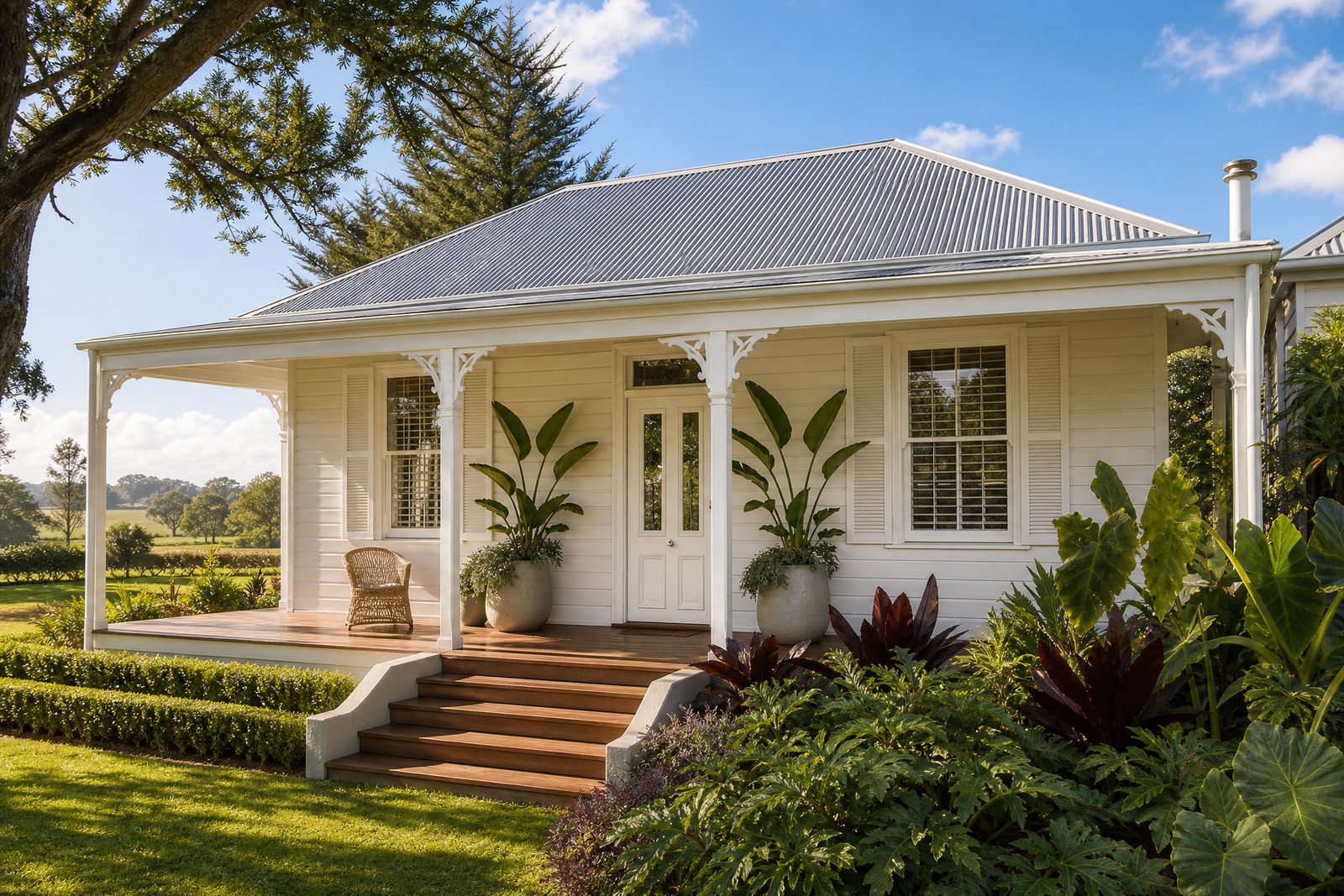
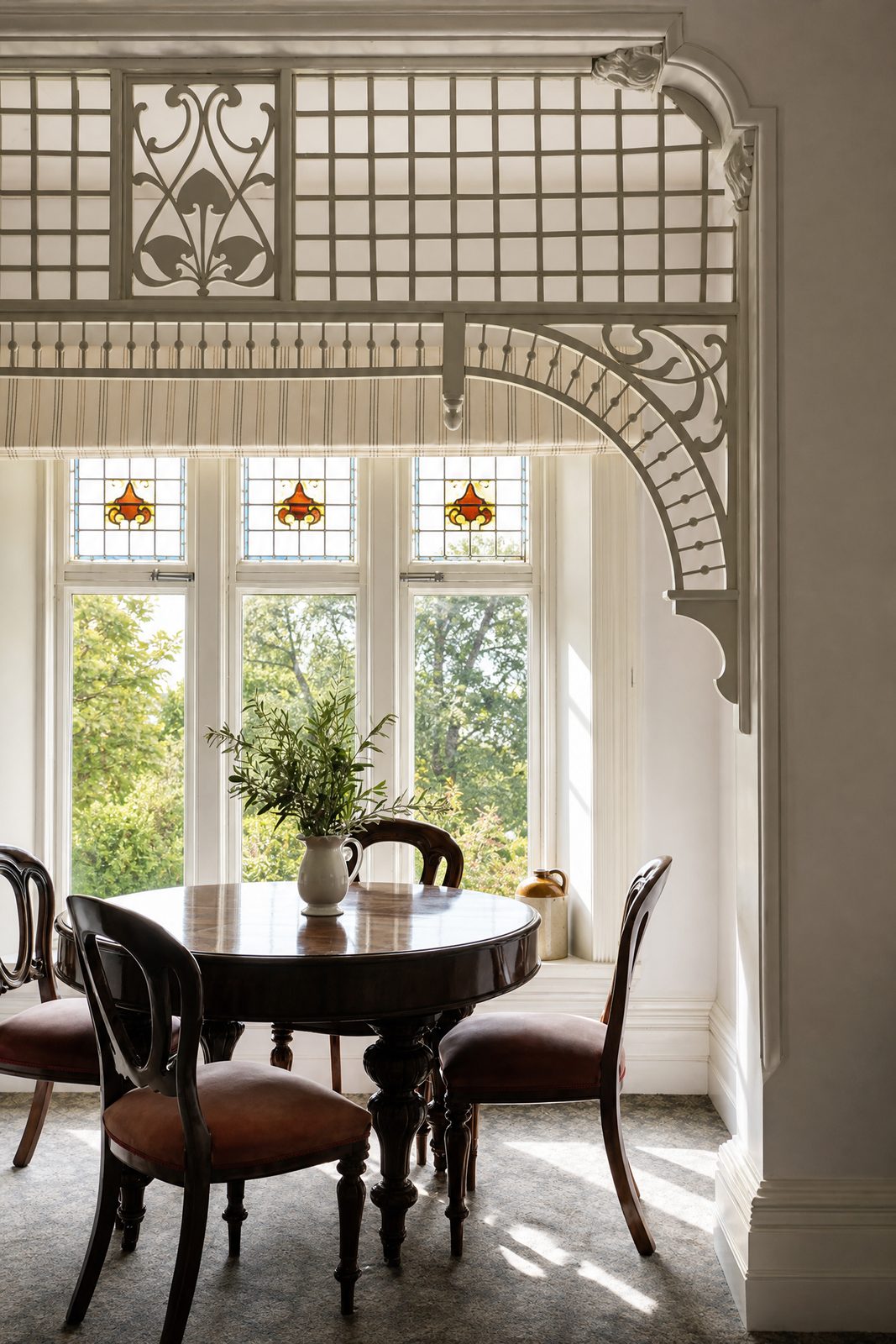
Melbourne's period homes carry much of their character in their windows. The slender double‑hung sashes of a Fitzroy or Carlton terrace, the leadlight and bay windows of an Edwardian villa in Hawthorn or Kew, and the casements of a Federation family home in Malvern all speak to a particular era of building. When those windows begin to rattle, stick, rot or lose heat, the temptation is to rip them out for modern replacements. In almost every case that is the wrong call for a heritage house, both aesthetically and often under the terms of a Heritage Overlay.

This guide explains how heritage timber window restoration and custom manufacturing work in Melbourne, VIC. It covers when to restore and when to remake, how sections are made and finished, the glazing options from traditional single glass through to vacuum insulated glass, and the practical questions of Heritage Overlays, costs and timelines. Barnsbury Joinery approaches this work as an Australian operation for Australian period homes, bringing more than two decades of British heritage joinery experience to conservation work on Melbourne buildings.
01

Restore or remake: how to decide

The first question on any heritage window is whether the existing joinery can be saved. Timber windows were built to be repaired, and much period joinery in Melbourne is made from dense, slow‑grown timber that is well worth conserving. Where the frames, stiles and rails are fundamentally sound, restoration is usually the right and most cost‑effective route. That work can include splicing in new timber to replace decayed sections, re‑cording double‑hung sashes, easing and re‑balancing sticking windows, replacing failed putty and beads, and reinstating draught seals.

Custom manufacturing becomes the answer when a window is too far gone to save, when an earlier owner has already fitted an unsympathetic replacement, or when an original opening has been lost entirely. In these cases the aim is to remake the window so it reads as part of the original build rather than a modern insertion. That means matching section depths, moulding profiles, glazing bar widths and meeting‑rail sightlines to what a home of that era and street would have carried. A good specification treats a single replacement in a row of originals as a piece of restoration in its own right, not a generic off‑the‑shelf unit.

02

How the windows are made and finished

Barnsbury Joinery's timber sections are manufactured in the United Kingdom to long‑established heritage patterns, then finished, glazed and fitted locally in Australia. This matters for a Melbourne home. The joinery patterns and craftsmanship standards come from decades of conservation work on period buildings in Britain, but the survey is carried out on your property and the completed windows are made to suit an Australian house rather than imported as a finished product that was never sized for your reveals.

Finishing, glazing, draught sealing and installation all happen locally. That allows the specification to account for Melbourne's marked temperature swings, coastal exposure in bayside suburbs such as Brighton and Albert Park, and the specific condition of your building's openings. Every window is scoped around the home in front of us, so sightlines and hardware match the original tradition of the house, whether that is a Victorian double‑hung sash, an Edwardian bay or a Federation casement with coloured glass.

Heritage timber window restoration and custom manufacturing in Melbourne, VIC: a complete guide, Barnsbury Joinery
03

Glazing options: from single glazing to vacuum insulated glass

Heritage windows tend to fail on comfort for two reasons: draughts around poorly sealed sashes, and heat lost straight through thin single glazing. Good restoration addresses both. We offer a range of glazing so the specification can be matched to the building's significance and to your performance goals rather than applying one solution to every house.

Traditional single glazing remains appropriate where a Heritage Overlay or the building's significance requires the original glass character to be retained, particularly where original cylinder or crown glass can be reused. For most owners, though, some form of insulating glass is the better answer. Slimline double‑glazed units can be built into heritage sightlines where the section depth allows, improving thermal comfort while keeping the delicate proportions of the glazing bars.

Where the priority is the best possible thermal performance within the thinnest possible glass, vacuum insulated glass is worth serious consideration. A vacuum insulated glass unit places a near‑vacuum between two panes, delivering insulation comparable to conventional double glazing in a fraction of the thickness. That makes it especially useful in heritage windows where deep replacement units would spoil the profile or simply will not fit the original section. Combined with discreet draught proofing, it removes rattles and heat loss without changing the appearance of the window.

04

Heritage Overlays and conservation in Melbourne

Many of Melbourne's period suburbs sit within a Heritage Overlay, and some individual buildings are on the Victorian Heritage Register. In these areas the appearance of windows is protected, and unsympathetic replacement can require a planning permit or be refused outright. The safe approach is to conserve the original character: keep the sightlines, glazing patterns and mouldings, and improve performance quietly behind that character.

We do not lodge permits on your behalf, but the joinery and documentation we provide are designed to support a heritage‑sensitive application, so a council heritage adviser can see that the proposed windows respect the significance of the building. If your property sits within a Heritage Overlay or on the register, it is important to flag that at survey stage so the windows can be specified accordingly from the outset rather than reworked later.

05

Costs, timelines and getting started

Every heritage window project is priced around the specific house, so there is no single figure that fits all cases. Cost is driven by the number and size of windows, whether the work is restoration or full custom manufacturing, the glazing specification, the state of the existing timber and access at the property. As a rule, restoring sound original joinery costs less than remaking it, and a scheme covering several windows is usually more efficient per window than a one‑off.

Timelines reflect that the timber sections are made to heritage patterns and then finished and glazed locally, so lead times run to a number of weeks rather than days, especially for custom‑manufactured windows and specialist glazing such as vacuum insulated glass. Restoration of existing windows can often be scheduled more quickly. Every project starts with a survey at your property, where measurements and condition notes are taken in situ. If you share your suburb, the approximate age and style of your home, and whether it sits within a Heritage Overlay, we can arrange a visit and prepare a specification and quotation scoped to your house across the greater Melbourne region.

Common questions

01

Should I restore or replace my heritage timber windows?

Where the frames and sashes are fundamentally sound, restoration is usually the right and most cost‑effective route, and it keeps the original joinery intact. Custom manufacturing is the answer when a window is too decayed to save, has already been replaced unsympathetically, or has been lost entirely. In that case the new window is made to match the original sightlines and profiles so it reads as part of the build.

02

Will restored or remade windows still look original?

Yes, that is the whole point of the service. We match section depths, moulding profiles, glazing bar widths, meeting‑rail sightlines and period hardware so restored or replacement windows read as part of the original home. Discreet draught proofing removes rattles and heat loss without changing the appearance.

03

Can heritage windows in Melbourne be double glazed or use vacuum insulated glass?

Often, yes. Slimline double‑glazed units can be built into heritage sightlines where the section depth allows. Where the thinnest possible glass with strong thermal performance is needed, vacuum insulated glass delivers insulation comparable to conventional double glazing in a fraction of the thickness, which suits heritage profiles that cannot take a deep unit. Where a Heritage Overlay requires it, traditional single glazing can be retained instead.

04

Do I need a permit for window work in a Heritage Overlay?

In a Heritage Overlay area or on the Victorian Heritage Register, window changes may require a planning permit and unsympathetic replacement can be refused. We do not lodge permits on your behalf, but we provide joinery and documentation that support a heritage‑sensitive application. Tell us at survey stage if your property is affected so the windows are specified accordingly.

05

How do I get a quote for heritage window work?

Every project starts with a survey at your property, where measurements and condition notes are taken in situ. Share your suburb, the approximate age and style of your home, and whether it sits within a Heritage Overlay, and we will arrange a visit and prepare a specification and quotation scoped to your house across greater Melbourne.

Request a survey

Request a survey for your project, from a single commission to a whole scheme.

Request a survey

A studio of The Barnsbury Group

Barnsbury Joinery is the flagship studio of The Barnsbury Group, a second‑generation heritage joinery house. Established in London in 1987, it makes bespoke joinery by hand and carries the parent voice for the family of studios.