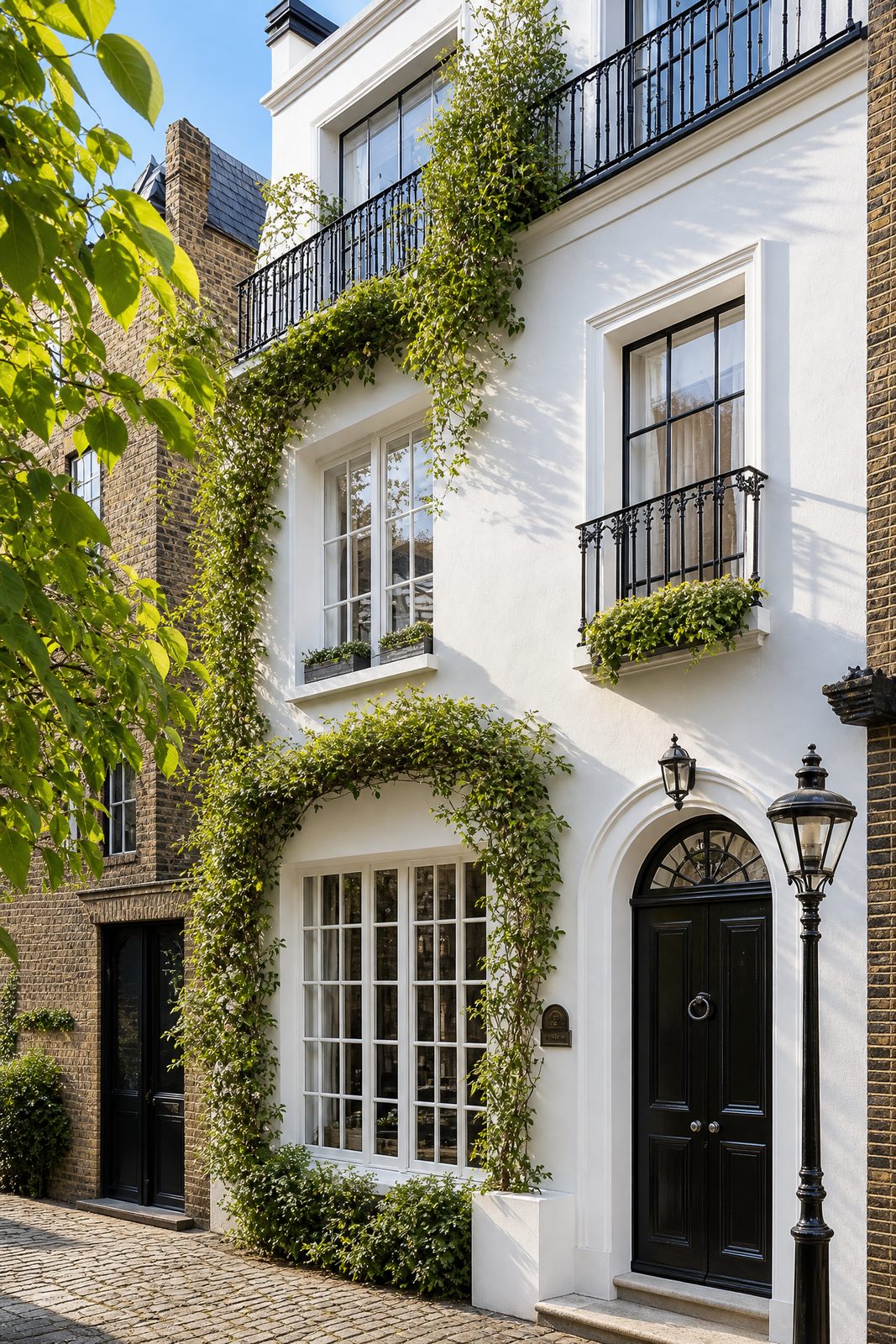
Heritage timber window restoration
Heritage timber window restoration across London. Conservation‑grade sash window restoration for period and listed properties in Islington, Highbury and beyond.
Original timber windows define London's historic homes, from the fine glazing bars of Georgian terraces to the deeper box sashes of Victorian and Edwardian streets. Across Islington, Highbury, Barnsbury, Canonbury, Hampstead and the wider capital, our restoration service focuses on retaining original material through careful repair, with subtle performance upgrades suited to period buildings. Weather exposure and years of neglect cause deterioration, but full replacement is rarely necessary and often undesirable in conservation areas.
We are heritage timber window restoration specialists working throughout London on sash window restoration for period and listed properties. Rather than stripping out sound joinery, we treat every window as a historic asset to be conserved. This page explains how we assess condition, the techniques we use, why keeping original windows matters, and how our approach applies to the particular building types found across London's conservation areas.
Protecting original craftsmanship in period properties
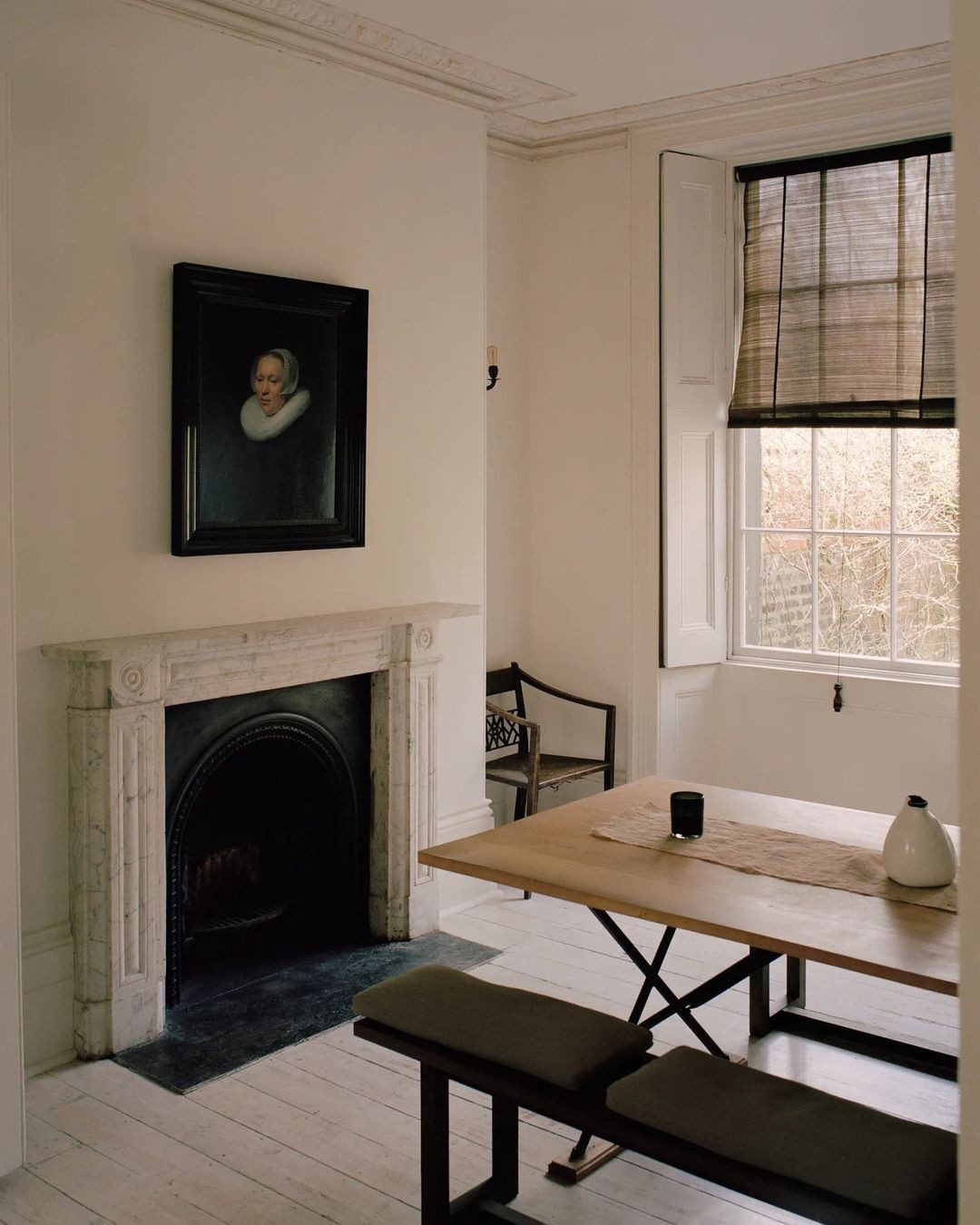
Original timber windows are among the defining features of London's period housing. They set the rhythm of a facade, carry the proportions the architect intended, and hold glazing that is often decades or centuries old. When these windows begin to fail, the instinct to replace them wholesale is understandable, but it is usually the wrong one. Weather exposure, failed paint and simple lack of maintenance cause deterioration that looks alarming yet is frequently surface‑level or confined to specific areas.
Our restoration service exists to retain that original craftsmanship wherever it can be saved. We use careful, reversible repair techniques and introduce only the discreet performance improvements that a period building can accept without losing its character. This matters particularly across London's conservation areas and listed streets, where original features are expected to be preserved and where insensitive replacement can devalue a property and breach planning conditions.
For homeowners in Islington, Highbury, Canonbury and neighbouring districts, this means the windows that give a house its period identity can usually stay in place. Restoration protects the fabric, keeps the sightlines correct, and avoids the flatness that modern replacements so often bring to a historic elevation.
A conservation‑first approach to window restoration
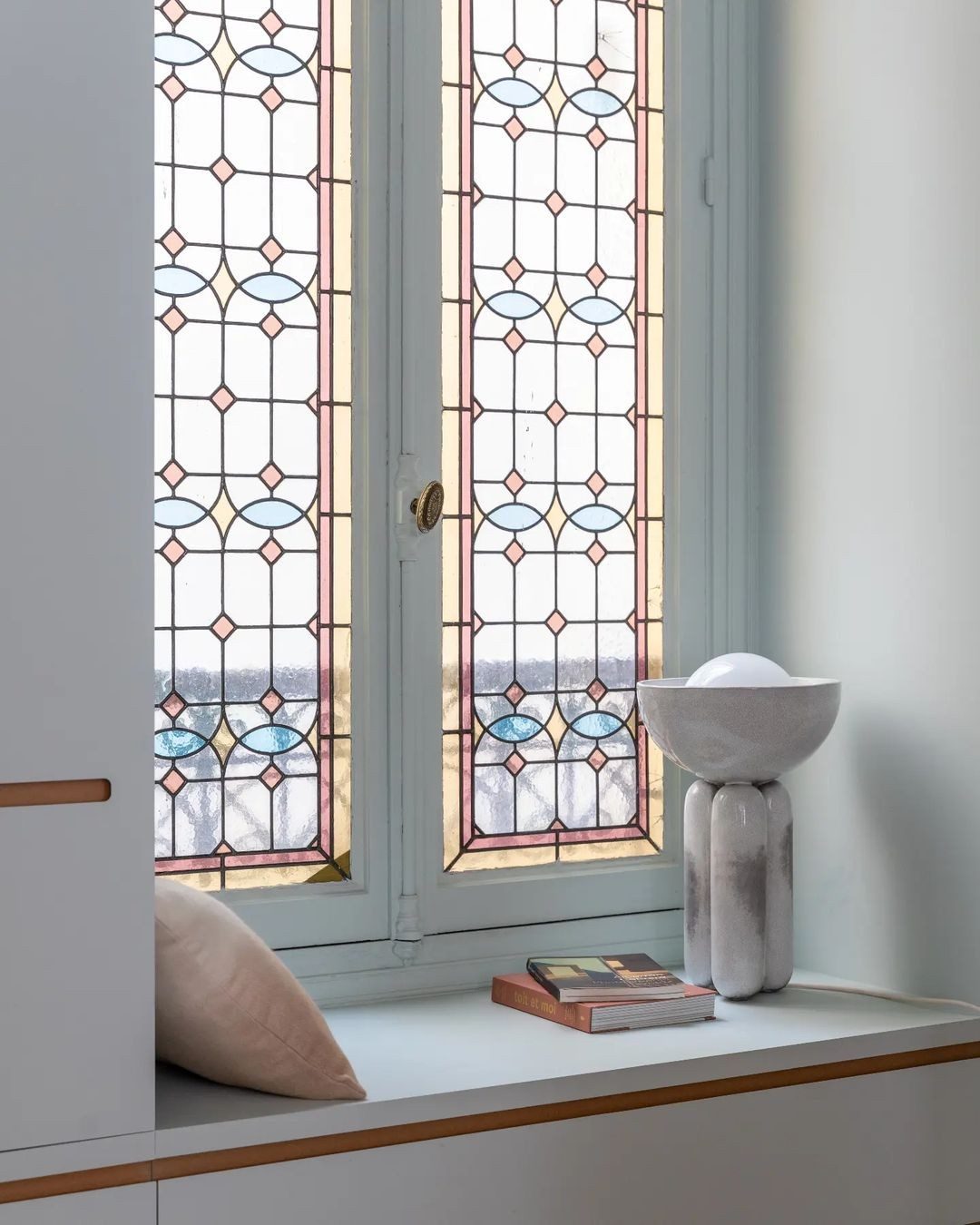
Heritage restoration is a different discipline from modern replacement. A replacement service measures an opening and installs a new unit. A conservation approach starts from the assumption that the existing window is worth keeping and asks what the minimum intervention is that will return it to good, lasting order.
Our work is guided by a set of principles that run through every project. We retain original joinery and profiles wherever they are sound. We respect the architectural period of the property, so a Georgian sash is treated differently from an Edwardian one. We avoid the unnecessary removal of sound timber, and we use compatible materials and traditional methods so that repairs sit comfortably alongside the original fabric.
This conservation‑first discipline is what makes the difference in listed buildings and conservation areas across London. Planning officers and conservation bodies look for evidence that original material has been retained and that any new work matches the existing detailing. Our process is built around meeting exactly that expectation, which is why restoration is so often the route that keeps both the building and its consents intact.
Understanding the condition of timber windows
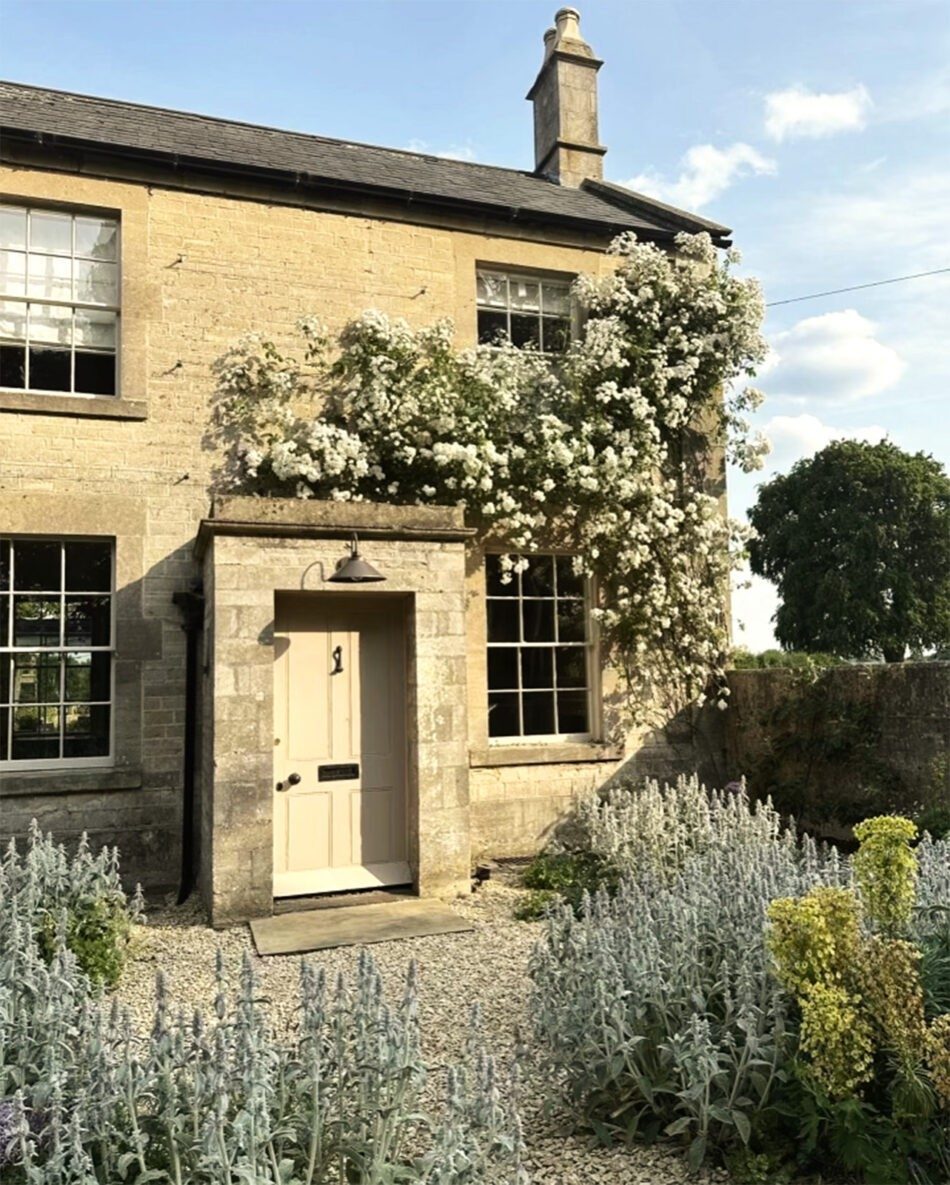
Many timber windows look beyond saving at first glance. Peeling paint, sticking sashes and patches of soft wood suggest a window at the end of its life. In practice, deterioration is usually localised, and a detailed inspection almost always reveals more that can be kept than the homeowner expected.
The issues we see most often follow a familiar pattern. Moisture ingress leads to soft or decayed timber, typically at the cill and the lower rails where water collects. Paint failure traps water within the frame instead of shedding it, accelerating the decay it was meant to prevent. Movement or distortion affects how the window operates, while worn mechanical elements such as cords, pulleys and weights stop a sash running smoothly. Air leakage through gaps and perished seals leaves rooms draughty and cold.
Each of these has a targeted remedy that stops well short of replacement. Our inspection determines precisely what can be retained, what needs repair and where a modest improvement is worthwhile, so the scope of work is matched to the real condition of the window rather than to a worst‑case assumption. That accuracy is what keeps heritage restoration proportionate and cost‑effective for London homeowners.
Techniques used in heritage timber window restoration
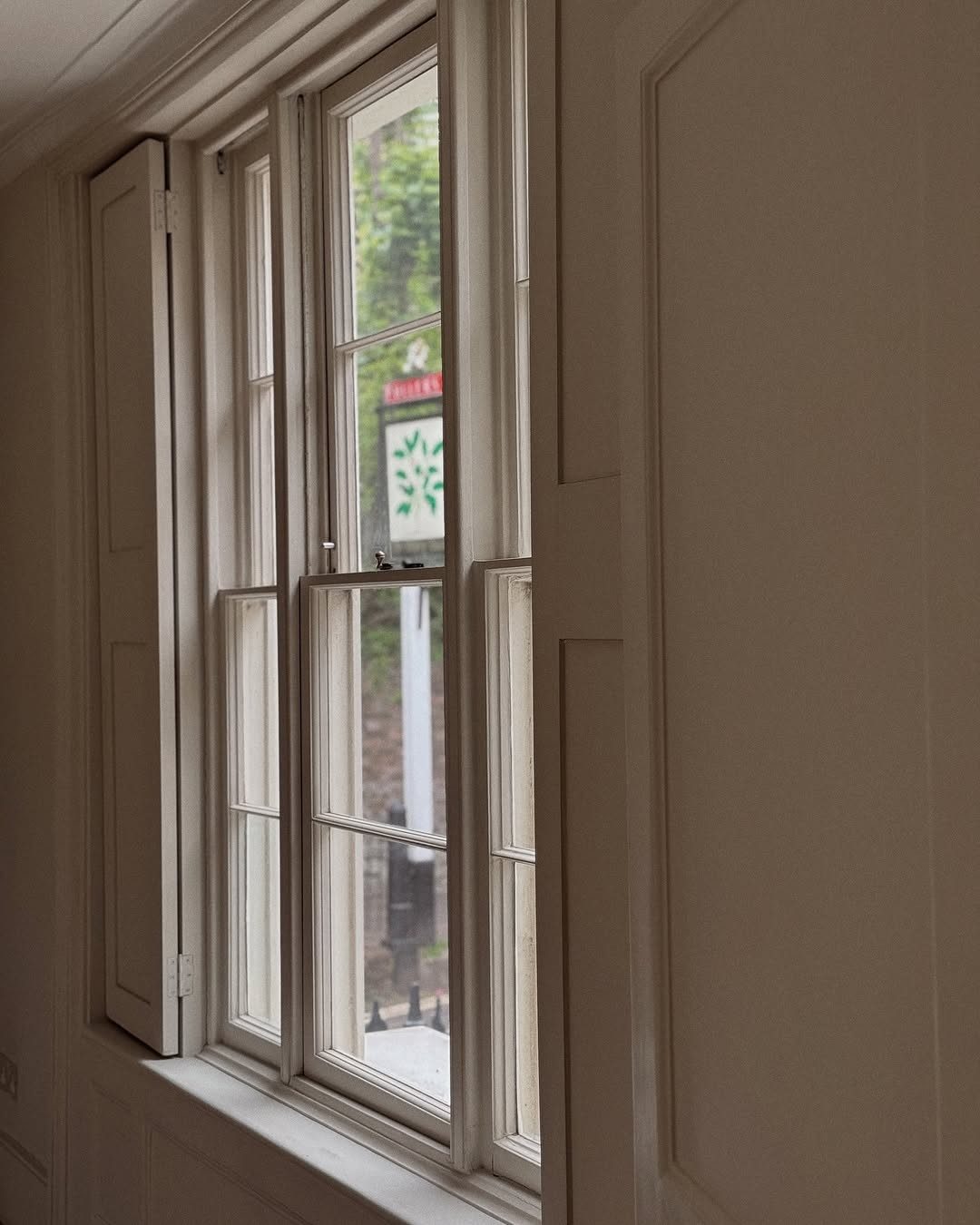
The strength of a restoration lies in the techniques behind it. Each one is chosen to solve a specific problem while leaving the appearance and character of the window intact.
Timber splicing is used where decay has taken hold of a section of rail, stile or cill. The affected timber is carefully cut away and replaced with a new hardwood insert shaped to match the original profile exactly, so the repair is invisible once finished. Joinery stabilisation addresses loose or weakened joints, which are reinforced to restore structural integrity without altering how the window looks.
Surface preparation and protection is central to longevity. Existing coatings are stripped or stabilised so that the timber can breathe and shed water correctly, then protected with finishes suited to period joinery. Mechanical overhaul returns moving parts to proper working order, so that sashes open, close and seal without force, with cords, pulleys and weights balanced correctly. Where it is appropriate, discreet performance improvements add comfort by reducing draughts and improving the seal, always without changing the visual character of the window.
These techniques are applied selectively rather than as a fixed package. A window that needs only a mechanical overhaul and reseal will not be given work it does not require, while one with more extensive decay receives the splicing and stabilisation it needs. The result is a repair that is both faithful to the original and durable for the long term.
Why retaining original windows matters
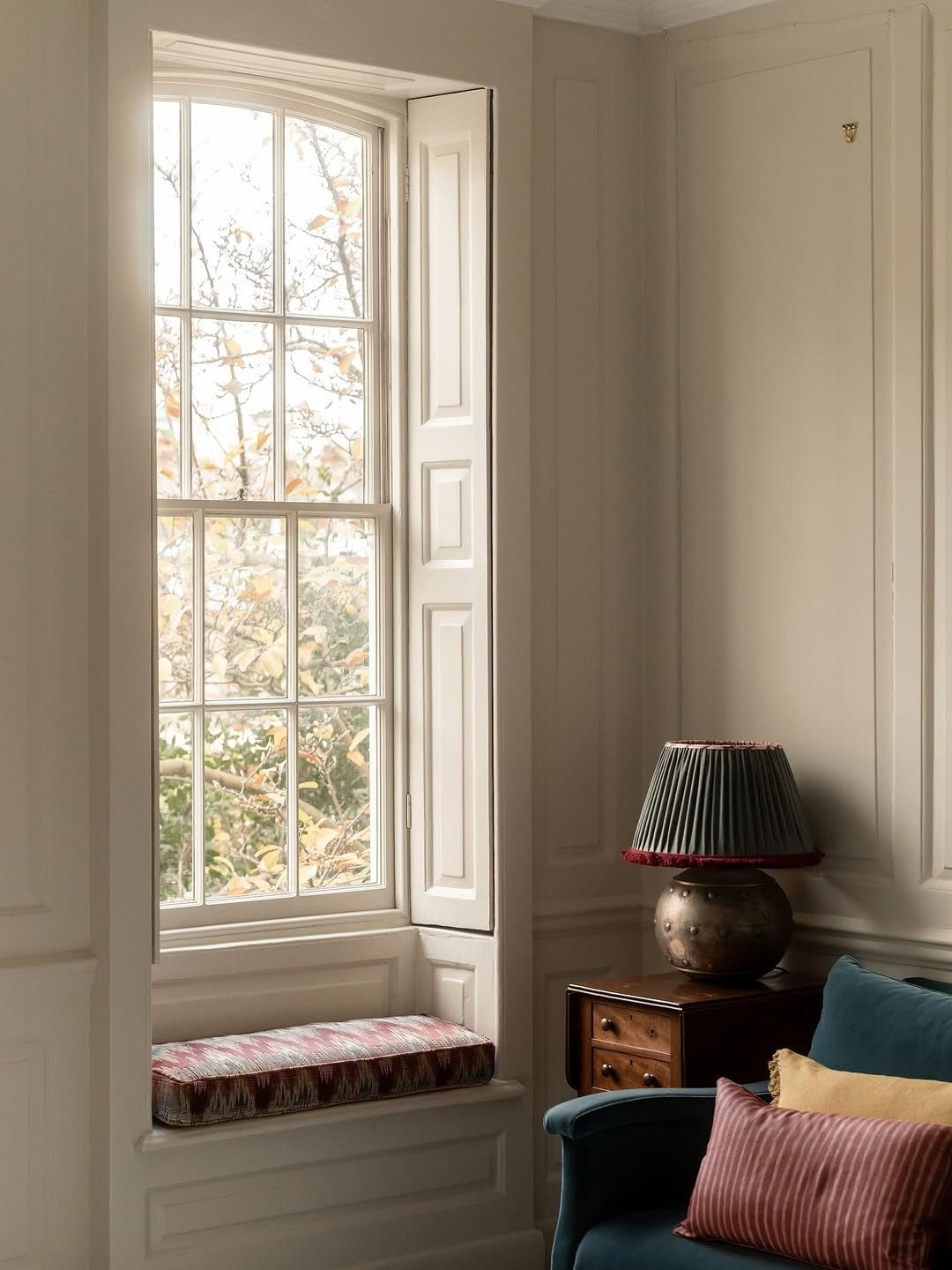
Keeping original windows is not simply a matter of taste. There are sound structural, environmental and financial reasons to restore rather than replace, and they apply with particular force to London's period homes.
Architectural integrity comes first. Historic glazing bars, mouldings and proportions are difficult to replicate accurately, and even good modern joinery rarely captures the subtlety of the original. Material quality is another factor that is easy to overlook. Older timber is typically slower‑grown and denser than many modern alternatives, which is why so much of it has lasted a hundred years or more and can last many more once repaired.
The environmental case is increasingly important. Restoration reduces waste and embodied carbon dramatically compared with manufacturing and installing new units, keeping usable material in place rather than sending it to landfill. Finally, property value tends to reward the retention of original features. In heritage and high‑value London markets, buyers and surveyors view intact period joinery favourably, and conservation‑appropriate windows protect a home's saleability in a way that generic replacements do not.
Working within London's heritage context
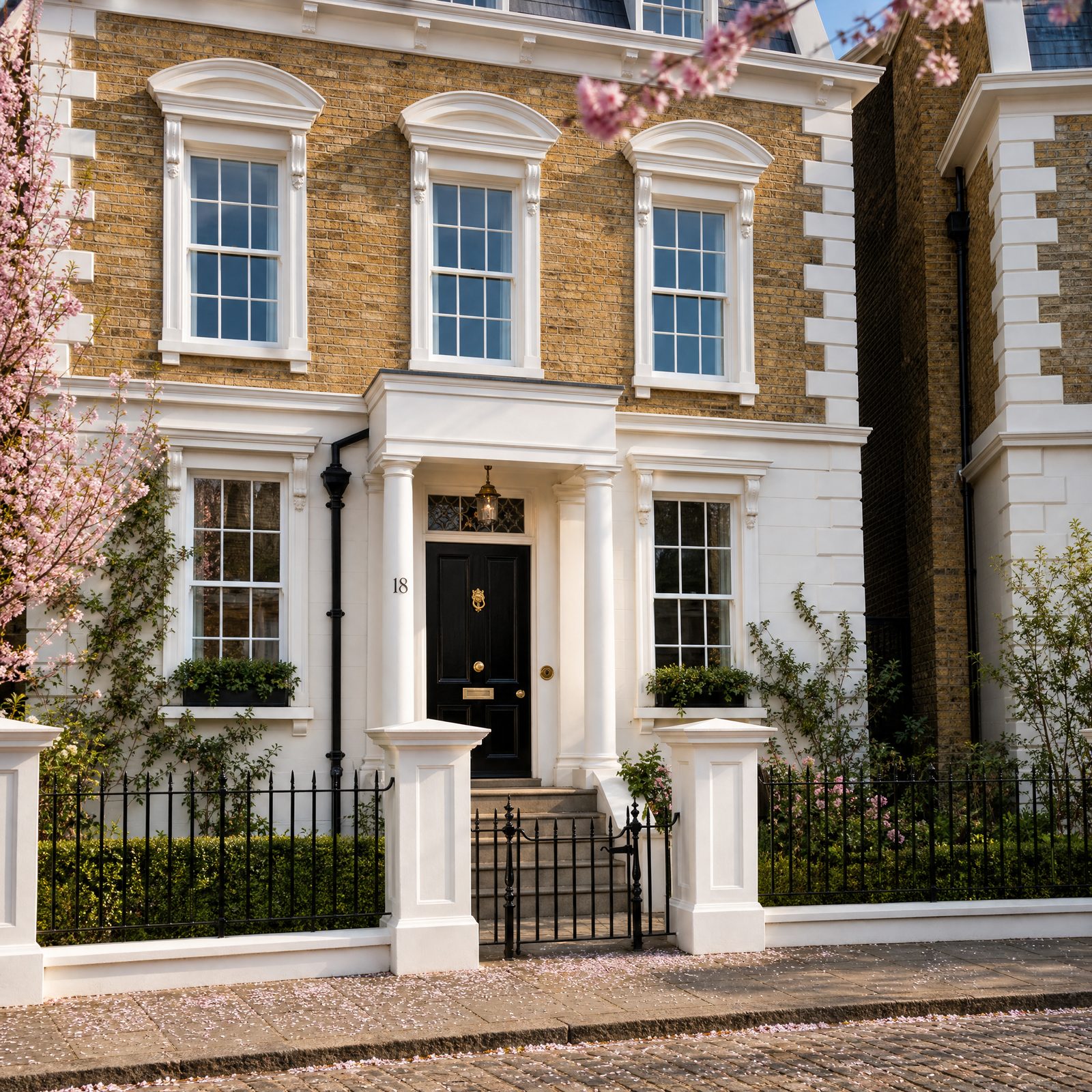
London's housing stock spans several centuries of building, and each period brings its own window details. Understanding those differences is what allows a repair to sit convincingly within the original design rather than reading as a modern intervention.
We regularly work on Georgian sash windows with their fine glazing bars and delicate proportions, Victorian box sash windows with deeper sections and heavier mouldings, and Edwardian designs with larger panes and more varied detailing. Each type has its own construction logic, and matching a repair to the correct period is the difference between an invisible restoration and an obvious patch.
This period knowledge is directly relevant across London's conservation areas. The Georgian and early Victorian terraces of Barnsbury and Canonbury, the Victorian streets of Highbury and Stoke Newington, and the varied stock of Hampstead and Islington all demand joinery that respects the era they were built in. By reading each window in its architectural context, we keep repairs visually consistent with the original period rather than standardised or generic.
Areas we cover across London
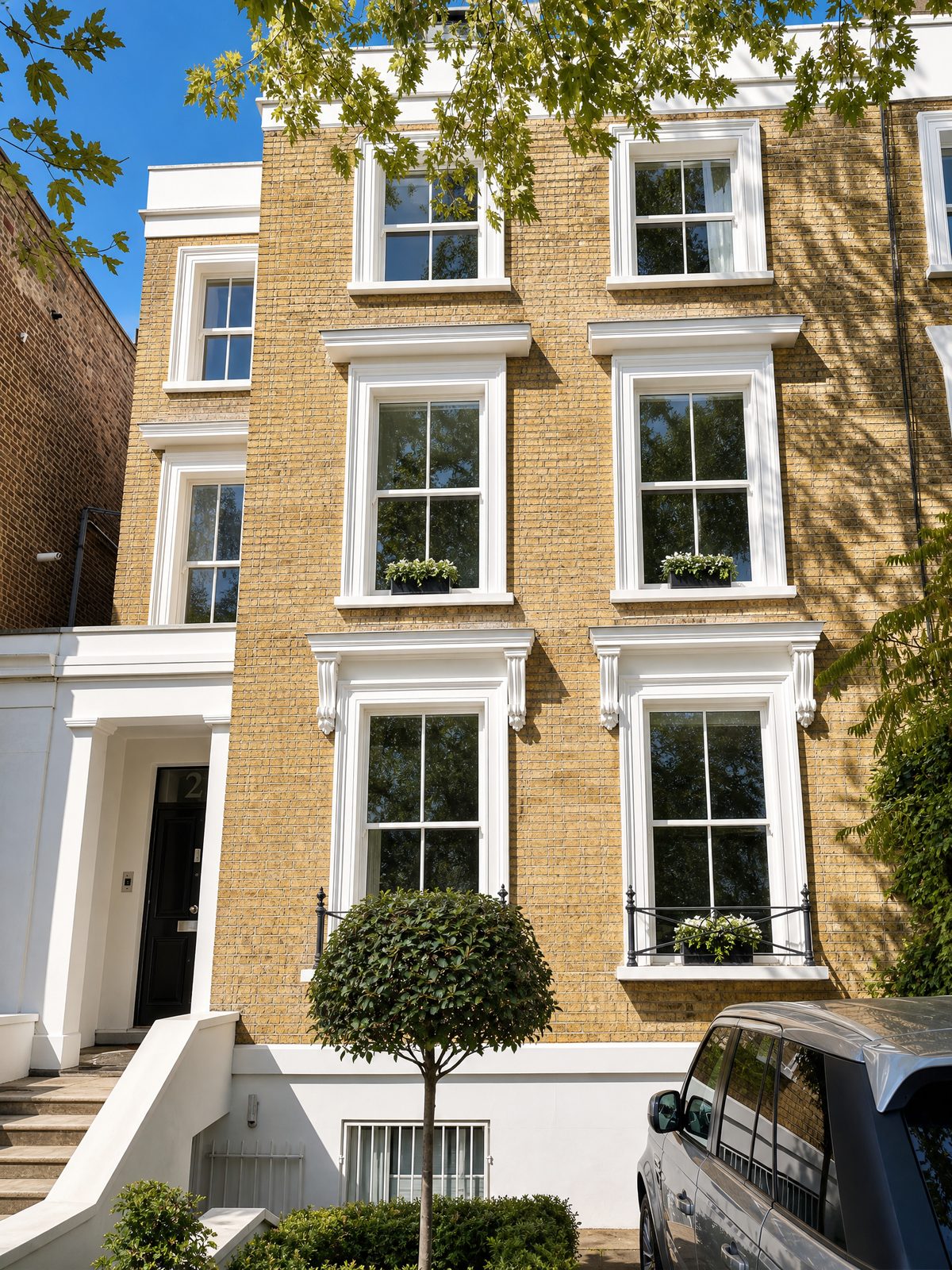
We provide heritage timber window restoration throughout London, with a particular concentration of work in the north and north‑east of the capital. Regular coverage includes Islington, Highbury, Barnsbury, Canonbury, Holloway, Finsbury Park, Stoke Newington, Crouch End, Muswell Hill, Hampstead, Highgate and the surrounding conservation areas.
Because so much of London's period housing sits within conservation areas or is individually listed, local knowledge counts. Familiarity with the building types, the prevailing window styles and the expectations of local conservation guidance means we can advise accurately from the first visit and plan repairs that are likely to satisfy planning requirements where they apply.
If your property sits outside these core districts but still within Greater London, we are usually able to help. The best starting point is a survey, which lets us assess the specific windows in their setting and give practical guidance tailored to your home and its location.
When restoration is the right choice
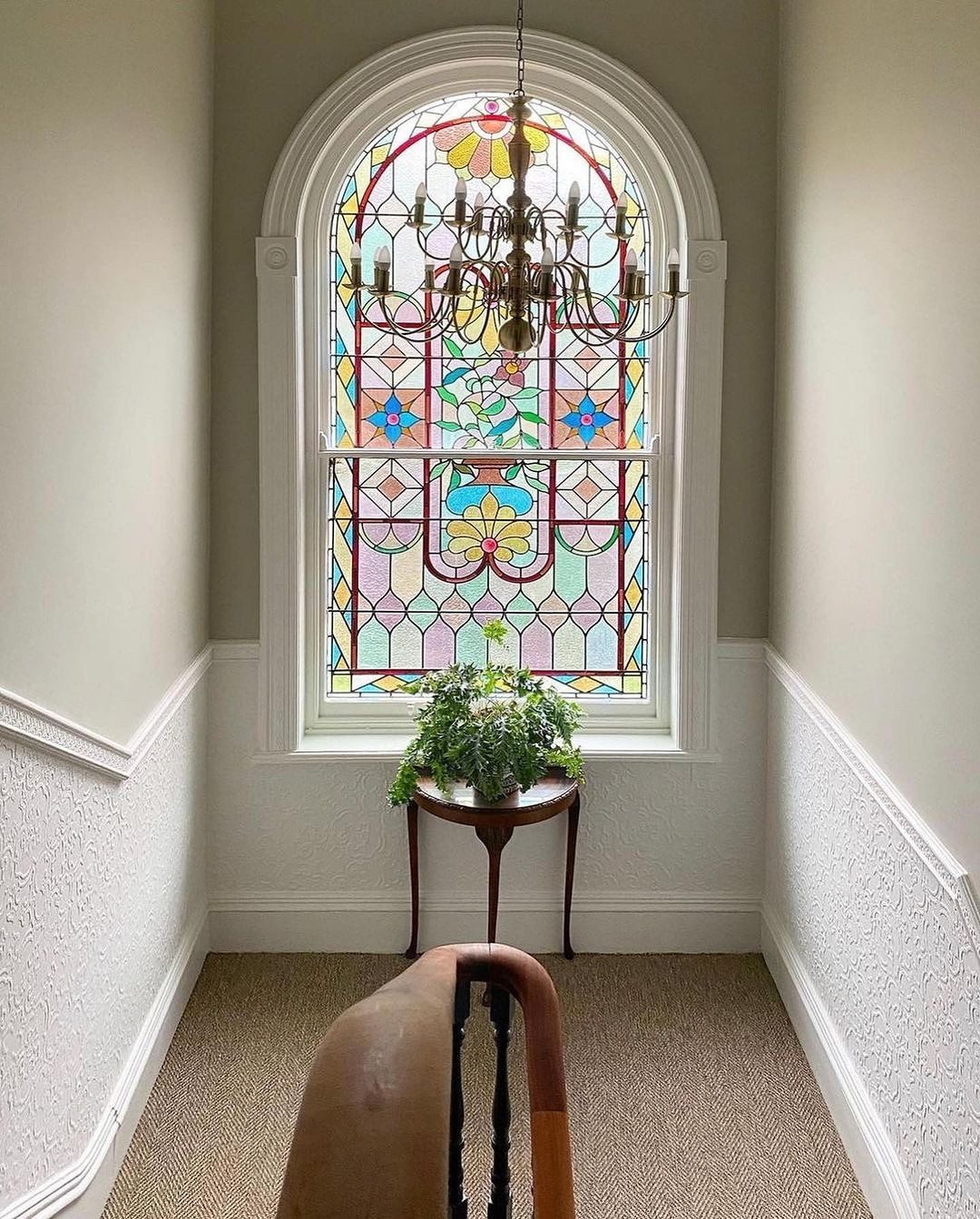
Restoration is the appropriate route in the great majority of cases, but it is not universal, and being honest about that is part of giving good advice. There are clear indicators that point towards restoration as the sensible course.
Restoration is particularly suitable when the main frame remains structurally stable, when damage is limited to specific areas rather than pervasive, when original detailing is still present and worth conserving, and when planning constraints in a conservation area or listed building restrict replacement in any case. In these situations, repair is not only possible but preferable on every measure that matters.
Where full replacement genuinely is unavoidable, for example where decay has compromised the structural core of a frame beyond safe repair, we will say so and provide guidance on appropriate, conservation‑sensitive alternatives. That guidance is always offered as a secondary option, reached only after restoration has been properly considered and ruled out, never as a default.
Subtle improvements without changing appearance
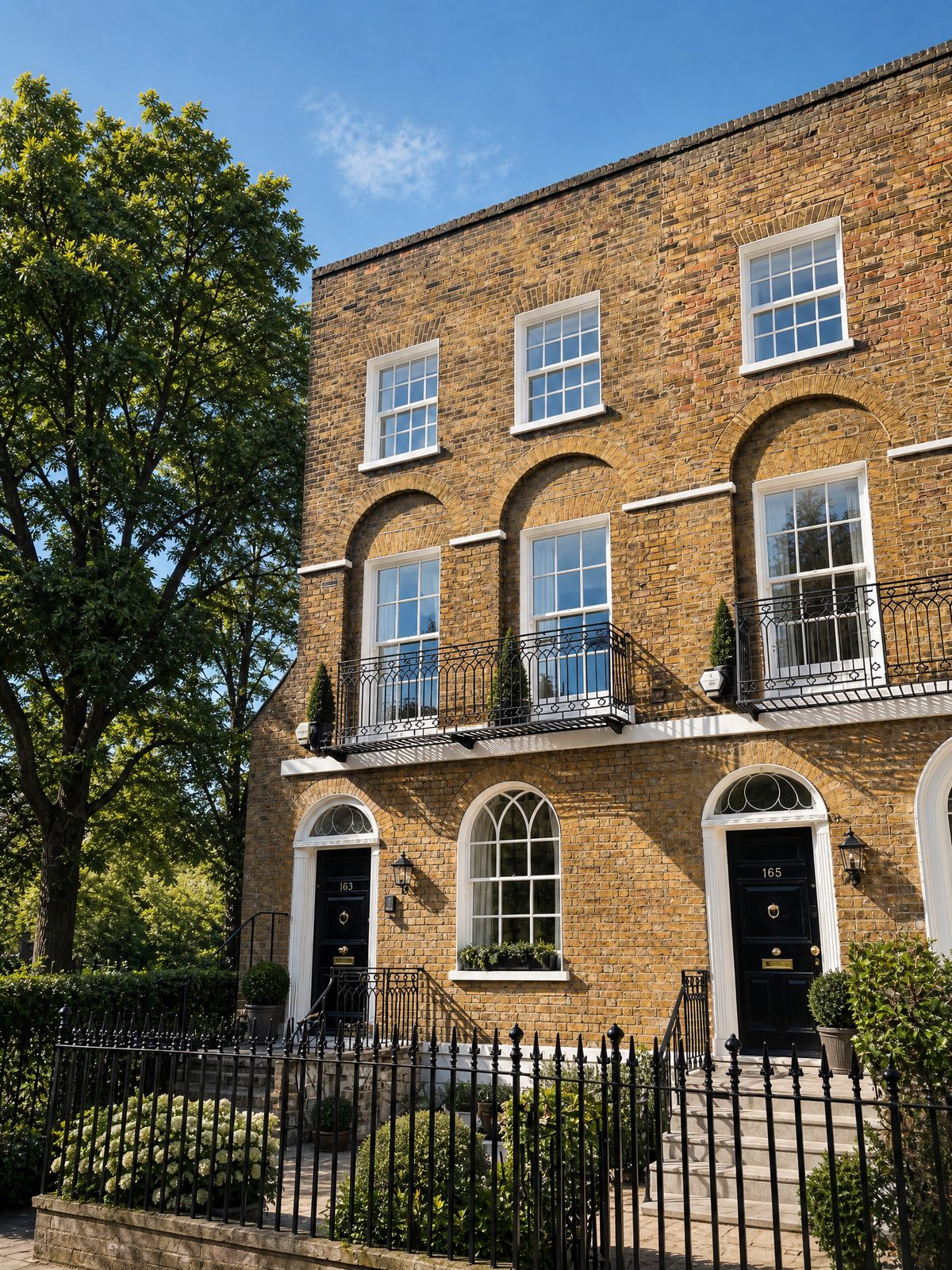
One of the central challenges in heritage work is improving how a window performs without altering how it looks. Period windows were not built to modern comfort standards, and homeowners reasonably want warmer, quieter rooms. The skill lies in achieving that while keeping the original character fully intact.
Through careful detailing it is possible to reduce unwanted air movement, improve ease of operation, extend lifespan through better protection against the weather, and maintain the original sightlines and proportions throughout. Draught management, discreet sealing and correct mechanical balancing all contribute to a more comfortable window that behaves exactly as it should.
Every enhancement is designed to remain visually unobtrusive. Nothing is added that changes the depth of the glazing bars, the profile of the mouldings or the way the window presents to the street. For homes in conservation areas across London, this balance of improved performance and unchanged appearance is precisely what conservation guidance asks for.
A measured, detail‑oriented process
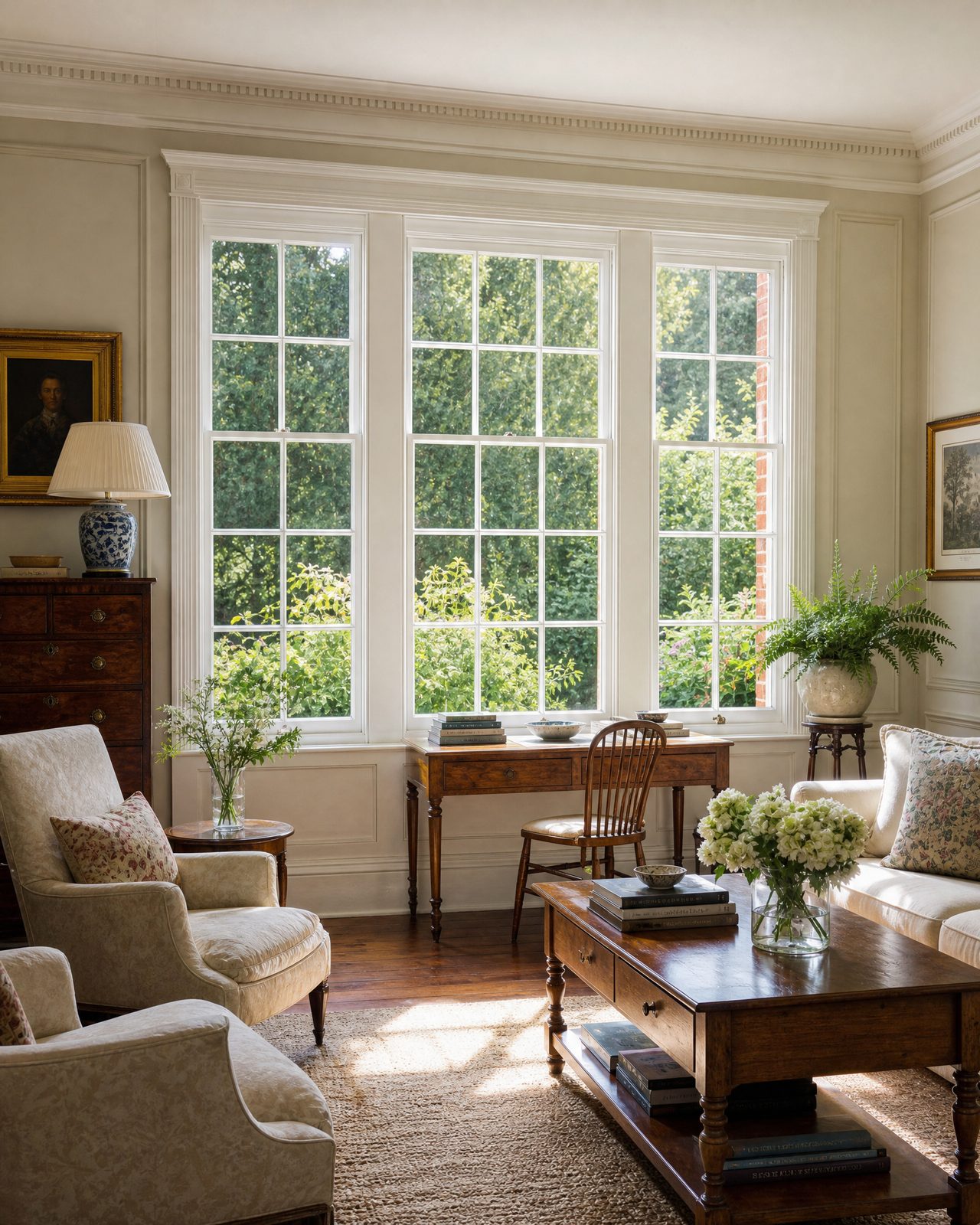
No two period windows are identical, so we approach each project individually rather than applying a fixed template. A measured process keeps the work accurate and the outcome predictable.
The typical workflow begins with an on‑site assessment of condition and requirements, carried out at the property so that each window is judged in its real setting. We then identify which elements are repairable and which are not, giving a clear picture of scope before any work begins. Depending on access and condition, restoration is carried out either by careful removal or in situ. Precision repair follows, using materials matched to the original, before reassembly and adjustment return the window to correct, smooth operation.
This sequence keeps the homeowner informed and the work proportionate at every stage. Because the assessment comes first and drives everything after it, there are no surprises, and the repair addresses exactly what the window needs rather than a generic checklist.
Long‑term performance of restored timber windows
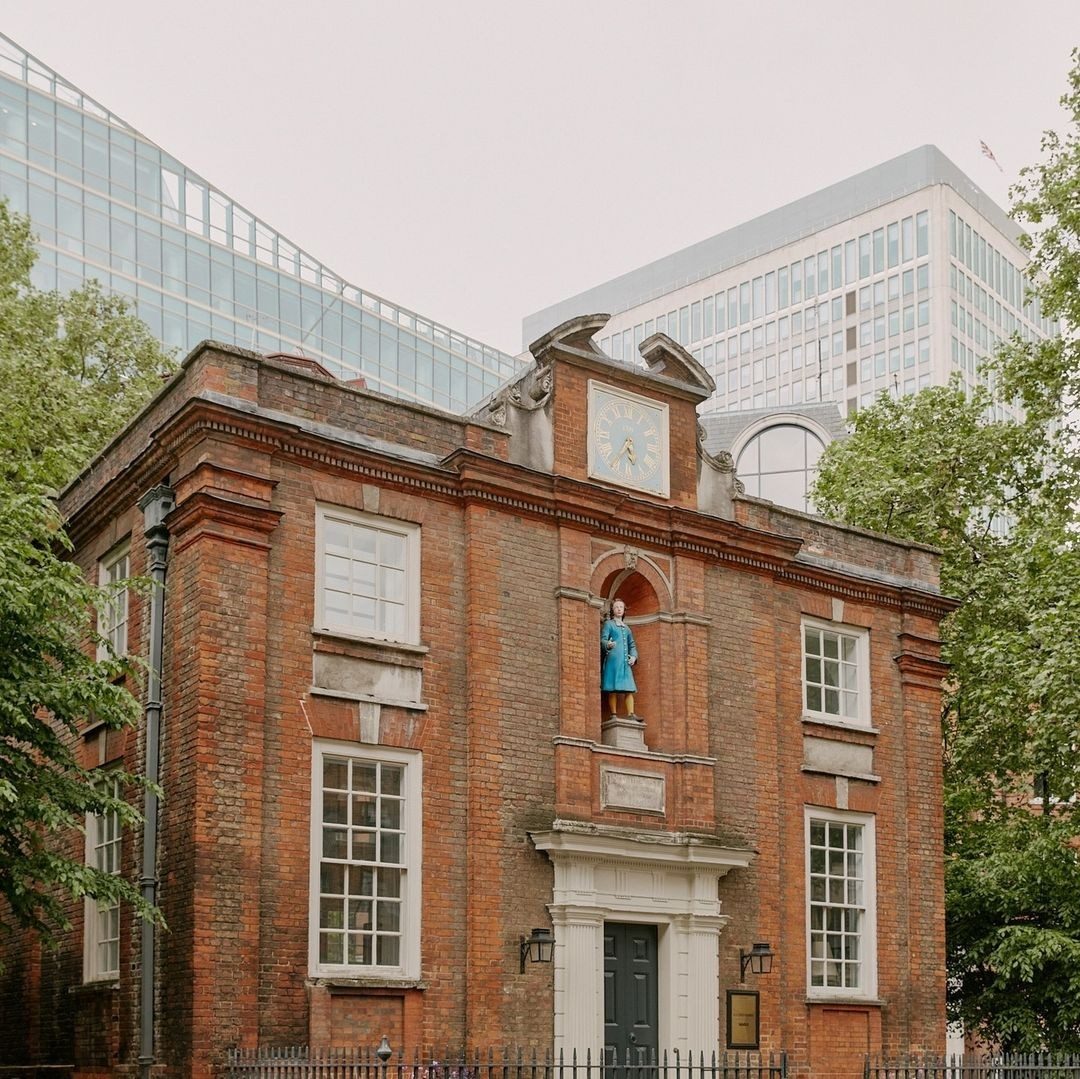
A well‑executed restoration is a long‑term investment, not a short‑term fix. With appropriate repair and sensible ongoing maintenance, timber windows can remain fully functional for decades, which is exactly why so many original London sashes are still in service today.
Restoration slows future deterioration by removing decay and protecting the timber properly, improves resistance to weather exposure through correct finishing and detailing, and maintains structural stability by reinforcing rather than replacing. Crucially, it supports a pattern of ongoing upkeep rather than repeated replacement cycles, so the same windows can be maintained and re‑serviced over many years at modest cost.
This longevity is one of the strongest arguments for conservation. A restored window that is cared for will outlast most replacement units, and it does so while keeping the original fabric and character of the building. For period homes across London, that combination of durability and authenticity is difficult to beat.
Heritage timber window specialists in London
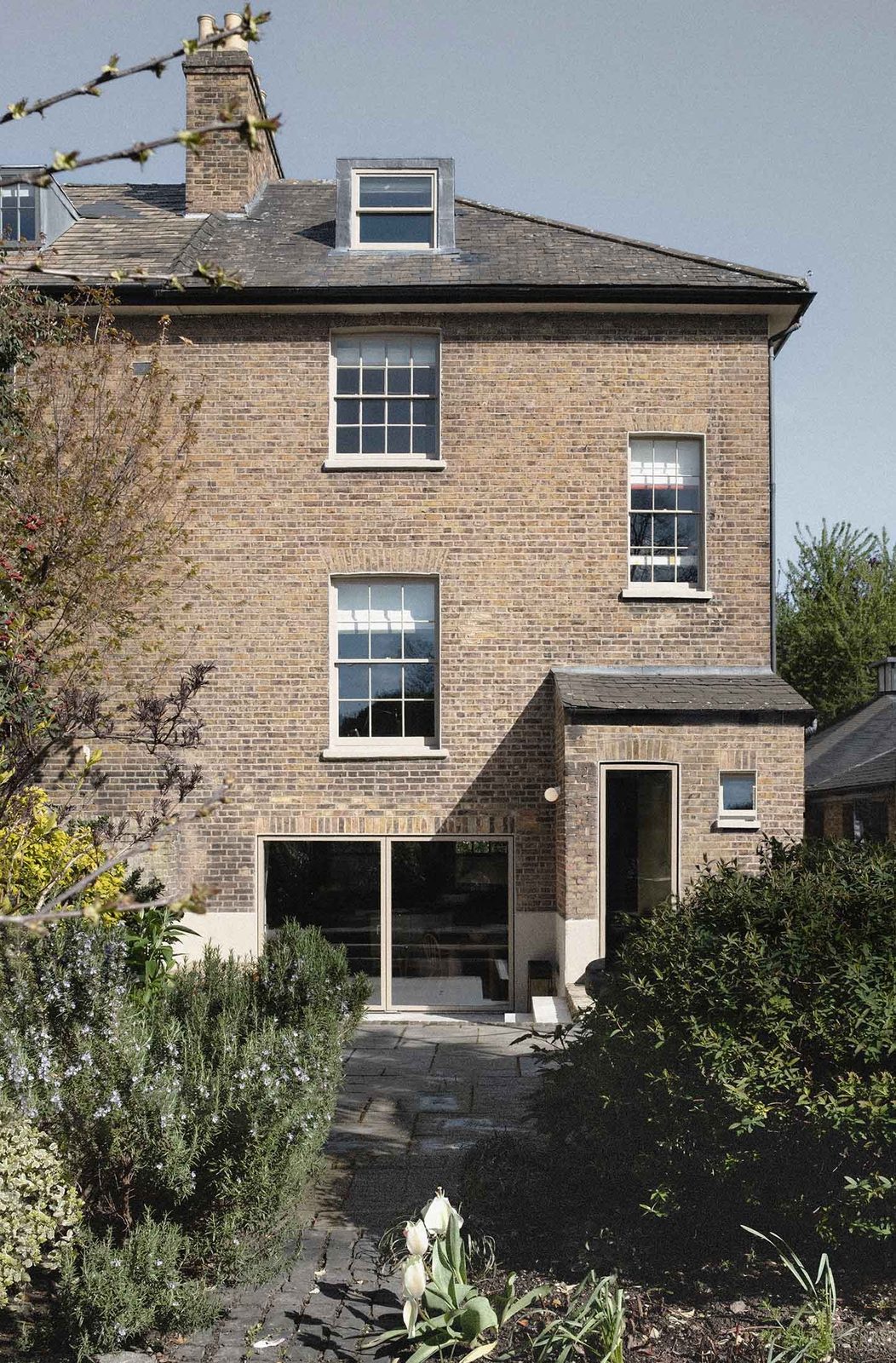
Effective heritage restoration draws on several strands of expertise at once, and it is the combination that produces high‑quality, conservation‑appropriate results.
Our work brings together practical joinery skill, an understanding of historic construction, direct experience of working within planning constraints, and the close attention to detail that heritage restoration demands. Each of these matters on its own, but it is having all of them together that allows a repair to be both technically sound and sympathetic to the original building.
For homeowners across London's conservation areas and listed streets, that specialist grounding is reassurance that original windows are in careful hands. We work to conserve what makes a period property distinctive, and to return its windows to good order without compromising the character that gives the home its value.
Request an assessment
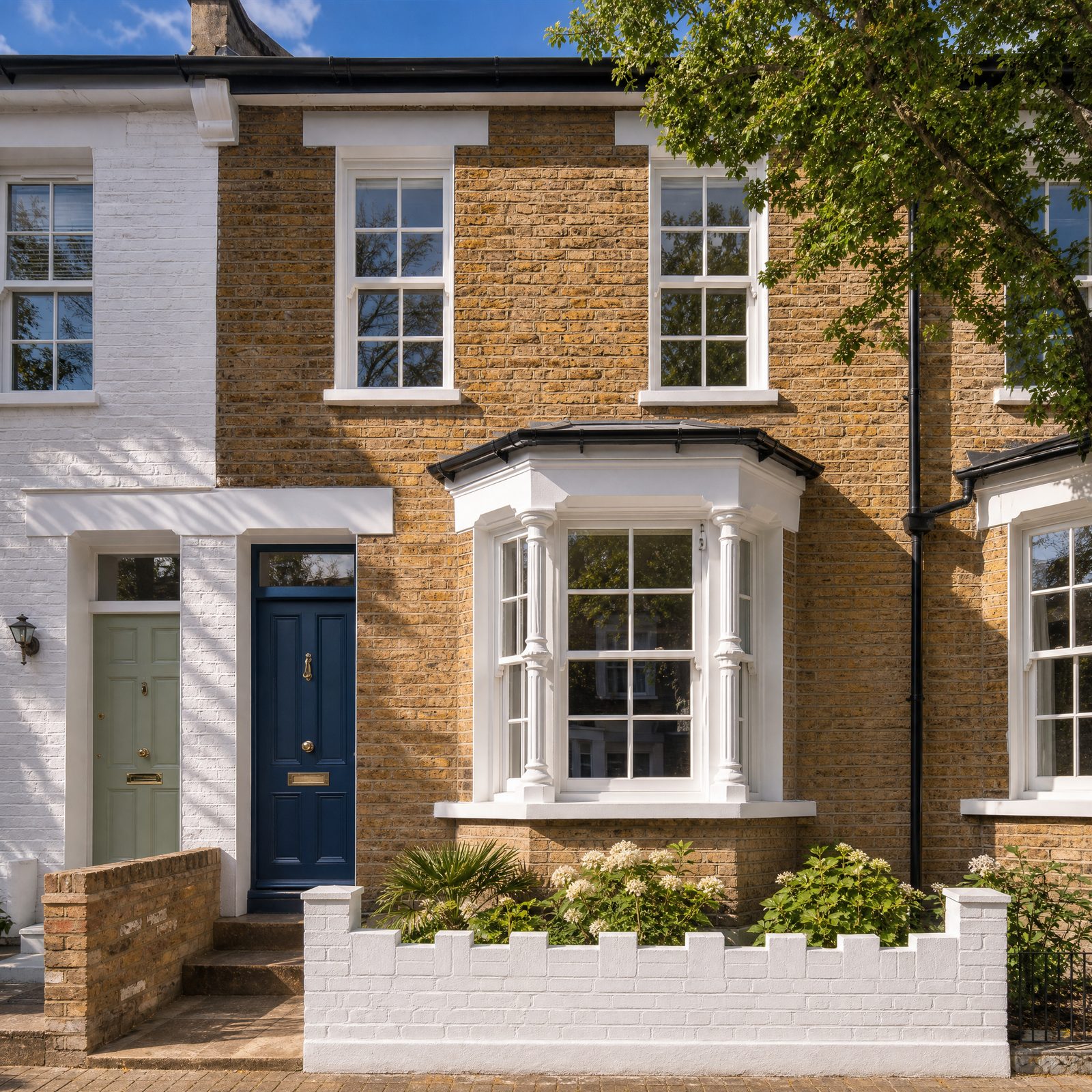
A professional assessment is the best way to determine the most appropriate course of action for your windows. Rather than guessing from a photograph, we look at the timber in place and give clear, practical advice grounded in what we find.
That advice takes account of the condition of the existing timber, the extent of any deterioration, the suitability of the windows for restoration, and the long‑term performance you can expect once the work is complete. Where restoration is the right route, we explain what it involves, and in the rare cases where it is not, we set out sensible alternatives.
If you are looking to restore rather than replace original timber windows in London, request a survey and we will arrange a visit. You can reach us at info@barnsburyjoinery.com or on 020 7164 6305 to book a survey and discuss your property.
Common questions
Do you restore sash windows in Islington and Highbury conservation areas?
Yes. Islington, Highbury, Barnsbury and Canonbury are core areas for us, and much of their housing sits within conservation areas or is listed. We restore Georgian, Victorian and Edwardian sash windows in a way that respects local conservation guidance and keeps original detailing intact, which is exactly what these areas expect.
Is restoration allowed in listed buildings and conservation areas?
Restoration is usually the preferred option in listed buildings and conservation areas because it retains original material and detailing. Our conservation‑first approach is built around meeting planning expectations, and where consent is required we plan repairs that match the existing joinery. Replacement, by contrast, is often restricted in these settings.
How do I know whether my windows need restoration or replacement?
The only reliable way is an on‑site assessment. Most timber windows that appear beyond saving have only localised or surface‑level decay, and can be restored. We look at the structural condition of the frame, the extent of deterioration and the original detailing, then advise honestly. Replacement is only recommended where safe repair is genuinely not possible.
Can you improve draughts and comfort without changing how my windows look?
Yes. Through careful detailing we reduce unwanted air movement, improve the seal and restore smooth operation while keeping the original sightlines, glazing bars and proportions unchanged. Every improvement is designed to be visually unobtrusive, which is important for period homes in London's conservation areas.
Which areas of London do you cover?
We work throughout London, with a concentration in the north and north‑east, including Islington, Highbury, Barnsbury, Canonbury, Holloway, Stoke Newington, Crouch End, Muswell Hill, Hampstead and Highgate. If your property is elsewhere in Greater London, we can usually help. Request a survey and we will arrange a visit.
Request a survey
Request a survey for your project, from a single commission to a whole scheme.
Request a surveyA studio of The Barnsbury Group
Barnsbury Joinery is the flagship studio of The Barnsbury Group, a second‑generation heritage joinery house. Established in London in 1987, it makes bespoke joinery by hand and carries the parent voice for the family of studios.
