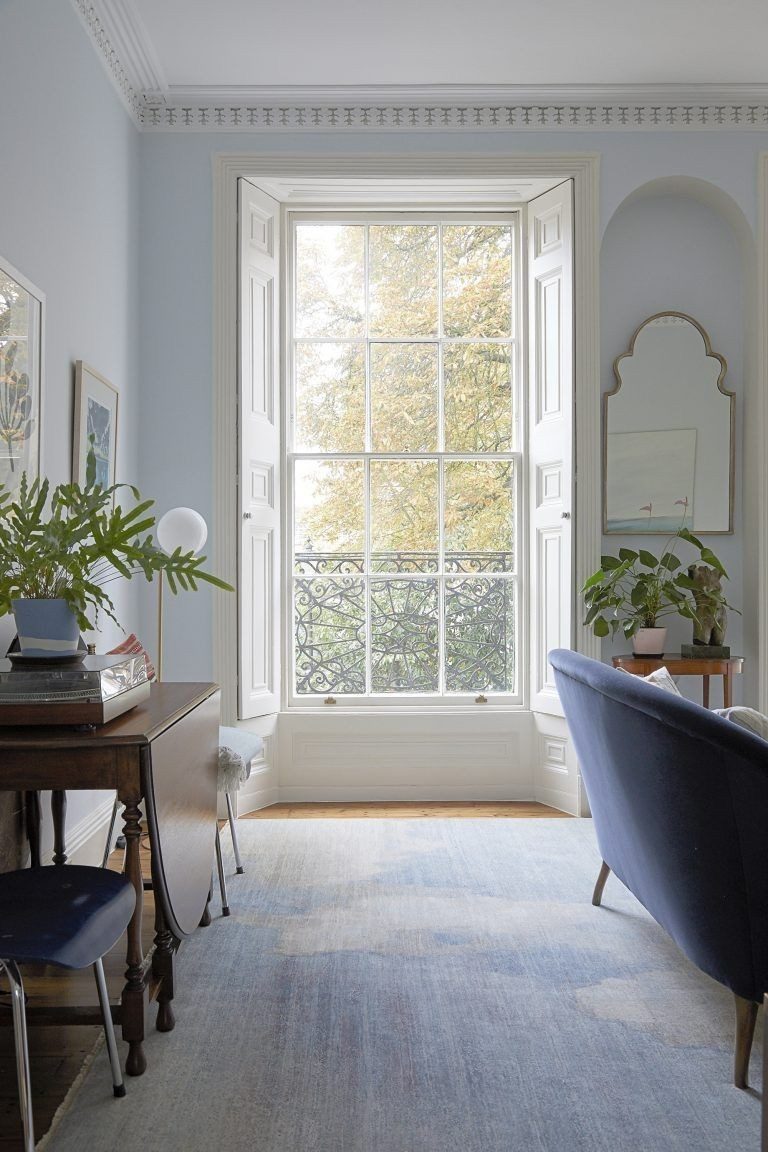
Double glazed units, made to measure by hand
Double glazed units in London, made to measure by hand. Replacement, slimline, acoustic and energy efficient sealed units. Full service in London, supply only UK‑wide.
Barnsbury Joinery makes double glazed units in London for period homes, listed buildings, commercial premises and contemporary properties that deserve better than an off‑the‑shelf sealed unit. Every unit is specified to the exact dimensions of your window or door, built to the glass makeup your building actually needs, and finished to a standard that stands up to conservation scrutiny. Whether you are replacing a single failed pane in a Georgian sash or reglazing an entire building, the work is done properly, by people who understand how glass and timber behave together over decades.
We offer a full service in London and the South East, from survey and manufacture through to installation, and supply only across the rest of the UK for joiners, builders, architects and homeowners who want conservation‑grade units delivered to site. This page explains the units we make, the differences that matter when you are choosing them, and exactly how to order.
Replacement double glazed units for every window and door
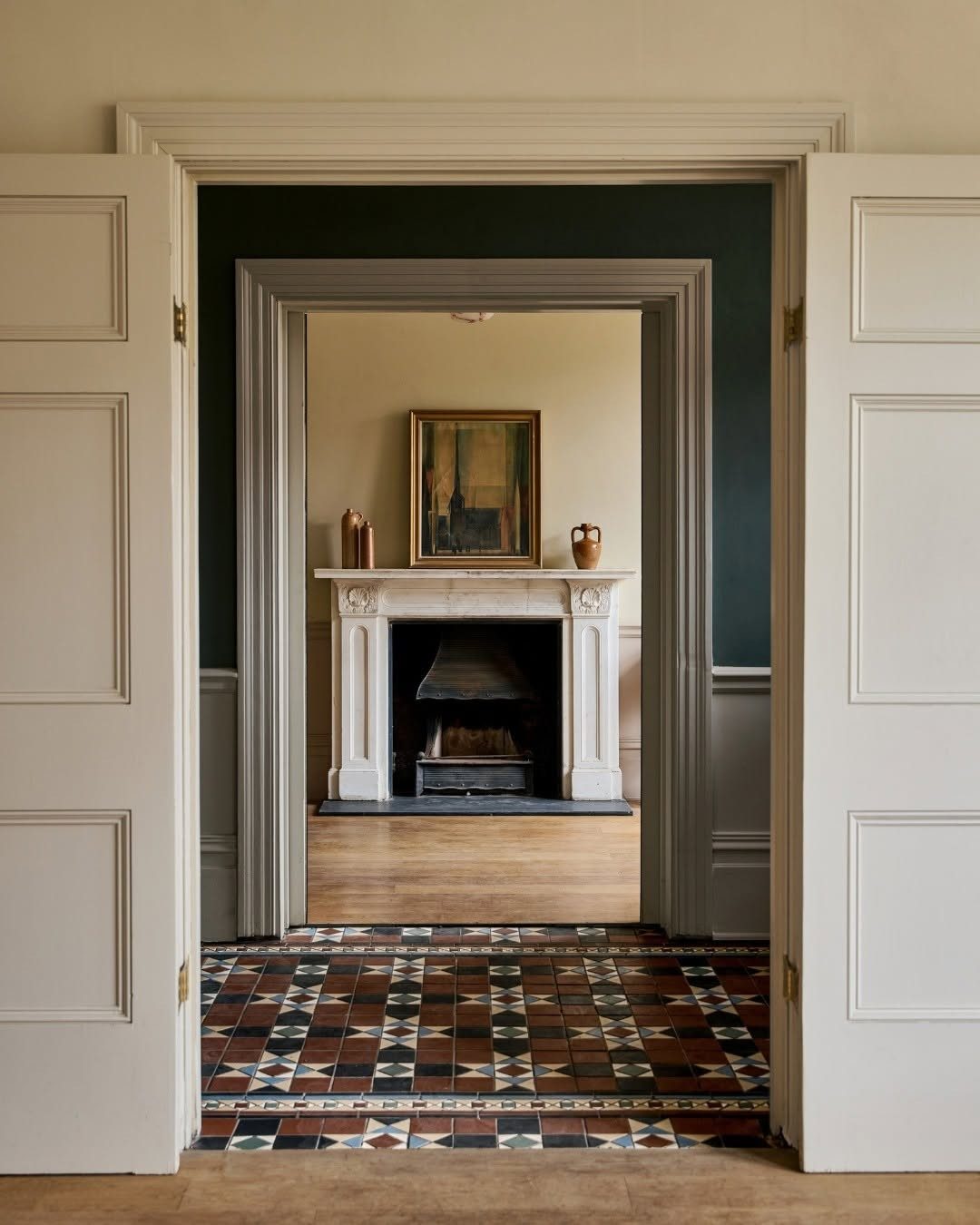
A double glazed unit, sometimes called a sealed unit or insulated glazing unit, is two panes of glass separated by a spacer bar and sealed around the perimeter to trap a layer of insulating gas or dry air between them. It is the working heart of a modern window. When it is specified and built correctly, it keeps warmth in, noise out and condensation off your glass for decades. When it is built badly, or chosen without regard for the frame it sits in, it fails early and takes the look of your window down with it.
We make replacement units to measure for the full range of windows and doors you will find across London housing stock. That includes traditional timber sash windows, timber and hardwood casements, French doors and patio doors, aluminium frames of every generation, uPVC windows, roof lanterns and conservatories, and commercial glazing systems in offices, shops and mixed‑use buildings. Because each unit is cut and sealed to your precise sizes, we can match an existing sight line exactly, so a single replacement pane sits flush and consistent alongside the units around it rather than announcing itself as a repair.
Getting a replacement unit right is about far more than length and width. The overall thickness has to match the rebate depth of the existing frame so the unit beds correctly and the glazing bars or beads close over it cleanly. The glass makeup, the spacer type and the edge seal all need to suit the age and material of the frame, the orientation of the window and the way the room is used. A north‑facing bedroom that suffers from cold and noise wants a very different specification from a south‑facing kitchen that overheats in summer. We work all of this out with you before anything is cut, so the unit you receive is genuinely fit for its position rather than a generic square of glass.
For heritage and listed properties, replacement units carry an extra layer of consideration. Conservation officers and listed building consent conditions often stipulate slimmer sight lines, particular glass types or a specific external appearance. We routinely produce units that satisfy these requirements while still delivering the thermal and acoustic performance a modern home expects, which means you are not forced to choose between doing right by the building and living comfortably in it.
Misted and failed unit replacement

The most common reason people come to us is a misted or blown unit. That cloudy haze, the streaks of moisture or the pooled droplets you can see trapped between the two panes are the unmistakable sign that the perimeter seal has failed. Once the seal goes, the dry cavity that made the unit work is compromised. Moisture‑laden air gets in, condenses against the cold inner face of the outer pane, and can no longer escape. No amount of cleaning will shift it, because the problem is sealed inside the glass itself.
A failed unit is not only unsightly. It has effectively stopped doing its job. The insulating gas that once filled the cavity has leaked away, so the window is now letting far more heat out than it should, driving up your heating bills and leaving cold spots and draughts around the opening. In colder months you may notice the affected pane feels icy to the touch, or that condensation forms far more readily on that window than on others nearby. Left long enough, persistent moisture around the glazing can begin to affect the surrounding timber, so replacing a misted unit promptly is a small repair that heads off a much larger one.
The good news is that a blown unit almost never means you need a whole new window. In the overwhelming majority of cases the frame is perfectly sound and only the sealed unit inside it needs replacing. We measure the failed unit precisely, manufacture an exact replacement to the same sight lines and thickness, and fit it back into your existing frame. The window looks and operates exactly as it did when it was new, at a fraction of the cost and disruption of full replacement, and with none of the waste. For anyone managing several windows across a property, we can survey and replace units in batches to keep the work efficient.
Other failure signs are worth watching for too. Water ingress at the glazing line, noticeable draughts around the edge of the glass, a marked drop in how well a room holds its heat, and rattling or loose glazing all point to a unit or its seals reaching the end of their life. If you are seeing any of these, it is worth having the glazing looked at before winter rather than after.
Slimline units for period properties
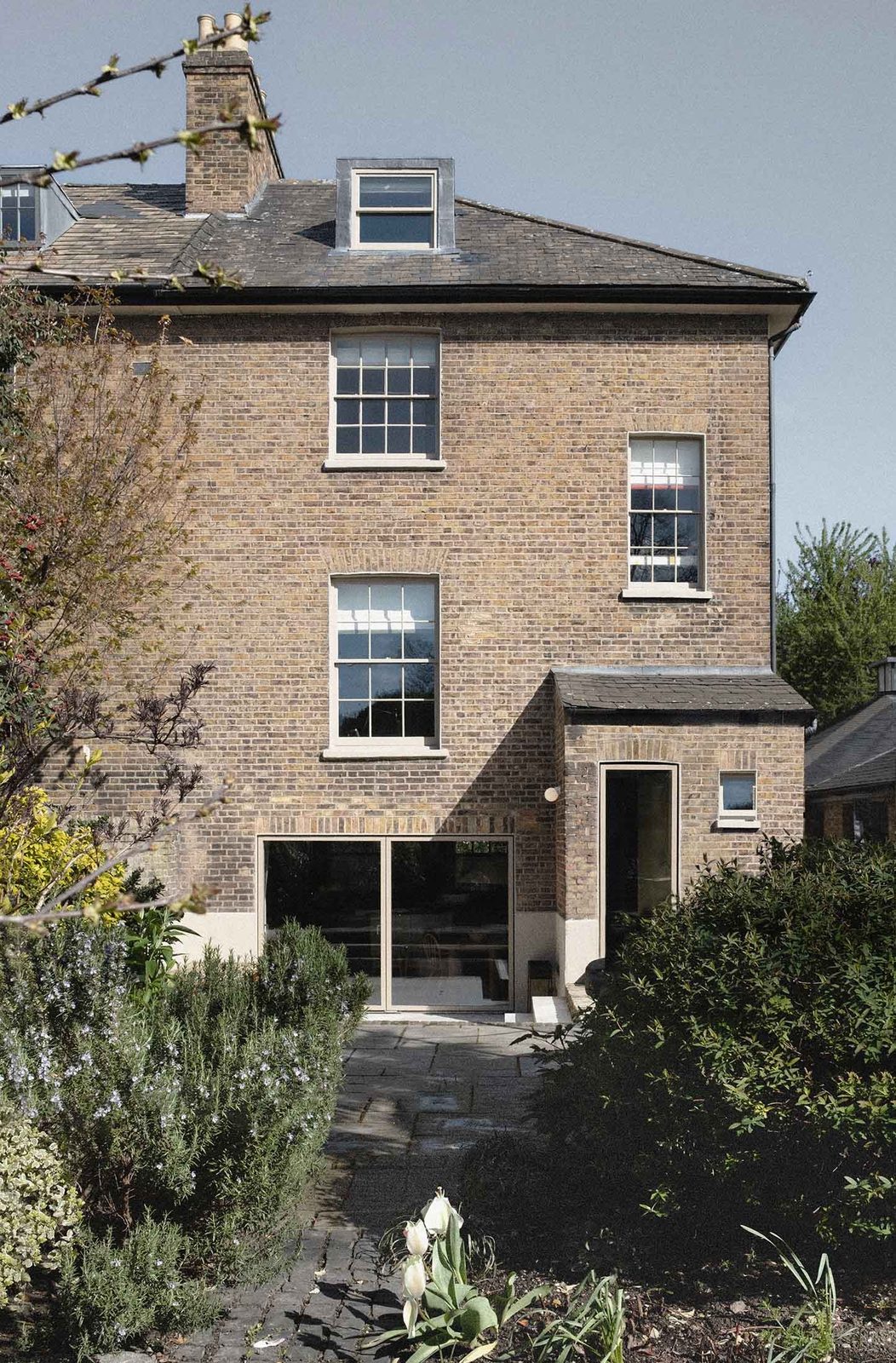
Period windows were never designed to carry chunky modern double glazing. A standard 24mm or 28mm sealed unit, with its deep spacer bar, sits awkwardly in a slender Victorian or Georgian sash and destroys the fine, elegant sight lines that give these windows their character. It also frequently will not physically fit the shallow rebates of original timber joinery. This is exactly the problem slimline double glazed units are made to solve.
Slimline units use a much narrower overall build, typically in the range of around 11mm to 16mm, achieved with fine spacer bars and carefully chosen glass. The result is a sealed unit slim enough to fit into traditional timber sashes and casements, and delicate enough to preserve the authentic proportions of the window. From the street, a slimline unit reads as period glass rather than modern replacement glazing, which is precisely what conservation areas and listed building consents tend to require. Yet behind that traditional appearance you gain genuine double glazing: a real insulating cavity, warmer rooms and reduced noise, where before there was only a single sheet of glass.
Slimline glazing is the right answer for Victorian and Edwardian sash windows, Georgian multi‑pane windows with their narrow glazing bars, timber casements in older cottages and terraces, and any property in a conservation area where the external appearance of the glass is controlled. We can incorporate slim units into new sashes we manufacture, or supply them for retrofitting into sound existing frames. Where a window has true divided lights, we take care that the glazing bars and any applied bars line up correctly so the finished window is coherent rather than a compromise.
There are honest trade‑offs to understand with any slimline unit, and we would rather you knew them up front. A narrower cavity means the thermal performance, while a huge improvement on single glazing, is not identical to that of a full‑depth modern unit. The type of gas fill and spacer used has a real influence on how the unit performs and how long it lasts, which is why we specify these carefully rather than defaulting to the cheapest build. For a period property where appearance is protected, slimline glazing remains the best available balance of authenticity, comfort and durability, and we will guide you to the specification that suits your particular windows.
Acoustic double glazing to cut noise
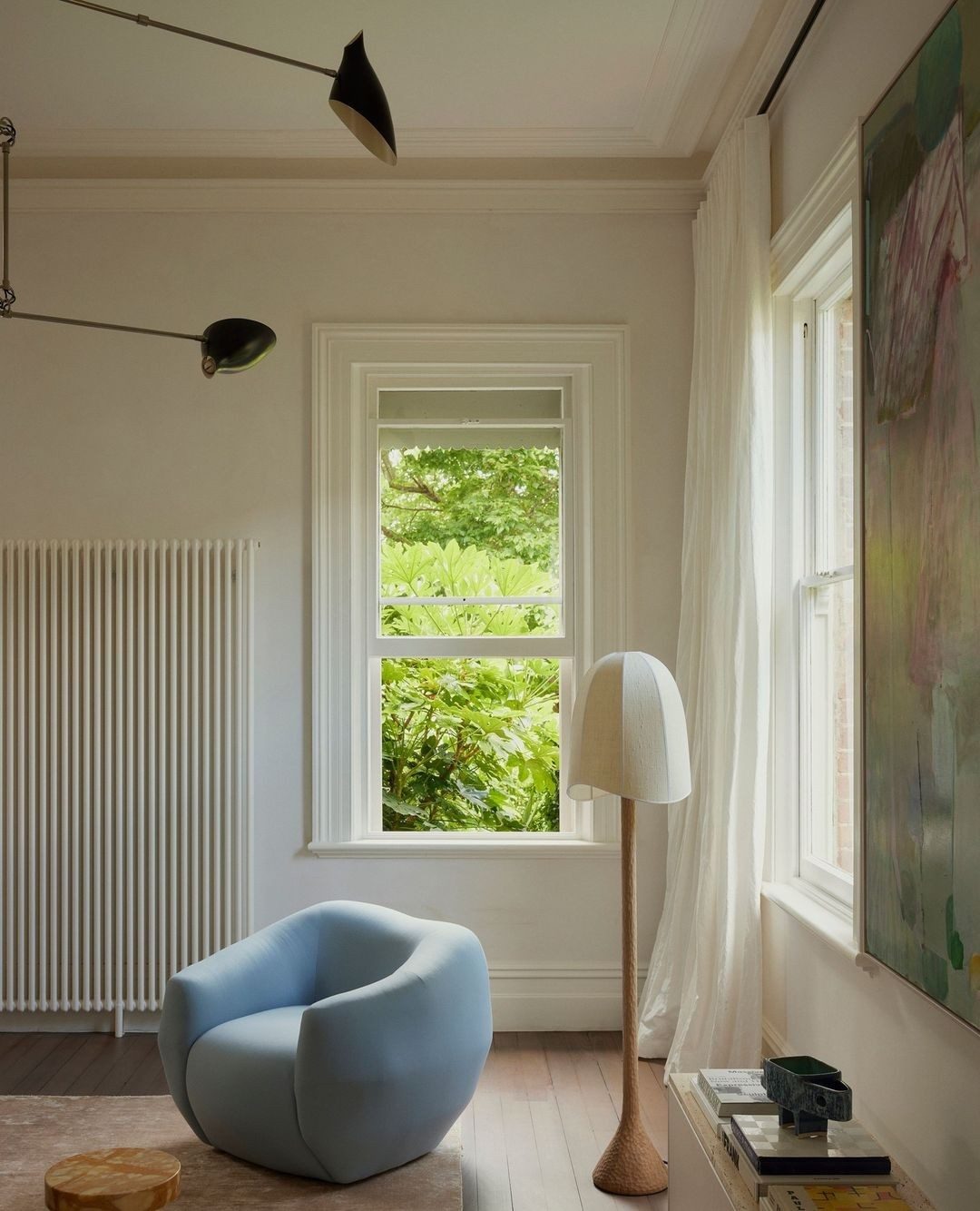
For anyone living or working near a busy road, a railway line, a flight path or simply the constant hum of a London high street, noise is often the single biggest reason for upgrading glazing. Acoustic double glazed units are engineered specifically to reduce the amount of sound that passes through the glass, and the difference a well‑specified unit makes to a bedroom, a study or a street‑facing living room can be transformative.
Sound reduction through glazing comes from a combination of factors that we tune to your situation. Using panes of different thicknesses within the same unit disrupts the frequencies at which the glass would otherwise resonate, so noise finds it harder to travel straight through. Specialist acoustic laminated glass, which sandwiches a sound‑damping interlayer between two sheets of glass, absorbs vibration and blocks a broad band of noise. A wider cavity between the panes and the right choice of gas fill add further to the effect. By combining these elements we can build a unit targeted at the kind of noise you actually experience, whether that is the low rumble of traffic and trains or the sharper noise of aircraft overhead.
Acoustic laminated glass brings a valuable secondary benefit as well. Because the interlayer holds the glass together if it is broken, a laminated pane is significantly harder to break through, so an acoustic unit often improves the security of the window at the same time as quietening it. For street‑level windows and doors in particular, this is a meaningful advantage that comes almost for free with the acoustic upgrade.
We can build acoustic performance into both standard‑depth units and, to a more limited degree, into slimmer units for period properties, so heritage windows near noisy roads are not left out. If noise is your priority, tell us what you are up against, ideally with a sense of whether it is constant traffic, intermittent trains or aircraft, and we will specify the glass makeup that will make the most noticeable difference in your rooms.
Energy efficient double glazing
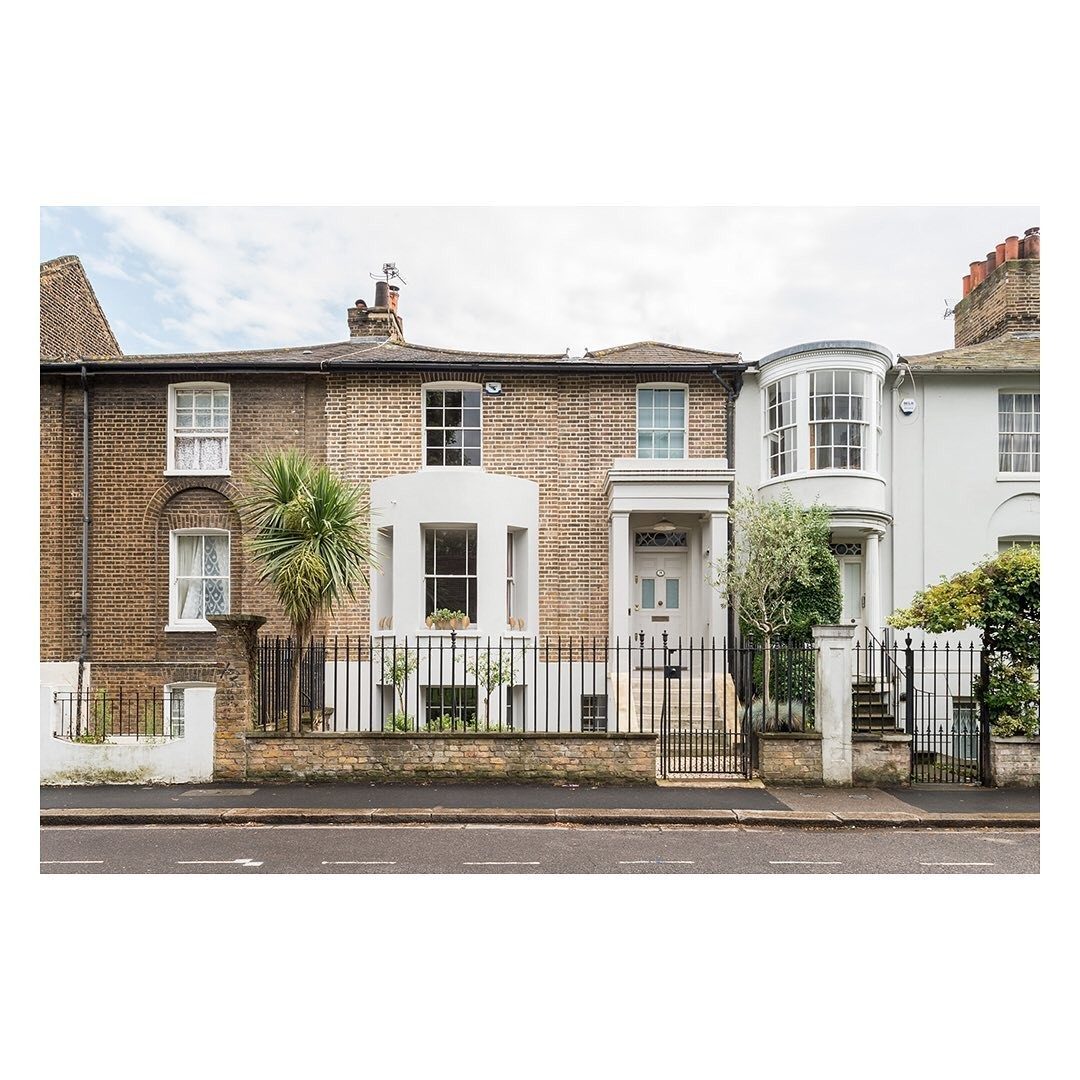
Energy efficiency is where the specification of a double glazed unit really earns its keep. The visible glass may look the same from one unit to the next, but what sits inside the cavity and what coats the glass makes an enormous difference to how much heat your home holds on to and how much you spend keeping it warm. We build energy performance into our units through a combination of proven components, chosen to suit each window.
Low‑emissivity, or Low‑E, glass carries a microscopically thin coating that reflects heat back into the room while still letting light through. It is one of the most effective single upgrades available, reducing the amount of warmth that escapes through the glass without any visible change to the window. We fill the cavity of standard units with argon, a harmless inert gas that conducts heat far less readily than ordinary air, which improves insulation for a modest cost. Where the very highest thermal performance is needed, krypton gas can be used instead, and it is especially useful in narrower cavities where argon has less room to work, making it a valuable option for slimmer units.
The spacer bar around the edge of the unit matters more than most people realise. Traditional metal spacers conduct heat and create a cold bridge around the perimeter of the glass, which is where condensation and cold spots tend to appear first. We use warm edge spacer bars, made from materials that conduct far less heat, so the edges of the glass stay warmer, condensation is reduced and the overall efficiency of the whole window improves. For rooms that suffer from summer overheating, particularly south and west‑facing glazing and large expanses of glass, we can also specify solar control glass that reflects a portion of the sun's heat while keeping the room bright.
Better glazing does more than lower a heating bill, welcome though that is. It makes rooms more comfortable to be in, removing the cold radiant chill you feel sitting near a poorly glazed window in winter. It cuts down the condensation that leads to damp and mould around window reveals. And in a period property it allows you to bring a beautiful old building up to a genuinely livable modern standard of comfort without stripping out its character. We are always happy to talk through the right balance of Low‑E glass, gas fill, spacer and, where relevant, solar control for your specific windows and how your rooms are used.
Triple glazed units for the highest performance
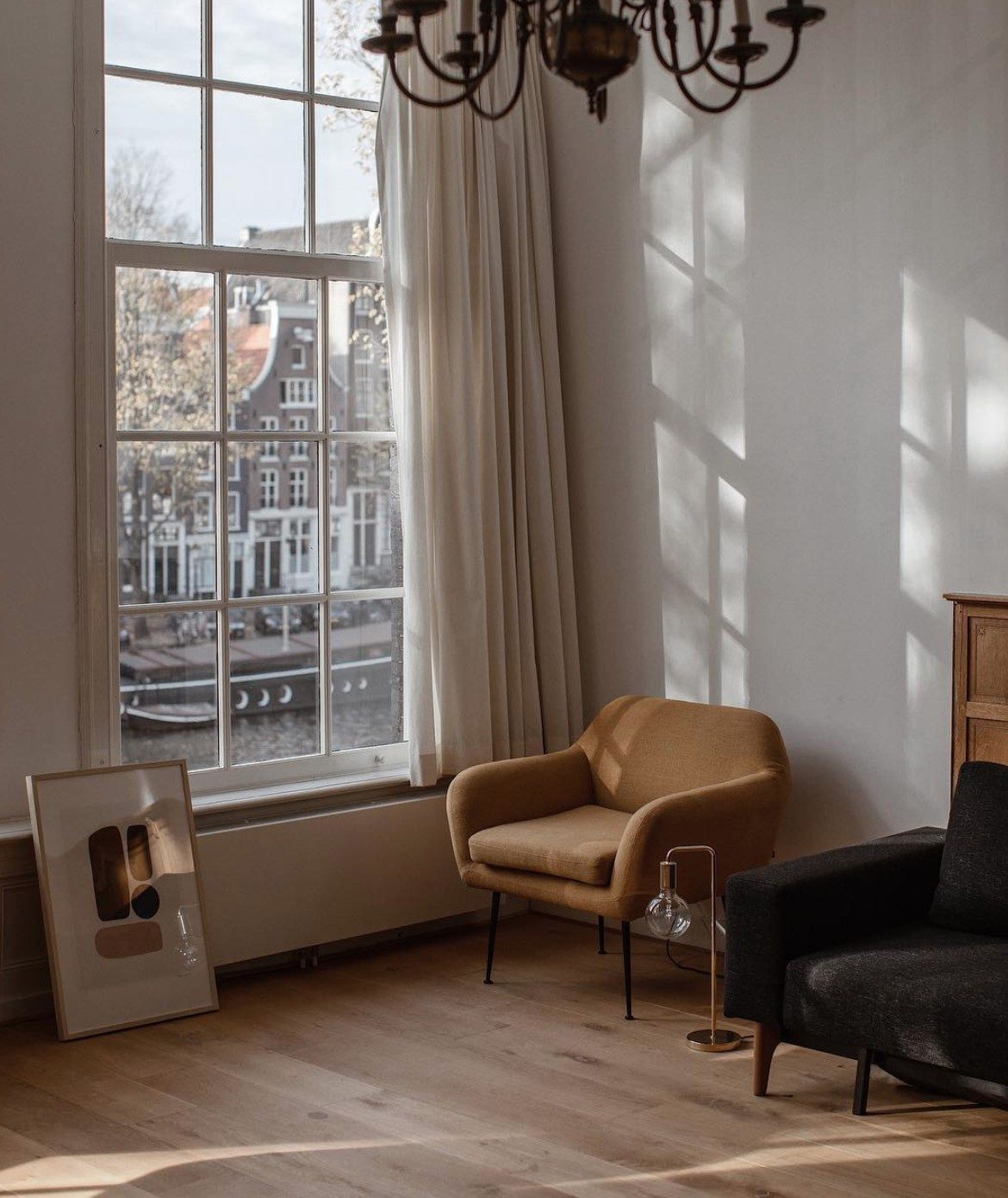
For the warmest, quietest possible result, triple glazed units add a third pane of glass and a second insulating cavity. That extra layer pushes thermal and acoustic performance beyond what double glazing can achieve, which is why triple glazing is increasingly specified for new build projects, deep retrofits and rooms where comfort is the absolute priority, such as bedrooms over a busy road or a home office you want to keep both warm and silent.
The advantages are real. Two cavities and three panes mean substantially less heat loss, which suits properties working towards high energy standards or homeowners determined to minimise running costs. The additional pane and the ability to vary glass thicknesses across three layers also contribute to noise reduction, so triple glazing can be a strong choice where both warmth and quiet matter. In the right building it delivers a level of comfort that is genuinely noticeable the moment you walk into the room.
Triple glazing is not automatically the correct answer for every window, and we will tell you honestly when it is and when it is not. A triple unit is heavier and thicker than a double unit, so the frame and, in the case of sash windows, the counterbalancing all need to be designed or adapted to carry it. That makes triple glazing best suited to new frames we manufacture for the purpose, or to substantial frames engineered to take the extra weight, rather than to retrofitting into slender period sashes. Where a building genuinely benefits from it, we design the whole window around the unit so it operates smoothly and lasts. Where a well‑specified double unit will serve you just as well for less cost and complication, we will say so.
Supply‑only units delivered across the UK
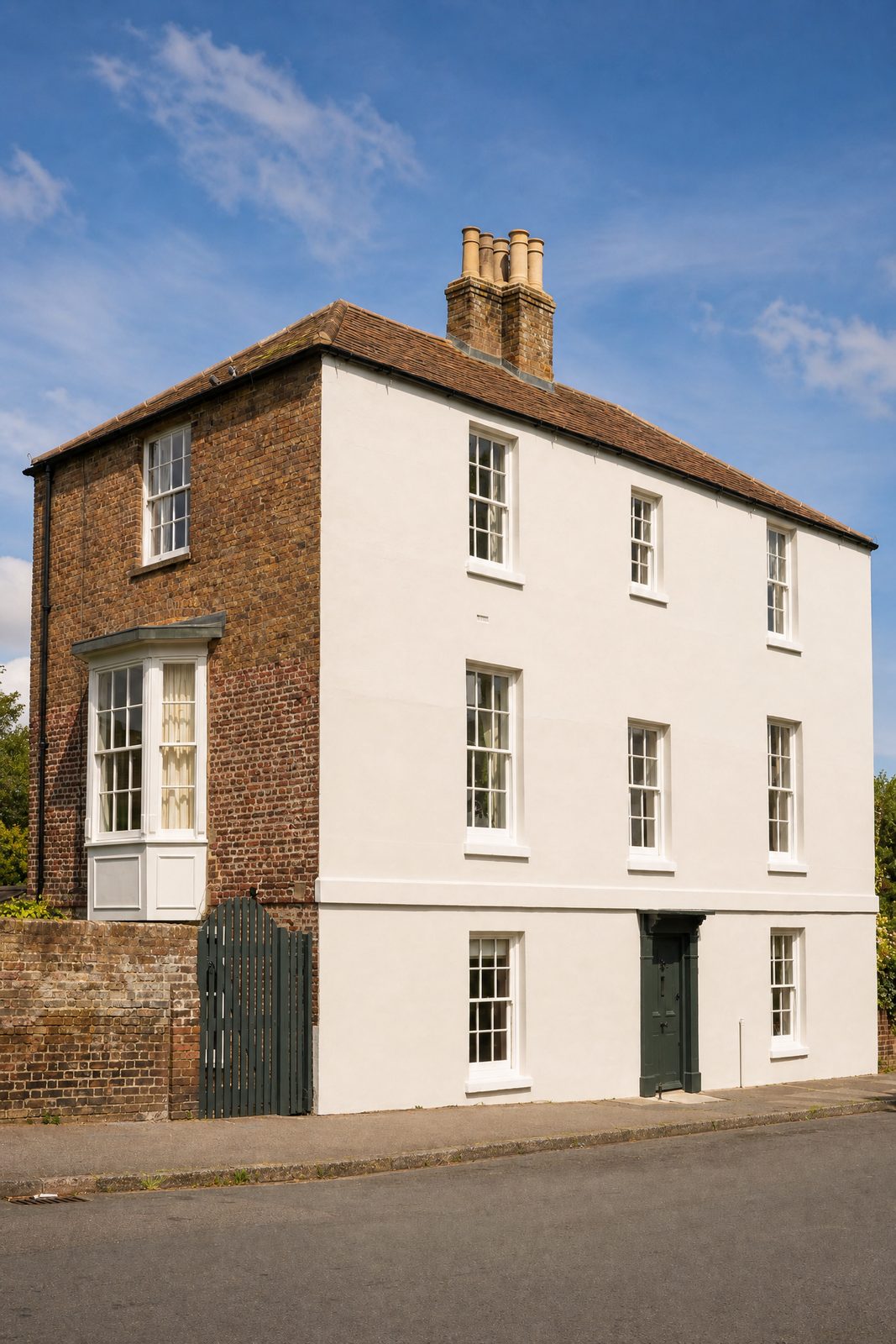
We provide a full service in London and the South East, covering survey, manufacture and installation, and we supply only across the rest of the UK. Our supply‑only service is used by joiners, builders, glaziers, architects, property developers and confident homeowners who want conservation‑grade sealed units made to their own measurements and delivered to site, ready to fit.
Every supply‑only unit is manufactured to the same standard as the units we install ourselves. You choose the specification, whether that is standard double, slimline for a period window, acoustic laminated glass, a particular Low‑E and gas combination, or a full triple glazed makeup, and we build each unit precisely to your dimensions. This is the practical way to bring London‑made, heritage‑quality glazing to a project anywhere in the country, and it is particularly valued on conservation and listed building work where the appearance and specification of the glass genuinely matter and generic stock units simply will not pass.
Accurate measurements are essential for supply‑only orders, because we are manufacturing to the sizes you give us. We are happy to advise on how to measure your openings correctly, including the all‑important overall thickness that has to match your rebate depth, and on which specification will suit the frames and the exposure you are dealing with. Getting these details right at the order stage is what ensures the units drop in cleanly and perform as intended once they reach you.
How to order and what to expect on lead times
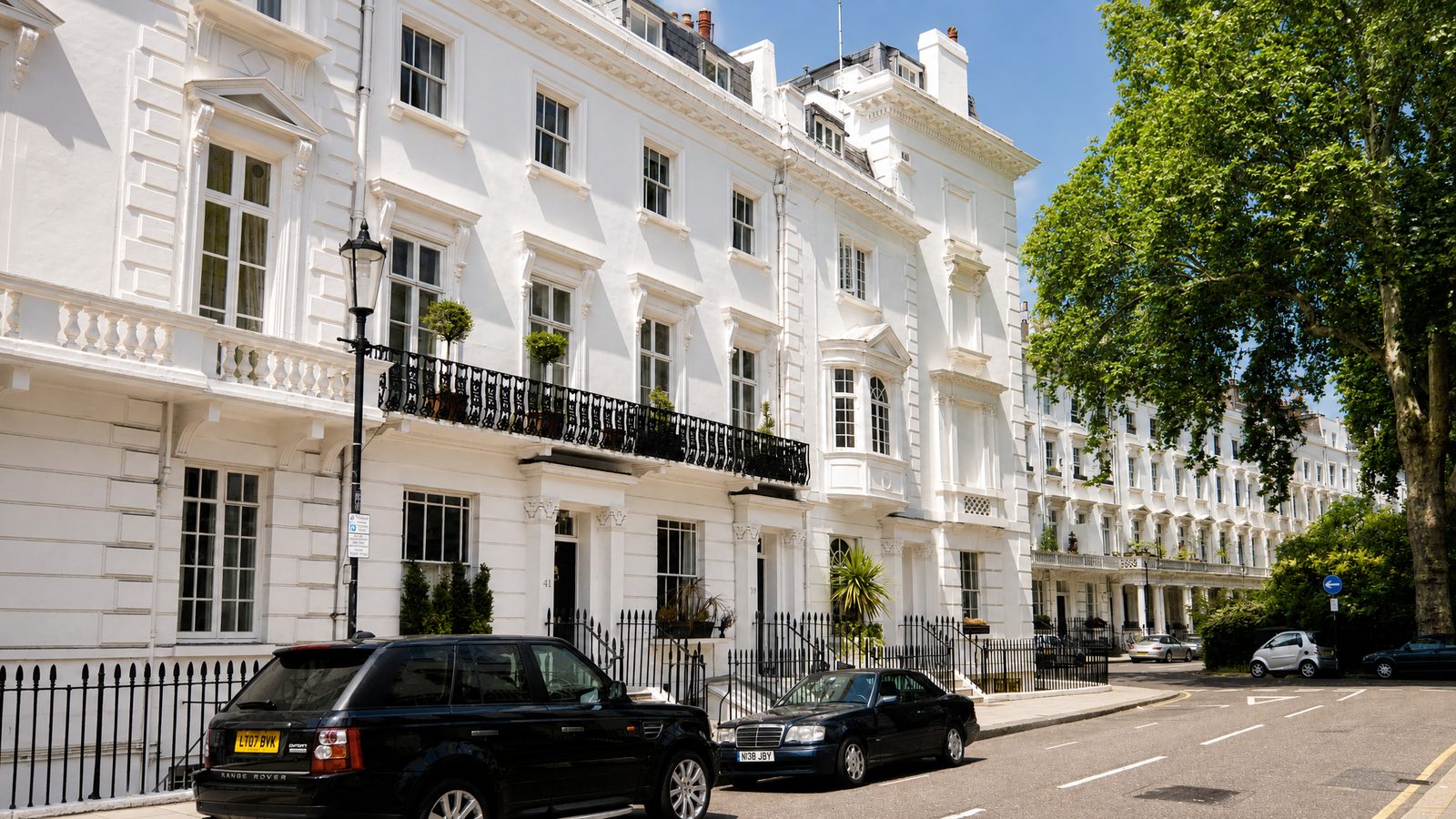
Ordering double glazed units from us is straightforward, and we have kept the process simple whether you want a single blown pane replaced or units for an entire building. The first step is to get in touch with your measurements or, if you are unsure about measuring, clear photographs of the windows along with a rough idea of sizes. For customers in London and the South East we can arrange to come and survey the windows in person, taking exact measurements and advising on specification on the spot. To arrange this, request a survey and we will book a convenient time.
Next we help you choose the right specification. This is where the detail we have covered on this page comes into play: whether you need slimline units to satisfy conservation requirements, acoustic glass to deal with noise, a particular Low‑E and argon or krypton combination for warmth, or triple glazing for the highest performance. We will make clear recommendations based on your building, the orientation of the windows and how the rooms are used, so you are choosing with good information rather than guesswork.
Once the specification is agreed we prepare a quotation setting out the cost of the units and, for London and the South East, installation if you would like us to fit them. To get pricing for your project, request a quote with your sizes and requirements and we will put the figures together. When you are ready to proceed, you simply confirm whether you want supply only or supply and installation, and we begin manufacture.
Lead times depend on the specification and the size of the order, as every unit is made to measure rather than pulled from stock. Standard replacement units are generally quicker to produce, while slimline, acoustic and triple glazed units, and larger multi‑window orders, take longer to manufacture to the right standard. We will always give you a realistic timescale when we quote so you can plan the work around it, and for supply‑only orders we will confirm delivery arrangements to your site. If a project is time‑sensitive, tell us at the outset and we will let you know honestly what is achievable.
From the first measurement to the finished glazing, the aim is the same: sealed units that fit perfectly, perform properly and suit the building they go into, made by hand in London to a standard that holds up for the long term. If you have a window that has misted over, a period property that needs sympathetic glazing, or a whole project to specify, get in touch and we will help you get it right.
Common questions
Can you replace just the glass in a misted double glazed unit without changing the whole window?
Yes, and in most cases that is exactly what we do. A misted or blown unit is caused by a failed perimeter seal, not by a fault in the frame. As long as the frame is sound, we measure the failed unit, manufacture an exact replacement to the same sight lines and thickness, and fit it into your existing frame. The window looks and works as it did when new, at a fraction of the cost of full replacement.
Will double glazing fit my period sash windows without spoiling their appearance?
In most cases yes, using slimline double glazed units. These use fine spacer bars and carefully chosen glass to create a much narrower overall unit, typically around 11mm to 16mm, so it fits the slender rebates of period sashes and casements while preserving their authentic proportions. From the street the glazing reads as period glass, which is what conservation areas and listed building consents usually require, while you gain a genuine insulating cavity behind it.
How much difference does acoustic glazing actually make to traffic and railway noise?
A well‑specified acoustic unit makes a very noticeable difference, particularly to constant noise like traffic and trains. We achieve this by combining panes of different thicknesses, specialist acoustic laminated glass with a sound‑damping interlayer, and the right cavity and gas fill. The laminated glass also makes the window harder to break through, so you gain a security benefit alongside the quiet. Tell us what kind of noise you are dealing with and we will target the specification accordingly.
What is the difference between double and triple glazed units, and do I need triple?
Triple glazing adds a third pane and a second insulating cavity, giving higher thermal and acoustic performance than double glazing. It suits new frames, deep retrofits and rooms where warmth and quiet are the priority. It is also heavier and thicker, so it needs a frame designed to carry it and is generally not suitable for retrofitting into slender period sashes. For many windows a well‑specified double unit performs excellently for less cost, and we will advise honestly on which is right for you.
Do you supply double glazed units outside London?
Yes. We offer a full service including survey, manufacture and installation in London and the South East, and supply only across the rest of the UK. Our supply‑only units are made to your measurements and specification and delivered to site, ready to fit. This service is popular with joiners, builders, architects and homeowners who want conservation‑grade, London‑made glazing anywhere in the country, especially on listed and conservation work where the specification of the glass matters.
How do I order and how long will my units take?
Send us your measurements or photographs, or request a survey if you are in London or the South East and would like us to measure in person. We help you choose the right specification, then prepare a quotation covering the units and, locally, installation if you want it. Because every unit is made to measure, lead times vary: standard replacement units are quicker, while slimline, acoustic, triple glazed and larger orders take longer. We always give you a realistic timescale when we quote.
Request a survey
Request a survey for your project, from a single commission to a whole scheme.
Request a surveyA studio of The Barnsbury Group
Barnsbury Joinery is the flagship studio of The Barnsbury Group, a second‑generation heritage joinery house. Established in London in 1987, it makes bespoke joinery by hand and carries the parent voice for the family of studios.
