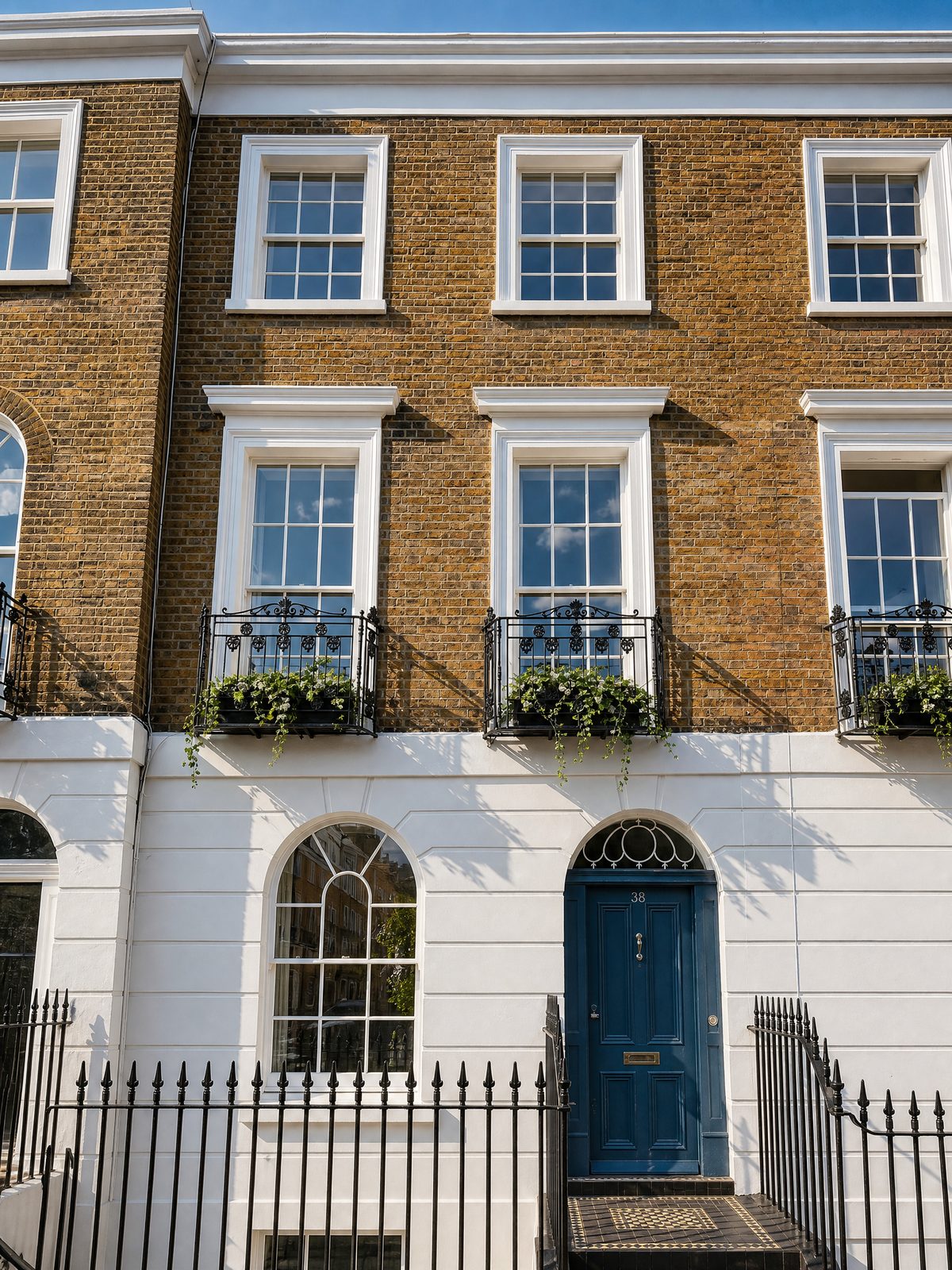
Barnsbury Joinery · Advice · 8 min read
01Advice · London studio51.5665° N, 0.1006° W
Advice · 8 min read

Timber sash window installation advice: what to consider before you buy

Expert advice on timber sash window installation: what to consider before you buy, repair versus replacement, glazing, and how to avoid rogue traders.

Timber sash windows are one of the defining features of British architecture, and getting them right takes more thought than most homeowners expect. Whether you are restoring a period property, replacing tired frames, or specifying new windows in a traditional style, the decisions you make before you buy will shape the look, comfort, and value of your home for decades. This guide sets out the things worth considering, from the history and anatomy of the sash window through to glazing, repair versus replacement, and how to recognise an installer you can trust.

We have written it as a practical companion for anyone weighing up a project. At Barnsbury Joinery we make and fit timber sash windows from our London studio in north London, and the advice below reflects what we tell our own clients before a single measurement is taken.
01

A short history of the timber sash window

Timber sash windows are an inherent part of British architectural history. They were introduced to England in the late seventeenth century and remained a sought‑after fashion item for well over two centuries, spreading across the terraces, townhouses, and country homes that still define so many of our streets today.

Because they are so closely tied to a period look, sash windows are rarely a neutral choice. If you own a Georgian, Regency, or Victorian property, the windows are a large part of what gives the building its character and proportion. Replacing them sympathetically, or specifying new windows in a faithful period style, is usually essential to an authentic renovation. It is also increasingly expected by planning authorities in conservation areas and by the rules that govern listed buildings, so the historical dimension is practical as well as aesthetic.

02

What a sash window actually is

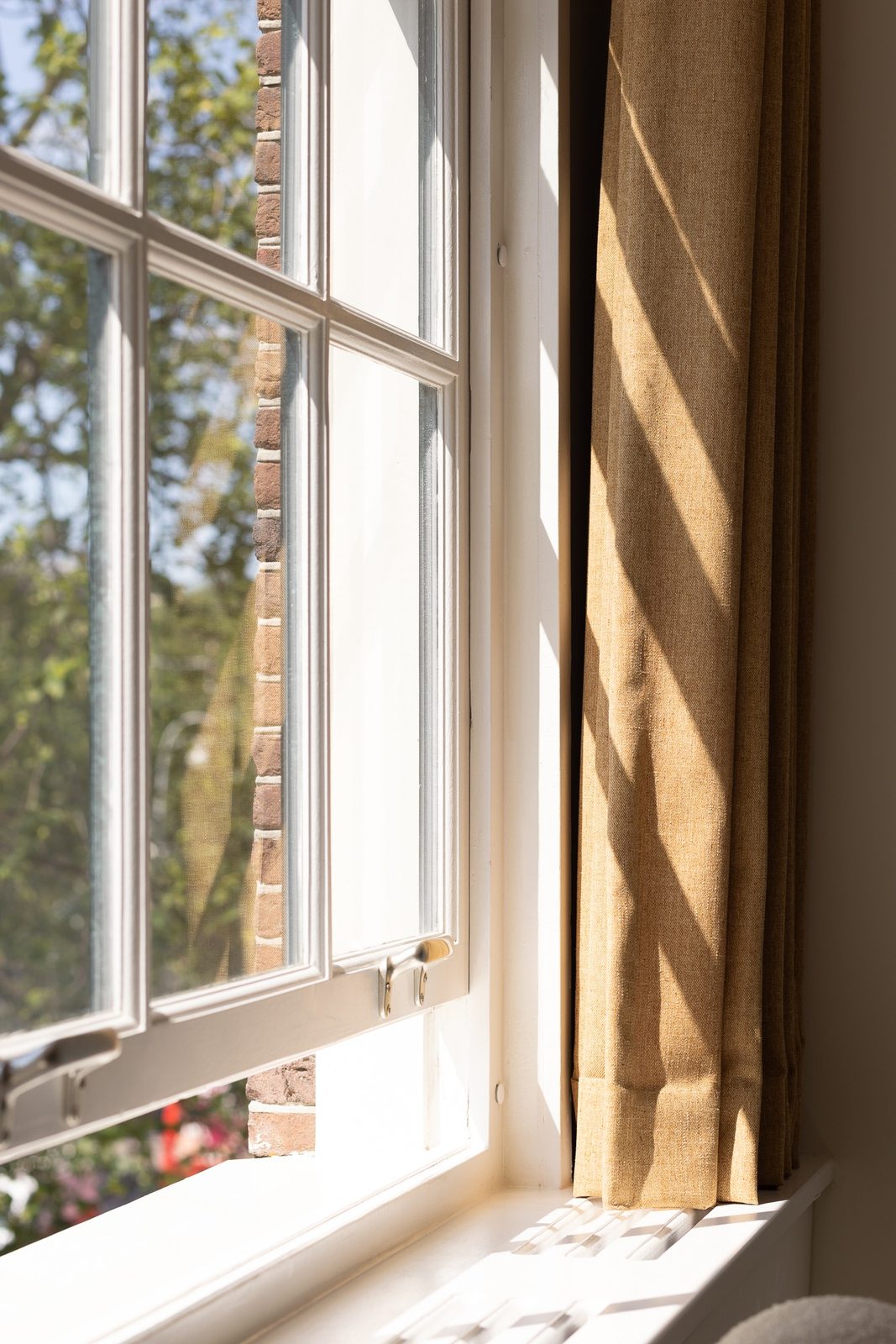
A sash is simply a single frame that holds the glazing. A traditional sliding sash window is made up of two sashes that slide up and down, one set in front of the other, running in vertical grooves within the box frame. In the classic arrangement each sash is counterbalanced by lead weights hung on cords, so the window stays open at whatever height you leave it and moves smoothly with very little effort.

Modern versions sometimes replace the weights and cords with spring balances, which allow for a slimmer box and can suit certain openings. Many contemporary sashes also tilt inwards, which makes cleaning the outer face far easier from inside the room. Understanding this basic anatomy helps when you are comparing quotes, because it tells you what mechanism you are being offered and whether it will match the character and operation of the windows you already have.

03

Getting the pane configuration right

Period sash windows traditionally carried multiple small panes held in place by slender glazing bars. The number and arrangement of those panes is one of the quickest ways to read the age of a building, and matching it correctly is central to a convincing restoration.

Georgian properties are typically defined by a six over six arrangement, meaning six panes in the upper sash and six in the lower. As glass manufacture improved through the nineteenth century, larger panes became possible and fashionable, so Victorian windows frequently moved to a simpler two over two design. Before you buy, look closely at what your property, and ideally its neighbours, originally had. A window that is beautifully made but wrong in its pane layout will still look out of place, and in a conservation area it may not be permitted at all.

04

Repair or replace: think carefully before ripping out

One of the most important pieces of advice we can offer is that existing sashes should always be repaired and waterproofed where that is genuinely possible, rather than automatically torn out and replaced. Original joinery is often better made and made from better timber than anything readily available today, and it forms part of the historic fabric that gives a period home its value.

Genuine timber remains the preferred material for listed and conservation properties for good reason. Wood is very durable and an excellent insulator, and if it is looked after properly a timber frame can last for centuries. Decayed sections can frequently be spliced out and replaced, cords and weights renewed, and draught‑proofing added, all while keeping the original character intact. Replacement is the right answer when frames are beyond economic repair or when a previous owner has already fitted unsympathetic units, but it should be a considered decision rather than a default.

This is also where the choice of maker matters. A joinery business that understands period windows will tell you honestly whether repair is viable, and will not push a full replacement simply because it is easier to price. If the only option you are offered is to strip everything out, it is worth seeking a second opinion.

Timber sash window installation advice: what to consider before you buy, Barnsbury Joinery
05

Glazing and modern building regulations

Glazing is one of the areas where old and new most often collide. Contemporary building regulations make single glazing difficult to specify for new construction, because of the energy performance standards that new windows have to meet. For a new‑build or a substantial new opening, you will usually be looking at a slim double‑glazed unit designed to sit within a traditional sash profile.

It is, however, often possible to install single glazed windows on many renovations, particularly where the property is listed or in a conservation area and the authentic appearance takes precedence. The right approach depends on the building, its status, and the balance you want to strike between historic accuracy and thermal comfort. Slim double glazing has improved enormously and can be almost indistinguishable from single glazing at a glance, so for many homeowners it offers a sensible middle ground. Discuss the options early, because the glazing decision affects the sightlines, the weight of the sash, and the counterbalancing.

06

Why timber remains the right material

It can be tempting to consider uPVC or aluminium alternatives on cost grounds, but for period and traditionally styled homes timber is almost always the better long‑term choice. Well‑maintained timber windows can last for generations, they can be repaired section by section rather than replaced as a whole, and they hold and reflect the character of the building in a way that plastic profiles cannot.

Timber also performs well thermally, and with modern paints and draught‑proofing it can be both comfortable and efficient. For listed buildings and conservation areas it is frequently the only material that will be approved. When you weigh up the cost of a project, it is worth thinking in terms of decades rather than years, because a properly made and maintained timber sash window is an investment in the fabric of the house.

07

How to spot a rogue trader

The sash window trade, like any specialist building trade, has its share of firms that cut corners. Because a good installation is expensive and disruptive to put right, it pays to be careful about who you hire. There are five signs worth watching for before you commit.

Knowledge. Take the time to research both the installation process and the company you are considering. A reputable installer will happily explain how the work will be done, what materials they use, and how they will protect the historic fabric of your home. Vague answers are a warning sign.

References. Ask for references and check independent online feedback. Genuine firms will have a track record and will be glad to point you to previous clients and completed projects you can look at.

Cheap deals. Be wary of pressure tactics such as limited‑time offers or prices that are only available if you sign today. These are designed to rush you into a decision before you have had the chance to compare properly. Good work is rarely the cheapest, and a quote that seems too good to be true usually is.

Premises. A reputable company will provide full business details, not just a mobile number. A verifiable address and landline, a registered company, and a proper trading history all suggest a firm that intends to be around if anything needs attention later.

Availability. Established firms with a strong reputation tend to be busy. If a company can start immediately and seems to have endless availability, ask yourself why. A short wait for the right maker is almost always better than an instant start with the wrong one.

08

Bringing it all together

Buying timber sash windows is a decision that rewards a little patience. Understand the history and anatomy of the window, get the pane configuration right for your property, and be honest about whether repair or replacement is the appropriate route. Think carefully about glazing in light of current regulations and the status of your building, and choose timber for its longevity and character. Above all, choose an installer whose knowledge, references, and conduct give you confidence.

At Barnsbury Joinery we offer a full design, manufacture, and installation service across London and the South East, and supply only for clients elsewhere in the UK. If you are planning a sash window project and want considered advice about the right approach for your home, we are always happy to talk it through.

Common questions

01

Should I repair or replace my original sash windows?

Wherever it is genuinely possible, original sashes should be repaired and waterproofed rather than replaced. Older joinery is often better made and made from better timber than modern equivalents, and it forms part of the historic fabric of a period home. Decayed sections can usually be spliced out, cords and weights renewed, and draught‑proofing added. Replacement makes sense only when frames are beyond economic repair or when previous unsympathetic work needs undoing.

02

Can I have single glazing in a new timber sash window?

Contemporary building regulations make single glazing difficult to specify for new construction because of the energy performance standards new windows must meet. It is, however, often possible to install single glazed windows on many renovations, especially in listed buildings and conservation areas where authentic appearance takes precedence. Slim double glazing is a common middle ground where thermal comfort matters.

03

What pane configuration should my sash windows have?

The right layout depends on the age and style of your property. Georgian homes are typically defined by a six over six arrangement, while Victorian windows commonly used a simpler two over two design as larger panes of glass became available. Matching the original configuration is important for both appearance and, in conservation areas, planning approval.

04

Why choose timber rather than uPVC for sash windows?

Timber is very durable and an excellent insulator, and a well‑maintained timber frame can last for centuries. It can be repaired section by section rather than replaced as a whole, and it holds the character of a period building in a way plastic cannot. For listed and conservation properties timber is frequently the only material that will be approved.

05

How do I avoid a rogue sash window installer?

Look for genuine knowledge of the process, ask for references and check independent feedback, and be wary of high‑pressure cheap deals with artificial deadlines. A reputable firm will provide full business details rather than just a mobile number, and will usually have a healthy amount of work on, so a short wait for the right maker is a good sign rather than a bad one.

Request a survey

Request a survey for your project, from a single commission to a whole scheme.

Request a survey

A studio of The Barnsbury Group

Barnsbury Joinery is the flagship studio of The Barnsbury Group, a second‑generation heritage joinery house. Established in London in 1987, it makes bespoke joinery by hand and carries the parent voice for the family of studios.