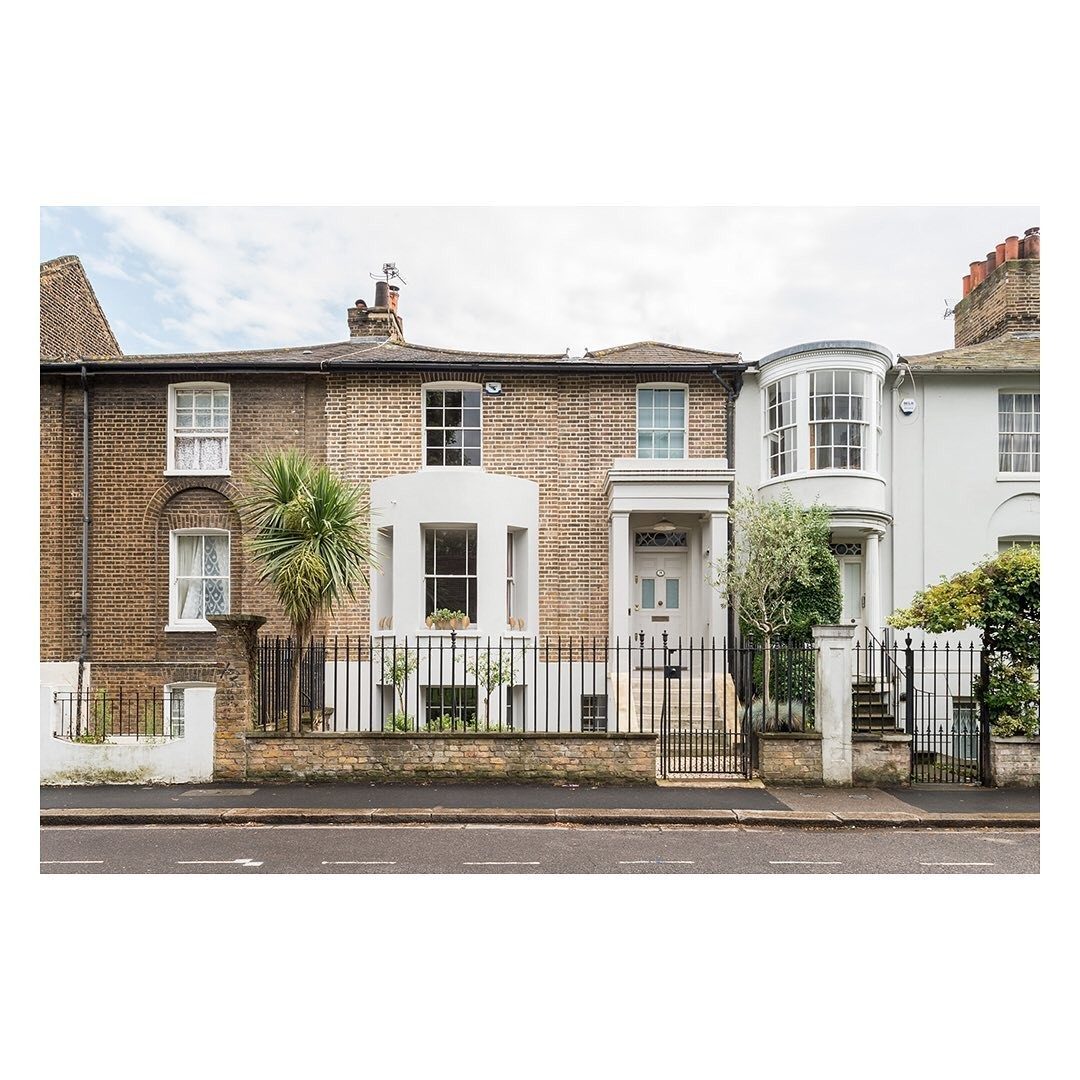
Barnsbury Joinery · Advice · 5 min read
01Advice · London studio51.5665° N, 0.1006° W
Advice · 5 min read

Double glazing for wooden sash windows: what is possible and what to expect

Can wooden sash windows take double glazing? Our guide covers slim‑profile units, heritage compatibility, energy savings and what to expect from the work.

One of the questions we are asked most often is whether the charm of a period home with wooden sash windows can be reconciled with the comfort of double glazing. The short answer is yes. With the right approach, original timber sashes can hold slim double‑glazed units that cut draughts, dampen noise and lift thermal performance, all without stripping a building of its character.

This guide explains how double glazing for wooden sash windows actually works, where the practical limits lie, and what a considered installation looks like. It is written for owners of period and listed properties who want the warmth of a modern window without losing the proportions, glazing bars and hand‑crafted detail that make a sash window worth keeping in the first place.
01

Can wooden sash windows really take double glazing?

It is a fair question, because the sash windows in most Georgian, Victorian and Edwardian homes were never designed with sealed glazing units in mind. The good news is that wooden sash windows and double glazing can coexist very happily. The key is slim‑profile double glazing that integrates with the original design rather than fighting against it.

Modern slim units are a long way from the bulky sealed glass of a few decades ago. A typical heritage unit is only around 11 to 14mm thick, which allows it to sit within a timber sash without forcing the frame to swell or the glazing bars to thicken beyond what looks right. In many cases the difference is barely perceptible from the street, yet the comfort inside the room is transformed.

There are two broad routes. The first is retaining and upgrading your existing sashes, deepening the rebate so a slim unit can be fitted into the original timber. The second is a like‑for‑like replacement sash, built as a new timber window to the exact profile of the old one but designed from the outset to carry a double‑glazed unit. Which route suits you depends on the condition of the existing joinery and the constraints of the property.

02

Heritage compatibility: preserving character while upgrading

For owners of historic homes, the fear is usually the same: that upgrading the glass will coarsen the look of the window. Handled well, it need not. The details that carry the character of a sash window are the slenderness of the glazing bars, the depth of the reveals, the run of the meeting rails and, on older properties, the gentle irregularity of the glass itself.

Slim double glazing lets us keep those proportions intact. Where glazing bars are part of the design, units can be made with true divided sections or with bars bonded to the glass so the rhythm of the facade is unchanged. On homes where the original crown or cylinder glass gave a soft, slightly rippled reflection, restoration glass can be specified within the sealed unit to echo that quality rather than presenting a flat modern sheet.

If your property is listed or sits within a conservation area, the glazing you choose is not only an aesthetic decision, it is a planning one. Listed building consent is often required before glass or sashes are altered, and local authorities vary in what they will permit. We always recommend confirming the position with your conservation officer early, because it shapes which of the two routes above is open to you.

Double glazing for wooden sash windows: what is possible and what to expect, Barnsbury Joinery
03

Navigating the challenges and common misconceptions

A common worry is that fitting double glazing means damaging sound original joinery. In practice, good work is the opposite of destructive. Advances in slim, energy‑efficient units mean glass can be fitted snugly within existing sash frames, and where timber has decayed we splice in matching sections rather than discarding the whole window. The aim is always to conserve as much of the original fabric as the condition allows.

Another misconception is that any double glazing will look obviously modern. That is only true when the wrong unit is specified. The visual impact comes down to the sightline, the thickness of the spacer bar between the panes and the reflectivity of the glass. Choose a warm‑edge spacer in a discreet colour, a slim overall unit and, where appropriate, restoration glass, and the window reads as period‑correct.

It is also worth being realistic about weight. Double‑glazed units are heavier than single glass, which means the sash cords and weights that balance the window usually need rebalancing or replacing so the sashes still glide and stay where you set them. This is routine work, but it is part of why a proper installation is more than simply swapping the glass.

04

The green perspective: energy efficiency and sustainability

Comfort is the reason most people start the conversation, but the environmental case is just as strong. Single‑glazed sashes lose a great deal of heat, and double glazing markedly reduces that loss. Warmer rooms mean the heating works less hard, which lowers both energy bills and the carbon footprint of the home over the years that follow.

There is a wider sustainability argument too. Repairing and upgrading existing timber windows keeps sound, slow‑grown joinery in use rather than sending it to landfill and replacing it with new material. A well‑maintained wooden sash window can last for generations, so upgrading rather than ripping out is usually the greener choice as well as the more sympathetic one.

Draught‑proofing is the natural companion to double glazing here. Sealing the gaps around the sashes as part of the same job removes the cold air movement that makes a room feel chilly even when the glass performs well, so the two upgrades together deliver far more than either would alone.

05

What to expect from the work with Barnsbury Joinery

Every sash window and every building is a little different, so we begin by looking at the actual condition of your joinery, the profiles that need matching and any conservation constraints that apply. From there we can advise whether upgrading your existing sashes or making faithful replacements is the better path for your home.

We are a joinery studio based in north London, and we craft each sash to suit the specific property rather than working to a fixed catalogue. For clients in London and the South East we offer a full service, from assessment through to fitting and finishing. Across the rest of the UK we work on a supply‑only basis, making sashes and units to your measurements and profiles for installation by your own joiner or builder.

If you are weighing up double glazing for wooden sash windows and want to understand what is realistic for your property, you are welcome to get in touch at info@barnsburyjoinery.com. We are happy to talk through the options and the likely approach before you commit to anything.

Common questions

01

Can you fit double glazing into original wooden sash windows?

In many cases, yes. If the timber is sound, the existing rebate can often be deepened to take a slim double‑glazed unit, keeping your original sashes. Where the joinery has decayed beyond repair, we make faithful replacement sashes to the same profile that are built to carry a double‑glazed unit from the outset.

02

Will double glazing spoil the look of my period sash windows?

It should not, provided the right unit is specified. Slim‑profile glazing, a discreet warm‑edge spacer, correctly proportioned glazing bars and, where appropriate, restoration glass allow the window to keep its period appearance while performing far better thermally.

03

Do I need permission to double glaze sash windows in a listed building?

Often, yes. Altering the glass or sashes of a listed building, or of a property in a conservation area, can require listed building consent or planning approval. We recommend speaking to your local conservation officer early, as it influences whether upgrading or replacing your sashes is the right route.

04

How much energy will double glazing save on sash windows?

Single‑glazed sashes lose a great deal of heat, and double glazing significantly reduces that loss, so rooms hold warmth better and the heating works less hard. Combining the glazing with draught‑proofing the sashes delivers the most noticeable improvement in both comfort and running costs.

05

Do you install sash windows outside London?

We offer a full service, including fitting, across London and the South East. For the rest of the UK we work supply‑only, crafting sashes and slim double‑glazed units to your measurements and profiles for installation by your own joiner or builder.

Request a survey

Request a survey for your project, from a single commission to a whole scheme.

Request a survey

A studio of The Barnsbury Group

Barnsbury Joinery is the flagship studio of The Barnsbury Group, a second‑generation heritage joinery house. Established in London in 1987, it makes bespoke joinery by hand and carries the parent voice for the family of studios.