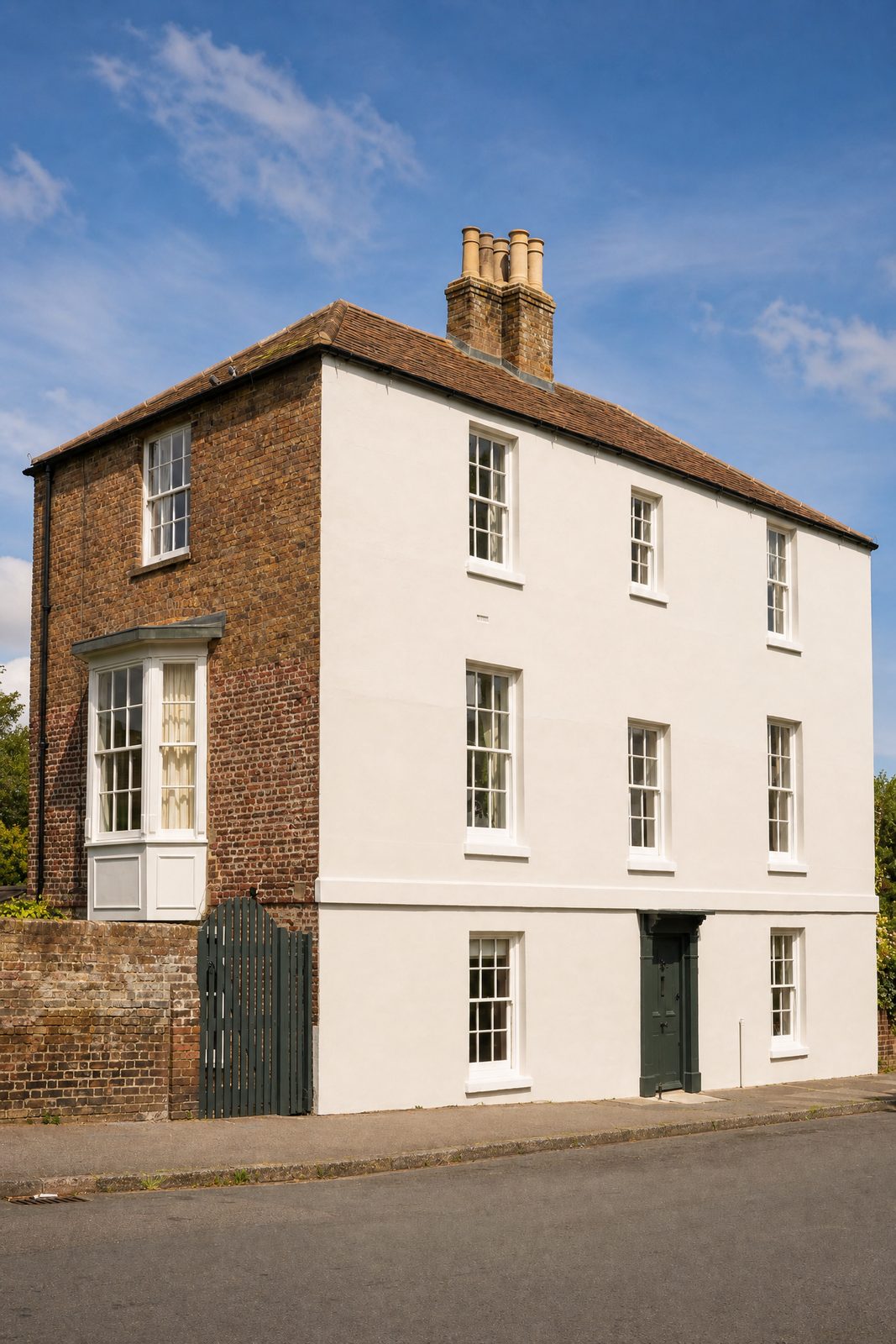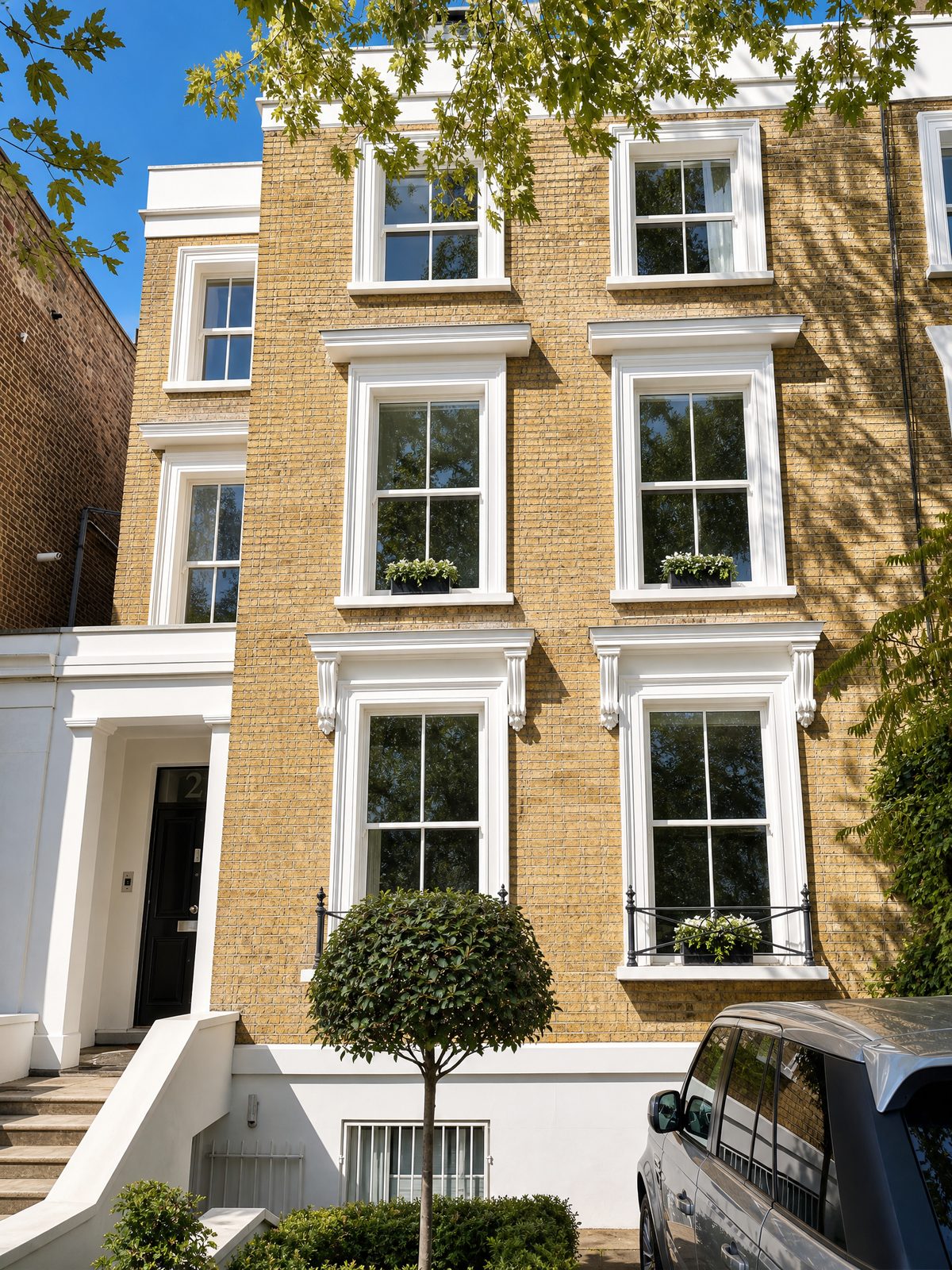
Conserving Historic Windows in London and Listed Homes
- Barnsbury Joinery

- Jan 4
- 3 min read
Historic timber windows are a defining feature of many London and Hertfordshire period properties. Whether part of a Georgian townhouse, a Victorian terrace, or a Grade II listed building, original windows contribute significantly to architectural character and heritage value. Conserving these windows requires a careful, informed approach that prioritises repair over replacement, respects traditional materials, and complies with conservation guidance.
Professional Assessment Comes First When Conserving Historic Windows in London
Effective historic window conservation always begins with a professional assessment. Many original timber windows that appear beyond repair can, in fact, be restored successfully by specialists experienced in heritage joinery.
A detailed survey will typically assess:
The condition of timber frames and sashes
Areas of decay or previous inappropriate repairs
Glazing type and putty condition
Operational issues such as sticking sashes or failed cords
This assessment helps determine whether repair, partial replacement, or like-for-like replacement is the most appropriate and conservation-compliant solution.
Repair Rather Than Replacement
Conservation best practice strongly favours repair over wholesale replacement wherever possible. Repairing historic windows allows original fabric to be retained, preserving authenticity and avoiding unnecessary loss of heritage material.
Common repair techniques include:
Splicing or repairing decayed timber sections
Overhauling sash mechanisms and replacing cords
Reglazing using traditional or visually matching glass
Repairing putty and paint finishes using breathable systems
These methods restore functionality while maintaining the window’s original appearance and craftsmanship.

Using Traditional and Appropriate Materials
Where repairs or replacements are required, the use of traditional materials and methods is essential. Timber profiles, glazing bars, mouldings, and joinery details must match the original design precisely.
Using inappropriate modern materials can harm both the appearance and performance of historic windows and may lead to refusal of planning or listed building consent. Skilled heritage joiners understand how to replicate historic details while ensuring long-term durability.
Improving Energy Efficiency Sensitively
Improving thermal performance does not have to come at the expense of character. In historic and listed buildings, energy efficiency upgrades must be reversible and visually discreet.
Common conservation-approved improvements include:
Draught-proofing sash windows
Repairing gaps and improving window operation
Secondary glazing systems installed internally
Careful reglazing using appropriate glass where permitted
These measures significantly improve comfort, reduce heat loss, and enhance usability while preserving the original windows.
Maintenance Is Key to Longevity
Regular maintenance is one of the most effective ways to extend the life of historic windows. Simple measures such as repainting, clearing drainage paths, and addressing minor timber issues early can prevent more serious deterioration.
Planned maintenance reduces the likelihood of costly repairs and helps retain original features for future generations.
Conservation Areas, Listed Buildings, and Consent
In conservation areas or listed buildings, window works are often subject to strict controls. Planning permission or listed building consent is frequently required, particularly where:
Windows are being replaced rather than repaired
Changes affect external appearance
Article 4 Directions remove permitted development rights
Consulting the local conservation officer early in the process is strongly advised. Working with specialists experienced in historic window conservation ensures proposals are appropriate, well-justified, and more likely to gain approval.
The Importance of Using Experienced Specialists
Historic window conservation is a specialist discipline. Engaging craftspeople with proven experience in listed buildings and conservation areas is essential to achieving compliant, high-quality results.
Experienced heritage joiners understand:
Conservation principles and planning requirements
Traditional construction techniques
How to balance repair, performance, and authenticity
This expertise protects both the building’s character and the homeowner’s investment.
Preserving Character While Enhancing Performance
With the right approach, historic windows can be conserved, repaired, and improved without compromising their architectural significance. By prioritising repair, using appropriate materials, enhancing energy efficiency sensitively, and following conservation guidance, homeowners can ensure their windows continue to perform — and look — as intended.
Barnsbury Joinery specialises in the conservation, repair, and sensitive replacement of historic timber windows for listed buildings and conservation areas across London and Hertfordshire.


Comments