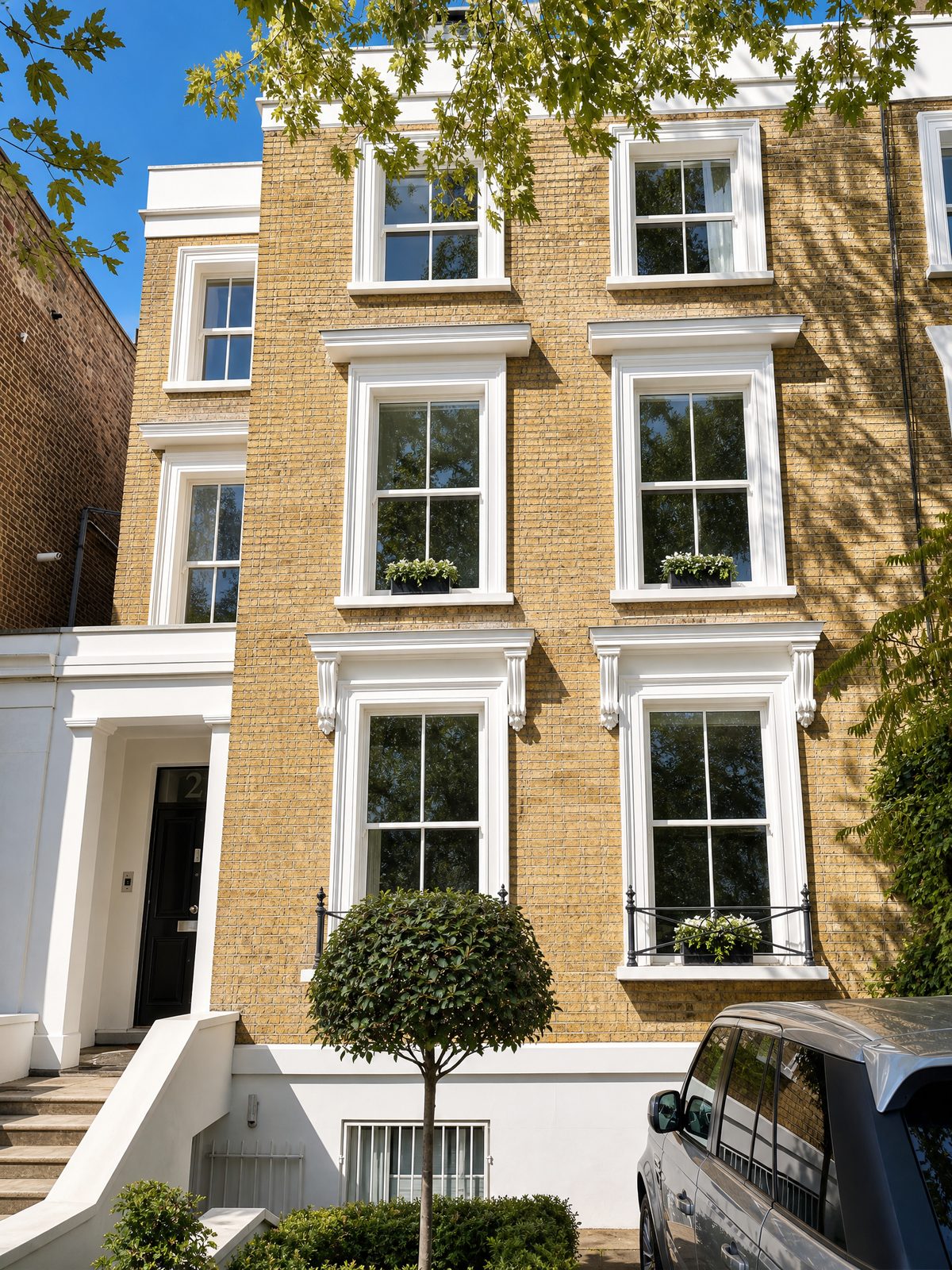
Barnsbury Joinery · Advice · 6 min read
01Advice · London studio51.5665° N, 0.1006° W
Advice · 6 min read

Unlocking the charm of period window replacement: a guide for UK homeowners

A practical guide to period window replacement in the UK: keeping heritage looks, improving insulation, choosing timber, and navigating planning rules.

There is something quietly reassuring about a period home. The soft glow of morning light filtering through original panes, the proportions of a Georgian sash, the deep reveals of a Victorian bay: these are the details that give older houses their character. Yet the same windows that define a period property are often the ones letting you down, with draughts, rattles, sticking sashes and rising heating bills. Period window replacement is the art of resolving those problems without erasing the charm that made you fall for the house in the first place.

This guide walks UK homeowners through what period window replacement really involves, from matching original detailing and choosing the right materials to understanding conservation rules and getting the most from your investment. Whether you own a listed townhouse, a house in a conservation area or a well‑loved terrace with tired timber, the aim is the same: windows that look right, perform well and last for decades.
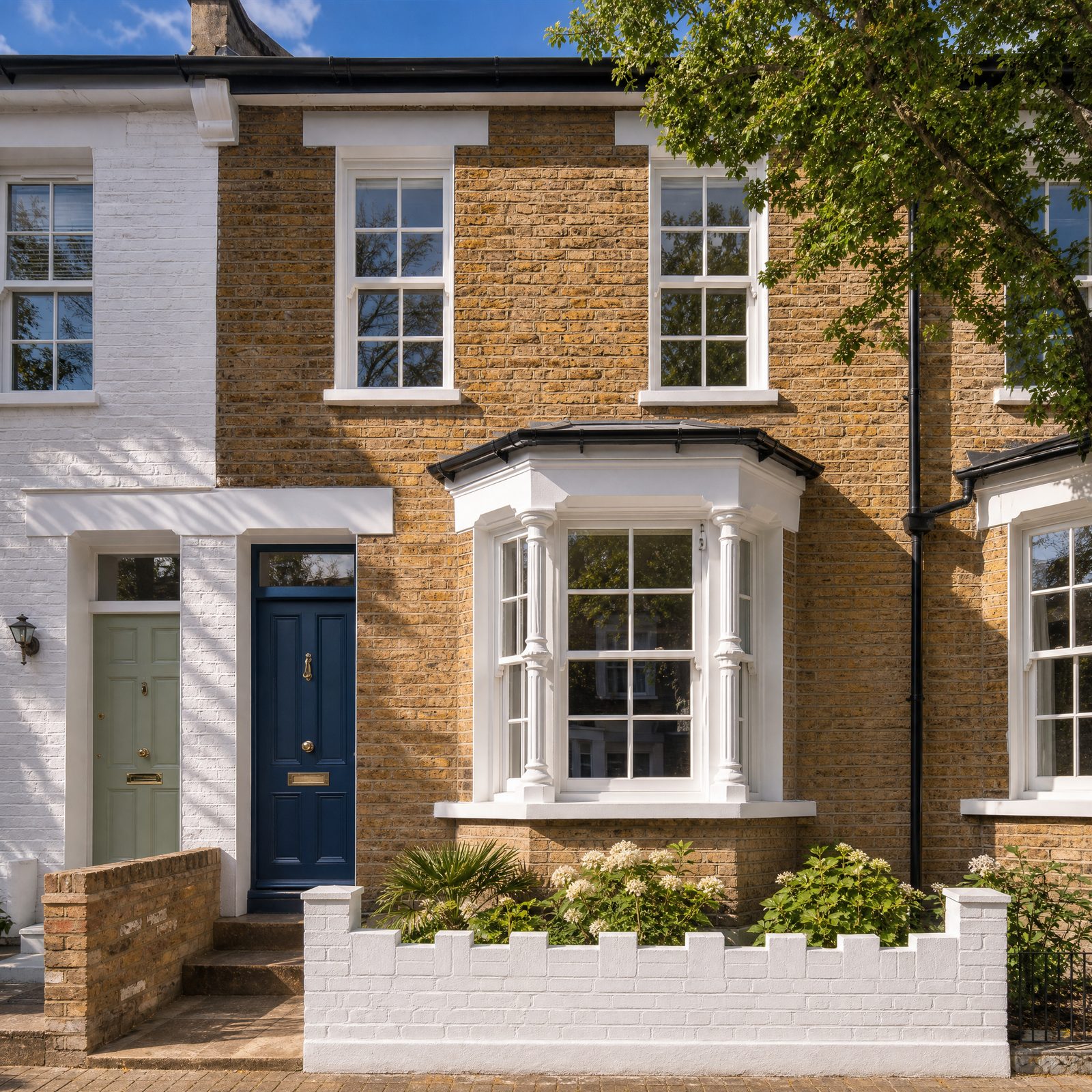
01

What period window replacement actually means

Period window replacement is not simply about ripping out old frames and dropping in modern units. Done properly, it is a considered process of renewing or recreating windows so they honour the age and style of the building while quietly bringing in the comfort and efficiency modern living demands. In many cases the most sympathetic route is repair and draught‑proofing rather than wholesale replacement, and a good joinery studio will always tell you when an original window is worth saving.

When replacement is the right answer, the goal is faithful reproduction. That means recreating the sightlines, glazing bar profiles, horns, sash proportions and mouldings of the original, so the new window reads as authentic from both the street and the room. The difference between a sympathetic replacement and a jarring one usually comes down to these small details: the width of a glazing bar, the depth of a cill, the way the light catches slightly imperfect glass.

At Barnsbury Joinery, every window we make is drawn from the property it is destined for. We measure, photograph and reference the surviving joinery so that the replacement carries the same lines as the original, whether that is a six‑over‑six Georgian sash, a two‑over‑two Victorian pane or a leaded casement.

02

Preserving heritage while gaining modern performance

Traditional sash and casement windows are a hallmark of British architecture, but age takes its toll. Decades of paint layers, movement in the timber and worn cords leave many original windows draughty, rattly and thermally poor. The instinct to swap them for standard uPVC units is understandable, but it almost always strips a period home of its character and can devalue it.

Period window replacement offers a better balance, marrying heritage aesthetics with genuinely modern functionality. Slimline double glazing is the key that unlocks this. Purpose‑made slim double‑glazed units can sit within traditional timber sashes, retaining the authentic look of the window while significantly improving insulation and soundproofing. You keep the elegant profiles and the play of light through the glass, but lose the draughts and the noise.

The comfort gains are tangible. A well‑made replacement sash with modern seals and slim glazing dramatically reduces heat loss, cuts down on street noise and eliminates the cold spots that plague single‑glazed period rooms. For homes on busy London roads, the acoustic improvement alone is often reason enough to invest.

03

Tailored solutions for every period property

No two period properties are alike. Each has its own character and architectural quirks, from the subtle taper of a Georgian glazing bar to the ornate mouldings of a high Victorian bay or the arts and crafts detailing of an Edwardian villa. Off‑the‑shelf windows cannot honour that individuality, which is why bespoke joinery matters so much for older homes.

A tailored approach means the replacement is built to replicate period details precisely, from decorative glazing bars to intricate mouldings, run‑through horns and traditional cill profiles. Ironmongery is chosen to suit the era too, whether that is a brass fitch fastener, a period sash lift or a Victorian pulley. These finishing touches are what make a replacement window feel like it has always belonged.

Because we make windows to order, we can also solve the awkward problems that older houses throw up: out‑of‑square openings, settled walls, non‑standard reveals and one‑off shapes such as arched heads or margin lights. Nothing is forced to fit a catalogue size.

Unlocking the charm of period window replacement: a guide for UK homeowners, Barnsbury Joinery
04

Choosing the right materials for longevity

Material choice is where a period window replacement is won or lost over the long term. Timber remains the natural choice for period properties, both for authenticity and because it can be shaped into the fine profiles that older windows demand. The question is which timber, and how it is engineered.

Engineered timber offers the timeless charm of wood with enhanced resistance to rot and warping. By laminating carefully selected sections, engineered timber stays straighter and more stable than a single piece of solid wood, which means the sashes continue to run smoothly and the joints stay tight for far longer. Paired with modern factory finishing and quality paint systems, a well‑specified timber window can last for generations with only modest upkeep.

Traditional joints, breathable finishes and correctly detailed drainage all play their part. Good joinery is as much about what you cannot see as what you can: the way water is shed away from vulnerable end grain, the way the sash is balanced, the quality of the seals hidden in the meeting rail.

05

Planning, conservation areas and listed buildings

Before commissioning any period window replacement, it is worth understanding the rules that may apply to your home. Many period properties sit within conservation areas, and some are individually listed. In both cases there can be restrictions on what you are allowed to change, and unsympathetic alterations can lead to enforcement action.

In a conservation area, replacement windows usually need to match the originals closely in material, design and operation, which is exactly where faithful timber joinery comes into its own. For listed buildings, listed building consent is generally required before any windows are altered or replaced, even on a like‑for‑like basis. Your local authority conservation officer is the definitive source, and it is always sensible to check before work begins.

We routinely make windows to conservation‑area and listed‑building standards, and we are happy to supply the drawings and specifications that support a consent application. Getting the paperwork right protects both your home and your investment.

06

Getting the most from your investment

Period window replacement is a meaningful investment, so it pays to think beyond the initial outlay. Sympathetic, well‑made timber windows protect and often enhance the value of a period home, where poorly chosen replacements can do the opposite. Buyers of older houses actively look for retained or faithfully recreated original features, and windows are among the most visible of all.

There are running costs to weigh too. Improved insulation and draught‑proofing reduce heating bills year after year, while modern finishes keep maintenance to a minimum. A repaint every decade or so, along with occasional attention to seals and moving parts, is usually all that is needed to keep the windows performing beautifully.

The most reliable way to get value is to work with a joinery studio that treats each project on its own terms, understands period detailing and stands behind its work. That combination of craftsmanship and care is what turns a set of new windows into a lasting improvement to your home.

07

How Barnsbury Joinery can help

Barnsbury Joinery is a joinery studio based in north London, specialising in period windows and doors for older homes. We design, make and finish bespoke timber sash and casement windows tailored to each property, from single replacement sashes to whole‑house schemes.

We offer a full service across London and the South East, handling everything from initial measurement and design through to manufacture, installation and finishing. For homeowners elsewhere in the UK, we provide a supply‑only service, delivering made‑to‑measure period windows ready for a local installer to fit.

If you are weighing up period window replacement for your home, we are glad to talk through the options, the detailing and the practicalities, so you end up with windows that look right, work well and honour the character of your property.

Common questions

01

Can I replace period windows if my house is in a conservation area?

Usually yes, but replacements generally need to match the originals closely in material, design and operation. Faithful timber joinery is normally acceptable, while uPVC often is not. Check with your local authority conservation officer before commissioning work, as requirements vary between areas.

02

Do I need listed building consent to replace windows in a listed home?

In most cases, yes. Altering or replacing windows in a listed building typically requires listed building consent, even for like‑for‑like work. Speak to your local conservation officer before starting, and be prepared to supply drawings and specifications. We can provide the documentation needed to support an application.

03

Can double glazing be fitted into traditional sash windows?

Yes. Slimline double‑glazed units are made specifically to sit within traditional timber sashes, so you keep the authentic look and slender sightlines of a period window while gaining much better insulation and soundproofing. It is one of the most popular routes to comfort without compromising character.

04

How long do timber period windows last?

Well‑made timber windows, especially those using stable engineered timber and quality paint systems, can last for generations. With a repaint roughly every decade and occasional attention to seals and moving parts, they remain both attractive and high‑performing for a very long time.

05

Do you work outside London and the South East?

We offer a full design, make and install service across London and the South East. For the rest of the UK we provide a supply‑only service, making period windows to measure and delivering them ready for a local installer to fit.

Request a survey

Request a survey for your project, from a single commission to a whole scheme.

Request a survey

A studio of The Barnsbury Group

Barnsbury Joinery is the flagship studio of The Barnsbury Group, a second‑generation heritage joinery house. Established in London in 1987, it makes bespoke joinery by hand and carries the parent voice for the family of studios.