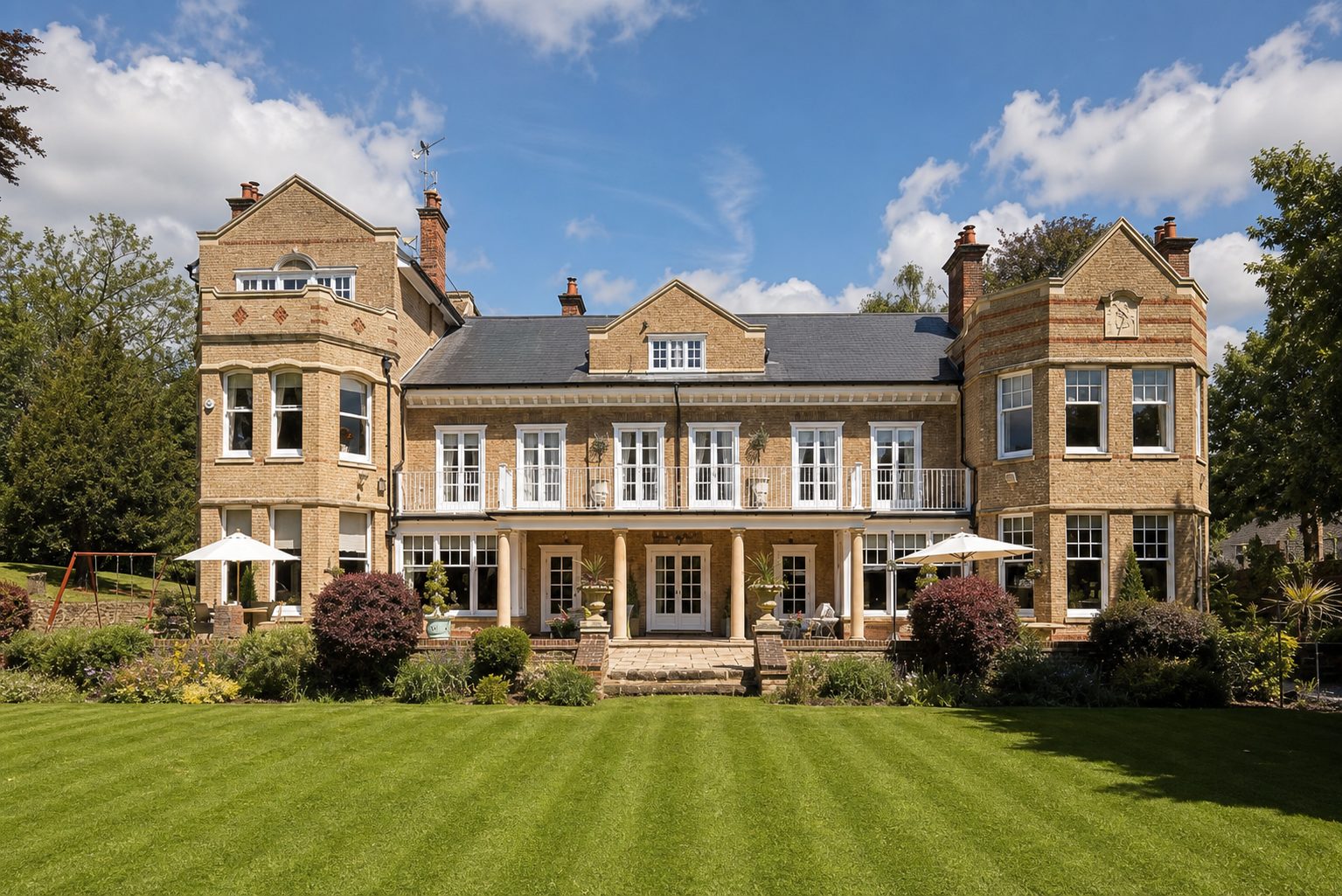
Islington conservation area sash windows
Specialist restoration and bespoke manufacture of Islington conservation area sash windows. Conservation‑grade timber joinery for period and listed homes.
Barnsbury Joinery restores and manufactures heritage timber sash windows for homes across Islington's conservation areas. We work alongside homeowners, architects and conservation officers to protect the architectural character of period and listed buildings, while quietly improving the way each window performs against draughts, damp and everyday wear.
Islington holds one of London's richest concentrations of Georgian, Victorian and Edwardian housing, much of it within designated conservation areas such as Barnsbury, Canonbury, Highbury and the borders of Clerkenwell. Windows in these streets are subject to careful planning control, and the details matter: proportions, glazing bars, sight‑lines and the way a sash sits within its box frame. Our approach is built around getting those details right, so that repaired and replacement windows read as original to the eye and satisfy the requirements of the local authority.
Working within Islington's conservation areas
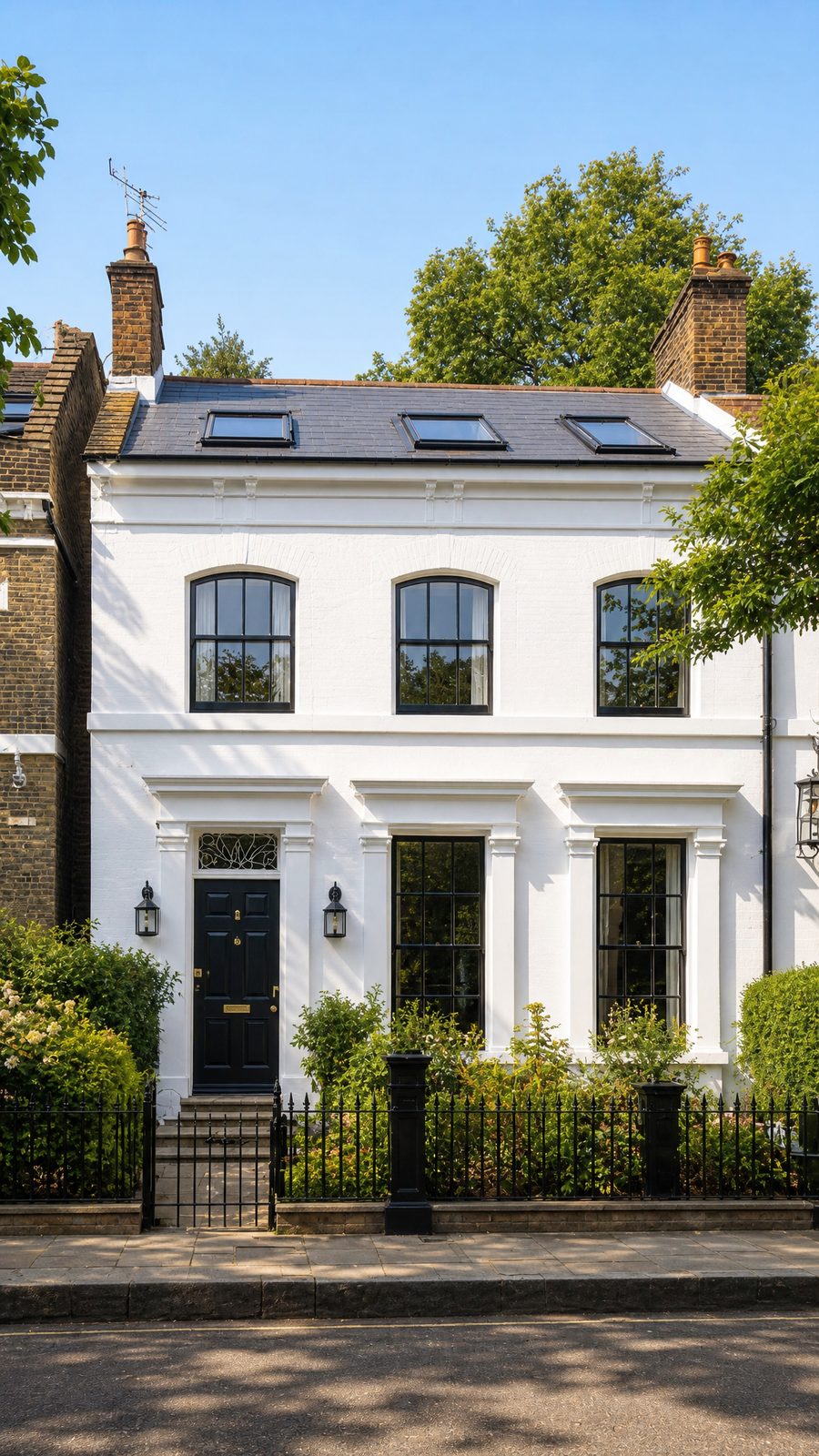
A conservation area designation exists to protect the special architectural and historic interest of a place, and in Islington that protection is taken seriously. Much of the borough sits within a network of conservation areas, and many individual properties are also listed. For a homeowner, this means that the windows facing the street are rarely a purely private decision: their design, materials and appearance are part of the wider character that the designation is there to preserve.
In practice, the local authority will usually expect that any repair or replacement matches the original design and proportions, uses timber rather than uPVC, retains historic glazing bars and slender sight‑lines, and preserves the street‑facing appearance of the elevation. These are not obstacles so much as a shared standard, and they are exactly the standard we build to. Whether you are restoring a single bay in Barnsbury or reworking a full run of sashes in a Canonbury terrace, we treat the conservation area guidance as the starting point of the specification rather than an afterthought.
We are used to preparing the kind of information that supports a planning or listed building application, including clear descriptions of profiles, glazing arrangements and the joinery methods proposed. Where a conservation officer needs reassurance that a scheme will respect the historic fabric, we can speak to that directly, because the work we carry out is designed to meet it.
Sash window restoration for period and listed homes
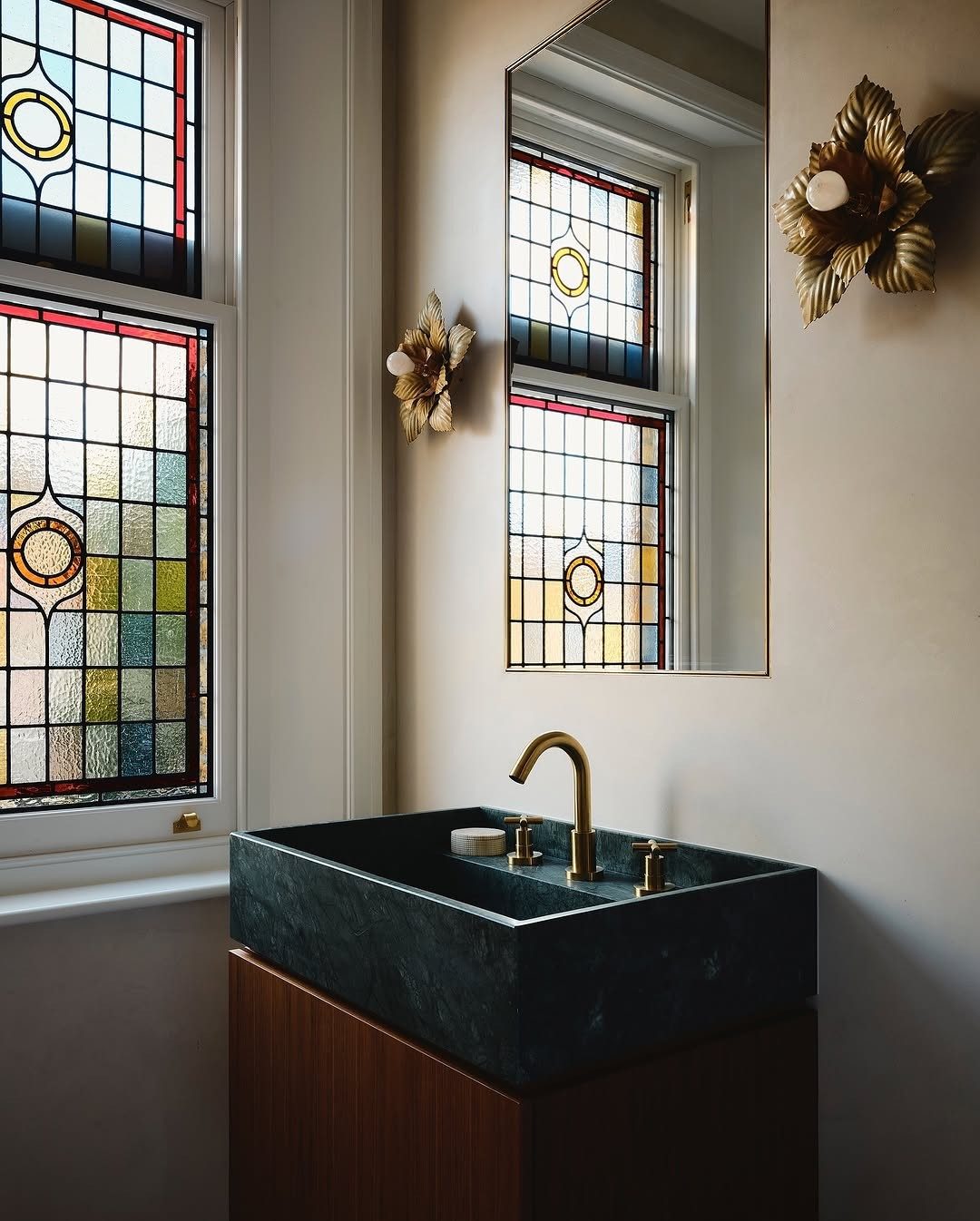
Wherever an original window can be saved, restoration is almost always the right course for a period property. Timber sash windows built a century or more ago were made from slow‑grown, dense timber that, once properly repaired, will outlast most modern replacements. Restoration also retains the original glass, the patina of the joinery and the small irregularities that give an old elevation its life, all of which are difficult to reproduce and impossible to fake convincingly.
Our restoration work covers the full range of problems that afflict older sashes: decayed cills and bottom rails, failed or painted‑shut mechanisms, broken sash cords, worn pulleys, split glazing bars and frames that have dropped or racked over time. We carry out careful splice repairs and timber replacement where sections have rotted, re‑cord and rebalance the sashes so they glide and hold at any height, and overhaul the staff beads and parting beads so the window closes cleanly. Draught‑proofing can be integrated discreetly into the restoration, cutting rattle and heat loss without altering the visible lines of the window.
The result is a window that looks entirely in keeping with the age of the house, works as it was designed to, and is set up to last for decades rather than years. For listed buildings in particular, this fabric‑first approach is usually the outcome that conservation officers and owners both prefer.
Bespoke timber sash windows made to match
Some windows are simply too far gone to save, or were lost to unsympathetic replacement in earlier decades. In these cases we manufacture new timber sash windows to order, replicating the original profiles, glazing patterns and joinery techniques so that the replacement is indistinguishable from a well‑kept original.
Many of Islington's homes were built long before modern building standards, and their windows carry proportions and mouldings that off‑the‑shelf products cannot match. Every window we make is drawn from the specifics of the opening it will fill, from the section of the glazing bars to the depth of the box frame and the profile of the horns. We use durable, sustainably sourced timber, traditional jointing and paint systems chosen for longevity, so that a new window sits comfortably within a protected elevation and holds up to the London climate.
Where the guidance allows it, slimline double glazing can be incorporated into a conservation specification, improving thermal and acoustic comfort while keeping the slender sight‑lines that a heavier modern unit would ruin. We will always advise on what is appropriate for your particular property and its conservation area, rather than applying a single solution to every job.
Heritage glazing and conservation detailing
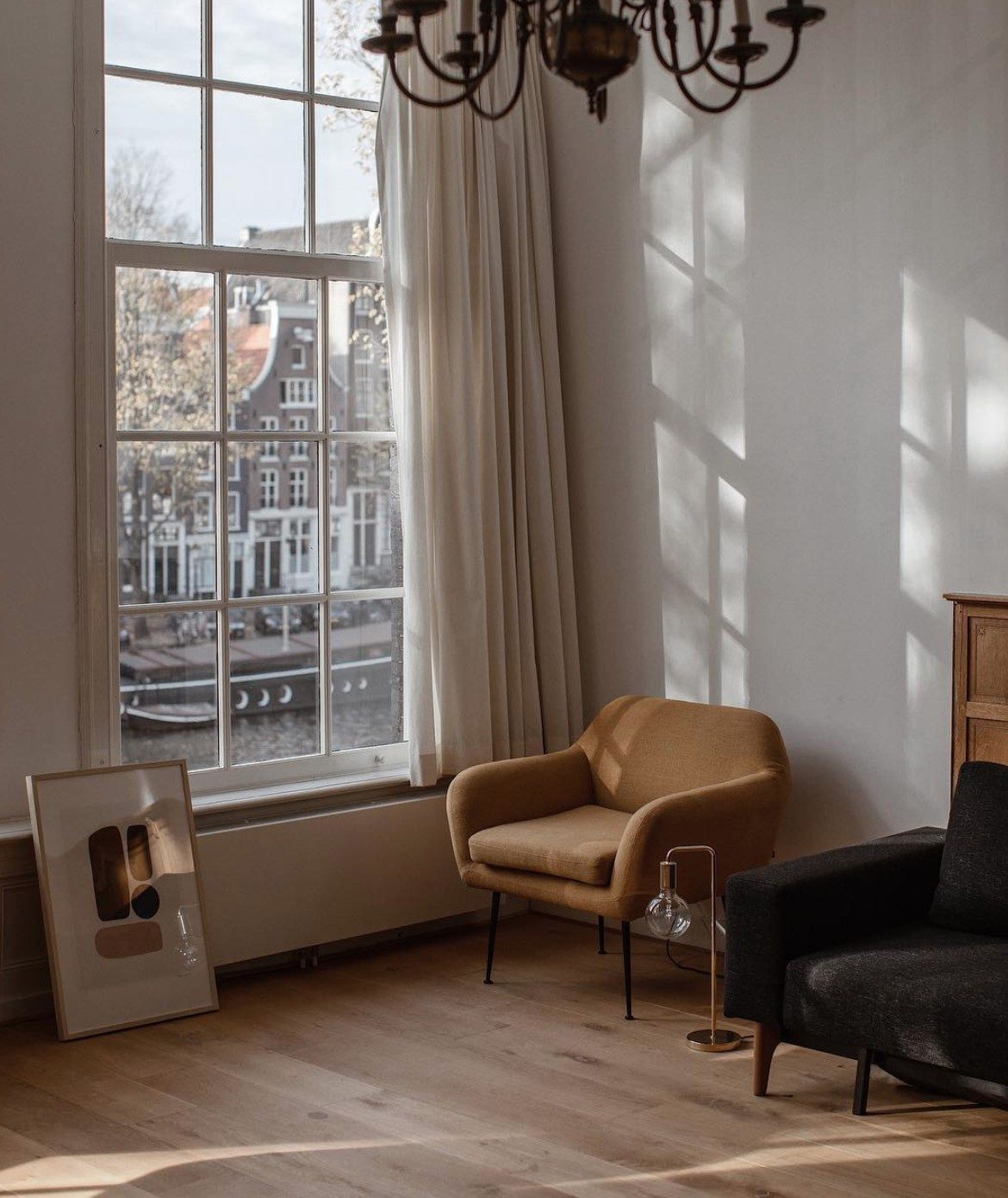
Glazing is often where a sensitive scheme is won or lost. The wrong glass, or a clumsy glazing bar, can flatten the character of a whole facade, while the right choice preserves the gentle reflections and shadow lines that mark out a genuine period window. We work with heritage glass options and slimline units that respect these qualities, and we detail glazing bars so they carry the correct proportions rather than the chunky sections common in mass‑produced joinery.
This attention extends to the whole window: the way a sash meets the frame, the crispness of the mouldings, the finish of the paintwork and the ironmongery. It is the accumulation of these details that allows restored and newly made windows to disappear into a protected streetscape, which is precisely the outcome that conservation area status is intended to protect.
Areas we cover in and around Islington
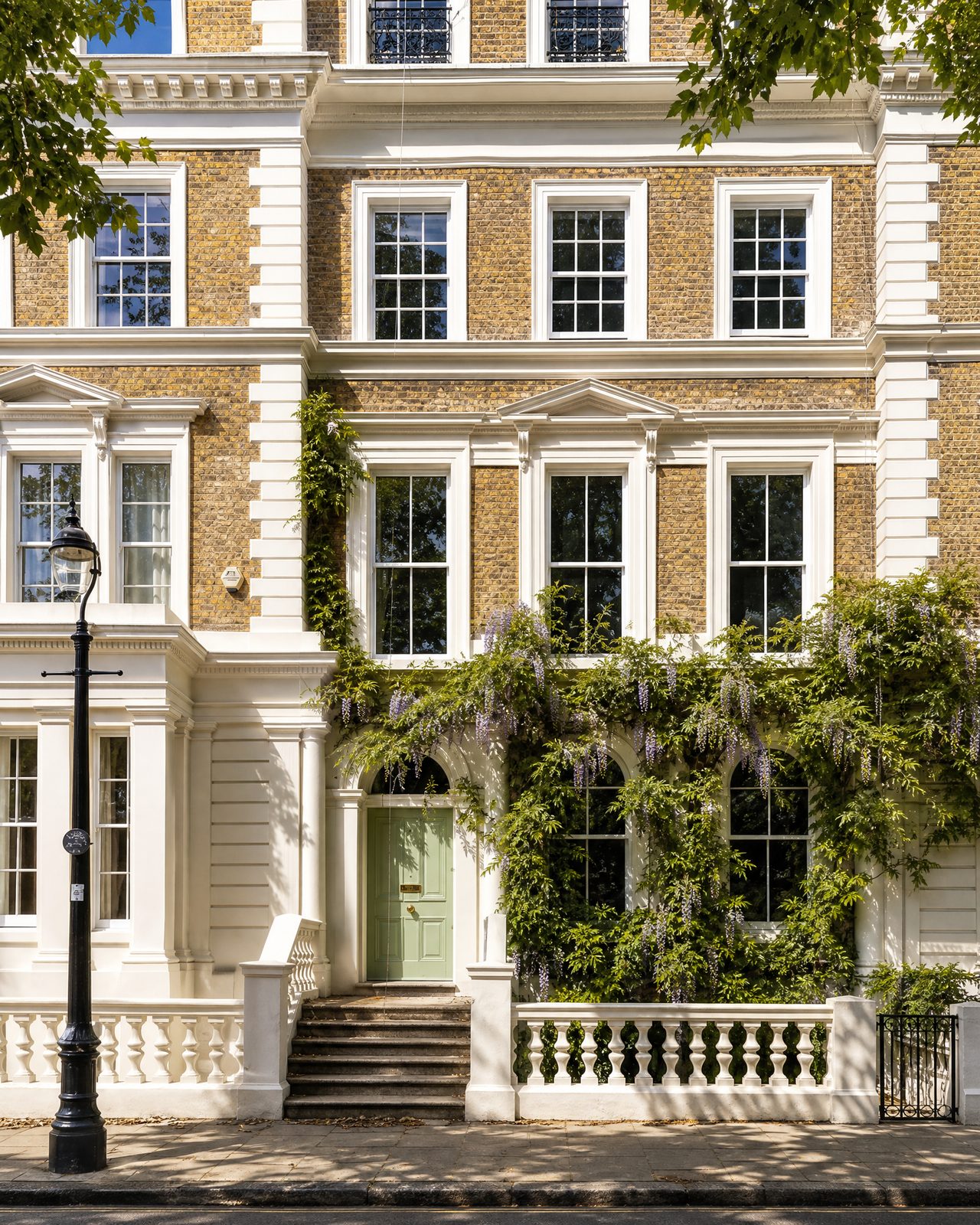
We regularly work throughout Islington and its conservation areas, including Barnsbury, Canonbury, Highbury, Angel and the Clerkenwell borders, as well as the surrounding North London neighbourhoods. Our specialist sash window restoration and manufacture is available to homeowners, architects and property professionals across these areas and the wider capital.
Because so much of Islington's housing is of a similar period and construction, we understand the recurring challenges of these terraces and villas, from dropped sashes and decayed cills to the planning sensitivities that come with a protected setting. If your property sits within an Islington conservation area, or is listed, we can tailor a scheme that respects both the fabric and the guidance that governs it.
Why owners of period homes choose us
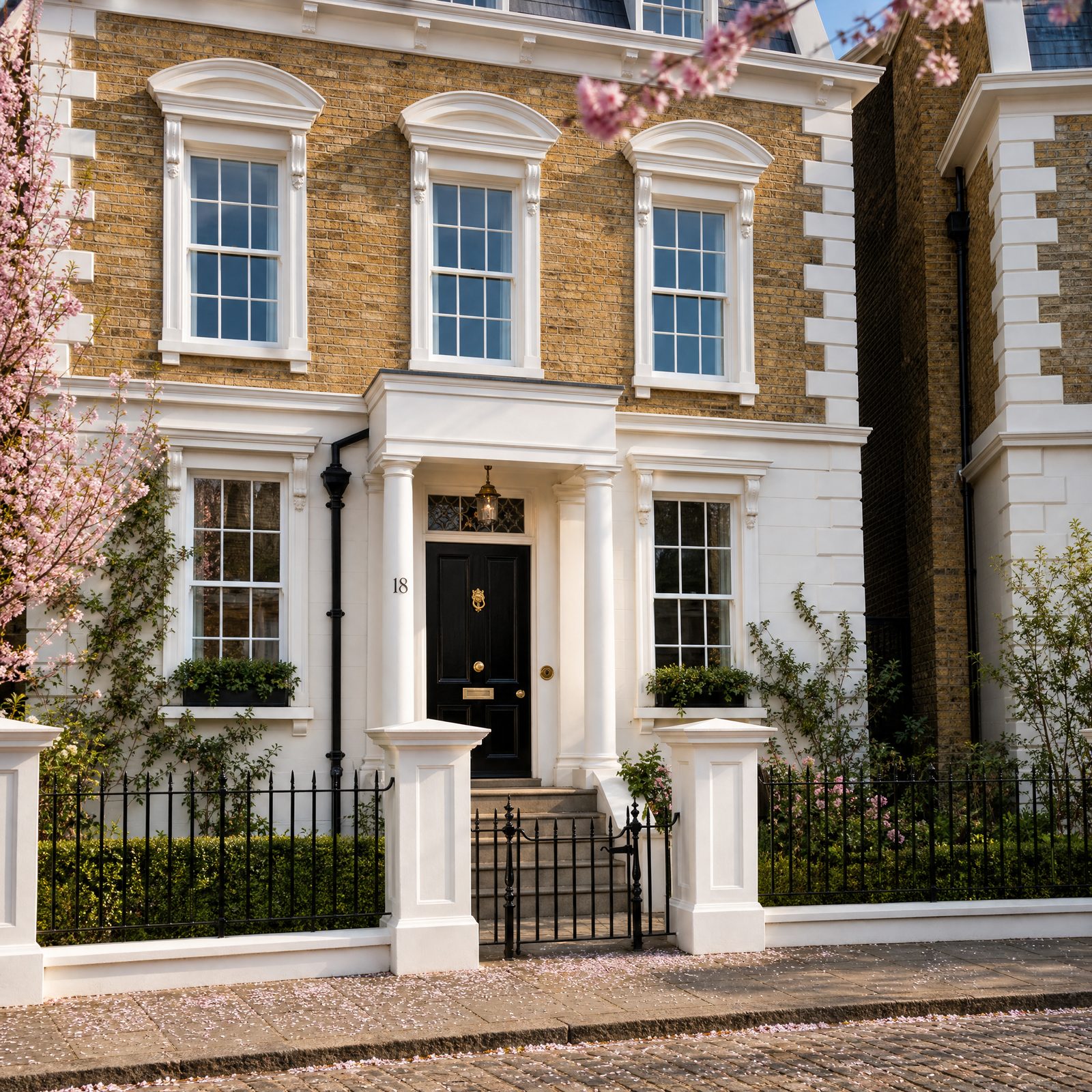
Barnsbury Joinery brings decades of experience with heritage timber windows to every project, working directly with conservation officers and architects where a scheme requires it. Our joinery is made in the United Kingdom to a conservation‑grade standard, and our focus is narrow by design: sash and casement windows for period and listed buildings, done properly.
Owners come to us because they want their windows treated as part of the historic fabric of their home rather than as a product to be swapped out. That means honest advice on whether to repair or replace, careful work that respects the age and character of the building, and a finish that stands up to scrutiny from both the street and the conservation officer. If you are planning work on an Islington conservation area property, we would be glad to help you get it right.
Request a survey for your Islington property
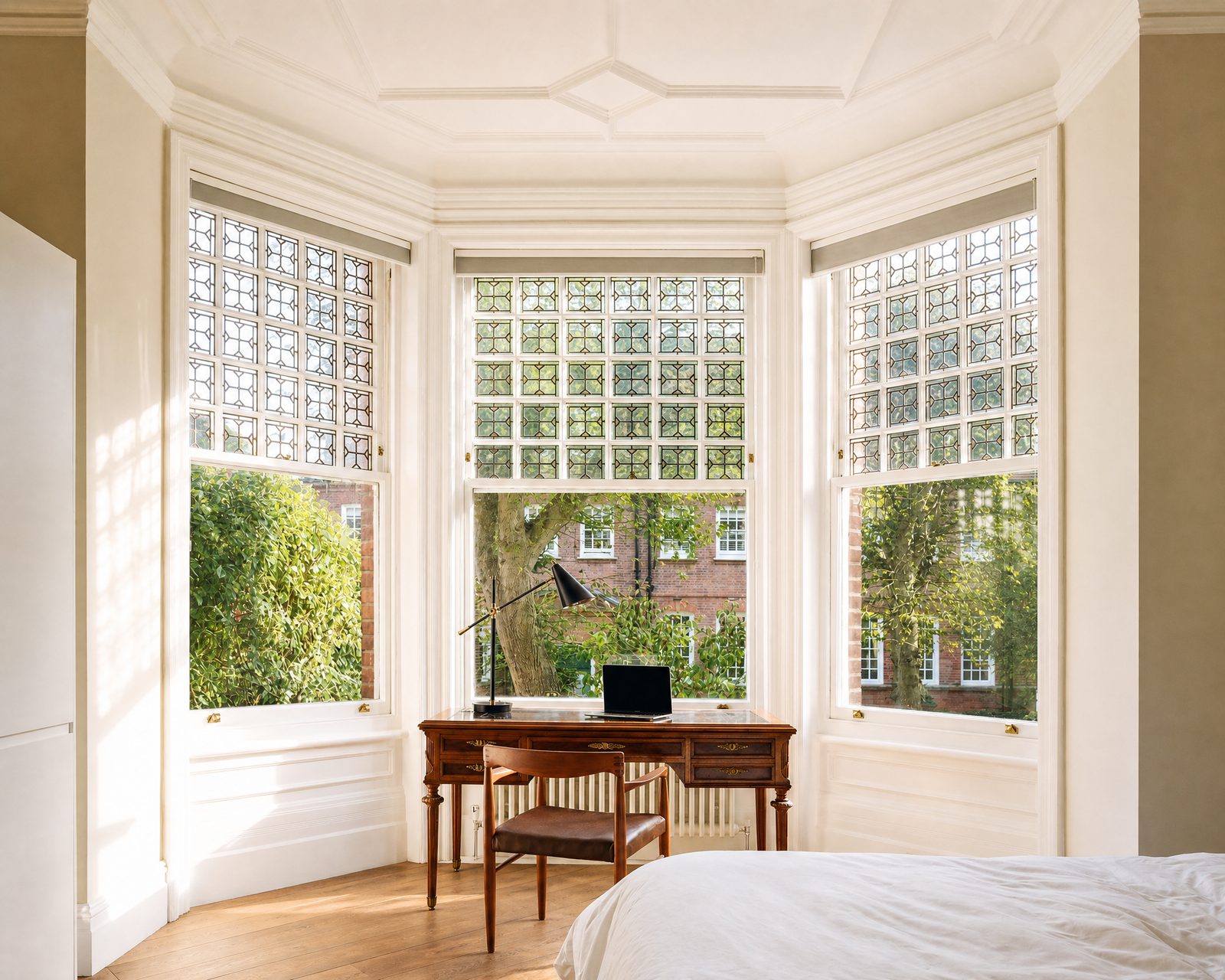
The best way to begin is with a survey of your existing windows. We will assess their condition, discuss the conservation area or listing constraints that apply, and set out clearly whether restoration, bespoke replacement or a combination of the two will serve your property best. From there we can prepare a specification suited to your home and, where needed, the information that supports a planning or listed building application.
To arrange this, request a survey or request a quote and we will be in touch to discuss your Islington sash windows and the options open to you.
Common questions
Do I need planning permission for sash windows in an Islington conservation area?
It depends on the property and the work. In conservation areas, and especially for listed buildings, controls are tighter and permitted development rights can be restricted, so like‑for‑like restoration is usually the most straightforward route. We can advise on what your scheme is likely to require and prepare descriptions of the profiles, glazing and joinery methods to support a planning or listed building application where one is needed.
Can I have double glazing in an Islington conservation area sash window?
Often, yes. Where the local guidance allows it, slimline double glazing can be built into a conservation specification, improving thermal and acoustic comfort while keeping the slender sight‑lines a protected elevation requires. We will advise on what is appropriate for your particular property rather than applying a single approach to every job.
Should I restore my original sash windows or replace them?
Wherever an original window can be saved, restoration is usually the better choice for a period or listed home, retaining the original timber, glass and character. We assess each window on its condition and recommend replacement only where the existing sash is beyond economic repair, in which case we manufacture a bespoke match.
Which parts of Islington do you cover?
We work throughout Islington and its conservation areas, including Barnsbury, Canonbury, Highbury, Angel and the Clerkenwell borders, along with the surrounding North London neighbourhoods and the wider capital.
How do I get started?
Request a survey of your existing windows. We will assess their condition, discuss any conservation area or listing constraints, and set out whether restoration, bespoke replacement or a combination will suit your property best, then prepare a specification and quote.
Request a survey
Request a survey for your project, from a single commission to a whole scheme.
Request a surveyA studio of The Barnsbury Group
Barnsbury Joinery is the flagship studio of The Barnsbury Group, a second‑generation heritage joinery house. Established in London in 1987, it makes bespoke joinery by hand and carries the parent voice for the family of studios.
