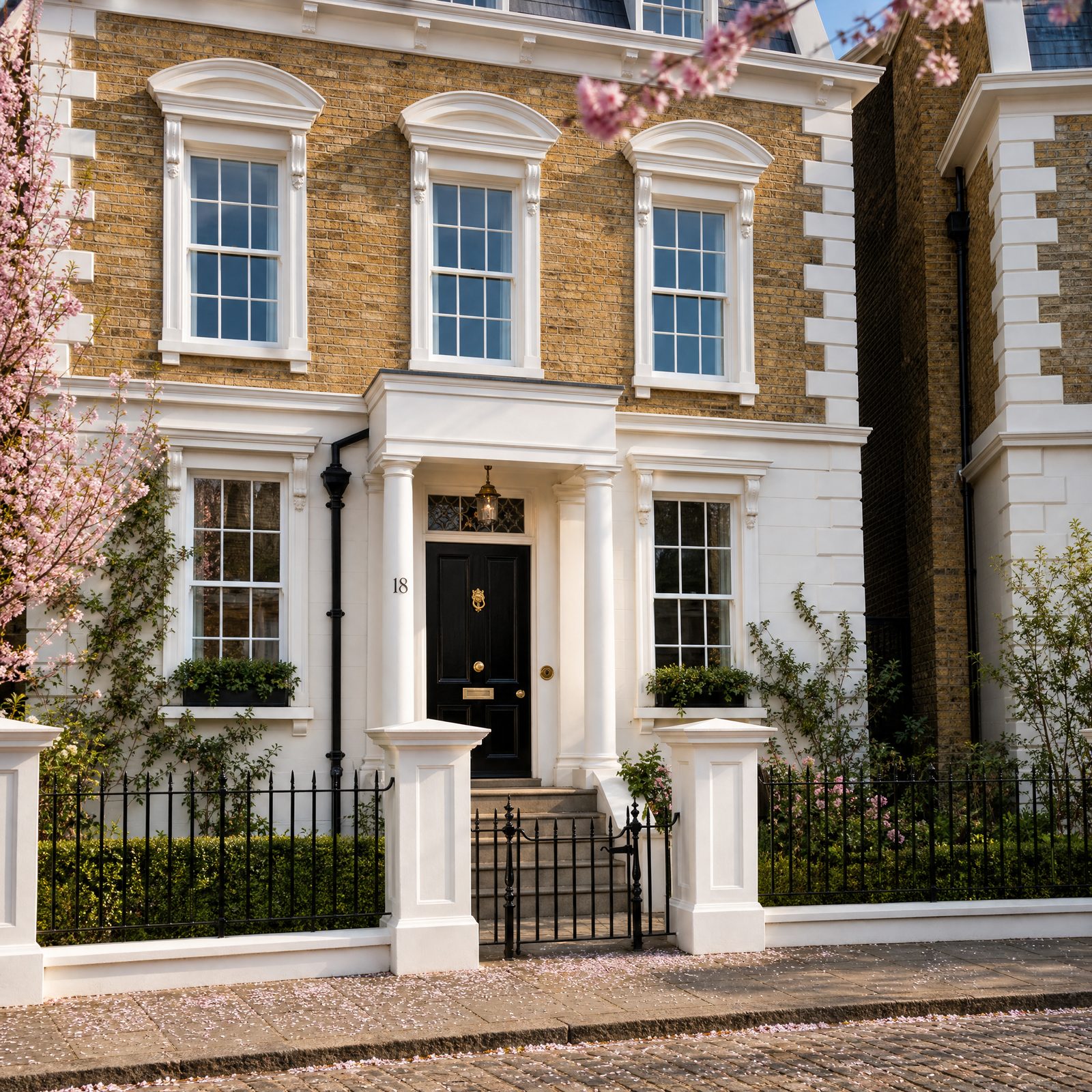
Sash window replacement
Sash window replacement London, made by hand for period and listed homes. Conservation‑grade timber sash and casement windows. Request a survey today.
Barnsbury Joinery designs, makes and installs replacement timber windows for London's period and listed homes. Every sash window replacement London homeowners commission from us is built to conservation standards, drawn from the original profiles of the building and finished by hand in our London studio. The result reads as though it has always belonged to the property, while performing far better than the window it replaces.
We work with owners of Georgian, Victorian and Edwardian houses, along with architects and conservation officers, to renew windows that are beyond economical repair. When a sash is rotten, racked or has lost its glass, a faithful replacement restores the elevation without compromising its character. We offer a full service across London and the South East, and supply only across the rest of the UK.
Replacement heritage sash windows
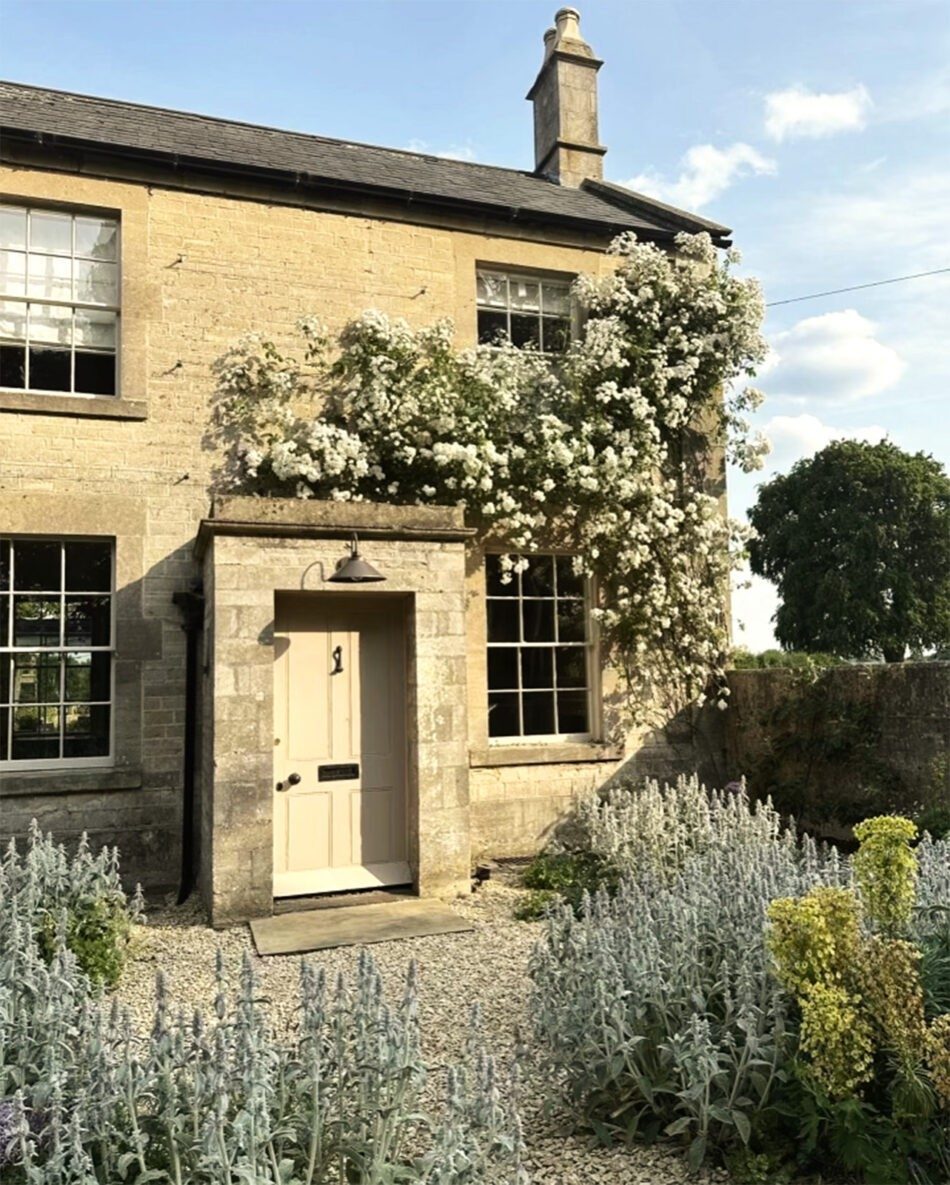
Our replacement heritage sash windows are made to match the original as closely as the eye and the record allow. Before any timber is cut, we survey the existing window, take off its sightlines and moulding profiles, and note the depth of the box, the meeting rail, the horns and the glazing bars. These details are what give a Georgian or Victorian sash its proportion, and getting them right is the difference between a window that disappears into the facade and one that announces itself as new.
Each sash is built using traditional haunched mortise and tenon joints, pinned and drawn tight for strength that will outlast modern comb‑jointed alternatives. We work in joinery‑grade softwood, Douglas fir or mahogany depending on the building, the exposure and the finish the owner wants. Timber is selected for straight, close grain so the finished window holds its shape through London's damp winters and warm summers, and every component is primed on all faces before assembly so no surface is left unprotected.
Modern performance is engineered in without disturbing the historic appearance. Concealed draught‑proofing runs in the staff and parting beads, so the rattle and cold draughts associated with old sashes are gone while the window still slides freely on its cords or spiral balances. High‑performance ironmongery, discreet security stops and quiet, balanced operation are specified as standard. Where a property sits in a conservation area, we can supply single glazing with traditional putty lines to preserve the reflective quality of the original glass, or slim double‑glazed units where the planning position allows a warmer, quieter home.
Because the windows are made by hand in London rather than pulled from a catalogue, there is no standard size and no compromise on the awkward openings that period buildings are full of. Splayed reveals, cambered heads, curved sashes and non‑standard bar layouts are all part of ordinary work for us. Every window is hand‑painted rather than sprayed, building up a finish that sits into the grain and can be maintained in place for decades rather than needing to be stripped back.
Replacement heritage casement windows
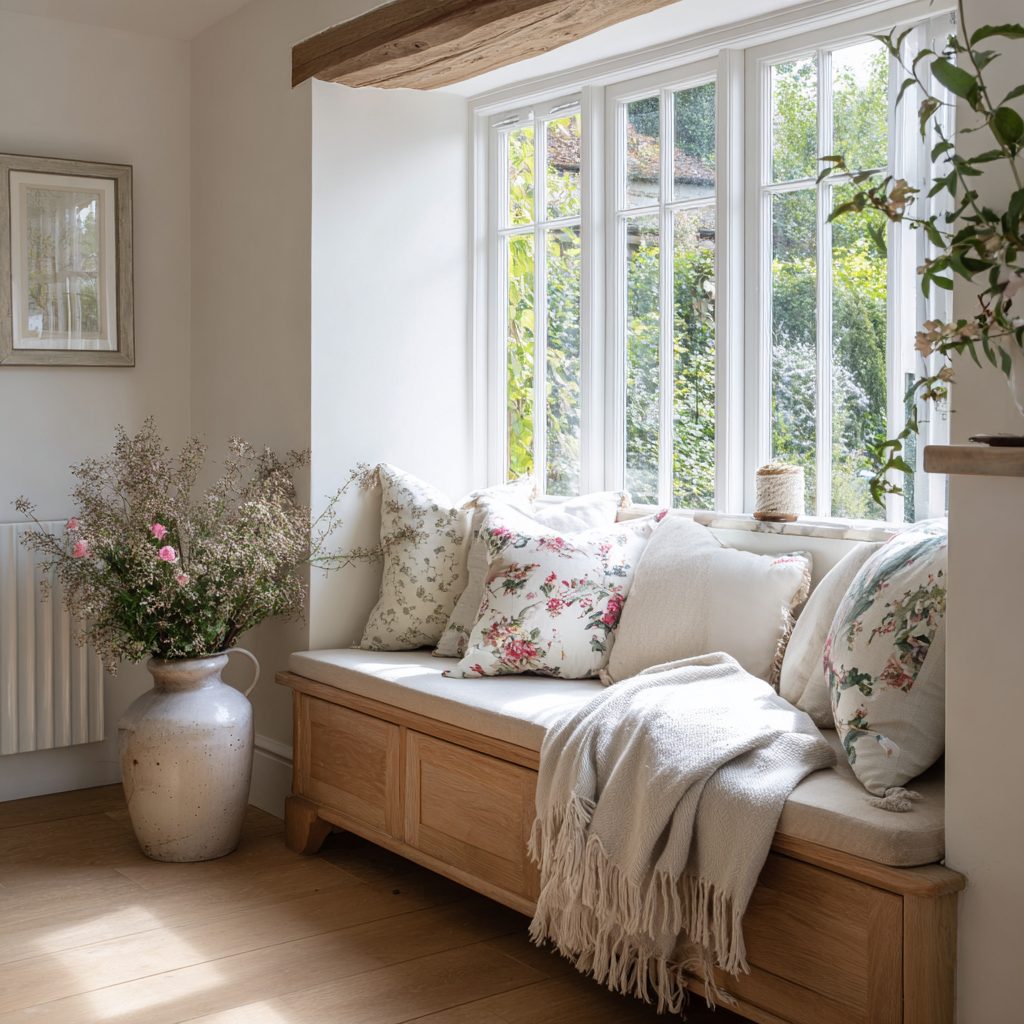
Not every period window is a sash. Many London homes, particularly Edwardian and Arts and Crafts properties and the rear elevations of older houses, use timber casements. Our replacement heritage casement windows are made to the same conservation standard as our sashes, with the same attention to profile, section and the way the window meets the surrounding masonry or render.
We reproduce traditional casement details faithfully: fine glazing bars, ovolo or lambs‑tongue mouldings, storm‑proof or flush casements, and the deep bottom rails that period windows carry. Opening lights can be hung to open outward or inward, with side‑hung, top‑hung or fixed configurations arranged to suit the room and the elevation. Where ventilation, fire escape or child safety requirements apply, we specify the appropriate restrictors and easy‑clean hinges without cluttering the sightlines.
Weather performance is built into the section rather than bolted on. Twin gaskets or wool‑pile seals close the gap between casement and frame, and multi‑point locking draws the sash evenly against the seal for a tight, secure closure. As with our sashes, the ironmongery is chosen to look right for the period, from traditional peg stays and monkey‑tail fasteners to more discreet modern locking where security is the priority.
Casement and sash windows often appear on the same building, and we frequently supply both together so that the whole property is renewed to one consistent standard. Matching the paint finish, glazing and detailing across every opening keeps the elevation coherent, which matters as much to conservation officers as it does to the people living behind the glass.
Like‑for‑like matching and profiles
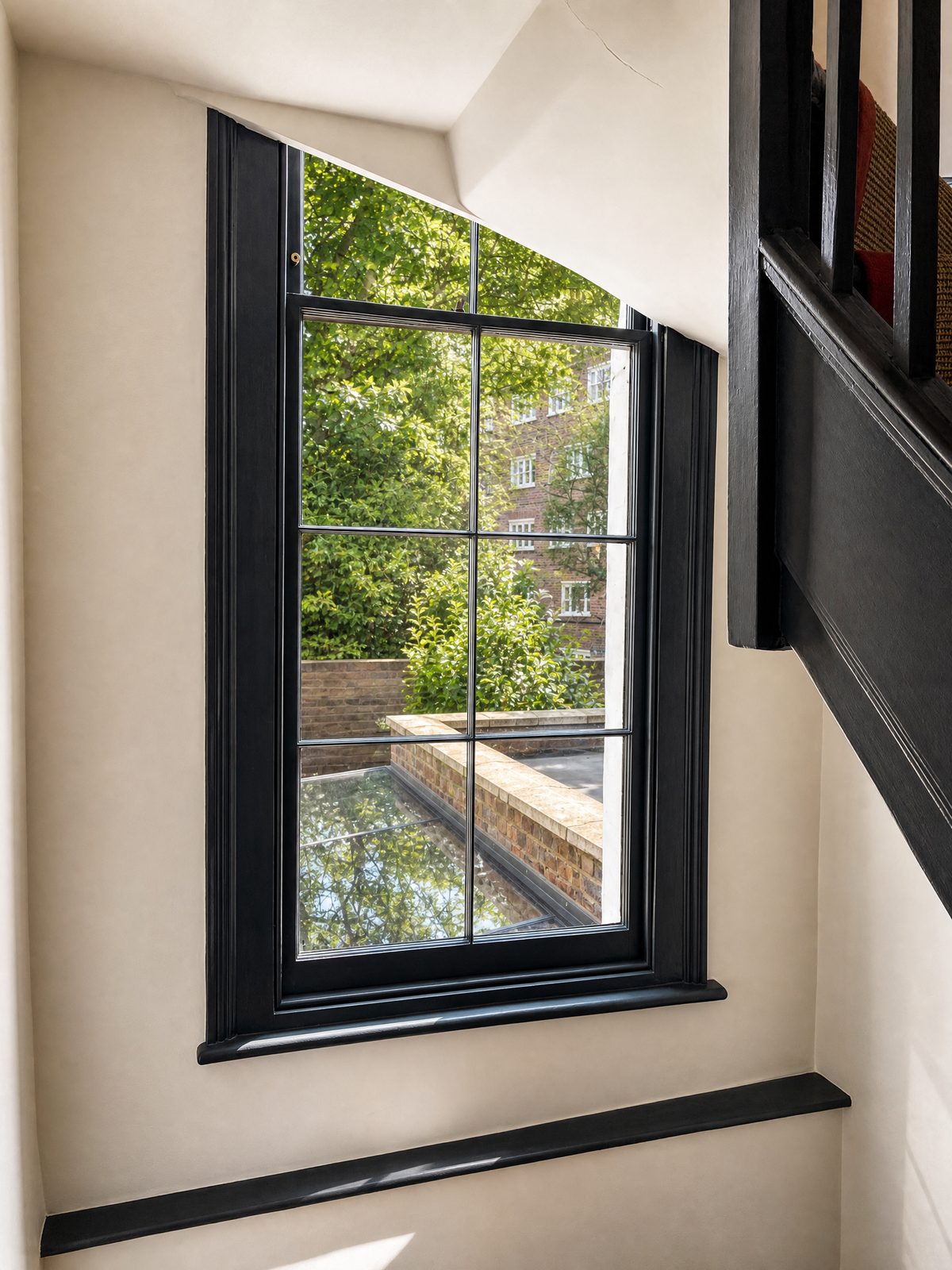
Like‑for‑like matching is the heart of a good heritage window replacement. A window that copies the original glass area but ignores the moulding profile, the horn shape or the meeting‑rail depth will always look subtly wrong, and on a listed building or in a conservation area it will often fail to gain consent. Our process is built around removing that risk before manufacture begins.
We start by recording the existing windows in detail. We take physical templates of the mouldings, measure the sections, and photograph the horns, cills and glazing bars so that the replacement reproduces not just the size of the opening but the character of the joinery. Where original windows have already been lost or crudely replaced, we draw on surviving examples elsewhere on the building or on comparable properties of the same date to reconstruct an appropriate profile.
Glazing bars are a common failure point in cheaper replacements. True divided bars, with individual panes and putty lines, read very differently from applied bars stuck onto a single sheet of glass. We advise on the right approach for the building and the planning context, whether that is genuine single glazing, slim double‑glazed units with true bars, or a bonded bar arrangement that satisfies both the conservation officer and the desire for a warmer home. The aim is always that the finished window casts the same shadow lines and reflections as the one it replaces.
This discipline extends to the finish. We match paint colours to the existing scheme or to a specified heritage palette, and we hand‑paint every window so the coats flow into the corners and mouldings rather than sitting on the surface. For owners of listed and period buildings, this like‑for‑like approach is what allows a modern, draught‑proofed, secure window to sit invisibly within a historic elevation. It is also why our work tends to satisfy planners first time, saving the delay and expense of revised applications.
Made by hand in London for period and listed buildings
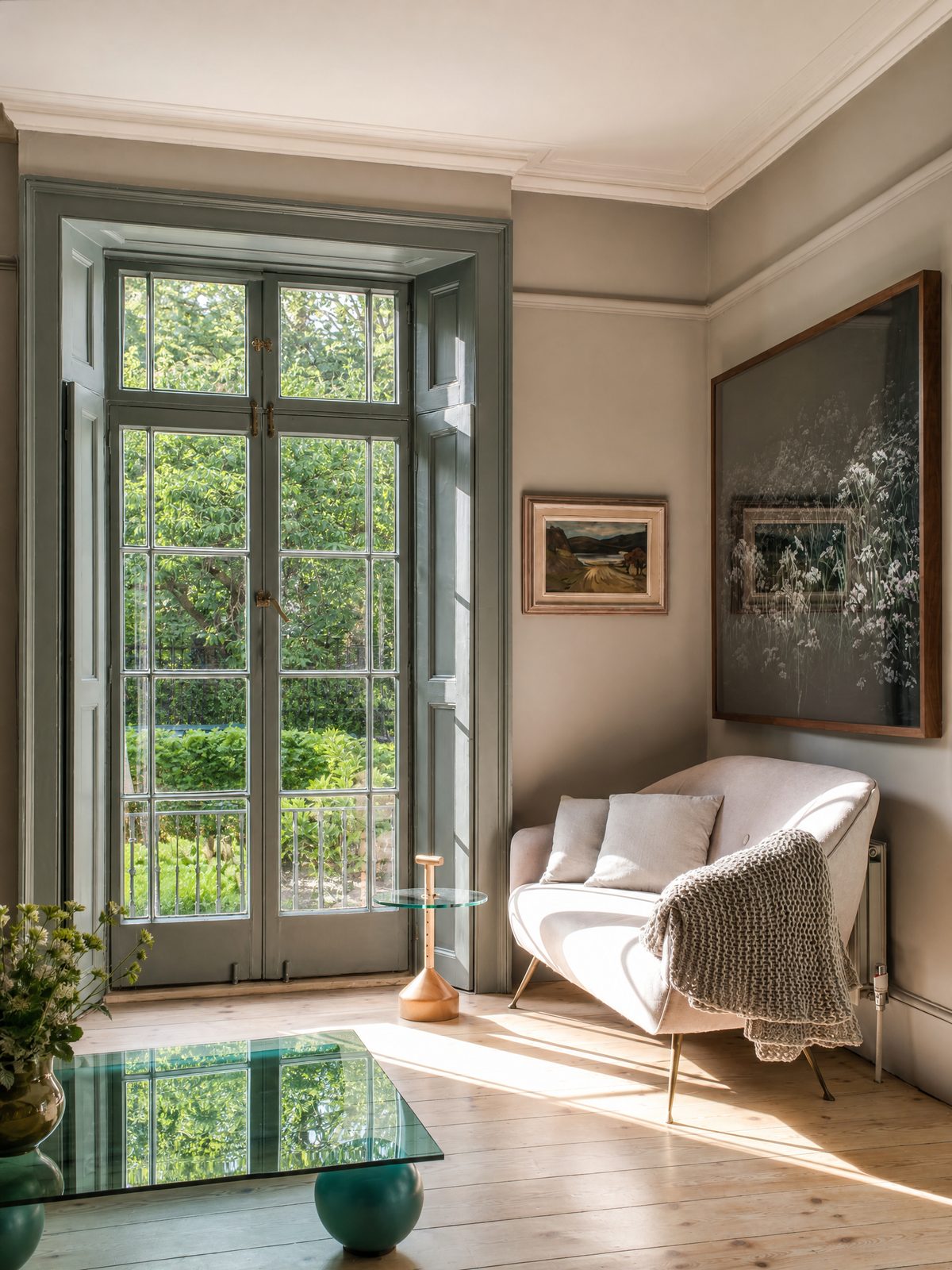
Everything we make is drawn, cut and assembled by our own joiners in our London studio, which means we control quality from the first survey to the final coat of paint. There is no outsourced manufacture and no compromise to fit a mass‑production line. That control is what lets us take on the demanding, non‑standard work that period and listed buildings require.
We are comfortable working within the constraints of listed building consent and conservation‑area planning, and we regularly liaise with conservation officers and architects to agree the detailing before manufacture. Because we understand what these officers are looking for, our drawings and samples tend to move applications forward rather than stalling them.
Installation is carried out by our own fitters, who understand how a heritage window is meant to sit in a period opening. We make good carefully, protect the surrounding decoration and leave the building watertight and clean. The window operates smoothly from day one, and because it is designed to be maintained in place, it will keep performing for generations rather than years.
If you are considering renewing the windows on a London home, the best starting point is a survey. We will assess the existing windows, discuss whether repair or replacement is the right course, and set out the profiles, timber and glazing that suit your building and its planning position. Request a survey or request a quote and we will arrange a visit at a time that suits you.
Common questions
How much does sash window replacement in London cost?
Cost depends on the size of the windows, the timber and glazing specified, and the amount of matching required for listed or conservation work. Because every window is made to the original profiles rather than to a standard size, we price each project after a survey. Request a quote and we will set out a clear, itemised figure for your building.
Can you replace sash windows in a conservation area or listed building?
Yes. This is core to our work. We reproduce the original profiles, horns and glazing bars, and can supply single glazing with traditional putty lines or slim double‑glazed units where planning allows. We liaise with conservation officers and architects so the detailing is agreed before manufacture, which helps applications succeed first time.
Do you make casement windows as well as sash windows?
We do. Our replacement heritage casement windows are built to the same conservation standard as our sashes, with faithful mouldings, weather seals and period‑appropriate ironmongery. Many buildings carry both, and we frequently supply sash and casement windows together so the whole elevation is renewed to one consistent standard.
Will a replacement window match my original ones exactly?
That is the aim of our like‑for‑like process. We template the mouldings, measure the sections and record the horns, cills and glazing bars so the replacement copies the character of the original joinery, not just the size of the opening. Every window is then hand‑painted in London to match your existing scheme.
Do you work outside London?
We offer a full design, manufacture and installation service across London and the South East. For the rest of the UK we provide a supply‑only service, making windows to your surveyed profiles for installation by your own contractor.
Request a survey
Request a survey for your project, from a single commission to a whole scheme.
Request a surveyA studio of The Barnsbury Group
Barnsbury Joinery is the flagship studio of The Barnsbury Group, a second‑generation heritage joinery house. Established in London in 1987, it makes bespoke joinery by hand and carries the parent voice for the family of studios.
