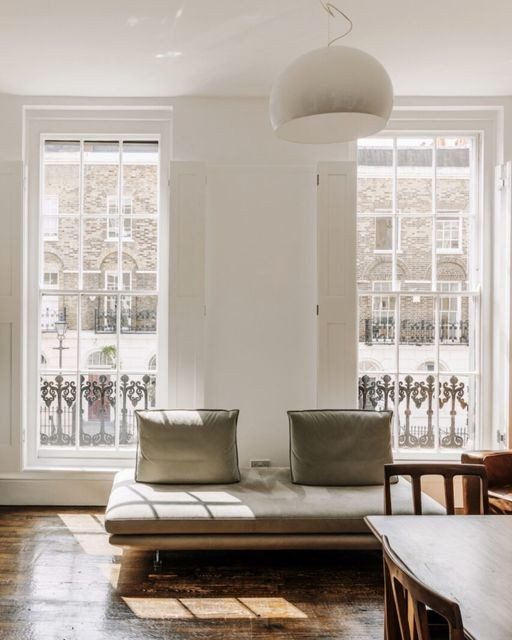
Draught proofing sash windows
Draught proofing sash windows London. Conservation‑grade brush seals for period and listed timber windows, fitted by hand. Request a survey with Barnsbury Joinery.
Draught proofing sash windows in London is one of the most effective ways to make a period home warmer, quieter and cheaper to run without losing the original joinery that gives it character. At Barnsbury Joinery we fit a discreet, conservation‑grade brush seal system to timber sash and casement windows, sealing the gaps that let cold air in and warm air out while keeping every window running smoothly. The work is precise, reversible and sympathetic to the age of the building, so the appearance of your windows is preserved and their performance is transformed.
With more than 35 years of hands‑on experience across London and the South East, our team understands the demands of period and listed buildings. Every seal is measured, cut and fitted by hand in London to suit the exact movement of each window, so your sashes glide as they should and the draughts disappear. This page explains why draught proofing matters, how our process works, the benefits for timber windows and the areas we serve.
Why draught proofing matters for period windows
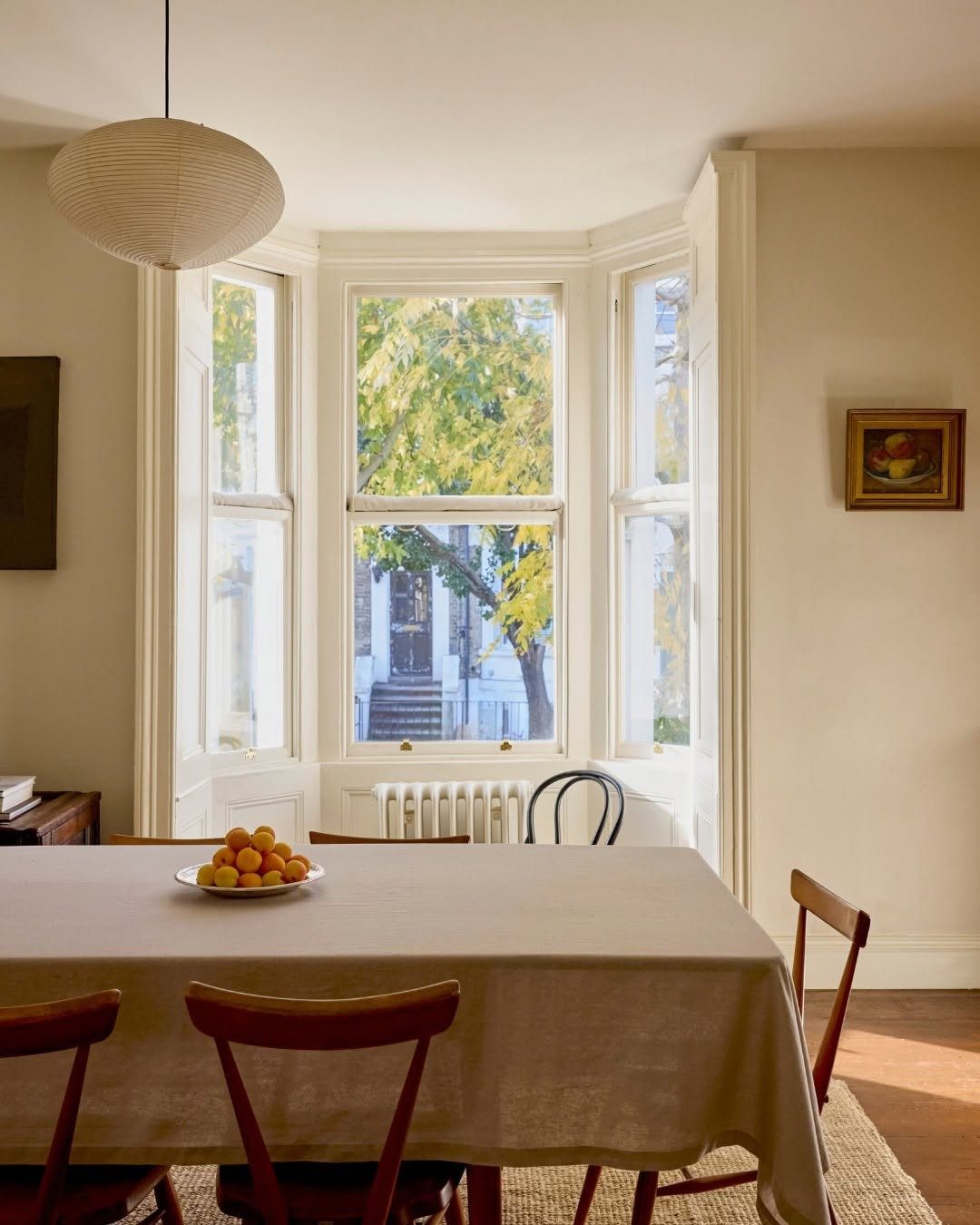
Original timber sash windows are one of the defining features of London's period housing stock, but decades of use, paint build‑up and seasonal timber movement leave gaps around the sashes. Those gaps become channels for cold air, wind‑driven rain, dust and street noise. On a blustery day you can often feel the draught from several feet away, and in winter the heat you pay for escapes through the same routes. Draught proofing closes these gaps with a purpose‑made sealing system, so the window keeps its looks and its heritage while performing far closer to a modern standard.
The alternative many homeowners are pushed towards is full replacement, but ripping out sound timber windows is rarely necessary and often unwelcome in conservation areas and listed buildings. Replacement is expensive, disruptive and, in the case of poorly specified units, can harm the proportions and detailing that make a period facade work. Well‑executed draught proofing is a fraction of the cost, keeps original glass and joinery in place and respects the character of the property. For owners of listed and period buildings, it is frequently the option that planning and conservation officers prefer.
There is also a comfort and health dimension that is easy to overlook. Constant draughts create cold spots, force heating systems to work harder and can leave rooms feeling unpleasant even when the thermostat reads a comfortable temperature. Sealing the window controls that unwanted air movement, steadies the internal temperature and reduces the dust and pollen drawn in from a busy London street. The result is a room that feels calmer and warmer, and a window that no longer rattles in the wind.
Our draught proofing process
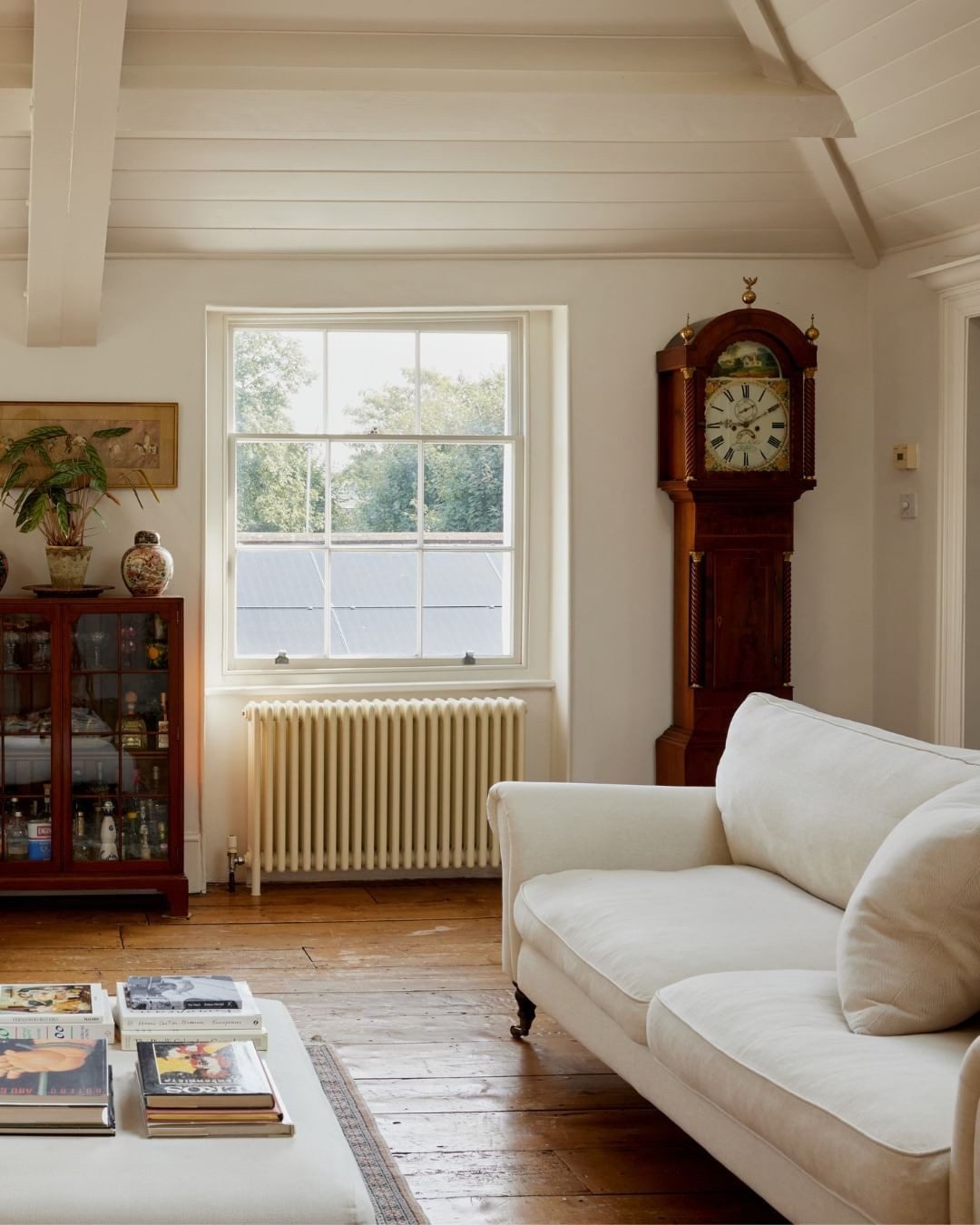
Our process begins with a proper assessment rather than a quick look. We inspect each window in turn, checking the condition of the timber, the fit of the sashes, the state of the beads and cords, and the size of the gaps that need to be closed. Because no two period windows are identical, we measure every sash individually so the sealing system is matched to the real movement of that window rather than a standard template. If a window needs minor repair before it can be sealed effectively, we identify it at this stage and discuss it with you.
Once measured, we carefully remove the staff beads and parting beads that hold the sashes in place. This is delicate work on older joinery, and it is done by hand to avoid splitting brittle timber or damaging original mouldings. With the beads removed we clean out old paint, debris and any perished material from the runs, then rout in a discreet brush seal along the meeting points and the perimeter of the sashes. The brush pile is chosen to bridge the gap precisely: enough to seal against draughts, not so much that the window binds.
We then refit the beads, reseat the sashes and adjust the balance so both the upper and lower sash slide smoothly and sit tightly closed. Every window is tested through its full range of movement, and we fine‑tune the seals and beads until the action is right. Finally we carry out a quality check on each opening, clean up thoroughly and walk you through what has been done, so you can see and feel the difference before we leave. The whole system is discreet, so from inside or out the window looks unchanged, and it is reversible, which matters for listed and conservation properties.
Benefits of draught proofing timber windows
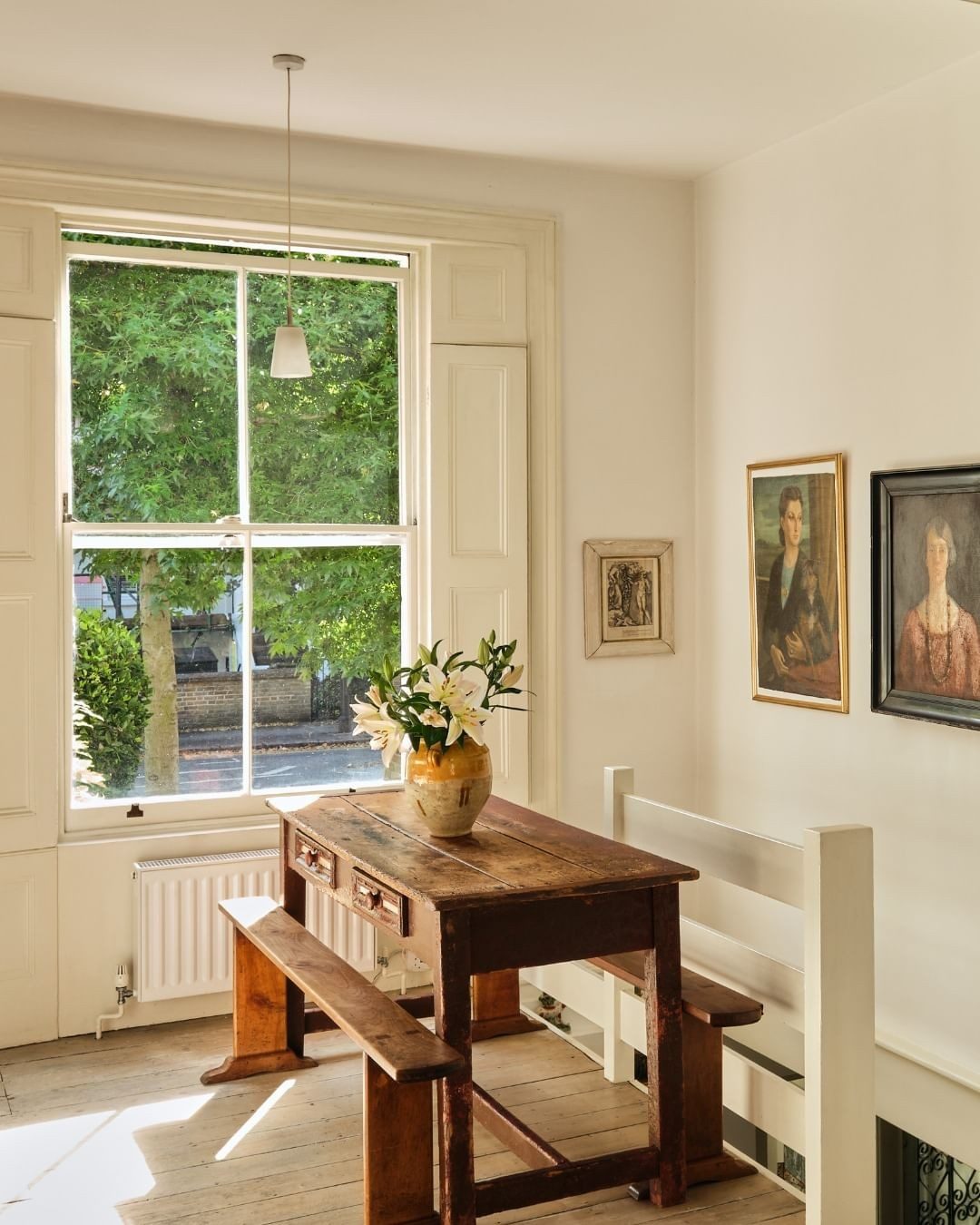
The most immediate benefit is warmth. By sealing the gaps around the sashes you dramatically cut the uncontrolled air leakage that drives heat loss, which means rooms hold their temperature for longer and your heating system does not have to fight a constant stream of cold air. Over a heating season that translates into lower energy bills and a noticeably more comfortable home, particularly in the tall, exposed rooms typical of Georgian and Victorian houses.
Noise reduction is the benefit clients often comment on next. The same gaps that admit draughts also let in traffic, sirens and street noise, and closing them with a well‑fitted brush seal takes the edge off the racket of a London street. Draught proofing also improves indoor air quality by reducing the dust and pollen pulled in around loose sashes, and it stops the rattling and whistling that make old windows feel tired and neglected.
Crucially, all of this is achieved while preserving the original timber window frames and glass. You keep the character, the wavy old glass and the hand‑made joinery that a modern replacement can never truly reproduce, and you avoid the cost and upheaval of a full window replacement. Our workmanship is guaranteed and built to last, using durable seals that keep performing year after year. For a period or listed building, draught proofing is the sensible, conservation‑minded upgrade: better comfort and efficiency with none of the compromise.
Areas we serve
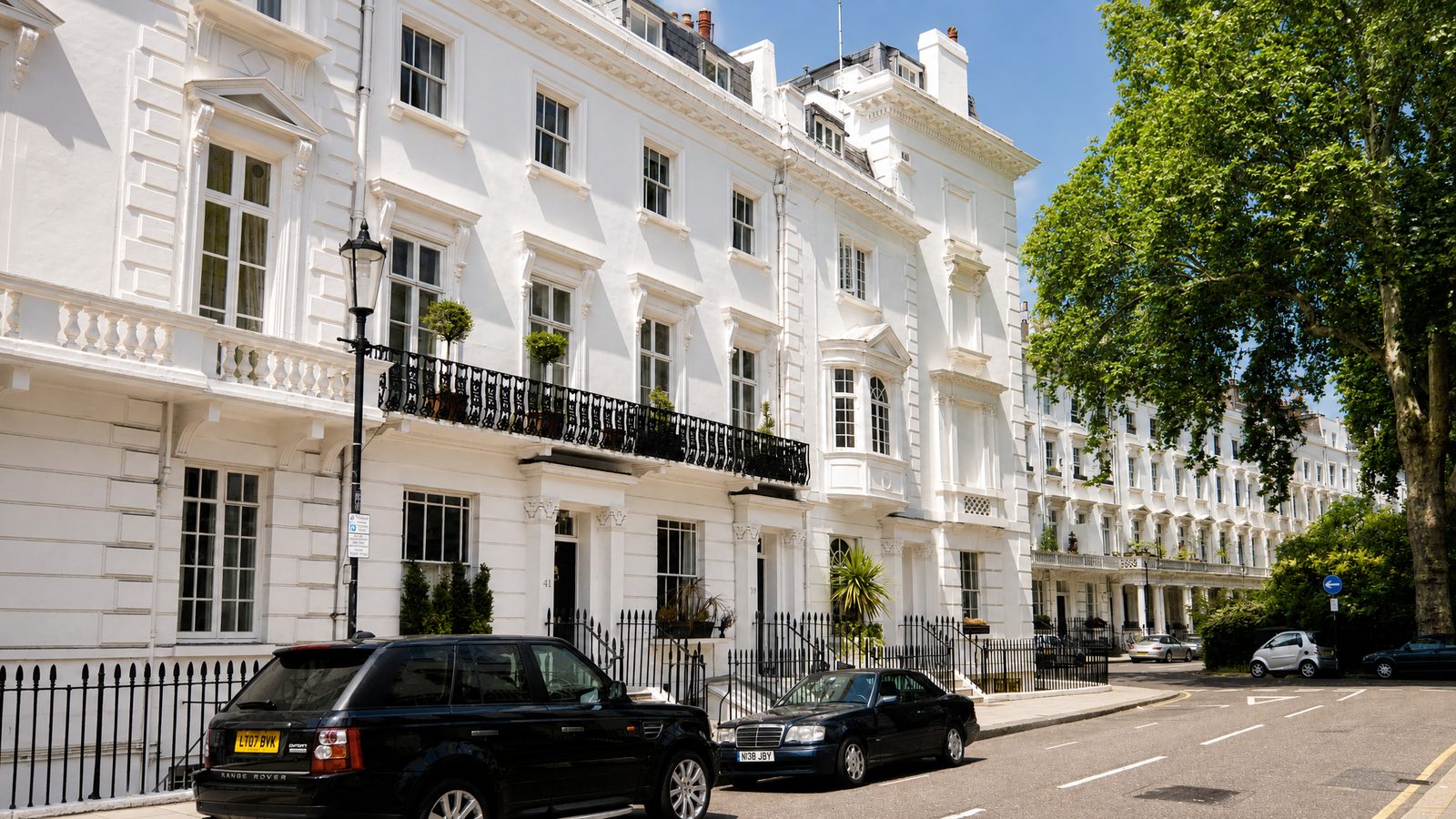
Barnsbury Joinery is based in London and we provide a full draught proofing service to homeowners across the capital and the South East. We regularly work on period and listed properties throughout North and Central London, including Camden, Hackney, Angel, Canonbury, Clerkenwell, De Beauvoir and Stoke Newington, as well as the surrounding boroughs. Wherever your home sits in the city, our team can reach you to survey, fit and finish the work.
Beyond London we offer full service across the South East, travelling to homes and projects that need conservation‑grade draught proofing carried out to the same hand‑fitted standard. For clients further afield, we offer supply only across the rest of the UK, so you can source our sealing components even where a site visit is not practical. If you would like to know whether your address falls within our full‑service area, get in touch and we will let you know.
If you are ready to make your sash windows warmer and quieter, you can request a survey and we will assess your windows, explain the options and provide a clear plan for the work. To discuss a project or ask a question, request a quote and a member of our team will respond promptly. Made by hand in London, our draught proofing is designed to protect and improve the windows that give your home its character.
Common questions
Will draught proofing change the look of my sash windows?
No. The brush seal system we fit is discreet and sits within the window runs and along the meeting rails, so from inside and out the window looks unchanged. This is exactly why draught proofing is well suited to period and listed buildings, where preserving the original appearance and joinery matters. The work is also reversible, which conservation officers often prefer.
Is draught proofing better than replacing my timber windows?
For most period homes, yes. Draught proofing keeps your original timber frames and glass, costs a fraction of full replacement and avoids the disruption and heritage impact of removing sound windows. It delivers a large improvement in warmth and noise reduction while respecting the character of the building, which is why it is frequently the preferred option for listed and conservation properties.
Will my windows still open and close properly after draught proofing?
Yes. Part of our process is adjusting and testing every sash through its full range of movement after the seals are fitted. We choose the brush pile to seal the gap without making the window bind, then fine‑tune the beads and balance so both sashes glide smoothly and close tightly. A well draught‑proofed window should feel better to operate, not worse.
Which areas do you cover for draught proofing sash windows?
We are based in London and provide full service across London and the South East, including period and listed homes throughout North and Central London and the surrounding boroughs. For the rest of the UK we offer supply only. If you are unsure whether your address is within our full‑service area, contact us and we will confirm and arrange a survey.
How do I get started?
Request a survey and we will inspect your windows, measure each sash and explain the most effective approach for your property. We will then provide a clear plan and you can request a quote for the work. Every seal is measured, cut and fitted by hand in London to suit the exact movement of your windows.
Request a survey
Request a survey for your project, from a single commission to a whole scheme.
Request a surveyA studio of The Barnsbury Group
Barnsbury Joinery is the flagship studio of The Barnsbury Group, a second‑generation heritage joinery house. Established in London in 1987, it makes bespoke joinery by hand and carries the parent voice for the family of studios.
