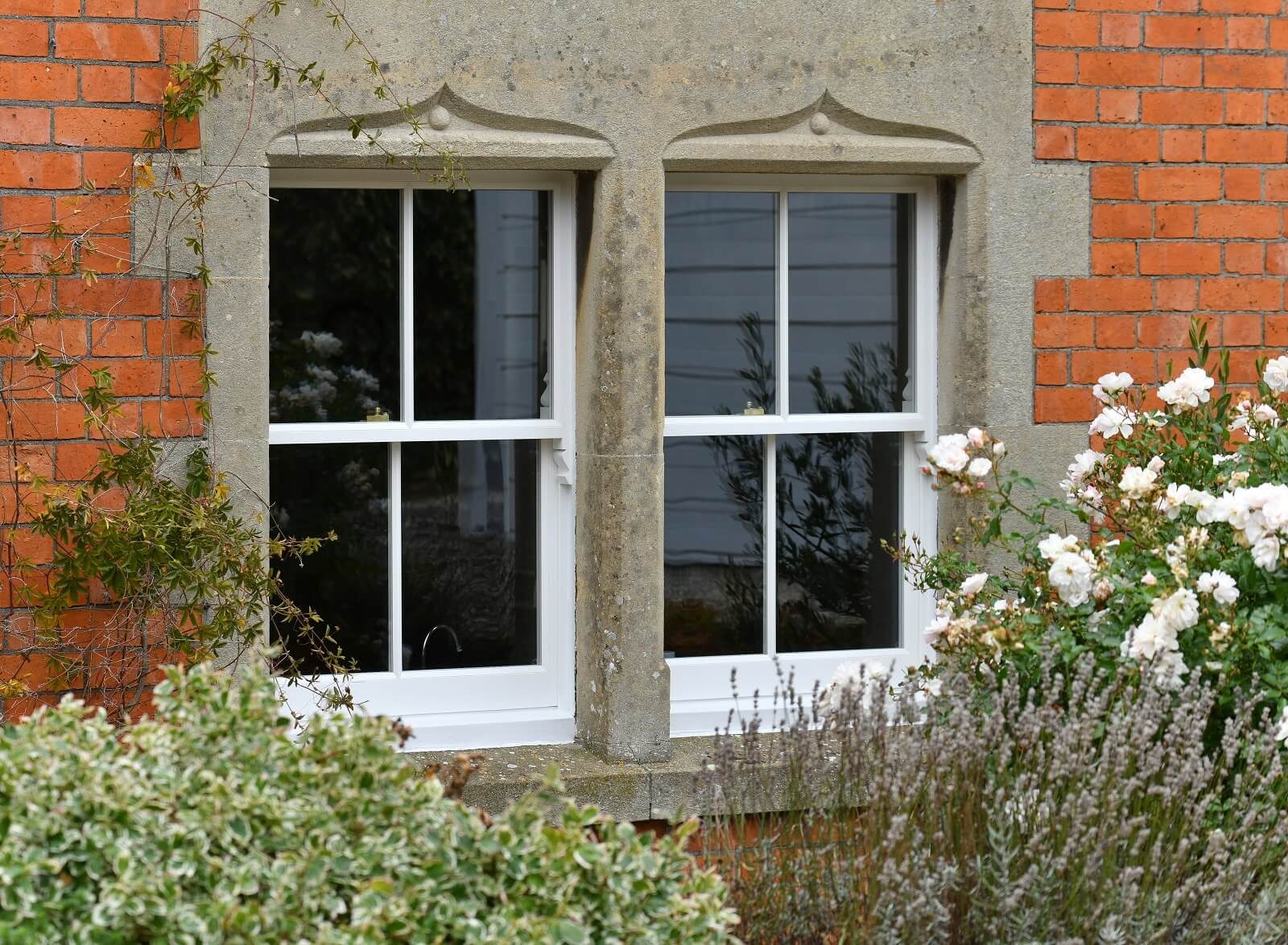
Vacuum glazing for heritage windows
Vacuum glazing for heritage timber sash and casement windows. Triple‑glazing warmth with a U‑value as low as 0.7, in a slim unit that fits the original window. Samples available.
Vacuum glazing brings the warmth of triple glazing to an original timber window without changing the way it looks. Two panes of glass are separated by a vacuum barely a fraction of a millimetre thick and sealed at the edge, so heat cannot cross the gap. The result is a slim, single‑pane appearance that keeps the fine sightlines of a period sash or casement, with thermal performance that until now meant a bulky modern replacement. We supply and install vacuum glazing for listed buildings and conservation areas across the UK and Australia.
For heritage windows this is the upgrade that finally makes sense. Conventional double glazing is too thick and too heavy for a traditional sash, and its stepped double‑glazed edge rarely satisfies a conservation officer. Vacuum glazing reads as one pane of glass, which is why it has quickly become the glazing of choice for period and protected buildings, and why we regard it as the future of glazing for heritage windows.
How vacuum glazing works
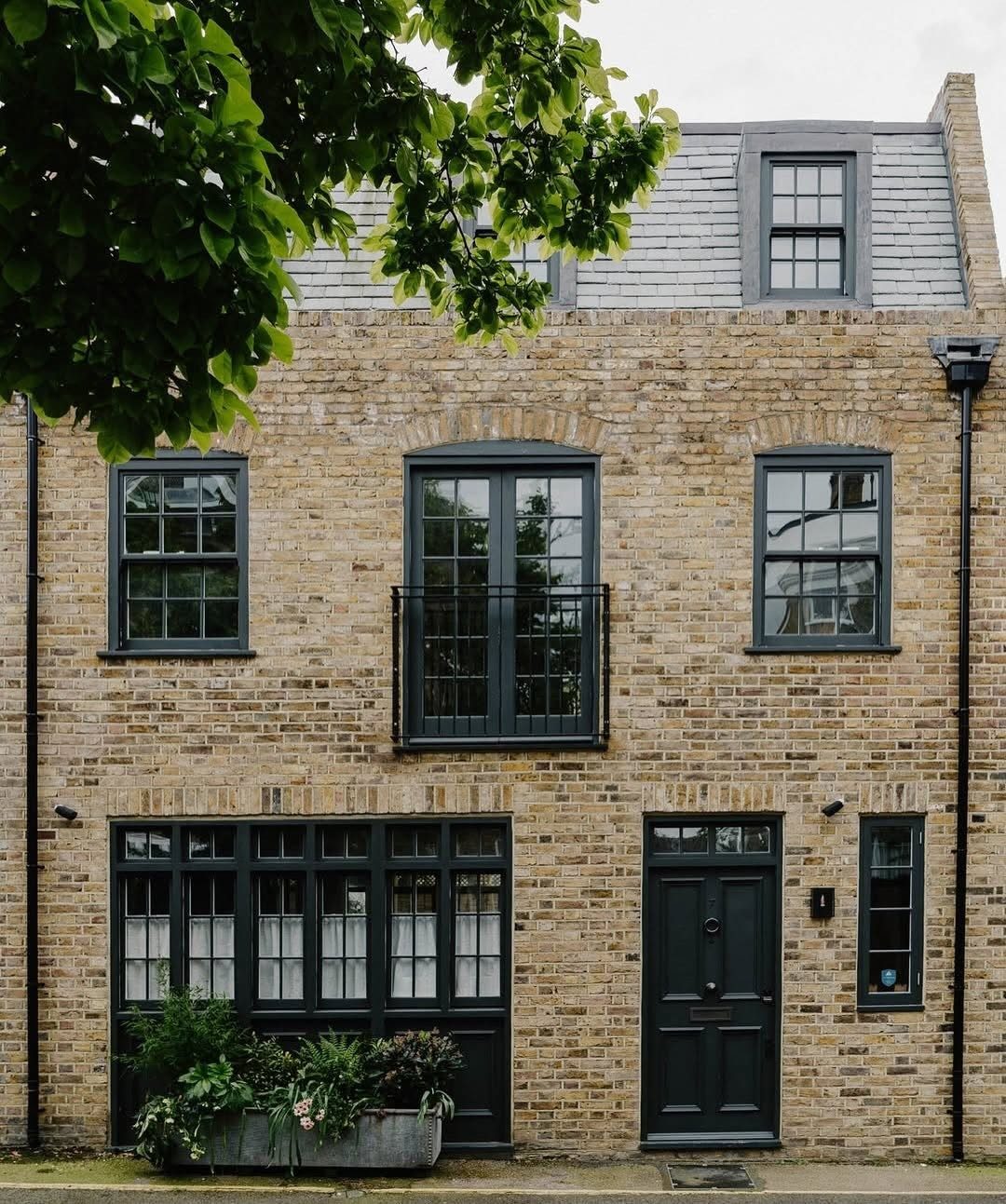
A vacuum glazed unit is two panes of glass with the air removed from the cavity between them. Because heat needs air, moisture or gas to travel across a gap, a vacuum is one of the most effective insulators there is. The panes are held apart by an almost invisible array of tiny spacers and sealed around the edge, so the unit stays evacuated for the long term.
That sealed vacuum does the work of a much thicker double or triple glazed unit in a fraction of the depth. The whole thing is slim enough to sit within the glazing rebate of a traditional window, which is what makes it suitable for the sashes and casements that define period buildings.
Triple‑glazing performance in a single‑pane profile
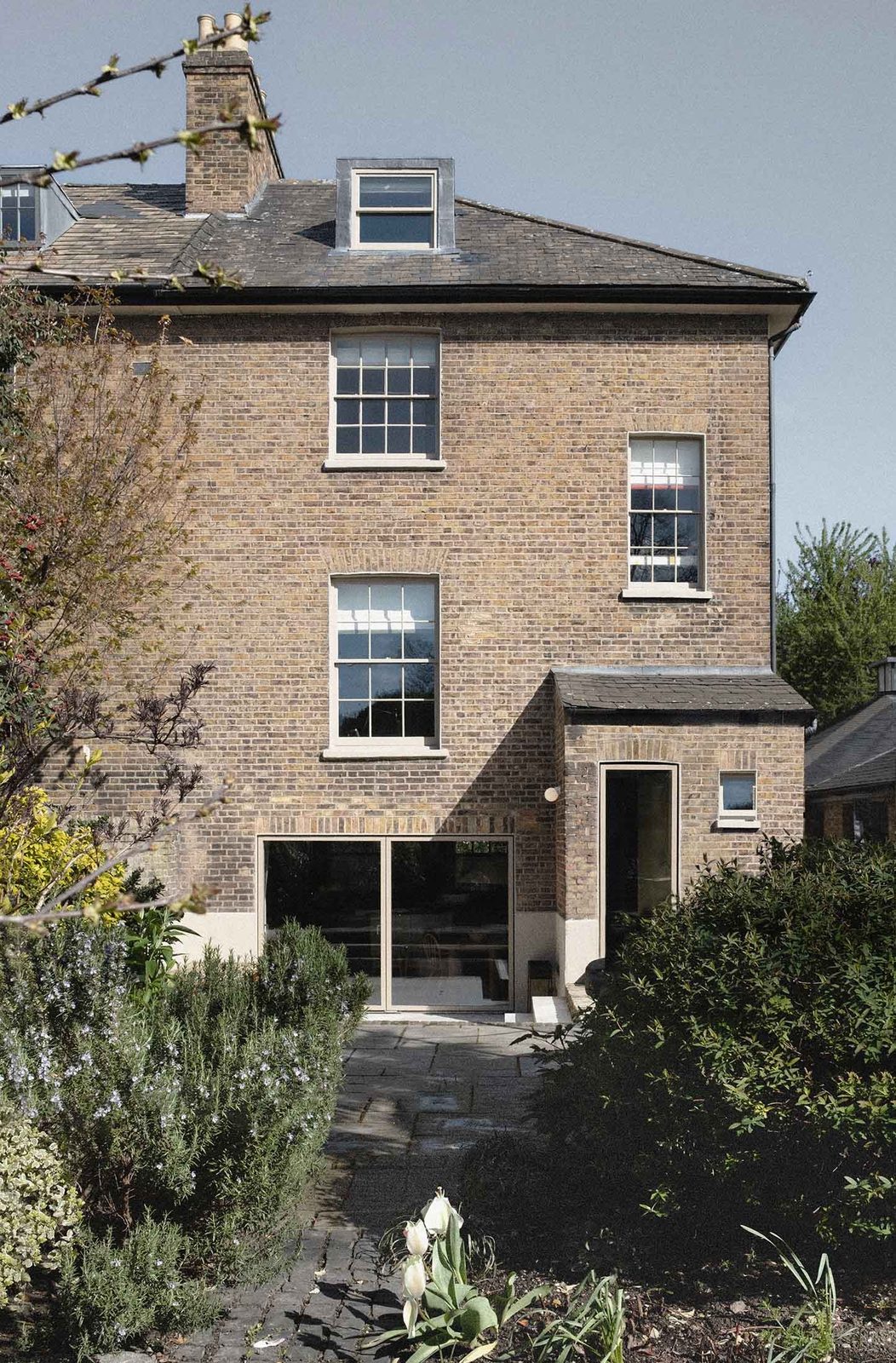
The headline figure is thermal. Vacuum glazing achieves a centre‑pane U‑value as low as 0.7 W per square metre kelvin, the same order of performance as modern triple glazing, in a unit a fraction of the thickness. In practice that means rooms that hold their warmth, far less condensation on the glass in winter, and lower heating bills, all without secondary glazing or a replacement window.
The gains are not only thermal. A sealed vacuum unit also improves acoustic comfort, softening traffic and street noise in a way single glazing never can. The exact figures vary between the different glazing systems we supply, so we will talk you through what each one offers for your particular windows and setting.
Made to retrofit the window you already have
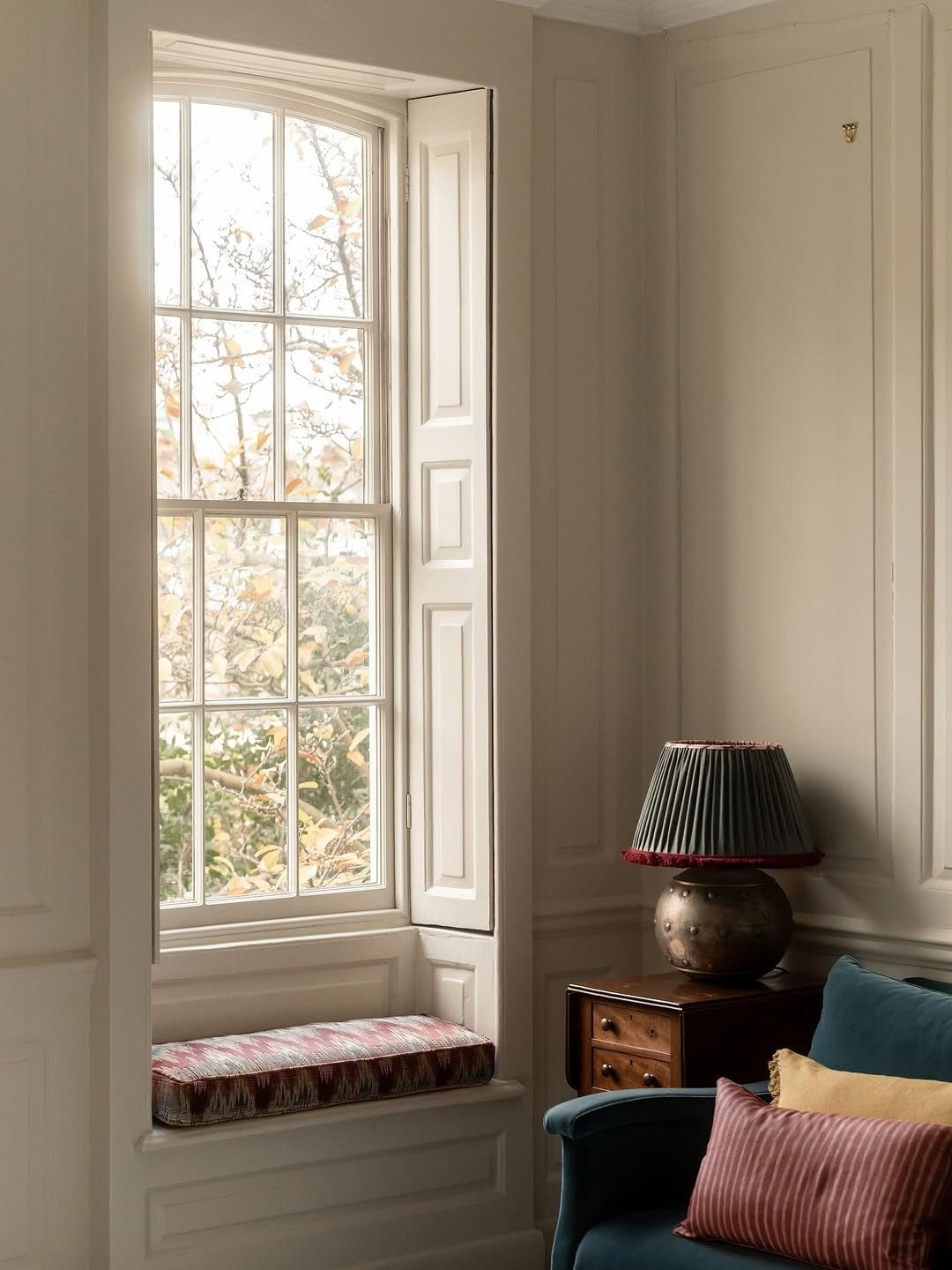
The whole point of vacuum glazing is that you keep your original windows. Because the unit is so slim, it will usually fit straight into the existing glazing rebate, so there is no need to alter or re‑machine the sash. The frame, the joinery and the character of the window stay exactly as they are, and the timber the building was designed around is retained rather than replaced.
We survey your windows first to confirm the fit and the right specification. Where a window is sound, vacuum glazing lets us upgrade it in place. Where it needs restoration, we can carry that out alongside the glazing as part of the same piece of work.
Suited to listed buildings and conservation areas
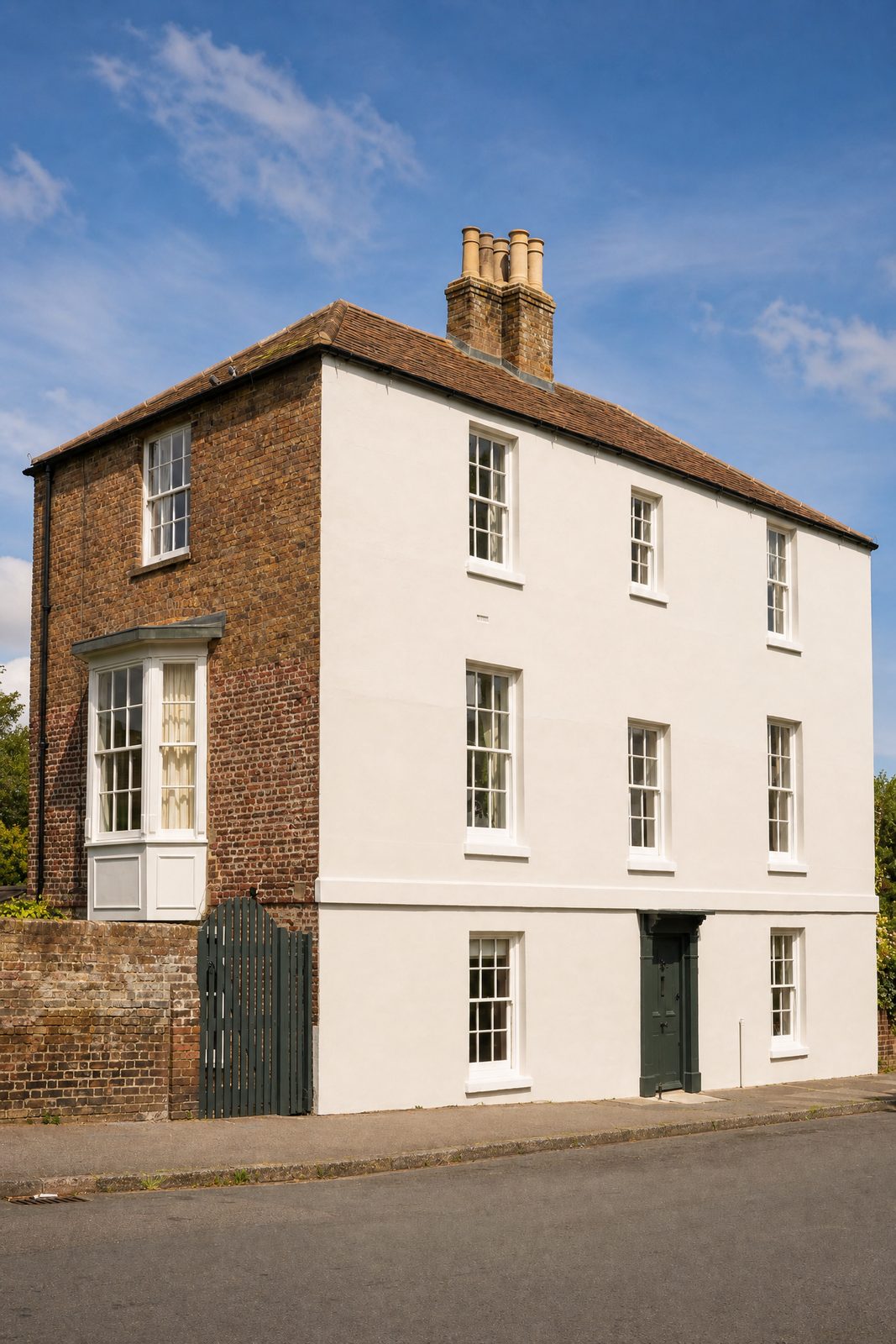
Because it reads as a single pane of glass with no visible double‑glazed edge, vacuum glazing keeps the slim sightlines and fine glazing bars that conservation officers look for. This makes it acceptable in conservation areas and, subject to consent, in listed buildings, where a conventional double glazed unit would not be.
Where consent is required we help you make the case. We can provide the detail your application needs, including drawings, product information and fact sheets, so the submission clearly sets out what is proposed and why it protects the character of the building.
See a sample before you order
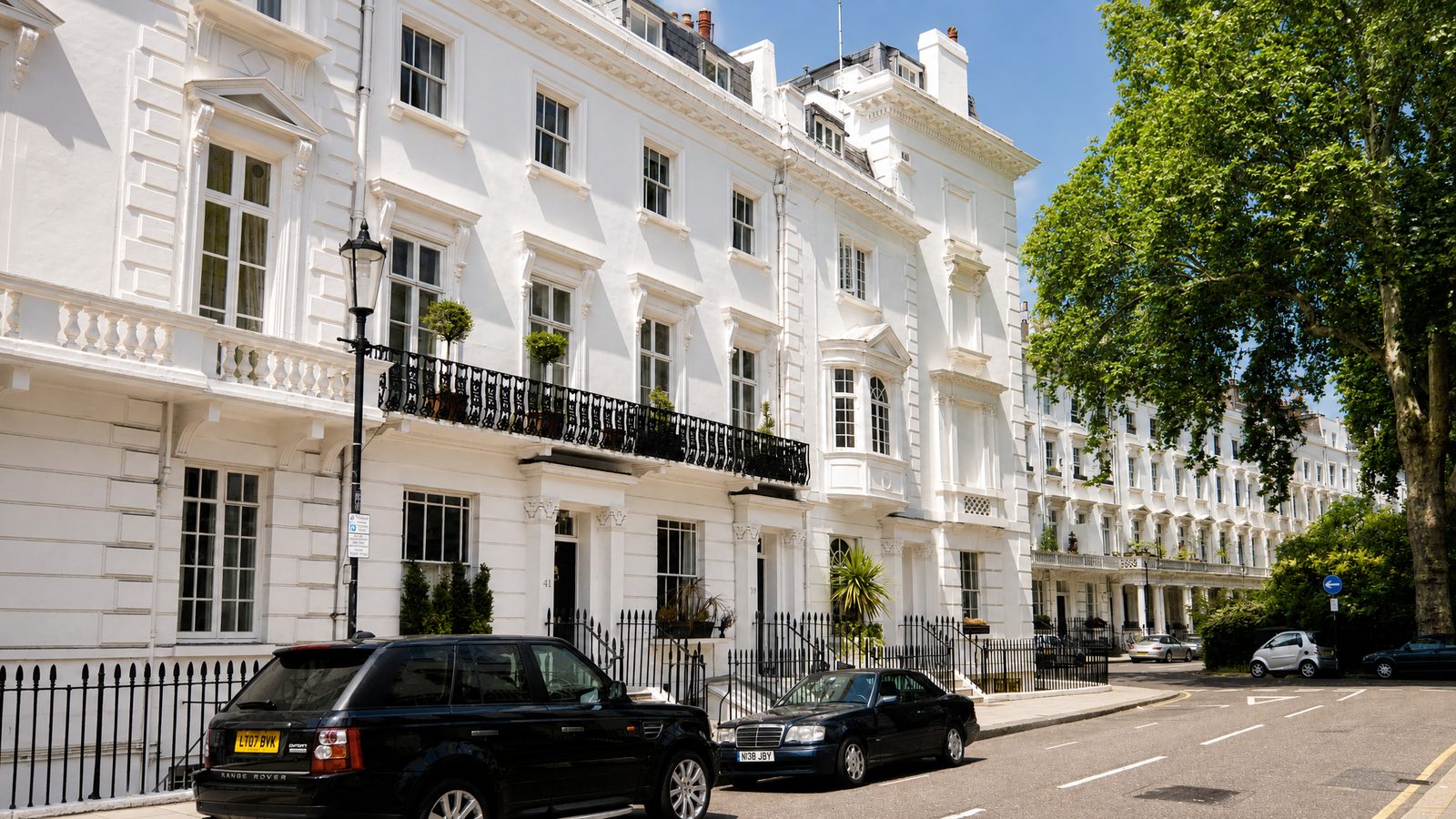
This is a considered investment, so we would rather you saw it first. We can provide a physical sample of vacuum glazing before you commit to an order, so you can judge the clarity, the edge detail and the slim single‑pane profile in your own light and against your own windows. There is no obligation, just the chance to be sure it is right for your home.
We supply the leading vacuum glazing systems, including FINEO, LandVac and Pilkington Spacia. Each has its own strengths, and we match the system to your windows, your setting and the performance you are after, on both sides of the world, from our London studio and through our Australian studio.
Common questions
Will vacuum glazing fit my existing sash windows?
In most cases, yes. Vacuum glazing is slim enough to sit within the existing glazing rebate, so it can usually be retrofitted into an original sash or casement without altering or re‑machining the joinery. We survey your windows first to confirm the fit and the right specification.
Is vacuum glazing suitable for listed buildings and conservation areas?
It is one of the few glazing upgrades that is. Because it reads as a single pane with no visible double‑glazed edge, it keeps the slim sightlines conservation officers look for. It is accepted in conservation areas and, subject to consent, in listed buildings, and we can provide drawings, product information and fact sheets to support your application.
How does vacuum glazing compare to double and triple glazing?
Vacuum glazing achieves a centre‑pane U‑value as low as 0.7 W per square metre kelvin, matching modern triple glazing, but in a unit far slimmer than either double or triple glazing. That slim profile is what allows it to fit a traditional window that could never take a conventional sealed unit.
Which vacuum glazing systems do you supply?
We supply all of the leading systems, including FINEO, LandVac and Pilkington Spacia. Rather than fitting one product to every window, we match the system to your windows, your setting and the performance you want.
Can I see it before I decide?
Yes. We can provide a physical sample of vacuum glazing before you order, so you can see the clarity and slim single‑pane profile against your own windows before committing.
Request a survey
Request a survey for your project, from a single commission to a whole scheme.
Request a surveyA studio of The Barnsbury Group
Barnsbury Joinery is the flagship studio of The Barnsbury Group, a second‑generation heritage joinery house. Established in London in 1987, it makes bespoke joinery by hand and carries the parent voice for the family of studios.
