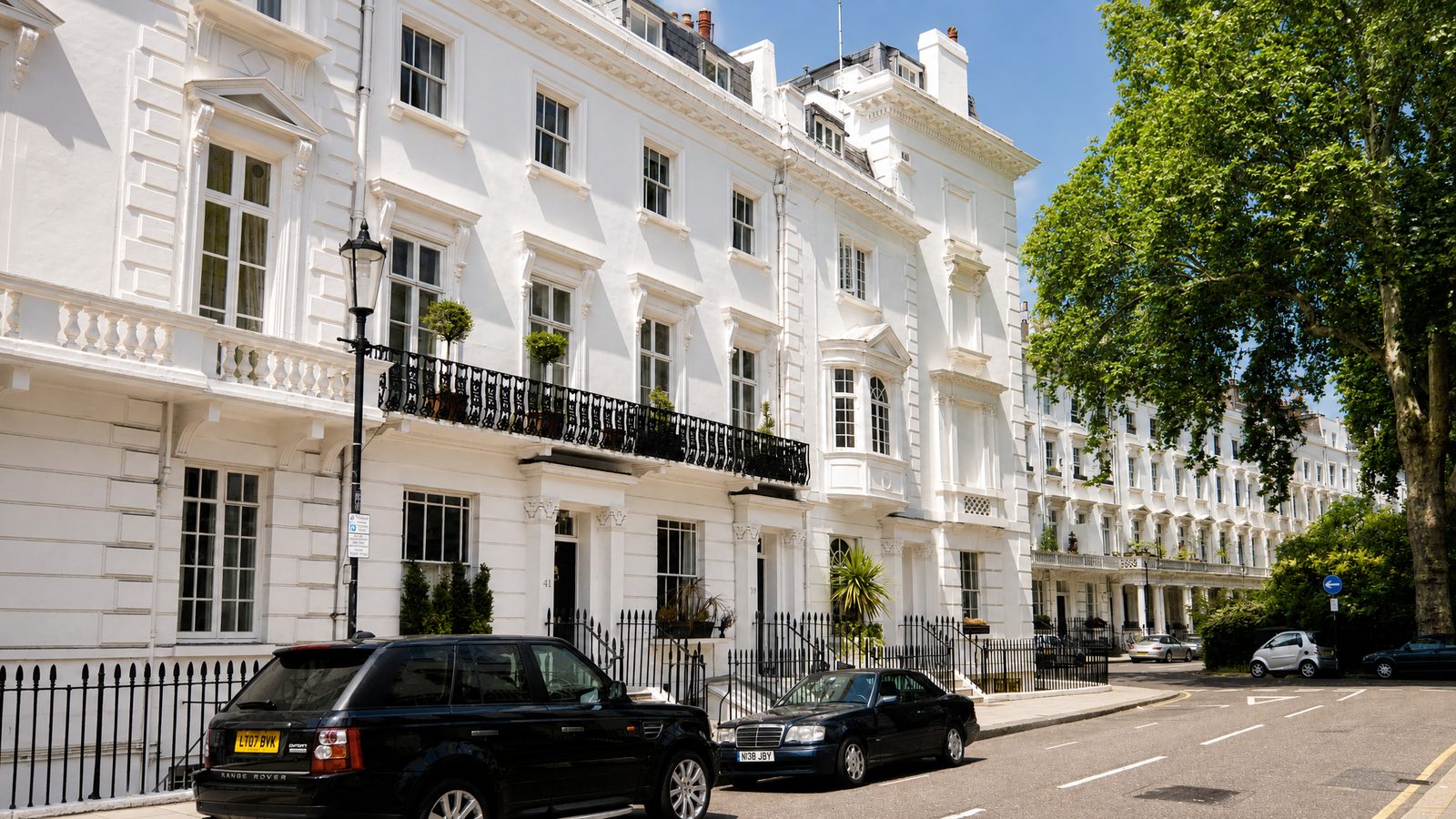
Timber window restoration and replacement in Stockwell
Conservation‑grade timber window restoration and replacement in Stockwell. Sash and casement repair, draught‑proofing and bespoke joinery. Request a survey.
Barnsbury Joinery carries out timber window restoration and replacement in Stockwell, working across the terraces, mansion blocks and converted villas that give this part of south London its character. From the tall Victorian sashes along the Stockwell Park conservation area to the sturdier casements of the interwar streets running toward Clapham and Brixton, we treat every window as a piece of joinery worth keeping wherever it can be kept, and rebuild faithfully where it cannot. Our approach is conservation‑grade throughout: we repair original timber in preference to ripping it out, we match profiles and glazing to the original, and we work in a way that respects both the fabric of the building and the appearance of the street.
Timber window restoration for Stockwell homes
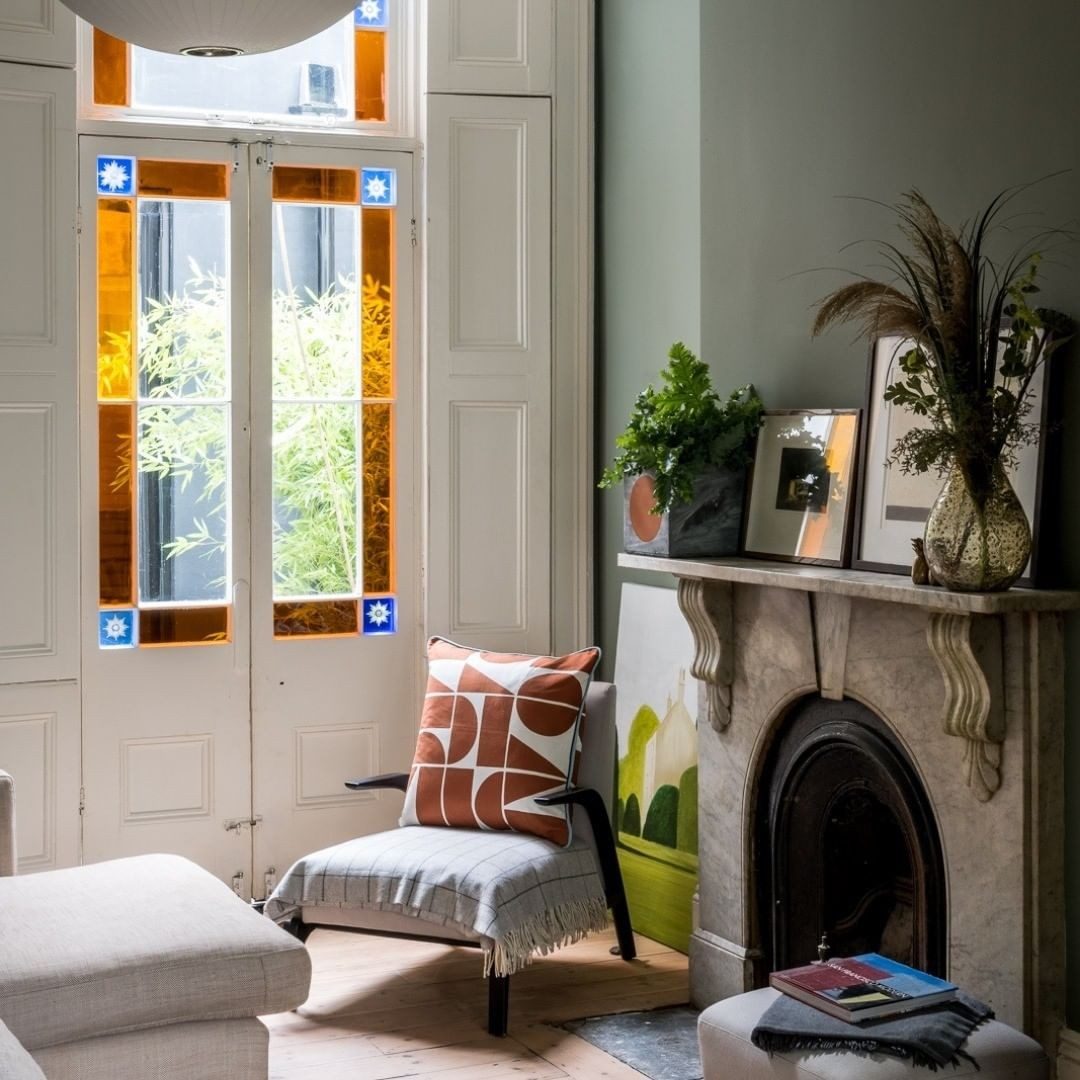
Most of the windows we see in Stockwell are worth saving. Victorian and Edwardian softwood, and the seasoned hardwood found in the area's better‑built villas, was slow‑grown and dense in a way that modern off‑the‑shelf timber rarely matches. When these windows fail it is almost never the whole frame that has gone; it is a decayed cill, a rotten sash bottom rail, a section of glazing bar or a length of cracked putty that has let water in. Our restoration work concentrates on those failure points, cutting out and splicing in new timber only where the original is beyond saving, so that the greater part of the historic window stays in place.
We begin every restoration by opening up the affected areas to establish how far the decay has travelled. Rot is often more advanced behind sound‑looking paint than it first appears, and there is little value in patching over a problem that will return within a season. Where we find soft or spongy timber we cut back to a clean, dry face and let in new timber of a matching species and grain direction, bonded and consolidated so the repair moves with the surrounding frame rather than against it. Joints are re‑cut and re‑wedged, loose mortices are tightened, and the whole is prepared, primed and painted to give a durable, weathertight finish.
The advantage of restoration over wholesale replacement is not only cost. A carefully restored window keeps the original glass, the original glazing bars and the slight irregularities that a hundred years of settlement produce, all of which contribute to the honest appearance of a period house. For owners in Stockwell's conservation areas, and for anyone who simply values the character of an older home, this fabric‑first approach is very often the right one both practically and aesthetically.
Sash window repair and overhaul
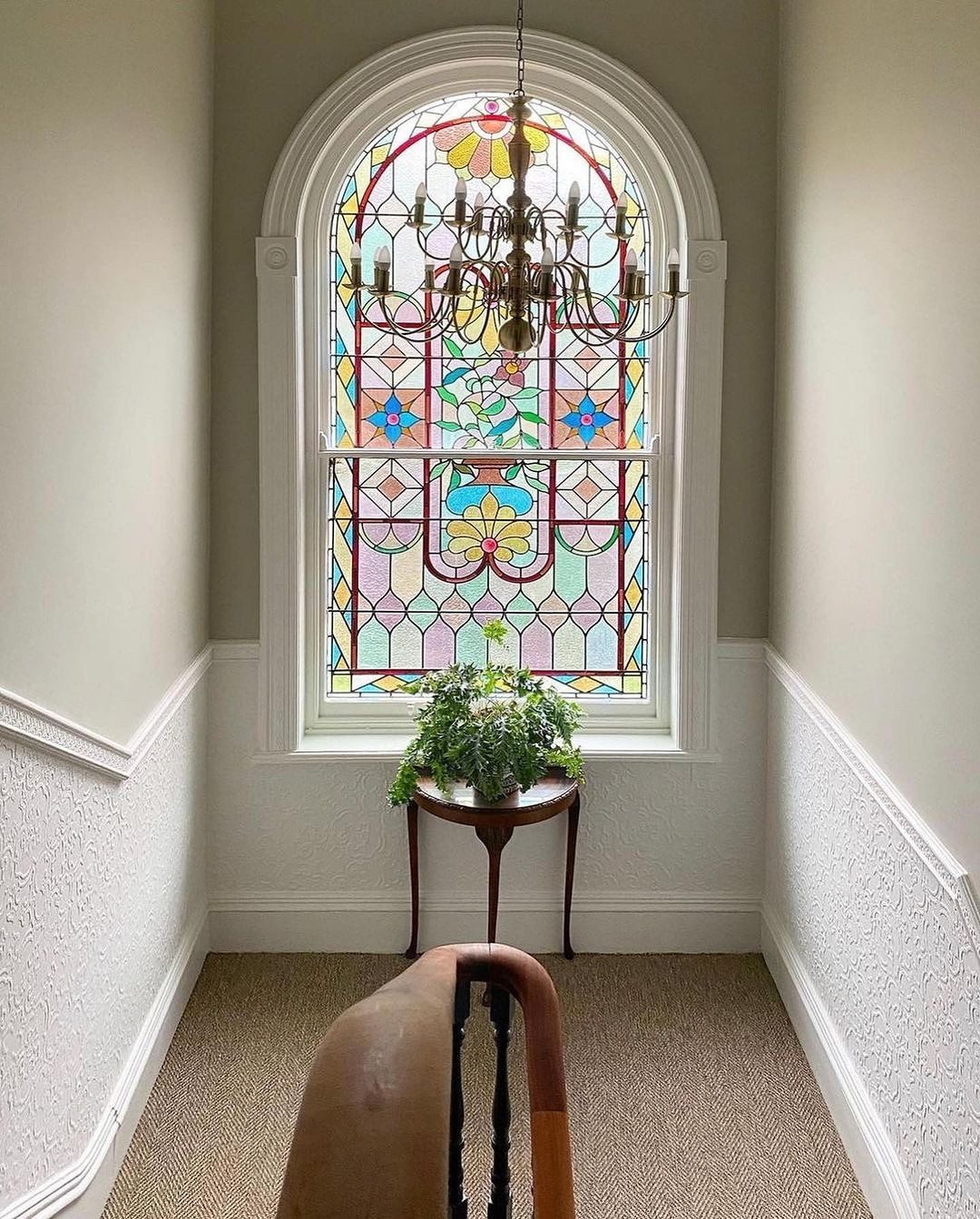
The box sash window is the defining feature of a great many Stockwell streets, and it is the type of window we work on most often. A traditional sliding sash is a surprisingly sophisticated mechanism: two glazed sashes counterbalanced by cast‑iron or lead weights hung on cords that run over pulleys inside a hollow box frame. When the system is working well the sashes glide smoothly and hold at any height. When cords fray and snap, when pulleys seize, or when decades of overpainting glue the sashes solid, the window becomes stiff, rattly and draughty, and is often painted or nailed shut in frustration.
Our sash overhaul brings the whole mechanism back to proper working order. We ease the sashes out of the frame, renew broken or perished cords with waxed cotton sash line, check and rebalance the weights so both sashes sit correctly, and free off or replace worn pulleys. Parting beads and staff beads that have split or been painted over are renewed, and the running surfaces are cleaned back so the sashes move freely once more. Meeting rails are re‑aligned and catches adjusted so the window closes tightly and locks securely.
We also address rattle and draught at the same visit, because a sound sash mechanism and a well‑sealed window go hand in hand. Discreet brush‑pile seals are routed into the frame and beads so they are all but invisible once the window is closed, cutting draughts and noise without altering the external appearance. The result is a sash window that opens and closes as it was designed to, seals against the south London weather, and looks entirely original from the street.
Casement windows, draught‑proofing and energy efficiency
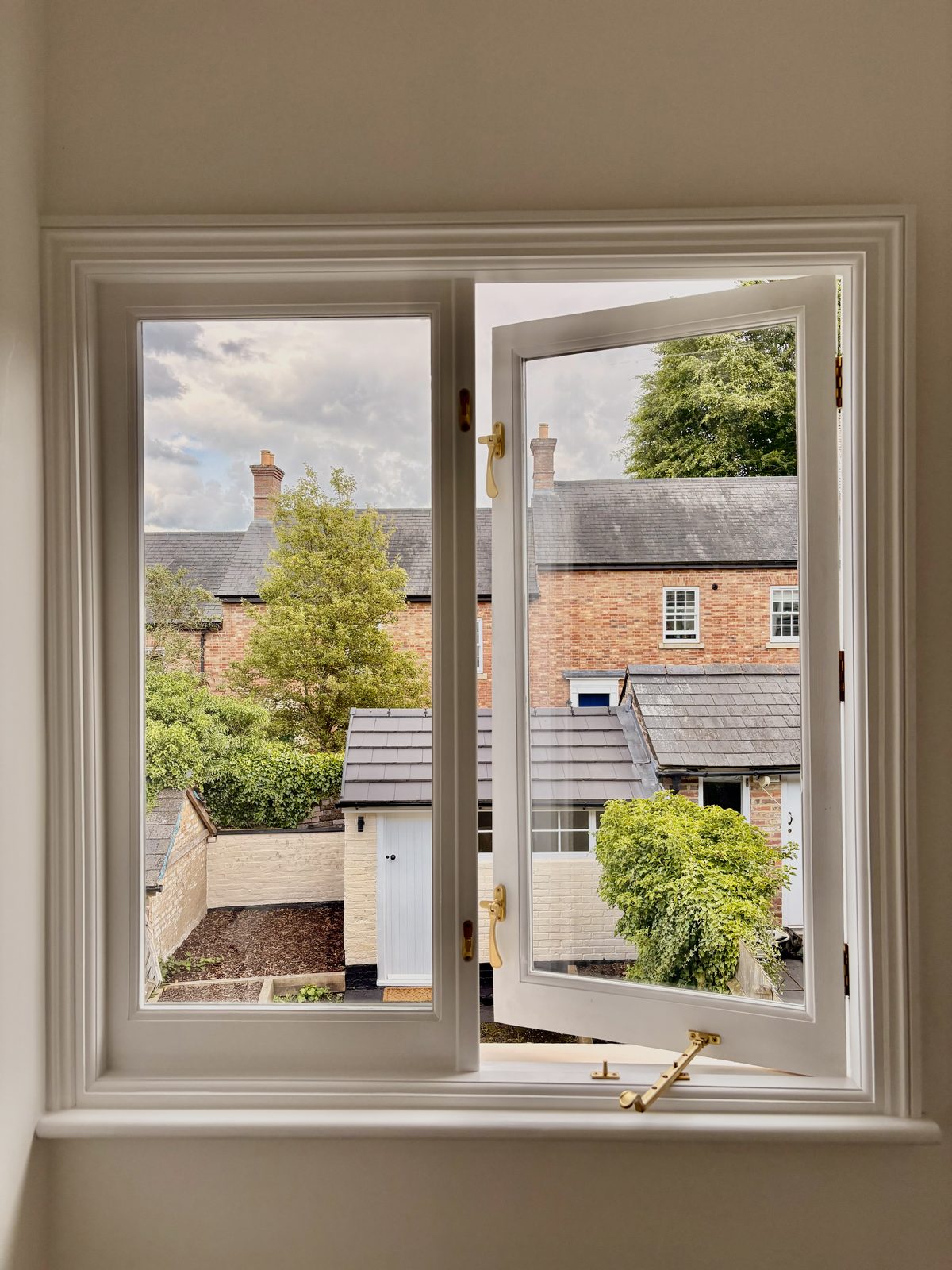
Alongside the sashes, Stockwell has a good stock of timber casement windows, particularly on its interwar and postwar streets and in the many rear extensions and converted flats across the area. Casements bring their own issues: dropped hinges that cause the opening light to bind, swollen or shrunken timber that no longer sits square in the frame, failed weatherseals, and decayed cills where water has been allowed to stand. We repair and re‑hang casements so they close cleanly on all four edges, renew ironmongery where it has worn or corroded, and re‑seal the perimeter for a snug, weathertight fit.
Draught‑proofing is one of the most cost‑effective improvements available to the owner of an older timber window, and we fit it as a matter of course during most overhauls. A well‑draught‑proofed sash or casement dramatically reduces heat loss, wind noise and dust ingress, and does so without the visual compromise of replacement units. For those wanting to go further, we can incorporate slim double‑glazed or heritage vacuum‑glazed units into existing or new sashes where the frame will carry the extra weight, and where planning and conservation constraints allow. This gives a meaningful improvement in thermal and acoustic performance while retaining the slender sight lines that make a period window look right.
Every energy upgrade we carry out is judged against the character of the specific window and building. In a conservation area or on a listed property we will always advise the least intrusive option that meets your goals, so that comfort is improved without the appearance of the house being coarsened.
Bespoke timber window replacement
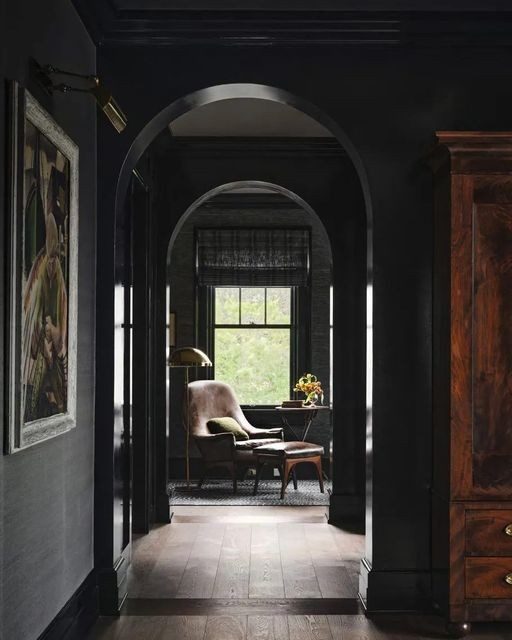
Sometimes a window is simply too far gone. Sustained water ingress, past insertion of unsuitable materials, or a previous replacement in the wrong style can leave a window that is not worth restoring. In those cases we make new windows to order, drawing on the same joinery traditions that produced the originals. Every replacement is made to measure for its opening rather than adapted from a stock size, and is copied faithfully from the window it replaces or from surviving originals elsewhere on the building.
Profile matching is central to this work. The depth of a glazing bar, the curve of a sash horn, the moulding on a cill and the proportion of the meeting rail all contribute to whether a new window reads as authentic or as an obvious modern intrusion. We reproduce these details precisely, and we specify responsibly sourced, durable timber suited to the exposure of the elevation. New windows can be single‑glazed to match neighbouring originals, or fitted with slim insulating glass where that is appropriate, and are fully finished ready for the street.
This bespoke approach matters most on Stockwell's period terraces, where a single ill‑judged replacement can spoil the rhythm of an otherwise consistent frontage. By making windows that match the original in material, profile and finish, we keep individual houses looking coherent and help maintain the wider streetscape.
Working on listed and conservation‑area properties
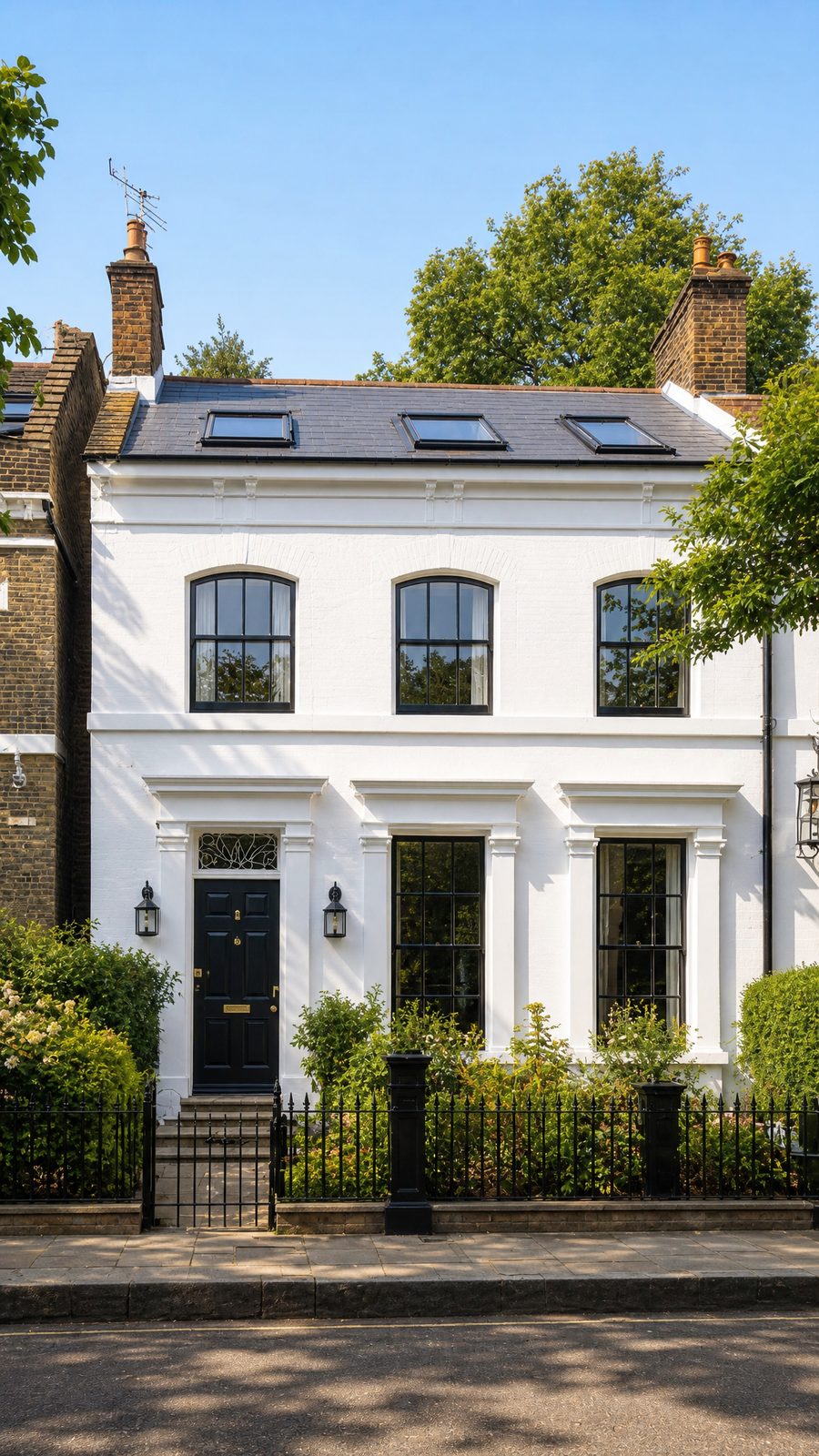
A significant part of our work in Stockwell involves listed buildings and properties within conservation areas, where the treatment of windows is often controlled. In these settings the presumption is strongly in favour of repair, and like‑for‑like restoration will frequently proceed without the need for consent, whereas replacement or alteration may require listed building consent or planning permission. We are experienced in working to these expectations and in producing work that satisfies conservation officers.
We are happy to advise on what is likely to be acceptable for your particular property, to provide the profile drawings and specifications that support an application, and to carry out the work to the standard that heritage settings demand. Our aim throughout is to leave a window that is sound, functional and correct in appearance, and that will serve for decades to come.
Serving Stockwell and the surrounding areas
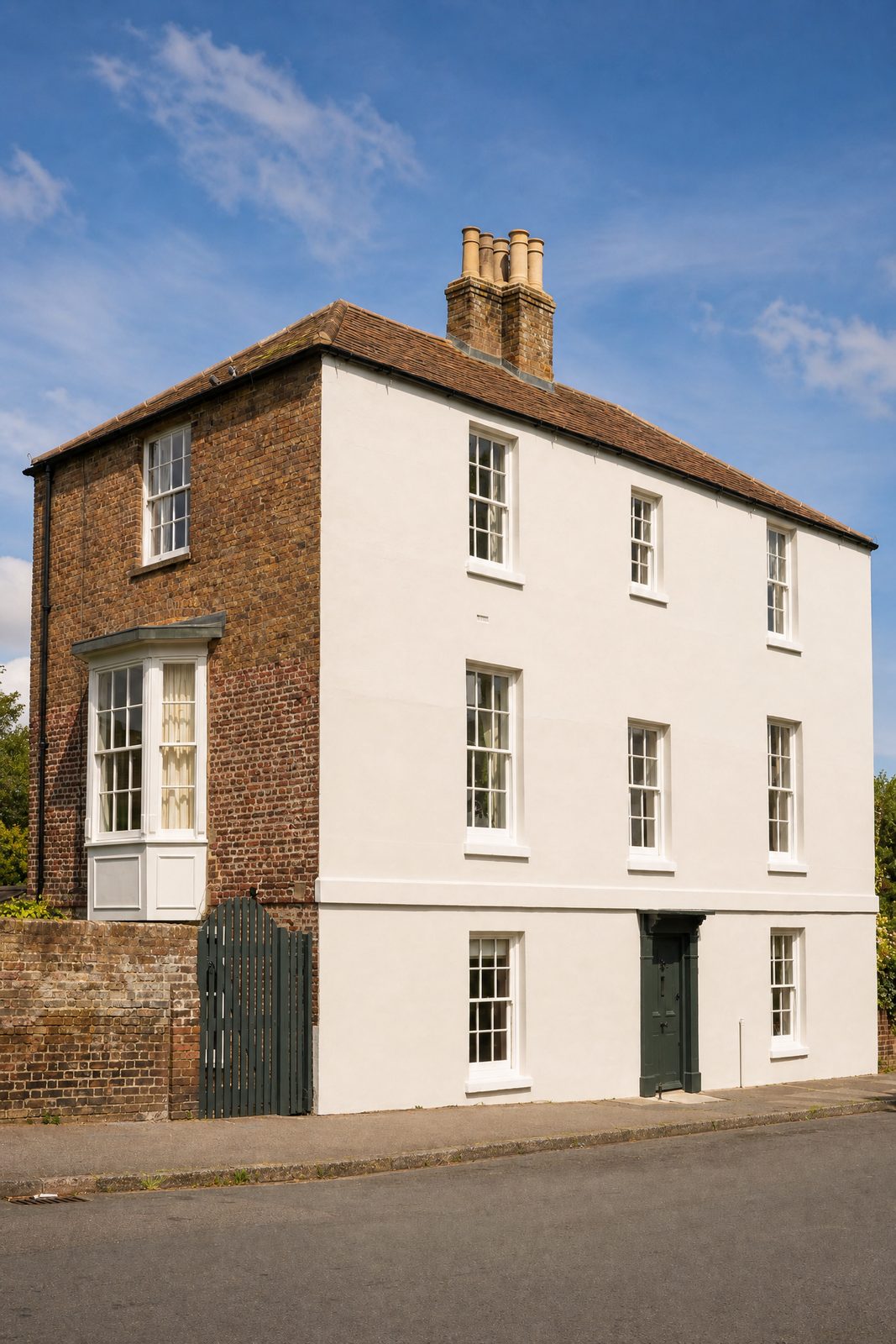
Barnsbury Joinery is based in London, and Stockwell sits well within the area we serve across south and central London. Alongside Stockwell itself, we regularly work in the neighbouring districts of Clapham, Brixton, Vauxhall, Kennington, Oval and Camberwell, and we take on projects more widely across Greater London where the work suits our specialism.
Whether you have a single stiff sash that will not open, a whole house of tired windows in need of overhaul, or a period property requiring sympathetic replacement, we can help. To discuss your windows and arrange for us to assess them in person, please request a survey and we will talk through the options and the likely scope of work.
Common questions
Should I restore or replace my timber windows?
In most cases restoration is both possible and preferable. Period softwood and hardwood is dense and durable, and failures are usually confined to cills, sash bottoms, glazing bars or putty rather than the whole frame. We repair original timber wherever it can be saved and only recommend replacement when a window is genuinely beyond repair, for example after sustained water damage or an unsuitable earlier alteration. We will give you an honest assessment when we survey the windows.
Can you stop my sash windows rattling and draughting?
Yes. During a sash overhaul we fit discreet brush‑pile seals into the frame and beads, renew the sash cords, rebalance the weights and re‑align the meeting rails so the window closes tightly. This removes rattle, cuts draughts and reduces noise, all without changing how the window looks from the street.
Do you match existing window profiles and glazing?
We do. Profile matching is central to our work. We reproduce glazing bar depths, sash horns, cill mouldings and meeting rail proportions to match the original window, and match the glazing so that repairs and replacements read as authentic rather than as obvious modern insertions. This is especially important on period terraces and in conservation areas.
Can you improve energy efficiency without replacing my windows?
Yes. Draught‑proofing an existing sash or casement is one of the most cost‑effective upgrades available and significantly reduces heat loss and noise. Where the frame allows and planning permits, we can also fit slim double‑glazed or heritage vacuum‑glazed units while keeping the slender sight lines of the original window.
Do you work on listed buildings and in conservation areas?
Regularly. We have considerable experience of heritage settings, where repair is generally favoured over replacement and where consent may be required for alterations. We work to the standards conservation officers expect and can supply the profile drawings and specifications needed to support an application.
How long does the work take and how do I arrange it?
Most jobs take between one and five days depending on the scope, from a single sash overhaul to a whole house of windows. To get started, request a survey and we will assess the windows in person, explain the options and set out the likely scope and timescale before any work begins.
Request a survey
Request a survey for your project, from a single commission to a whole scheme.
Request a surveyA studio of The Barnsbury Group
Barnsbury Joinery is the flagship studio of The Barnsbury Group, a second‑generation heritage joinery house. Established in London in 1987, it makes bespoke joinery by hand and carries the parent voice for the family of studios.
