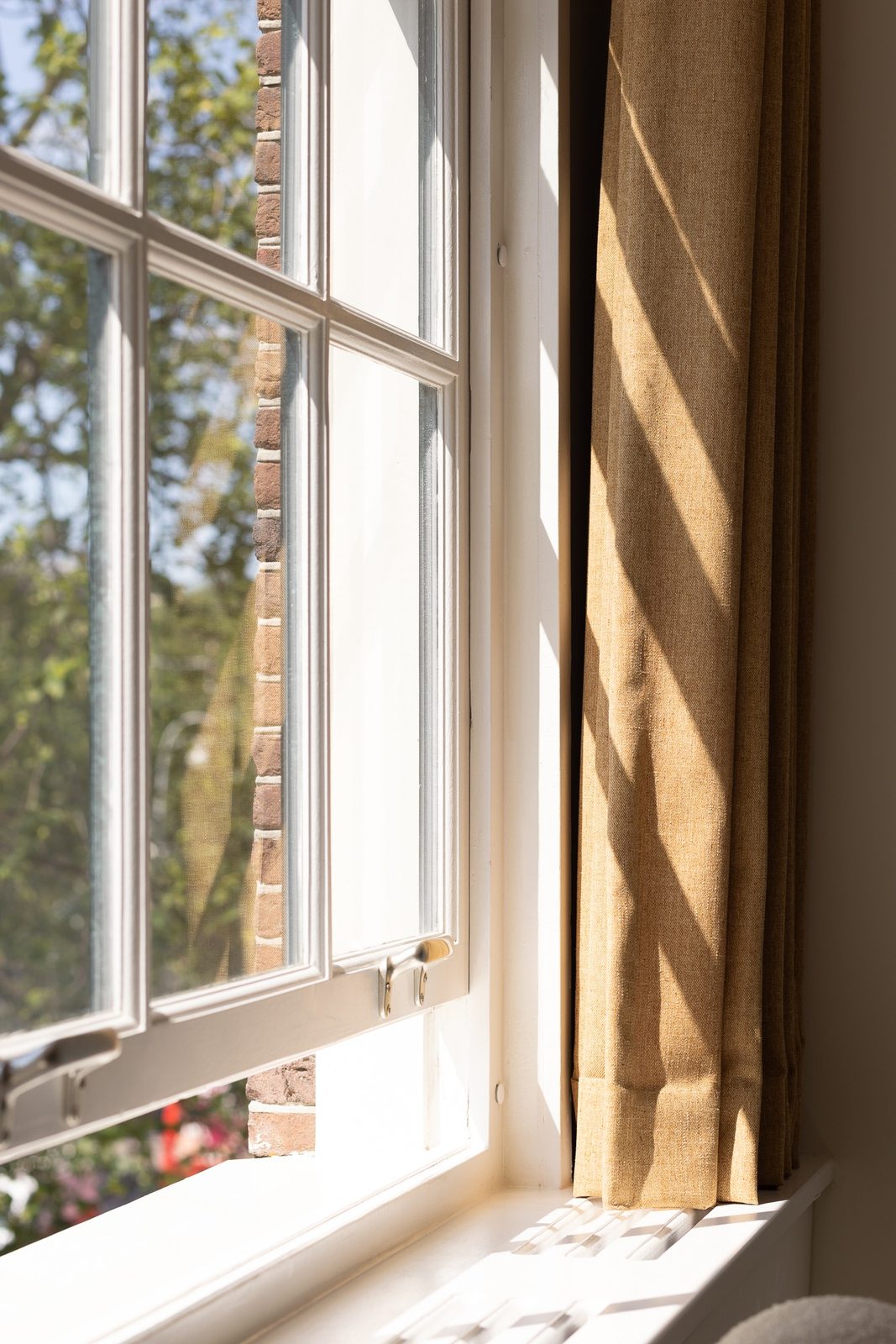
Slimline double glazing in Hertfordshire
Slimline double glazing in Hertfordshire for period and listed homes. Conservation‑grade sash and casement work across St Albans, Harpenden and beyond.
Barnsbury Joinery specialises in slimline double glazing for period and listed homes across Hertfordshire. From our studio in north London, we bring conservation‑grade sash and casement joinery to the county's historic housing stock, upgrading the thermal comfort of timber windows without disturbing the slender sightlines and traditional proportions that give an older property its character. Whether you own a Georgian townhouse in St Albans, a Victorian terrace in Watford or an Edwardian villa in Harpenden, our approach keeps the original window design intact while quietly improving its performance.
Hertfordshire is one of the areas we serve in full. Because we work throughout London and the South East, we can carry out the complete service here: survey, restoration, repair and fitted installation, all delivered by joiners who understand the demands of conservation areas and listed buildings. This page explains what slimline double glazing involves, why it suits Hertfordshire's period homes, and how we work across the county.
What is slimline double glazing?
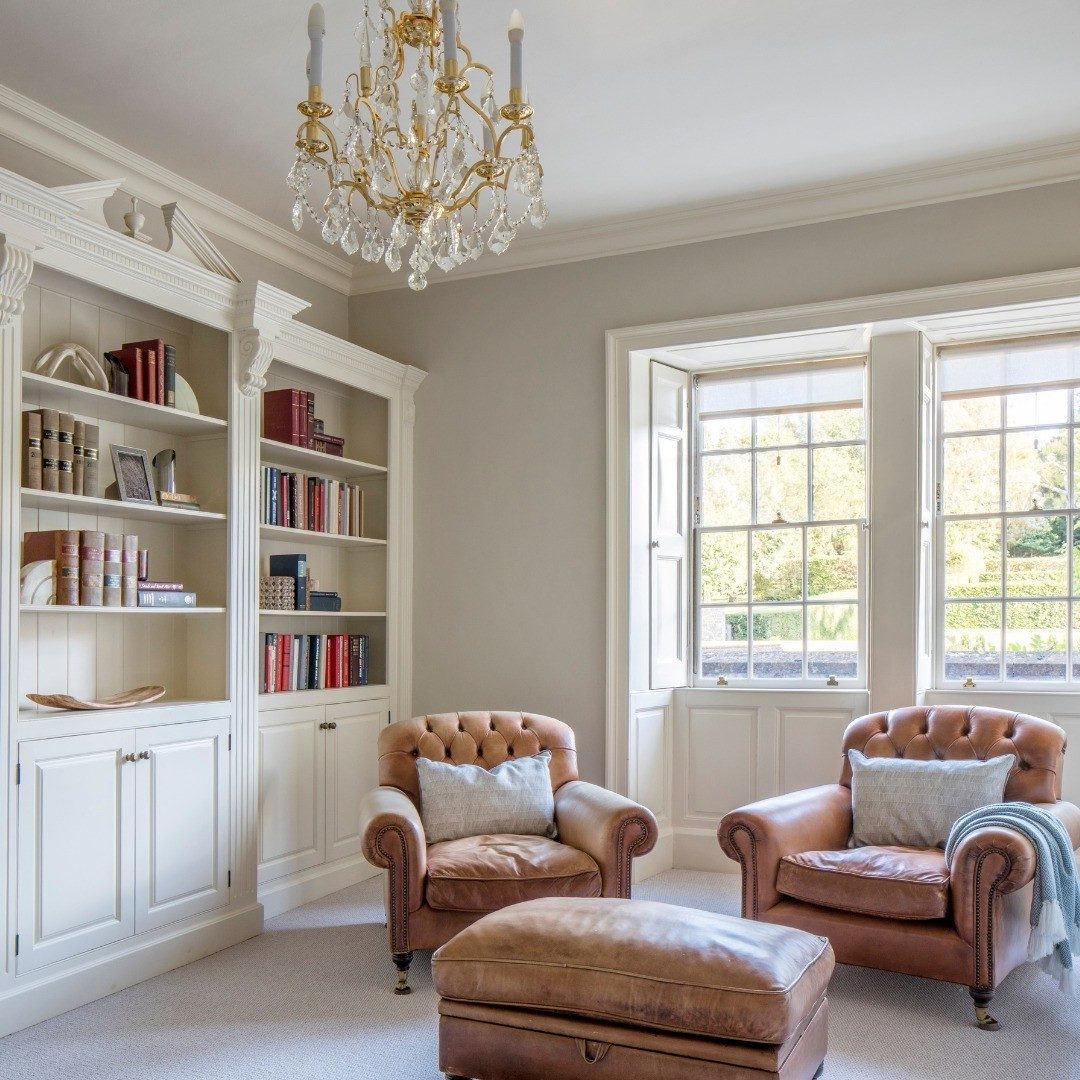
Slimline double glazing uses a narrow sealed cavity, usually around 10mm to 12mm, between two panes of glass. Conventional double glazing relies on a much wider gap, often 20mm or more, which forces chunky glazing bars and heavy frames that look wrong on a period property. The slimline unit keeps the overall glass thickness modest, so it can be set into traditional timber frames and behind slender astragal bars without the finished window looking bulky or modern.
The result is a window that reads as authentic single glazing from the street, yet performs far closer to a modern sealed unit. For sash windows in particular, this matters. The delicate meeting rails, fine glazing bars and shallow rebates of a period sash simply cannot accommodate a standard double glazed unit without altering the whole design. Slimline units are engineered specifically to fit within those constraints, which is why they have become the preferred route for upgrading historic timber windows.
We specify units with a warm‑edge spacer and an inert gas fill, along with a low‑emissivity coating, to draw the thermal performance as low as the slim cavity allows. The glass itself can be chosen to suit the property, including options that mimic the gentle imperfections of older cylinder and crown glass, so the reflections and surface texture stay sympathetic to the age of the building.
Why Hertfordshire homeowners choose slimline units
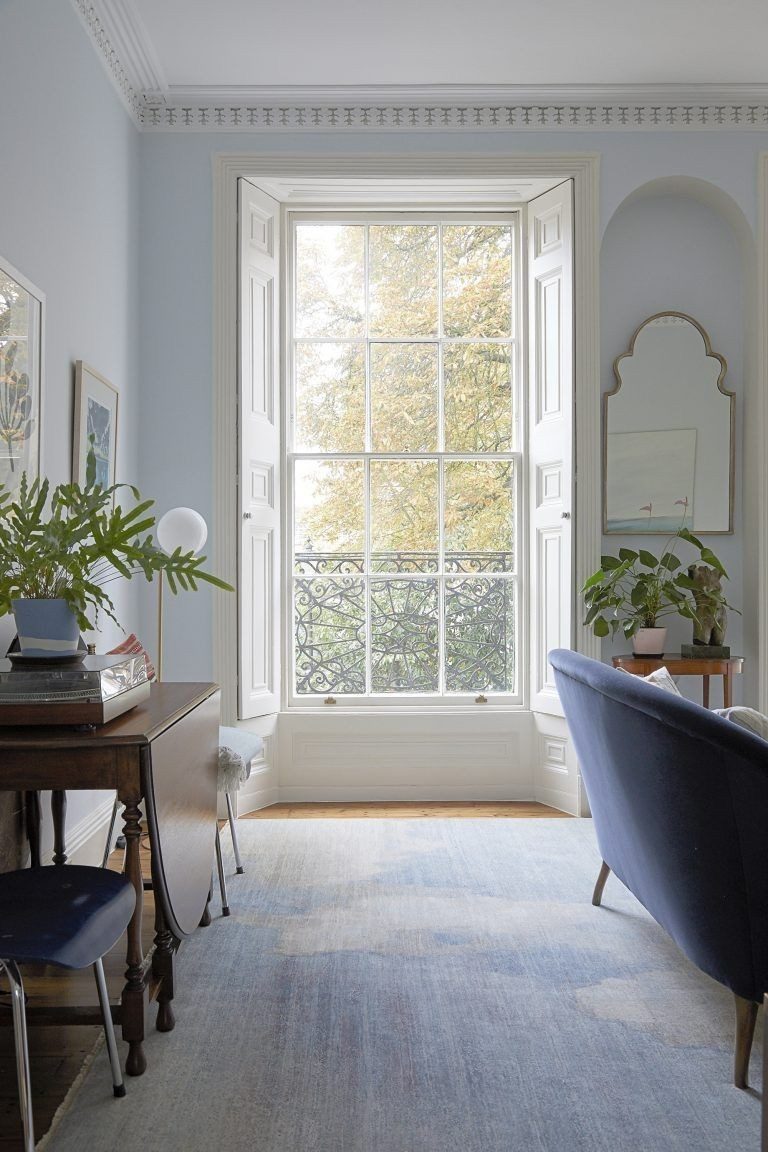
Hertfordshire has an unusually rich mix of period property, from Georgian and Regency houses in the market towns to long runs of Victorian and Edwardian terraces in the commuter belt. Much of this housing sits within conservation areas, and a good proportion carries listed status. In these settings, replacing timber windows with modern uPVC or standard double glazing is often unacceptable to the local authority, and it strips away the very features that make the house desirable in the first place.
Slimline double glazing offers a way through. It lets homeowners keep original or faithfully replicated timber windows while addressing the practical problems that come with single glazing: draughts, condensation, heat loss and noise. For families living beside busy roads in Watford or Hemel Hempstead, the acoustic improvement alone can transform how a room feels. For those in quieter conservation streets in St Albans or Berkhamsted, the appeal is warmth and reduced energy bills without any visible compromise to the frontage.
There is also the question of value. Period homes in Hertfordshire command a premium precisely because of their character, and buyers increasingly expect comfort as well as heritage. Upgrading the glazing in a way that respects the original joinery protects both aspects at once. It is a considered investment rather than a like‑for‑like replacement, and it tends to be viewed favourably by conservation officers because it conserves the historic fabric.
Key benefits of slimline double glazing
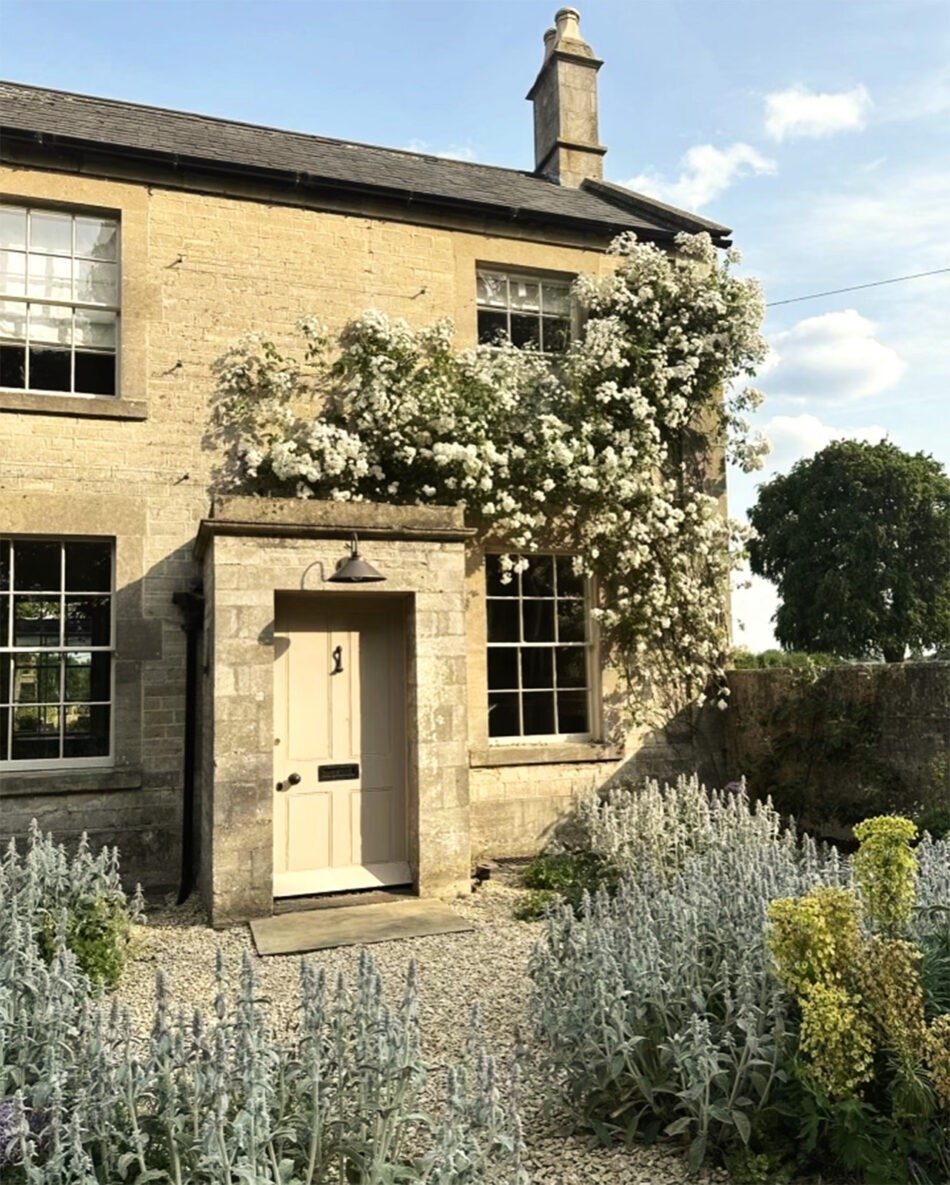
Preserving historic character is the first and most important benefit. Our slimline glazing closely echoes the appearance of traditional single glazing, so your sash or casement windows continue to look authentic from both inside and out. The sightlines stay slim, the glazing bars stay fine, and the timber profiles remain true to the period of the house.
Improved thermal efficiency follows close behind. With a well specified slimline unit, U‑values can reach around 1.5 W per square metre kelvin, a substantial improvement on the single glazing it replaces. In everyday terms that means a warmer, quieter and more settled home, with fewer draughts and far less condensation forming on the glass during the colder months.
Conservation compliance is the third benefit, and often the deciding one. Because the solution retains the traditional look of the window, it is far more likely to gain approval in Hertfordshire's conservation areas and on listed buildings. We are used to working within these constraints and can advise on what is likely to be acceptable before any work begins, so you approach the local authority with a scheme that stands a strong chance of consent.
Our restoration‑led installation process
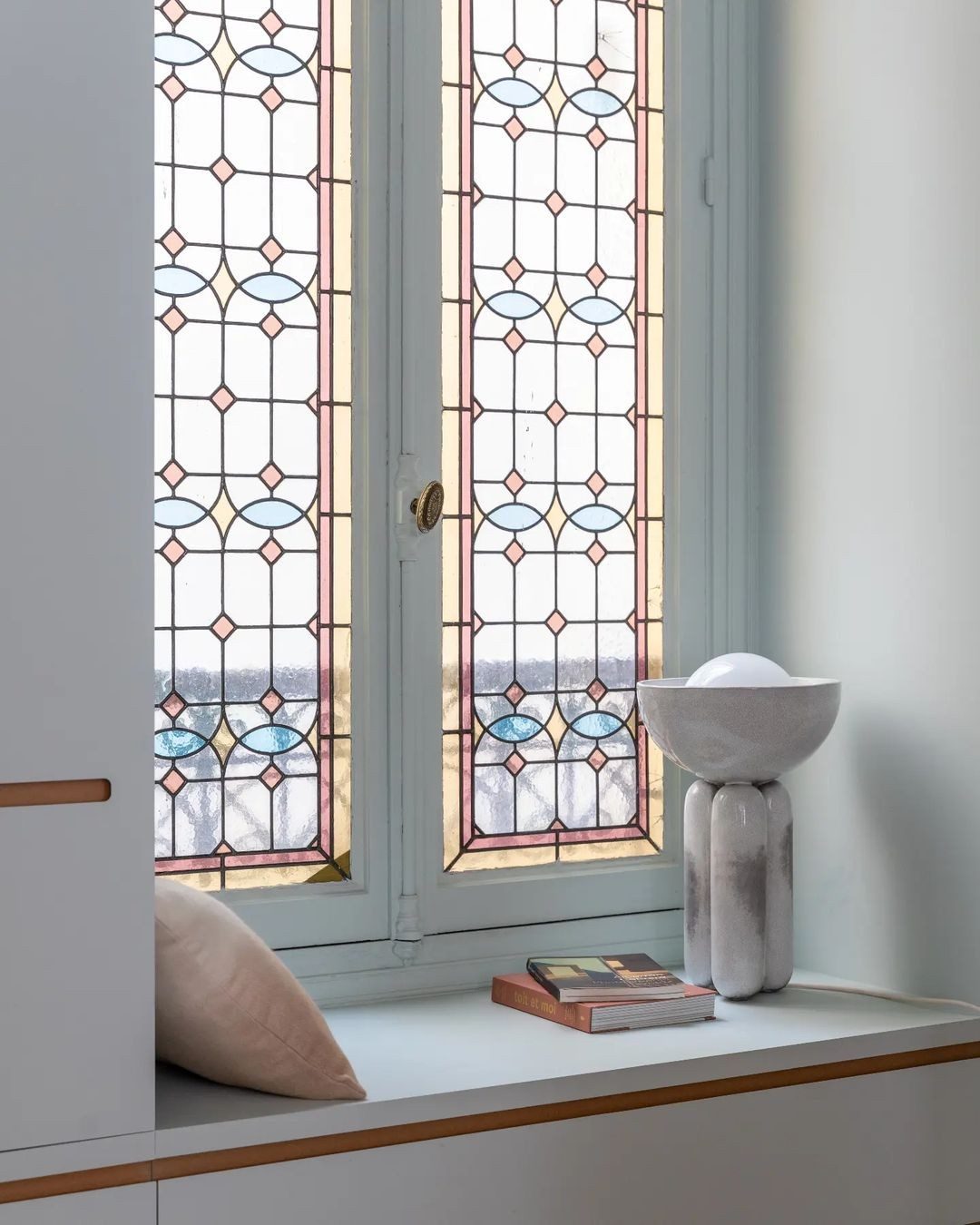
We take a restoration‑led approach rather than a rip‑out‑and‑replace one. Every project begins with a detailed survey of the existing windows, where we assess the condition of the timber, the frames and the surrounding masonry, and confirm exactly what can be retained. To arrange this, you can request a survey and we will visit the property to take precise measurements and understand what the building needs.
Where the original timber is sound, we restore it: easing and splicing sashes, renewing failed sections, overhauling the cords, weights and pulleys, and drawing the windows back into smooth working order. Where a window or a section is beyond saving, we replicate it faithfully in seasoned timber, matching the mouldings and proportions of the original so the repair is invisible.
The slimline units are then installed into the restored or replicated frames, and finished with traditional putty glazing where the design calls for it, so the glazing detail stays true to the period. A final inspection confirms that every sash runs correctly, the draught‑proofing seats cleanly and the finished work meets the standard we expect. Throughout, our aim is to conserve as much of the original as possible and to leave you with windows that will serve for decades.
Areas we cover across Hertfordshire
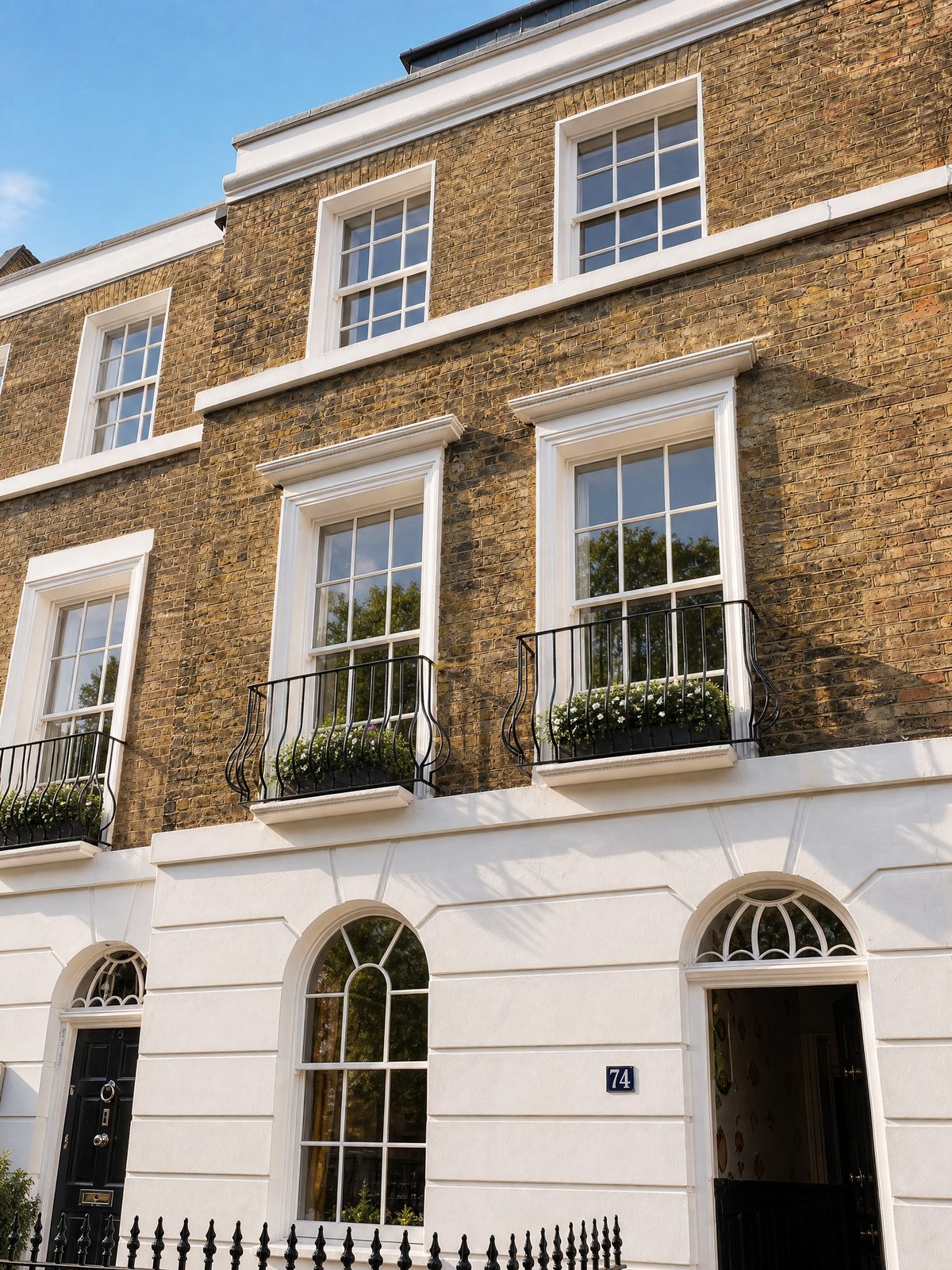
We provide our full service, from survey and restoration through to fitted installation, across Hertfordshire and the wider South East. Regular locations include St Albans, Harpenden, Berkhamsted, Hitchin, Watford, Hemel Hempstead and Tring, along with the surrounding villages and conservation areas throughout the county.
Because our studio is in north London, Hertfordshire sits comfortably within the region where we carry out hands‑on work, so there is no compromise on the level of service you receive. If your property is further afield, elsewhere in the UK, we can still help with made‑to‑measure supply: bespoke timber windows and slimline units manufactured to your measurements and delivered ready for a local installer to fit. For Hertfordshire homeowners, though, we handle the whole process ourselves, from the first survey to the final inspection.
Common questions
Is slimline double glazing suitable for listed buildings in Hertfordshire?
In many cases, yes. Slimline units are specifically designed to retain the appearance of traditional single glazing, which makes them far more acceptable to conservation officers than standard double glazing. Listed building consent is usually still required, and we can advise on a scheme that stands a good chance of approval before you apply. We recommend involving your local authority early in the process.
Will slimline double glazing change how my sash windows look?
No. The whole purpose of slimline glazing is to preserve the original look of your windows. The units fit within traditional timber frames and behind fine glazing bars, keeping the slender sightlines of a period sash intact. We can also specify glass that mimics the subtle texture of older glass, so the finished window stays sympathetic to the age of the house.
How thermally efficient is slimline double glazing?
A well specified slimline unit can achieve a U‑value of around 1.5 W per square metre kelvin, which is a significant improvement on single glazing. In practice this means a noticeably warmer, quieter home with far less condensation. We use warm‑edge spacers, an inert gas fill and a low‑emissivity coating to draw the performance as low as the slim cavity allows.
Do you replace the whole window or upgrade the existing one?
Wherever possible we restore and retain the original timber, easing and repairing the sashes and overhauling the mechanism before fitting the slimline units. We only replicate a window, or part of one, when the existing timber is genuinely beyond saving. This restoration‑led approach conserves the historic fabric and is usually preferred by conservation officers.
Which parts of Hertfordshire do you cover?
We provide our full service across Hertfordshire, including St Albans, Harpenden, Berkhamsted, Hitchin, Watford, Hemel Hempstead, Tring and the surrounding areas. Our studio is in north London, so Hertfordshire sits well within the region where we carry out survey, restoration and fitted installation.
How do I get started?
The first step is to request a survey. We visit your property to assess the condition of the existing windows, take precise measurements and discuss what the building needs. From there we can advise on the most appropriate approach and prepare a detailed proposal. You can book a survey by phone on 020 7164 6305 or by email at info@barnsburyjoinery.com.
Request a survey
Request a survey for your project, from a single commission to a whole scheme.
Request a surveyA studio of The Barnsbury Group
Barnsbury Joinery is the flagship studio of The Barnsbury Group, a second‑generation heritage joinery house. Established in London in 1987, it makes bespoke joinery by hand and carries the parent voice for the family of studios.
