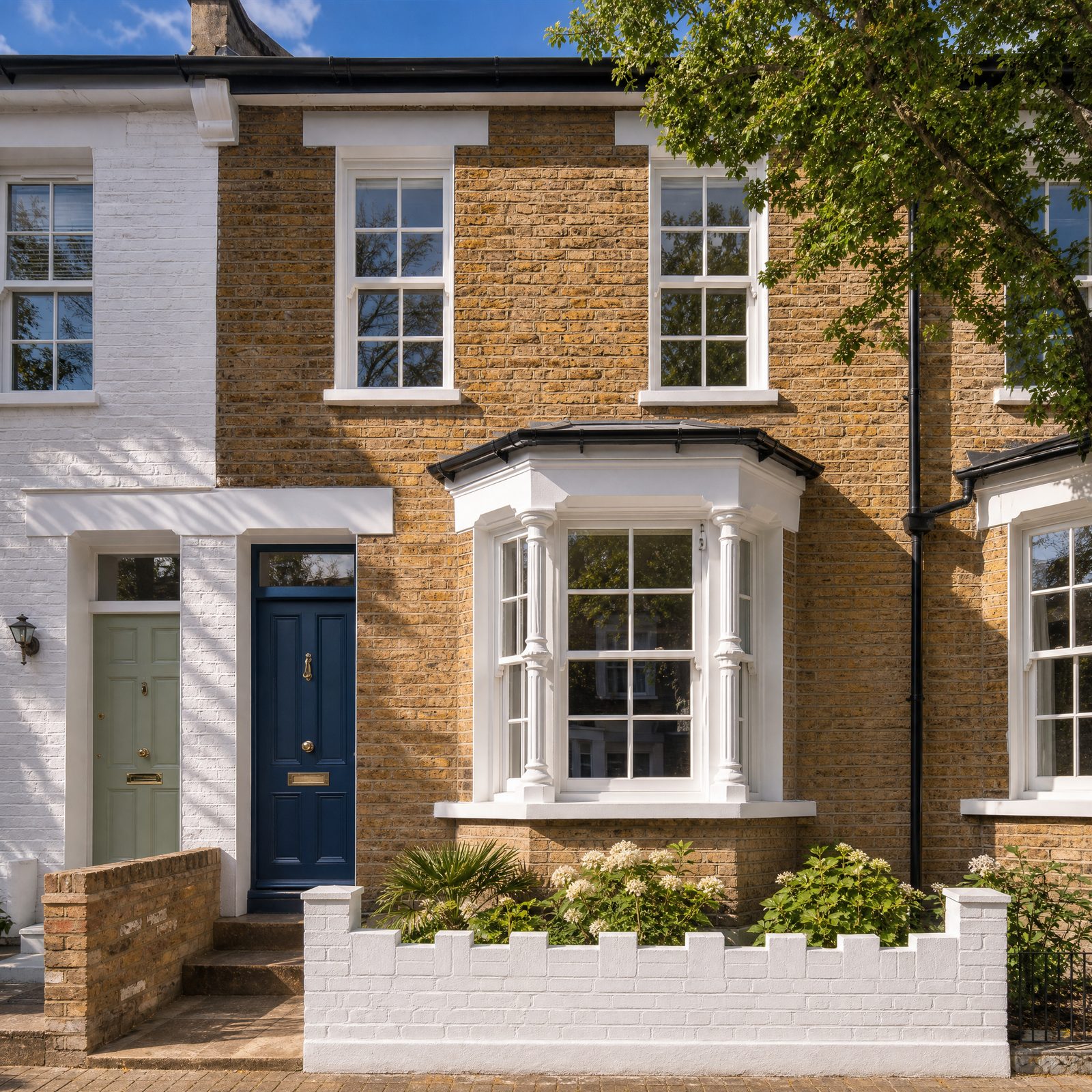
Sash window repairs in Highbury
Conservation‑grade sash window repairs in Highbury (N5). Timber splicing, cord and weight renewal, draught‑proofing and glazing. Request a survey.
Highbury is one of North London's most complete Victorian survivals, and its stucco‑fronted terraces, mansion blocks and garden‑square houses were built with timber box sash windows that were meant to be repaired rather than replaced. Around Highbury Fields, Aberdeen Park, Highbury New Park and the streets running down towards Canonbury, the original joinery is often more than a century old, yet the majority of it can be brought back to smooth, weathertight working order without losing a single original moulding. Our specialist team provides sash window repairs in Highbury (N5) that are conservation‑grade from the first survey to the final coat, working the way period joinery was always intended to be maintained.
We are a London joinery studio based in north London, and Highbury sits firmly within the area we serve every week. That local familiarity matters. We know how these houses were built, how the sash boxes were framed, and how decades of paint, movement and past repairs tend to affect them. Rather than reaching for wholesale replacement, we take a repair‑first approach that preserves the character of the window, protects the value of a period property, and keeps as much irreplaceable historic timber in place as the fabric allows.
Sash window repairs for Highbury's period homes
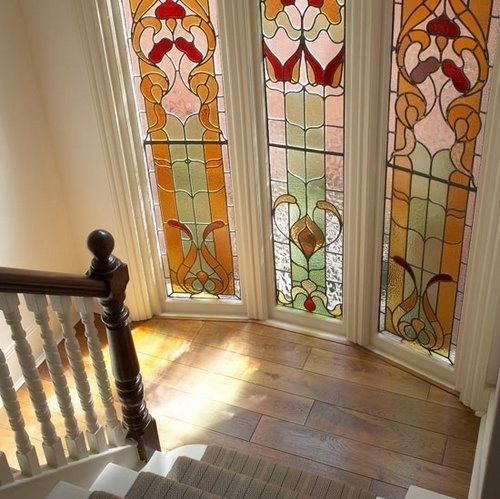
The housing stock across Highbury is unusually consistent. Late‑Georgian and Victorian terraces, Edwardian villas around Highbury New Park, and the substantial mansion flats near Highbury Corner all share the same underlying technology: a counter‑balanced timber box sash, hung on cords over concealed weights and running in a boxed frame set into the masonry. When one of these windows sticks, rattles or lets in draughts, the instinct of many owners is to assume the whole unit is finished. In our experience that is almost never the case. The parts that fail are usually the moving and sacrificial elements, and those are exactly the parts a skilled joiner is meant to renew.
We repair the full range of faults that Highbury owners bring to us. Rotten sill sections and decayed frame joints, sashes that have been painted shut for years, snapped sash cords and displaced weights, rattling panes and persistent draughts, cracked glass and perished putty, and worn pulleys or tired ironmongery are all everyday work for us. Each of these is a discrete problem with a proven remedy, and treating them individually is what allows us to save the original window instead of ripping it out.
Because Highbury contains extensive conservation areas and a large number of listed and locally listed buildings, sympathetic repair is not only the better choice for the fabric, it is frequently the choice that planning policy expects. Retaining original glass, glazing bars and profiles keeps a facade honest, and it avoids the flat, over‑uniform look that modern replacement units bring to a Victorian elevation. Our work is designed to be invisible once finished: the window simply works as it should, and looks as it always did.
Our conservation‑grade restoration process
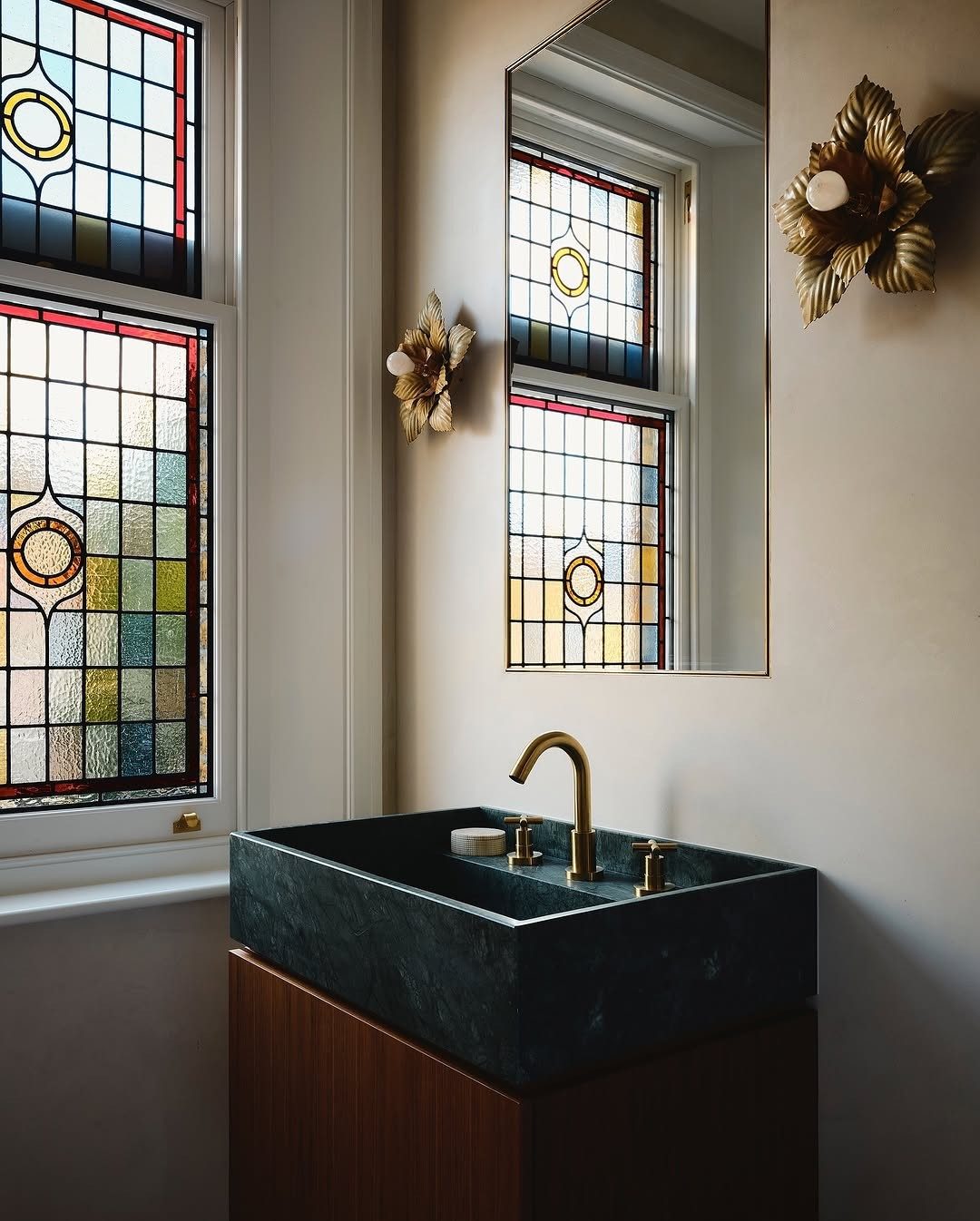
Every repair follows a considered sequence rather than a rushed fix, and it begins with proper survey rather than guesswork. We start by carefully removing the top and bottom sashes so the whole window can be assessed in the open, which is the only way to judge the true condition of the frame, the sill and the concealed box behind the plaster reveal.
With the sashes out, we carry out a full inspection of the frame and sill, probing for soft timber, checking the integrity of the joints, and identifying where past repairs may have trapped moisture or bridged a paint line. Where timber has decayed, we repair it using splicing techniques, cutting out only the failed section and letting in new seasoned timber to match the original profile. This is the heart of conservation‑grade work: we replace what has failed and keep what has not, so the majority of the historic section survives.
We then renew the sash cords and, where necessary, rebalance or replace the weights so the sashes glide and hold at any height. Pulleys are serviced or upgraded so the movement is smooth and quiet, and the ironmongery is overhauled or sympathetically replaced. Once the mechanism is sound, we install discreet draught‑proofing into the meeting rails and running surfaces, and finish with glazing and putty repairs where panes or bedding have failed. The result is a window that opens easily, seals properly, and is set up to last for decades rather than seasons.
Draught‑proofing and thermal comfort in N5
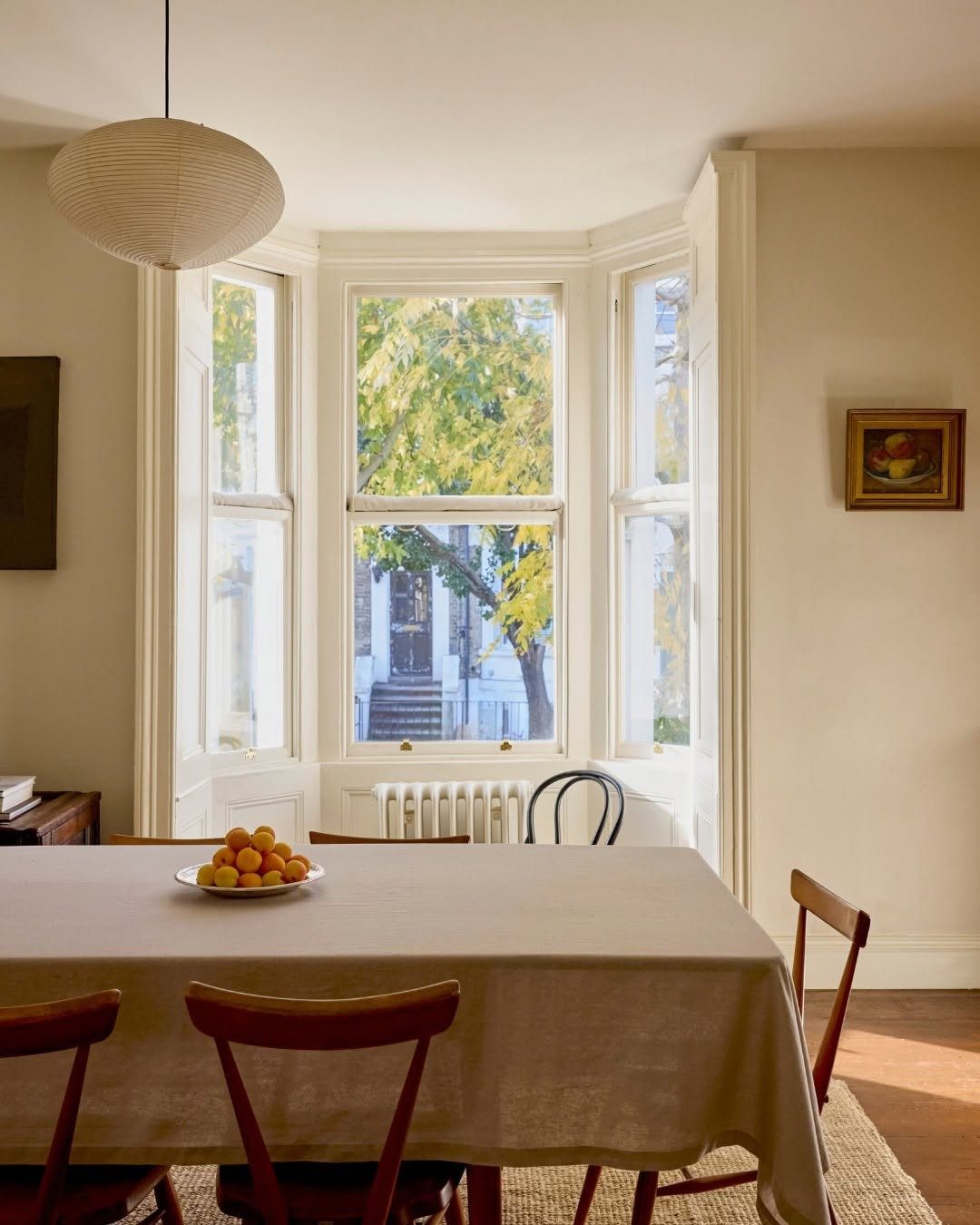
A large part of the discomfort people associate with old sash windows in Highbury comes down to air leakage rather than the timber itself. An original box sash that has never been draught‑proofed can lose a surprising amount of heat through the gaps around the sashes and at the meeting rail, and that is what produces the cold spots, the whistling on windy nights and the rattling panes that make a room feel colder than the thermostat suggests. Correcting this is one of the most cost‑effective improvements you can make to a period home.
Our draught‑proofing is integrated into the repair rather than bolted on afterwards. As part of servicing the window we rout discreet channels and fit brush or compression seals into the running surfaces and the meeting rail, tuned so the sashes still move freely while the draught path is closed. Done properly it is almost invisible from inside the room, and it does not interfere with the traditional appearance or the counter‑balanced action that makes a sash window such a pleasure to use.
For owners who want to go further on thermal and acoustic performance, we can discuss options such as slim‑profile draught sealing combined with secondary measures, or renewed glazing where the existing panes are already beyond saving. Highbury sits close to busy routes around Holloway Road and Highbury Corner, so noise reduction is a common request, and a well‑sealed, well‑serviced sash makes a real difference to how quiet and settled a room feels.
Repair‑first, not replacement
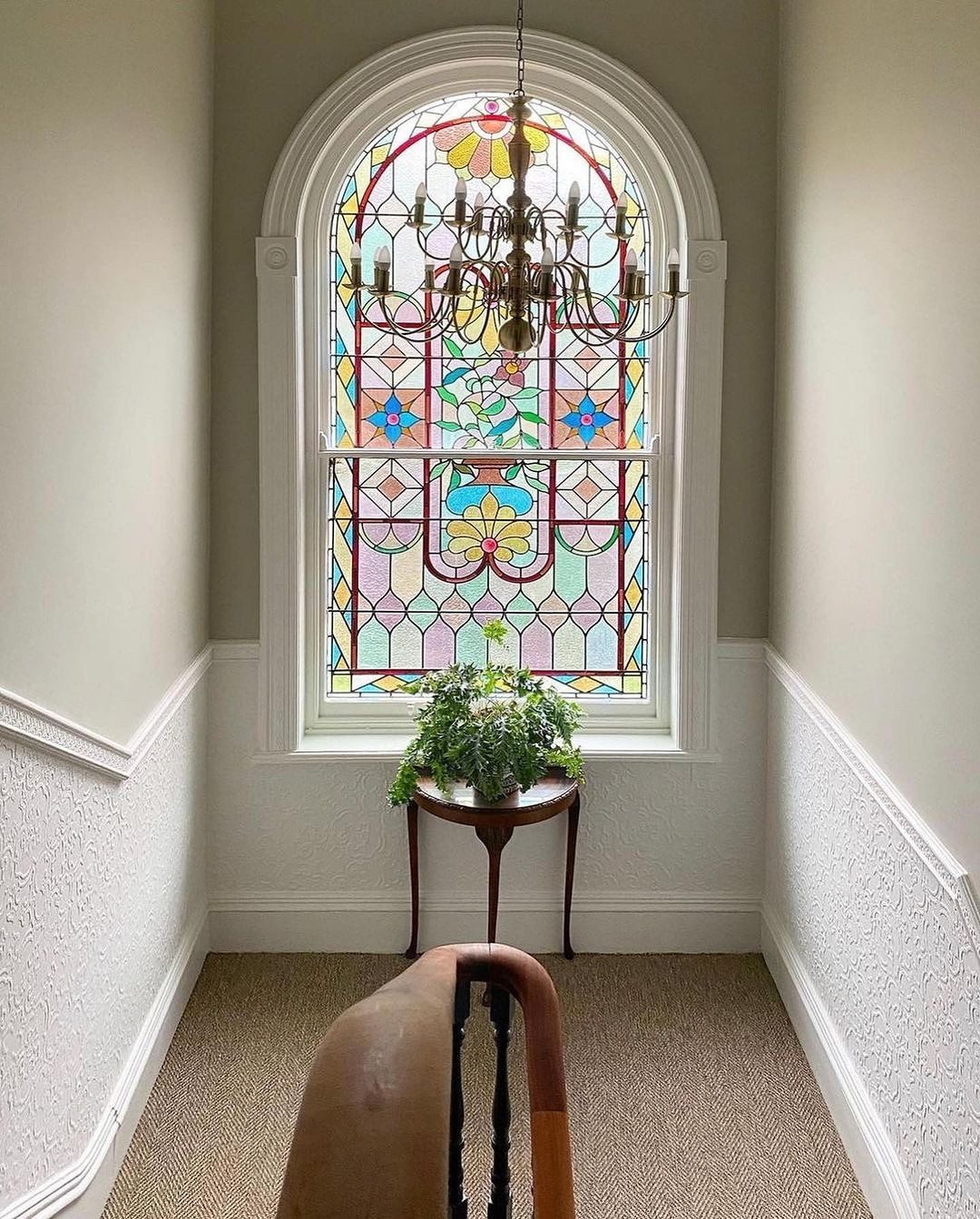
The single most important decision on any period window is whether to repair or replace, and our default position is always to repair. Original Victorian and Georgian timber was slow‑grown and dense, far more durable than most of the softwood available today, and a frame that has stood for over a hundred years has already proven its longevity. When a joiner splices in a new sill nose or a fresh section of stile, the repaired window often has a longer remaining life than an off‑the‑shelf replacement would.
Wholesale replacement also carries hidden costs in a Highbury context. It removes original glass, including the gentle imperfections of old cylinder and crown glass that catch the light in a way modern float glass never will, and it usually flattens the fine glazing bars and mouldings that give a period facade its depth. In conservation areas and on listed buildings it can also be difficult or impossible to obtain consent for like‑for‑like plastic or aluminium units, whereas careful timber repair is exactly what the guidance encourages.
There are, of course, cases where a section is genuinely beyond saving, and we are honest about that when we see it. Where a component truly cannot be repaired we make new to match, replicating the original profiles, sight lines and glazing pattern in appropriate timber so the replacement reads as part of the historic window rather than a modern intrusion. The aim throughout is continuity: the house keeps its character, and the window keeps working.
Local coverage across Highbury and North London
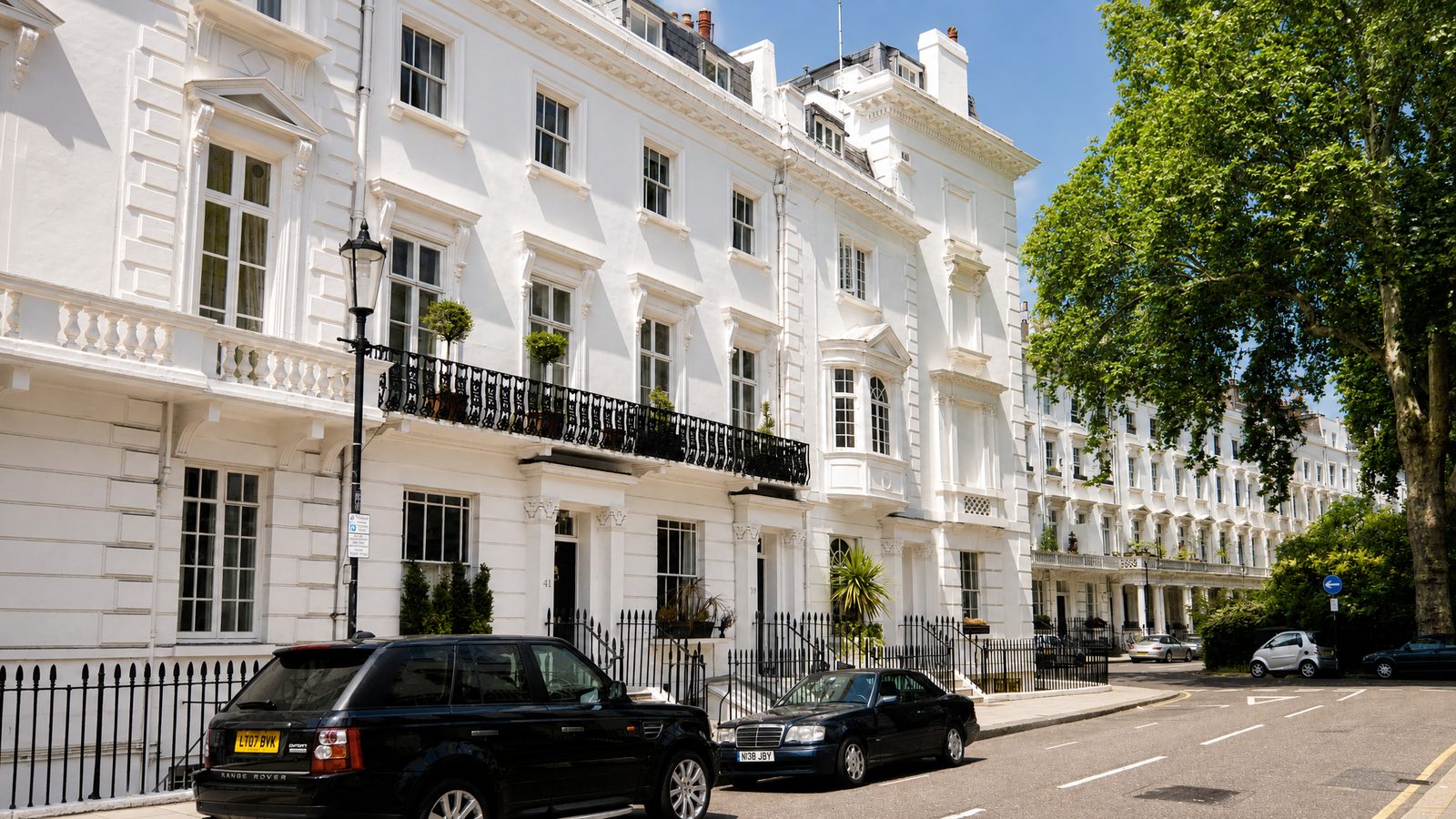
Highbury is at the centre of the area we cover most regularly, and we work throughout the surrounding North London neighbourhoods too. Alongside Highbury (N5) we carry out sash window repairs in Islington (N1), Canonbury, Barnsbury, Holloway and Stoke Newington, moving easily between the terraces, squares and mansion blocks that share the same box‑sash construction. Because these areas sit within our regular working patch, arranging a survey and returning for the works is straightforward.
We handle the full spread of properties you find here, from single‑window repairs in a garden flat to whole‑house programmes across a multi‑storey terrace, and from tenanted properties needing quick, reliable fixes to owner‑occupied period homes where every detail matters. For managing agents, landlords and homeowners alike, we can phase larger jobs so the household stays liveable while the work progresses.
If you are in Highbury or the neighbouring streets and your sashes are stuck, draughty, rattling or showing signs of rot, the best next step is a proper look in person. We can assess the condition of the frames, sills and mechanisms, explain what can be saved and what genuinely needs renewing, and set out the work clearly before anything begins. To get started, request a survey and we will arrange a convenient time to visit.
Common questions
Do you cover all of Highbury and the surrounding N5 streets?
Yes. Highbury (N5) is one of the areas we serve most often, and we work right across it, from the terraces around Highbury Fields to the villas near Highbury New Park and the mansion blocks by Highbury Corner. We also cover the neighbouring areas of Islington (N1), Canonbury, Barnsbury, Holloway and Stoke Newington, so arranging a survey and returning for the works is usually straightforward.
Can a sash window that has been painted shut for years be saved?
In the great majority of cases, yes. A window that has been painted shut is not a broken window, it is simply one where layers of paint have bridged the moving surfaces. We carefully free the sashes, clear the paint from the running surfaces, service the cords, weights and pulleys, and re‑establish smooth movement. It is very rare for a painted‑shut sash to need replacing rather than repairing.
Will repairs affect the appearance of my period windows?
No. Conservation‑grade repair is designed to be invisible once finished. We splice in new timber only where the old has failed, match original profiles and mouldings, and retain historic glass wherever it can be kept. When the work is complete the window simply looks as it always did and works as it should, with no modern intrusions on the facade.
Is draught‑proofing worth doing on old sash windows?
For most Highbury homes it is one of the most worthwhile improvements available. Much of the cold and rattling people blame on old windows is actually air leakage around the sashes and meeting rail. We integrate discreet brush or compression seals as part of the repair, closing the draught path while keeping the sashes moving freely, which improves warmth, cuts noise and reduces rattling without altering the traditional look.
Do you replace windows if I ask you to?
Our default is always to repair, because original Victorian and Georgian timber is dense and durable and usually outlasts modern replacements. Where a section is genuinely beyond saving we make new to match, replicating the original profiles and glazing pattern in appropriate timber. We are honest about what can be saved and what cannot, so you can make an informed decision about your own property.
How do I arrange a quote for sash window repairs in Highbury?
The best starting point is an in‑person survey so we can assess the frames, sills, cords, weights and glazing and explain exactly what the work involves. You can request a survey by phone, email or WhatsApp, and we will arrange a convenient time to visit your property in Highbury or the surrounding area and set out the recommended works clearly before anything begins.
Request a survey
Request a survey for your project, from a single commission to a whole scheme.
Request a surveyA studio of The Barnsbury Group
Barnsbury Joinery is the flagship studio of The Barnsbury Group, a second‑generation heritage joinery house. Established in London in 1987, it makes bespoke joinery by hand and carries the parent voice for the family of studios.
