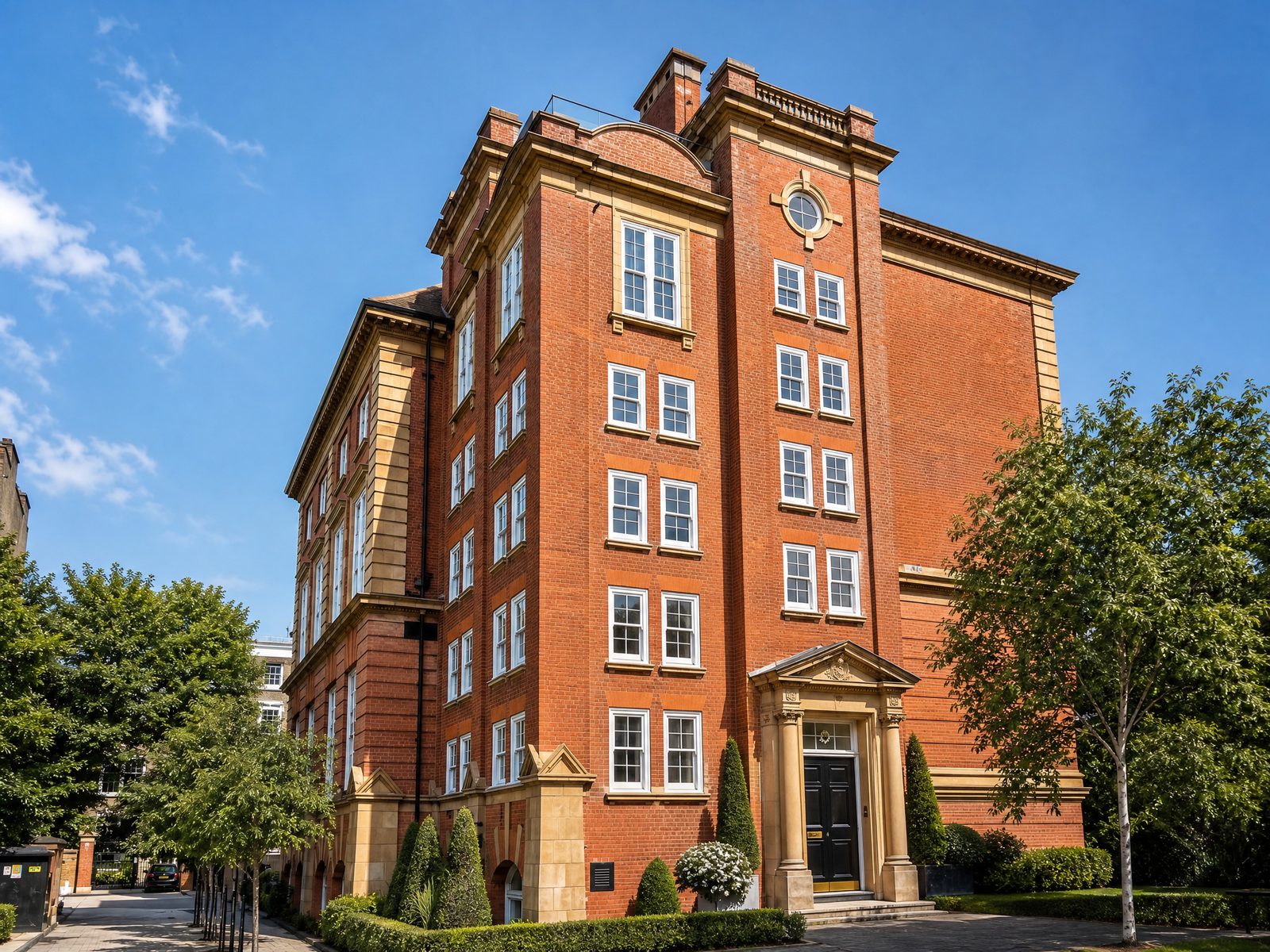
Sash window repairs in Hampstead (NW3)
Conservation‑grade sash window repairs in Hampstead (NW3). Heritage joiners restoring timber sashes across Hampstead Village, Belsize Park and NW London.
Barnsbury Joinery specialises in the careful repair and restoration of original timber sash windows for period homes across Hampstead, including Hampstead Village, Belsize Park, South End Green and the streets bordering Hampstead Heath. Hampstead holds one of the finest concentrations of Georgian and Victorian domestic architecture in London, and its sash windows are a defining part of that character. When those windows begin to stick, rattle, leak heat or show signs of decay, the answer is rarely wholesale replacement. In the overwhelming majority of cases the original joinery can be repaired, rebalanced and brought back to smooth, quiet, weathertight operation while every scrap of historic timber that can be saved is saved.\n\nOur heritage‑trained joiners work to conservation‑grade standards, which means we treat your windows as pieces of a building's history rather than as components to be swapped out. We are based in north London in north London and serve Hampstead and the surrounding NW postcodes regularly, so we understand both the fabric of these houses and the conservation framework that governs so much of the area under Camden. The result is work that retains the period character of your property while genuinely improving comfort, ease of use and thermal performance. To discuss your windows, you can request a survey and we will assess exactly what your sashes need.
Why Hampstead homeowners choose Barnsbury Joinery
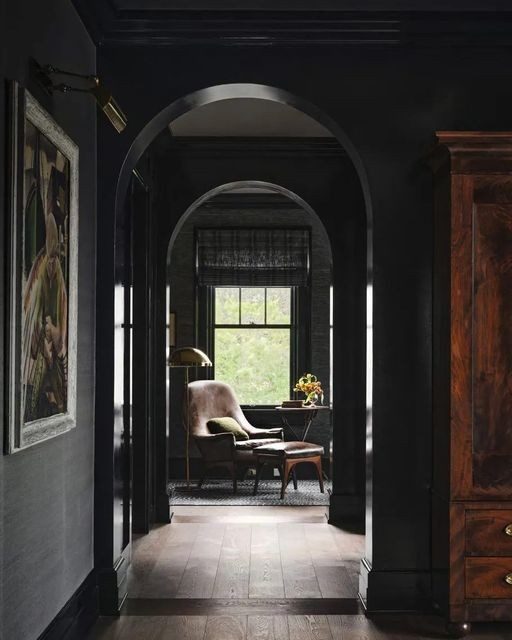
Hampstead's housing stock is unusually demanding for a joiner. You find delicate Georgian glazing bars in the older village houses, robust Victorian box sashes in the terraces around the Heath, and a great many properties that sit within conservation areas or carry listed status. Repairing these windows well requires an understanding of period proportions, historic timber sections and the mechanics of the counterbalanced box sash, not simply the ability to cut and fit new wood. This is the work we have built our reputation on over decades of London heritage joinery.
We bring several things to every Hampstead project. The first is genuine period experience: we have worked on Georgian and Victorian sashes across north and north‑west London for years, and we know how these windows were built and how they fail. The second is a conservation‑minded method. Our repairs are designed to be sympathetic to listed buildings and conservation‑area constraints, and we are comfortable working within the requirements that apply across much of Camden. The third is craftsmanship in bespoke timber. We produce matching timber sections, new sashes and accurate glazing bars in our own premises, so that a repaired or replaced element sits correctly alongside the original and reads as part of the same window rather than an obvious intrusion.
Beyond the joinery itself, Hampstead clients tell us they value the way we work. Our teams are respectful of your home and tidy in their methods, we provide clear and itemised quotations so you understand exactly what you are paying for, and we keep to dependable schedules so a project does not drag on longer than it should. We also carry out draught‑proofing and acoustic improvements without harming the original character of the windows, which matters a great deal in an area where appearance and heritage value are closely intertwined. If you would like us to look at your windows, please request a survey and we will talk you through the options.
Common sash window problems we repair in Hampstead
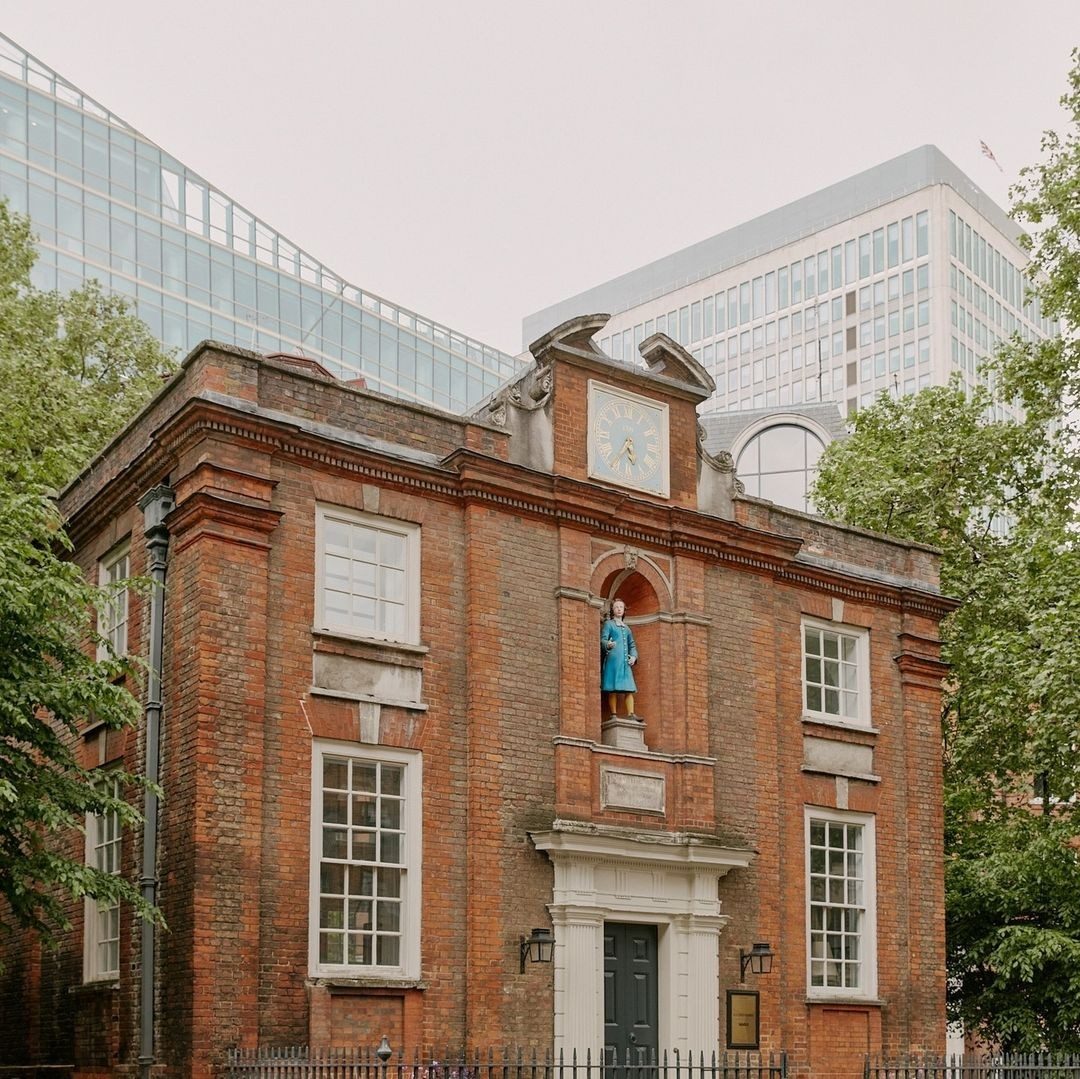
The faults we see in Hampstead follow familiar patterns, because timber sash windows tend to age in predictable ways. The most common complaint is a sash that has stuck fast or been painted shut. Decades of successive repainting, often without stripping back first, gradually seal the sash to its frame and clog the parting beads, until the window simply will not move. Behind this you frequently find broken sash cords, worn or seized pulleys, and weights that have dropped into the box. Once a cord snaps the sash becomes unbalanced and, if forced, can crack its glass or damage the joints. We free these windows, renew the cords and pulleys, and rebalance the weights so the sash glides smoothly under fingertip pressure.
Timber decay is the next major category. In Hampstead the areas most prone to rot are the sills, the meeting rails where the two sashes come together, and the glazing bars, all of which are exposed to standing water and driving rain. Where timber has decayed we cut it back to sound, healthy wood and splice in durable, carefully matched replacement sections, so that the repair is structurally proper rather than a cosmetic patch. We treat the surrounding timber for longevity and re‑glue and peg any joints that have loosened over time. This approach retains as much original fabric as possible while giving the window many more decades of service.
We also address the everyday nuisances that make old windows uncomfortable to live with: rattles in the wind, persistent draughts and noticeable heat loss. These are usually the result of gaps that have opened up around the sashes as the timber has moved, and they respond well to discreet brush seals and careful refitting. Cracked, loose or ill‑fitting panes are re‑glazed with fresh putty lines, and where it is appropriate and permitted we can discuss upgrading from single glazing to slimline double glazing. Finally, we correct poor historic repairs. Windows that have been crudely filled, over‑painted or bodged with unsuitable materials can be stripped back and put right with proper joinery, restoring both function and appearance.
Our repair and restoration process
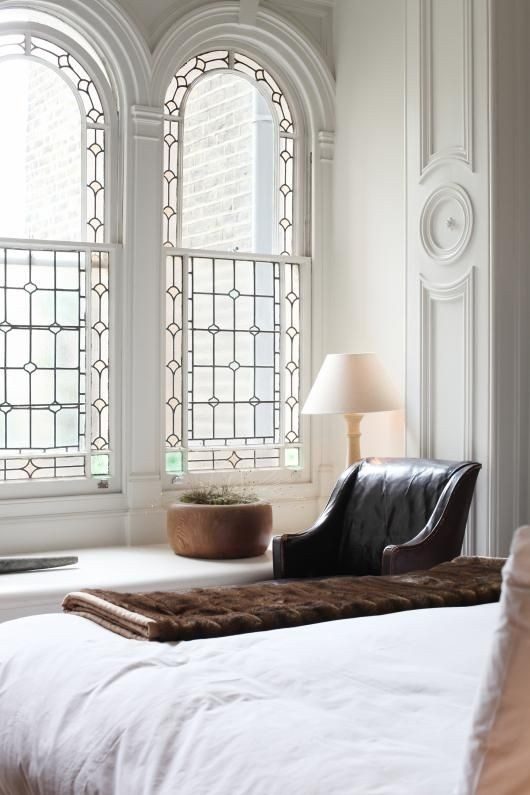
Every project begins with a survey. When you request a survey, one of our joiners examines the condition of the timber, the mechanics of the sash and the state of the glazing, checks for any conservation constraints that apply to the property, and agrees priorities with you. This is where we distinguish between what genuinely needs attention now and what can be monitored, and where we form a clear picture of scope before any work is quoted. A window that looks tired from the inside may need only re‑cording and draught‑proofing, while another with a soft sill may call for more involved timber repairs. An honest survey prevents surprises later.
Once work is agreed, we move to a careful strip‑down. Sashes are removed safely from the box, and the furniture, cords and beads are catalogued so that everything can be returned to its correct position. Throughout this stage we protect your floors and decoration, because good joinery should never leave a trail of damage or dust behind it. With the sashes out, we carry out the specialist timber repairs described above: decay is cut back to sound wood, matching sections are spliced in and treated for longevity, and loose joints are re‑glued and pegged so the sash regains its structural integrity.
The window is then rebalanced and re‑corded. We fit new sash cords and, where needed, new pulleys, and we rebalance the weights so that each sash sits in equilibrium and moves smoothly through its full travel. Next comes draught‑proofing and glazing: we install discreet brush seals, renew putty lines, and, subject to conservation rules, can add acoustic or thermal glazing where the property allows it. The final stage is finishing and sign‑off. We reassemble the window, refit the hardware, check that both sashes travel smoothly and meet correctly, and leave the room clean and tidy. You are left with a window that works as it was designed to work, looks right for the age of the house, and is ready for many more years of use.
A Hampstead restoration in practice
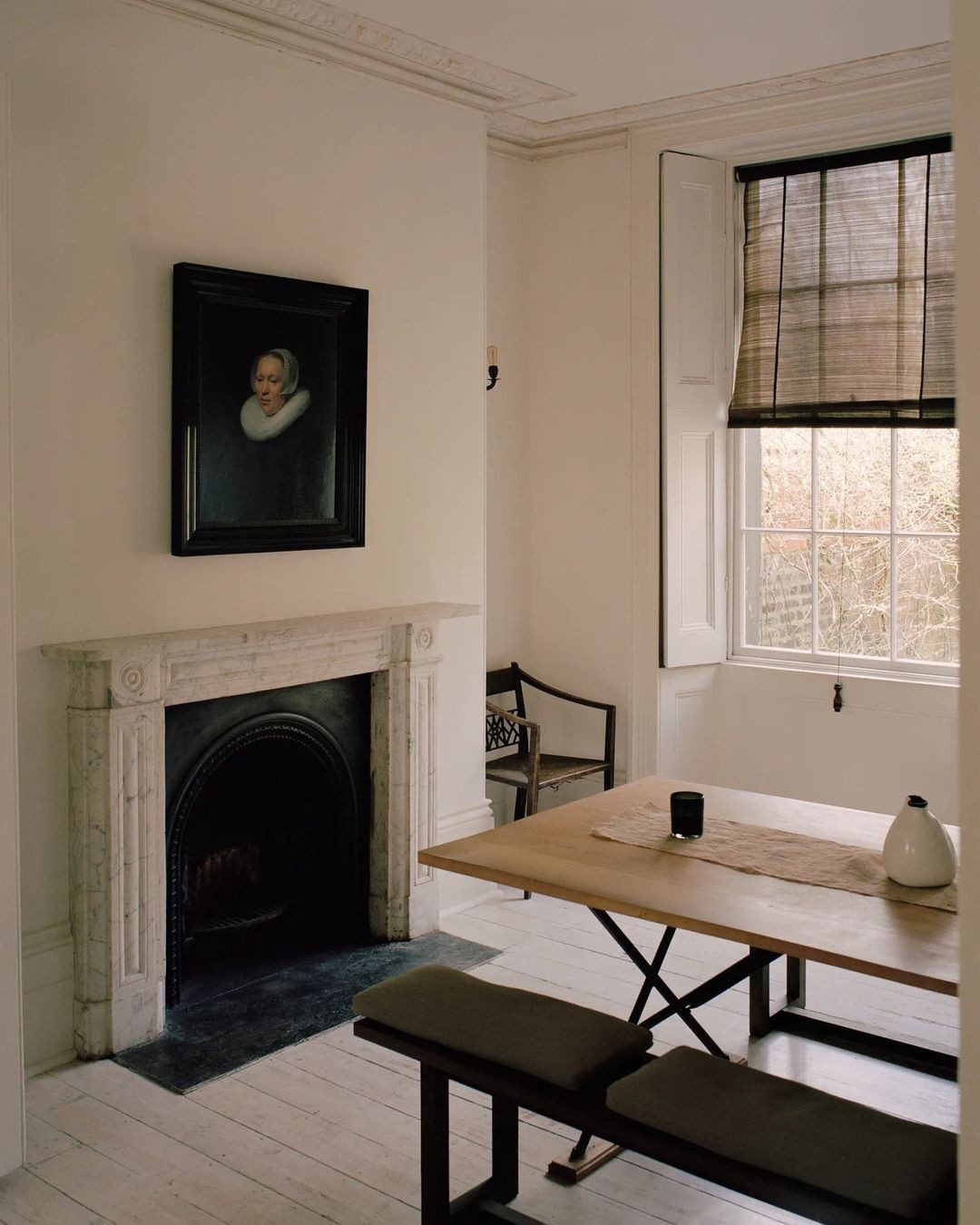
To give a sense of what our work involves, consider a late‑Victorian terrace near Hampstead Heath in the NW3 postcode. The property had six original box sash windows, all suffering from heavy paint build‑up that had sealed several of the sashes shut, and two of the sills had rotted where water had been sitting for years. The owners had assumed the windows were beyond saving and had been quoted for full replacement by another company, which would have meant losing the original joinery entirely and, given the location, navigating conservation consent for new units.
Our approach was to retain and repair. We stripped back the paint that had locked the sashes in place, spliced new hardwood sills into the two windows where decay had taken hold, and re‑corded and rebalanced all six sashes so that they moved freely again. We added discreet draught seals around the sashes and restored the putty lines throughout. None of this altered the appearance of the windows from the street, which was essential given the conservation setting, and the original timber was kept wherever it was sound.
The outcome was exactly what the owners had hoped for without realising it was possible. Every window operated smoothly once more, the rattles that had troubled them in windy weather were eliminated, and the rooms felt noticeably warmer with a real reduction in traffic noise from the street. The cost was a fraction of replacement, the historic character of the terrace was preserved intact, and the windows were left in a condition to last for decades. This is the pattern we aim to repeat on every Hampstead project: keep the original, make it work properly, and improve comfort without compromising character.
Conservation areas and listed buildings in Hampstead
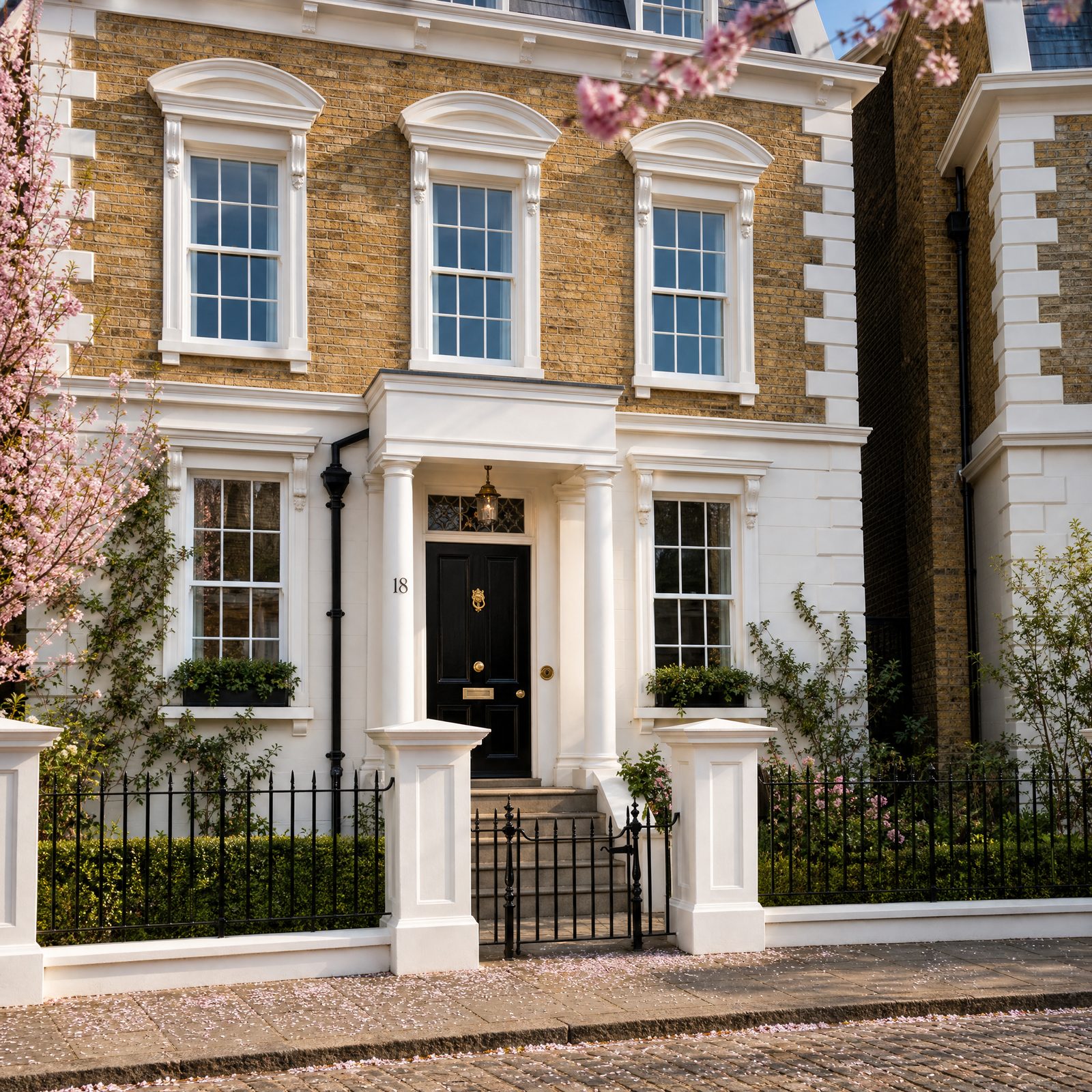
A large proportion of Hampstead falls within designated conservation areas, and many individual properties are listed. This has real consequences for how windows can be repaired or altered. Conservation designation is intended to protect the special architectural and historic interest of an area, and windows are among the most visible and character‑defining features of a period facade. Changes that affect the appearance of a window, such as altering its proportions, replacing traditional glass or introducing modern profiles, can require consent from Camden and, in the case of listed buildings, listed building consent as well.
Our methods are designed from the outset to retain original fabric wherever possible, which is both the right conservation approach and the surest route to a straightforward outcome with the planning authority. Repairing and rebalancing an existing sash, splicing in matching timber and adding discreet internal draught‑proofing generally sits comfortably within conservation expectations, because the window's external appearance and historic material are preserved. Where a change does require consent, for example a glazing alteration or a change to a glazing bar profile, we prepare specifications and drawings that respect the historic proportions and sightlines of the original, so that any proposal is presented in the most sympathetic and credible form possible.
If your home is listed or sits within a conservation area, we will advise you on the most appropriate way forward at the survey stage and, where necessary, help coordinate the information that Camden's planning team will want to see. The aim is always to find the solution that improves your windows while safeguarding the features that give Hampstead its distinctive appearance. Getting this right protects both the heritage value and the resale value of the property, and it avoids the risk and expense of unauthorised work that later has to be undone.
Draught‑proofing, warmth and noise reduction
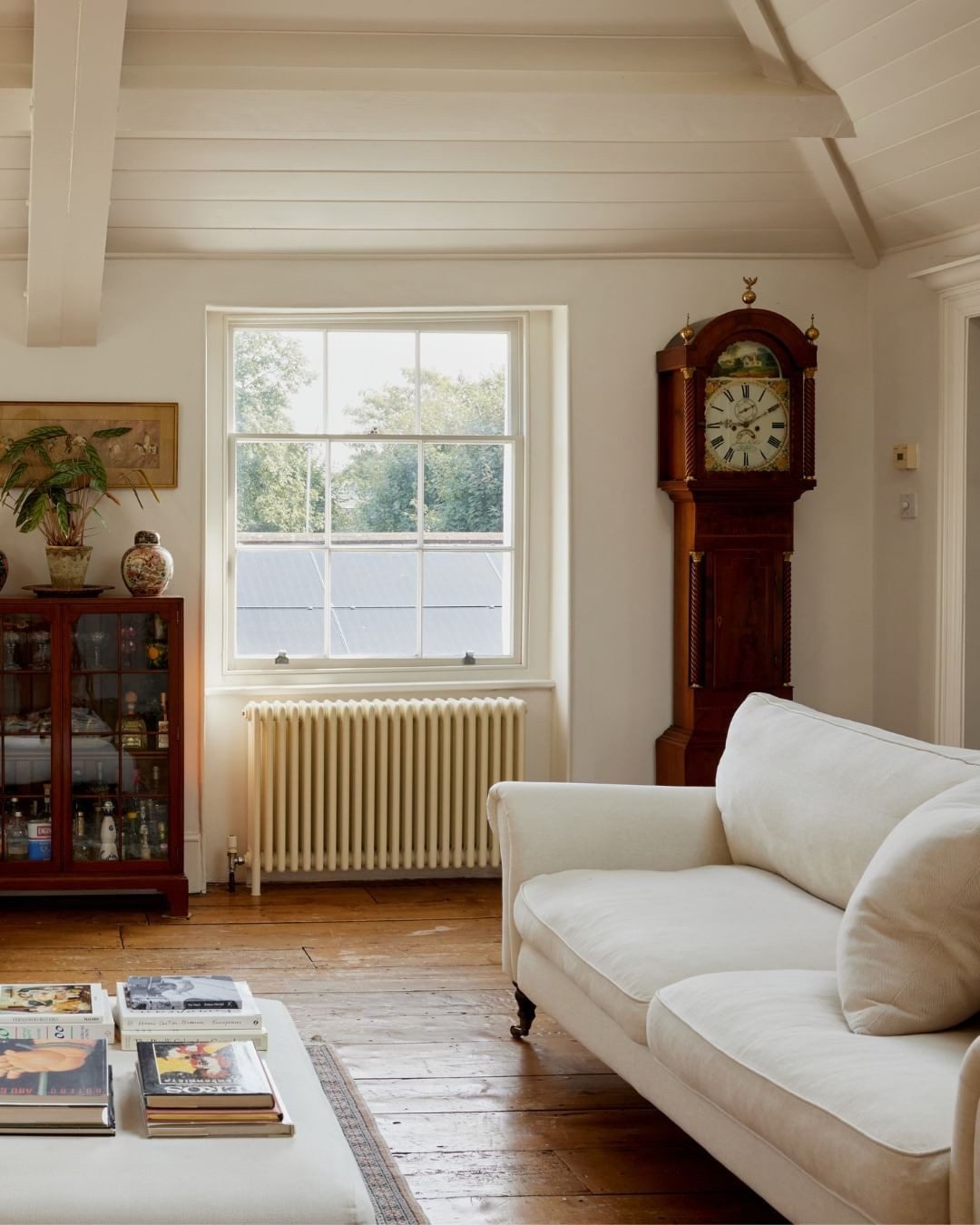
One of the most common reasons Hampstead homeowners contact us is comfort. Original sash windows, however beautiful, were not built to modern standards of airtightness, and as the timber ages and moves the gaps around the meeting rails and parting beads tend to widen. The result is air leakage, cold draughts in winter and a surprising amount of heat escaping through what should be a solid part of the building envelope. The good news is that a great deal can be done about this without altering the appearance of the windows at all.
Our discreet brush seals and careful refitting significantly reduce draughts by closing the gaps through which air passes, while remaining almost invisible once the window is reassembled. Because the seals sit within the window's own mechanism rather than being bolted on externally, the external elevation is entirely unchanged, which is important both aesthetically and for conservation compliance. Combined with rebalanced sashes that close snugly and correctly restored putty lines, this draught‑proofing makes a measurable difference to how warm and settled a room feels, and it often reduces heating costs as a welcome side effect.
Where a property allows it, and subject to any conservation requirements, we can go further. For homes seeking better thermal or acoustic performance, we can discuss slimline double glazing, secondary glazing or improved putties, each of which has its place depending on the window and the constraints of the building. Slimline units can be fitted into existing sashes in some cases, while secondary glazing offers strong noise reduction for properties on busier Hampstead roads without touching the original window at all. We will always talk through which approach best suits your particular windows and what the conservation position is likely to be before recommending anything.
The areas we cover in and around Hampstead
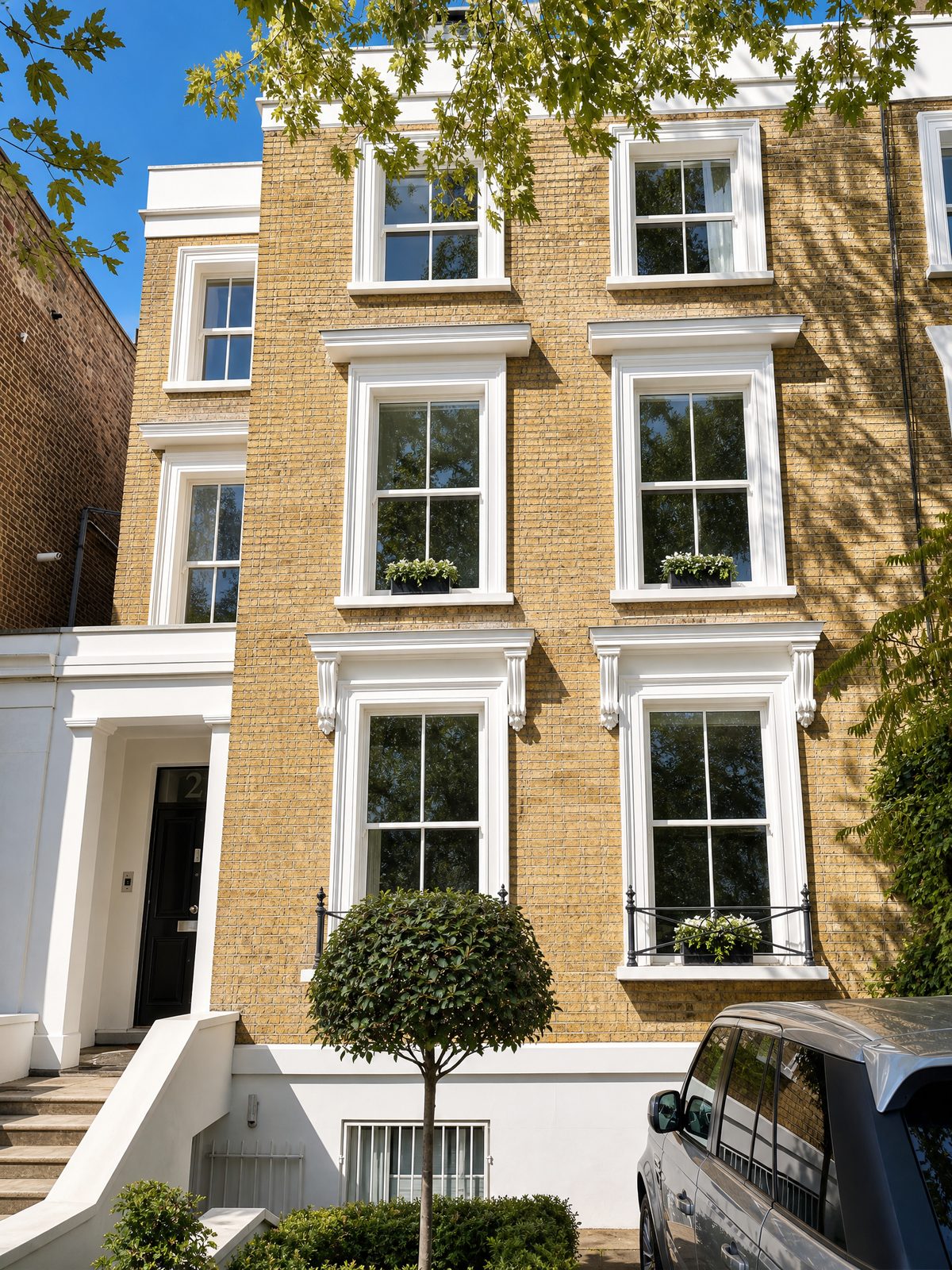
We serve Hampstead and the wider north‑west London area regularly from our base in north London. Within Hampstead itself we work throughout Hampstead Village, Belsize Park, South End Green, Fitzjohn's Avenue and the residential streets that fringe Hampstead Heath, all of which contain exactly the kind of Georgian and Victorian sash windows our joiners are trained to restore. These neighbourhoods sit at the heart of the NW3 postcode and represent much of the period housing for which Hampstead is known.
Our coverage extends naturally into the surrounding NW postcodes and adjacent areas, including Swiss Cottage, West Hampstead and Gospel Oak, as well as nearby streets that share the same architectural heritage and the same conservation considerations. Because we travel across this part of London frequently, scheduling a survey and carrying out work in Hampstead is straightforward, and we can respond promptly when windows need attention. Wherever your property sits within this area, we bring the same conservation‑grade standards and the same attention to matching original detail.
If you are unsure whether your street falls within our regular coverage, please get in touch and ask. In most cases the answer is yes, and even where a property sits a little outside the immediate Hampstead core we are usually able to help given the concentration of period housing across the surrounding NW postcodes. To arrange an assessment of your windows, request a survey and we will confirm timing and next steps.
Common questions
How much do sash window repairs in Hampstead cost?
Every window is different, so we do not quote a flat figure before seeing the work. After our survey we provide a fixed, itemised quotation that sets out the timber repairs, re‑cording, glazing and any draught‑proofing your sashes need. Because we repair and retain original windows rather than replacing them, the cost is typically a fraction of full replacement, and you know exactly what you are paying for before any work begins.
How long does a sash window repair take?
Most single‑window repairs are completed within a day. Larger homes with several windows, or projects that involve extensive timber splicing and new sills, naturally take longer. We give you a clear schedule before work starts so you know what to expect, and we keep to it. During the survey we can give you a realistic timeframe based on the specific condition of your sashes.
Will your repairs comply with Hampstead conservation rules?
Yes. Our approach is built around preserving original fabric, which is exactly what conservation areas are intended to protect. Repairing and rebalancing existing sashes with discreet internal draught‑proofing generally sits well within conservation expectations. Where a change such as a glazing alteration requires consent, we prepare specifications and drawings that respect the historic proportions and can coordinate with Camden's planning team to give your proposal the best chance of approval.
Can you improve heat loss and noise in old Hampstead sash windows?
Yes. Draught‑proofing with discreet brush seals, rebalanced sashes that close snugly and correctly restored putty lines already make a real difference to warmth and comfort. For homes needing more, and subject to conservation rules, we can discuss slimline double glazing or secondary glazing, the latter being particularly effective for reducing traffic noise on busier Hampstead roads without altering the original window.
Do you replace sash windows or only repair them?
Our first preference is always to repair and restore the original window, because this retains the historic character and material that make Hampstead properties special and is usually far more cost‑effective. In the great majority of cases even badly decayed or seized sashes can be brought back to full working order. Where an element is genuinely beyond saving, we produce bespoke matching timber sashes and glazing bars so any replacement reads as part of the original window.
How do I arrange a survey for my Hampstead sash windows?
Simply get in touch to request a survey. One of our joiners will visit your property, assess the timber, mechanics and glazing, check any conservation constraints and agree priorities with you. From there we prepare a clear, itemised quotation. You can reach us by phone on 020 7164 6305 or 07399 779872, or through our contact page, and we will arrange a convenient time.
Request a survey
Request a survey for your project, from a single commission to a whole scheme.
Request a surveyA studio of The Barnsbury Group
Barnsbury Joinery is the flagship studio of The Barnsbury Group, a second‑generation heritage joinery house. Established in London in 1987, it makes bespoke joinery by hand and carries the parent voice for the family of studios.
