Sash window repairs in East Dulwich (SE22)
Specialist sash window repairs in East Dulwich SE22 for Victorian and Edwardian terraces: rot splicing, re‑cording, draught‑proofing and slimline glazing. Request a survey.
East Dulwich is one of south London's most complete Victorian and Edwardian suburbs, and its timber sash windows are a large part of what gives SE22 its character. Barnsbury Joinery repairs and restores those windows for the terraced houses that run from Lordship Lane down towards Goose Green and Peckham Rye. We are a London joinery studio, established in 1987, and we treat an original sash as something to be kept working rather than thrown away. Where a window can be saved we save it, and we tell you plainly when it cannot.
Sash window repair specialists for East Dulwich and SE22
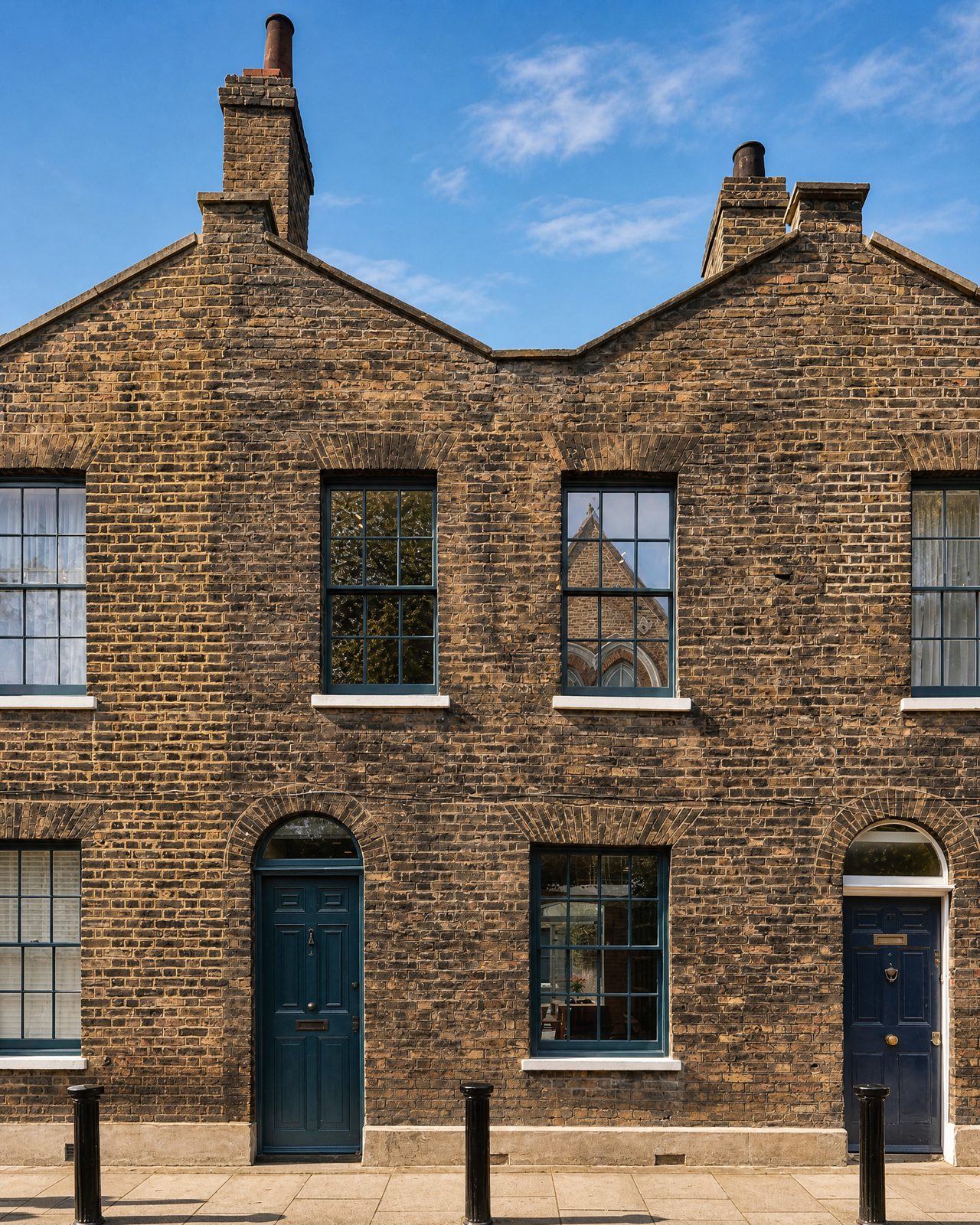
Most of East Dulwich was built between the 1870s and the years before the First World War, and the housing reflects it. Streets of two‑storey and three‑storey Victorian terraces sit alongside later Edwardian houses with wider bays and more generous glazing. The sash windows on these homes were made to a handful of recognisable patterns, from the plain two‑over‑two Victorian sash to the multi‑pane upper lights of the Edwardian period, and each responds to repair in a slightly different way.
These are good windows, made from slow‑grown timber that is almost always worth keeping. The problems that bring us to SE22 are rarely the timber itself and far more often the paint, the putty and the moving parts around it. A sash that sticks, rattles or refuses to open is usually telling you about decades of overpainting and a few failed components, not about a window that has reached the end of its life.
We cover the whole of East Dulwich and the SE22 postcode, along with the streets that spill over towards Nunhead, Forest Hill and Herne Hill. Whether you own a single bay that needs easing or a whole elevation of tired sashes, the approach is the same. We survey what is there, explain what can be repaired and what genuinely needs replacing, and carry out work that respects the age of the house.
Common sash window problems we fix in East Dulwich homes
Rot is the issue we are asked about most, and in East Dulwich it tends to gather in the same places: the lower rails of the bottom sash, the sill, and the outer linings that take the weather on south and west elevations. Left under layers of paint it can go unnoticed for years. We cut out the decayed timber and splice in new sections to match the original profile, so the window keeps its shape and its strength without the cost and disruption of a full replacement.
The second common fault is mechanical. Broken sash cords leave an upper sash jammed or a lower sash that will not stay up, painted‑over pulleys stop the counterbalance working, and generations of gloss can glue a sash shut altogether. We re‑cord, free the pulleys, ease the sashes back into their boxes and adjust the weights so both halves run smoothly and sit where they should.
The third is comfort and glass. Original single glazing, worn parting beads and shrunken timber let in the draughts and street noise that older SE22 houses are known for. We can draught‑proof a window discreetly, replace cracked or blown panes, and where you want a real thermal improvement we can fit slimline or vacuum glazing that keeps the slender sightlines the house was built with.
Our sash window services in SE22
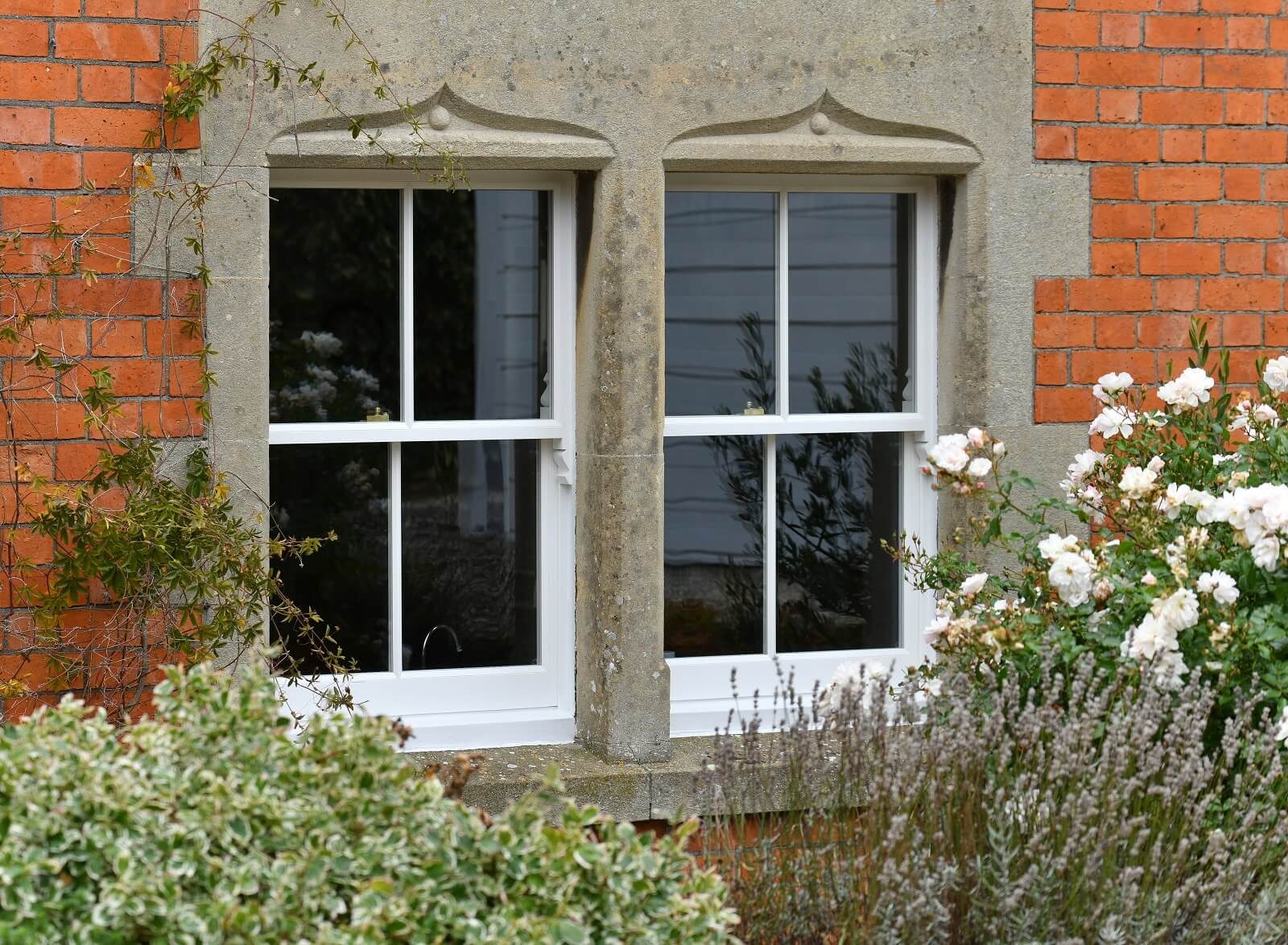
Repair and restoration is the heart of what we do. That covers rot splicing, new sills and rails, re‑cording and re‑weighting, replacing parting and staff beads, re‑puttying, easing painted‑shut sashes and overhauling the ironmongery. The aim is always to return an original window to smooth, weathertight working order while keeping as much of the historic timber as possible.
Alongside repair we offer performance upgrades that suit period homes. Discreet draught‑proofing brushes seal the gaps without being visible from the street, and slimline double glazing or vacuum glazing brings warmth and quiet to a window that was never designed for either. These options are chosen to protect the appearance of the sash, not to compromise it.
When a window really is beyond saving, we make a like‑for‑like replacement in our London studio, matched to the original in timber, profile, glazing bars and proportions. This is the exception rather than the rule, and we will only recommend it once repair has been properly ruled out. New or repaired, everything is finished to a standard that sits comfortably on a period elevation.
Working within East Dulwich's conservation areas
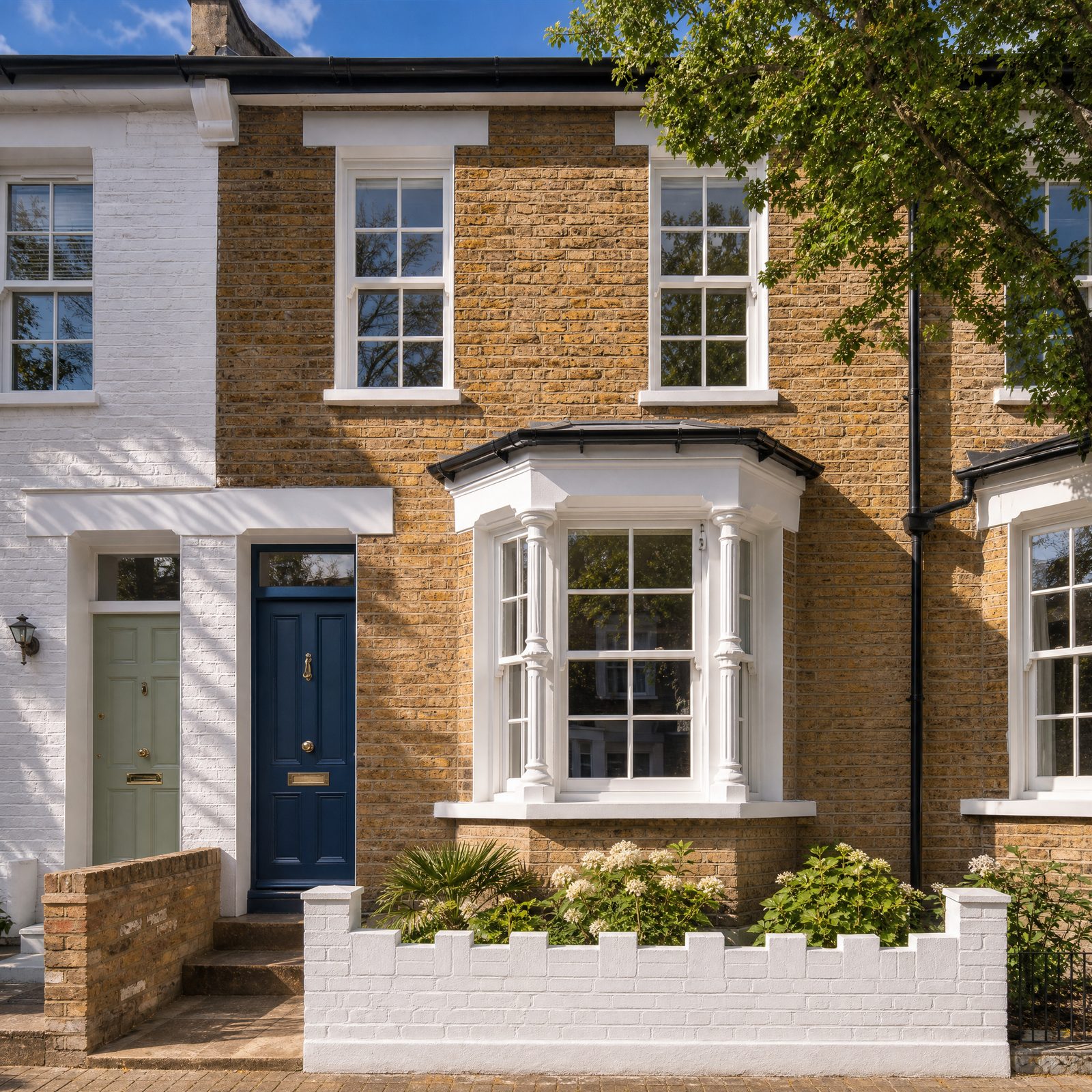
Parts of East Dulwich fall within the East Dulwich conservation area, and the local planning authority is the London Borough of Southwark. Where a property sits within it, the character of the street and its windows is given specific protection, and that shapes what can and cannot be done to a sash.
In practice this means original timber windows are expected to be repaired rather than replaced, and where replacement is unavoidable it should be like‑for‑like in timber, keeping the same proportions, glazing bars and slim sightlines. Plastic and aluminium replacements are not usually acceptable, and a permitted‑development right that would otherwise allow a change can be removed within a conservation area, so it is worth checking before any work begins.
We work to these expectations as a matter of course, and our repairs are designed to satisfy a conservation officer rather than work around one. Where a project needs consent, we can help by supplying clear information on what is proposed, so your application sets out plainly how the work preserves the character of the building.
How we work: survey, repair, finish and handover
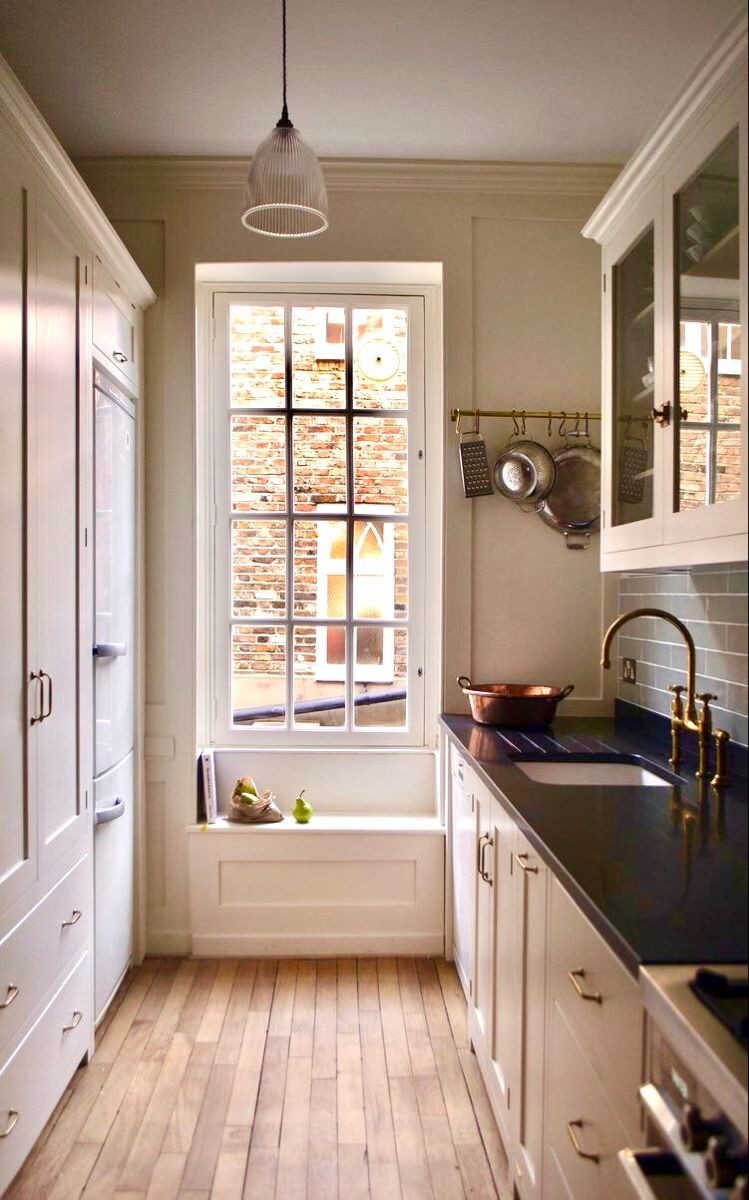
Every project starts with a survey. We look at each window in turn, test the timber, check the cords, pulleys and beads, and identify exactly what is sound and what needs attention. You receive a clear written quote that sets out the work window by window, so there are no surprises and nothing is done that does not need doing.
Smaller repairs are often completed on site in a single visit. More involved work, such as splicing in new timber or making a replacement sash, is carried out in our London studio, where we can machine sections to match the original profile precisely before returning to refit. We plan the work around your household and keep disruption to a minimum.
Once the joinery is complete we finish, decorate and reinstate each window, check that both sashes run smoothly and seal correctly, and clear the site properly. We then walk you through what has been done and how to look after the windows, so the work carries on paying off for years to come.
The sash window work we are called to in East Dulwich
A large share of our SE22 work is on the two‑storey Victorian terraces around Lordship Lane and Goose Green, where the bottom sashes and sills have taken decades of weather and the cords have finally given out. On houses like these we typically splice out the decayed timber, re‑cord and re‑balance the sashes, draught‑proof throughout and redecorate, so the windows look right and work properly again.
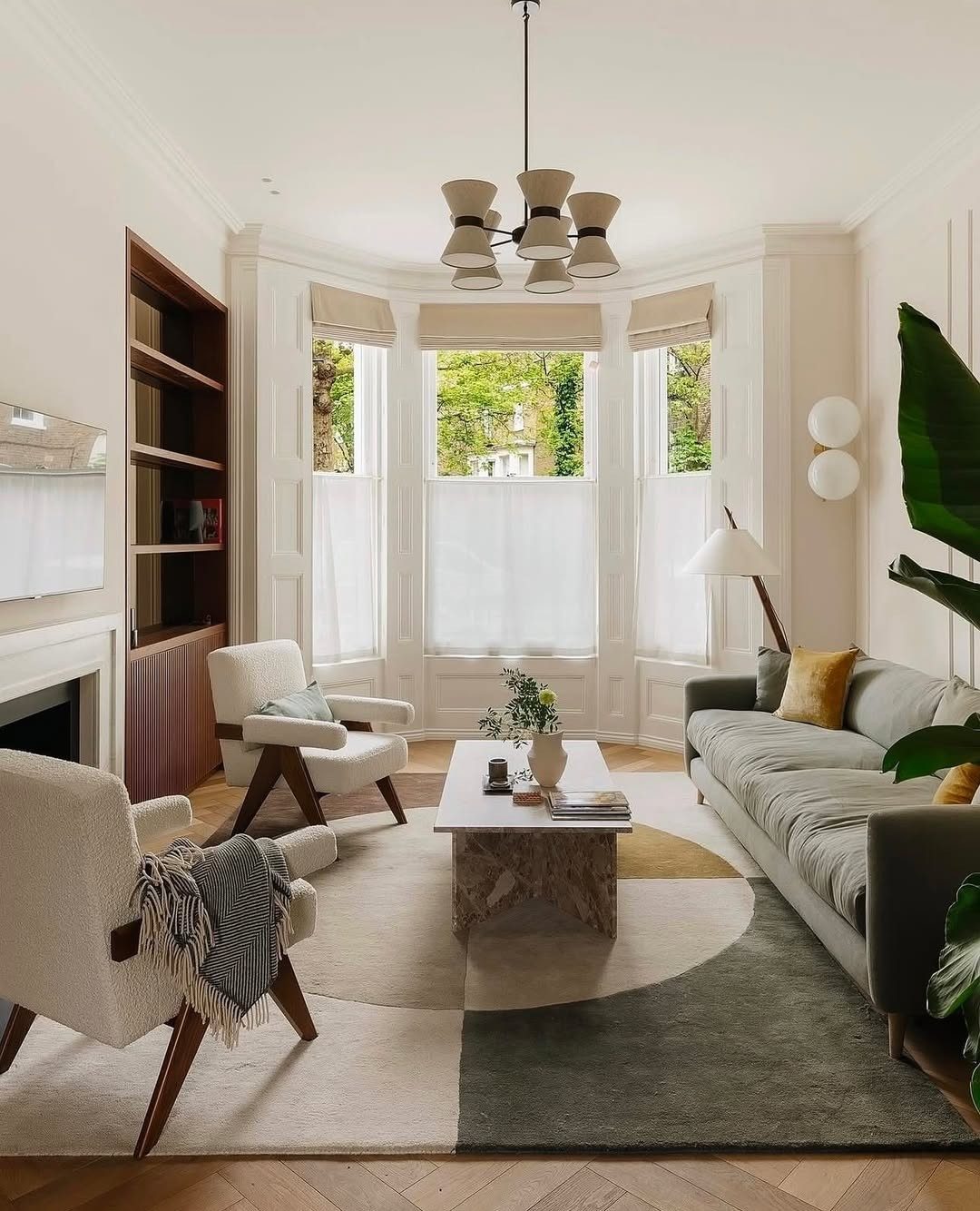
On the larger Edwardian houses towards the edges of East Dulwich, the bays and their wider sashes are the usual focus. Here the work often combines careful repair with a slimline or vacuum glazing upgrade, giving a noticeably warmer and quieter room while keeping the fine glazing bars and proportions that make the bay worth having.
Whatever the house, the pattern is consistent. We keep as much of the original window as we sensibly can, replace only what is past saving, and hand back sashes that open, close and seal the way they were meant to. That is the work East Dulwich asks for, and it is the work we have been doing across London since 1987.
Common questions
Do you cover all of East Dulwich and the SE22 postcode?
Yes. We work across the whole of East Dulwich and SE22, from Lordship Lane and Goose Green out to the streets bordering Nunhead, Forest Hill and Herne Hill. If you are close to the edge of the postcode and are not sure whether we cover you, please ask and we will confirm.
Should I repair or replace my East Dulwich sash windows?
In most cases repair is the right answer. The Victorian and Edwardian sashes in East Dulwich were made from durable timber, and problems are usually confined to the paint, putty, cords and a few decayed sections that can be spliced out. We only recommend replacement once repair has genuinely been ruled out, and any replacement is made like‑for‑like to match the original.
Can you reduce draughts and noise without changing the look of the window?
Yes. We fit discreet draught‑proofing that seals the gaps without being visible from the street, and where you want a larger improvement we can install slimline or vacuum glazing that keeps the slender sightlines of the original sash. The aim is always to improve comfort while preserving the appearance of the window.
Do I need consent for sash window work in a conservation area?
It depends on the property and where it sits. Parts of East Dulwich fall within Southwark conservation areas, and some homes are affected by removed permitted‑development rights, so it is worth checking before work begins. Like‑for‑like timber repair is generally the expectation, and where consent is needed we can help by providing clear information on what is proposed.
How do I arrange a survey and quote for my East Dulwich sashes?
Contact us with a few details about your property and the windows you are concerned about, and we will arrange a survey. We assess each window, then send a written quote that sets out the work window by window, so you can see exactly what is proposed and why.
Is your sash window work insured and guaranteed?
Yes. We are fully insured, and our repair and joinery work is carried out to a conservation standard by our own joiners. We will confirm the details that apply to your project as part of your quote.
Request a survey
Request a survey for your project, from a single commission to a whole scheme.
Request a surveyA studio of The Barnsbury Group
Barnsbury Joinery is the flagship studio of The Barnsbury Group, a second‑generation heritage joinery house. Established in London in 1987, it makes bespoke joinery by hand and carries the parent voice for the family of studios.
