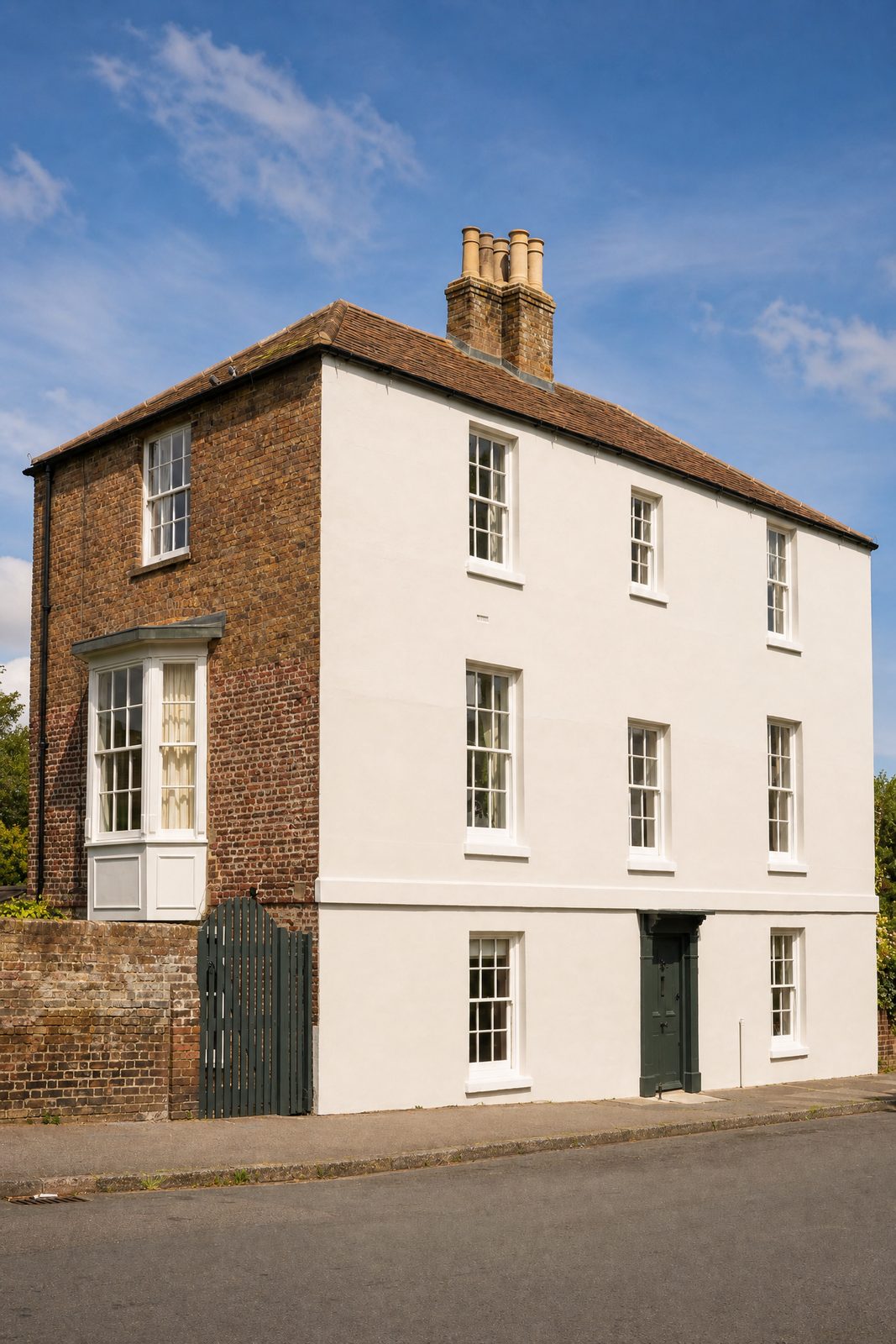
Sash window repair and replacement in WC1 London
Conservation‑grade sash window repair and replacement WC1 London. Timber sash restoration across Bloomsbury, Holborn, Clerkenwell and King's Cross. Book a survey.
WC1 is one of the most architecturally distinguished postcodes in London, taking in the Georgian squares of Bloomsbury, the legal quarters of Holborn, the terraces around King's Cross and the edges of Clerkenwell. The timber sash windows in these streets are original features of enormous value, and they deserve care from specialists who understand how they were made and how they should be conserved. We provide conservation‑grade sash window repair and replacement across WC1 London, working on the Georgian, Victorian and Edwardian buildings that define the area.
Our studio is based in north London, and WC1 is one of the central areas we serve regularly. We are a specialist restoration practice rather than a general building firm, which means every window we touch is assessed on its own merits: what can be saved, what must be renewed, and how to keep the original character of the joinery intact. Where a sash can be restored, we restore it. Where a window is genuinely beyond saving, we make an accurate timber replacement that honours the proportions and detailing of the original.
Sash window repair in WC1
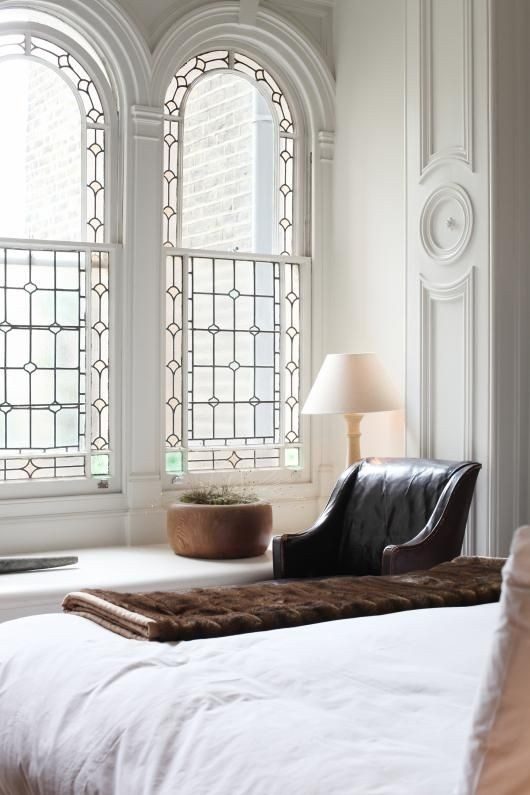
Most of the sash windows we assess in WC1 can be repaired rather than replaced, and repair is almost always the right first question to ask of a period window. The frames in Bloomsbury and Holborn were built from slow‑grown timber that is far more durable than anything commercially available today, so the sensible course is to conserve that original material wherever it survives. Our repair work addresses the full range of faults that develop in a sash window over decades of use: localised rot in the cills, bottom rails and lower stiles, broken or perished sash cords, worn pulleys, split glazing bars, loose or failing joints, and the cracked or missing putty that lets water reach the timber beneath.
When timber has decayed, we cut out only the affected sections and splice in matched new timber using traditional joinery techniques, rather than filling or replacing more than is necessary. This keeps the maximum amount of historic fabric in place and preserves the value of the window. Rotten cills and rails are renewed to the original profiles, joints are re‑wedged and consolidated, and the whole sash is made to run smoothly again. A window that has been painted shut for years, or that rattles and jams every time it is opened, can almost always be brought back to full, quiet, balanced operation.
We also correct the everyday complaints that make period windows frustrating to live with: sashes that stick or drop, cords that have snapped so the window will not stay open, draughts that make a room cold, and glass that has cracked or gone cloudy. Each of these has a proper remedy that respects the original construction, and we carry them out to a standard that will last for decades rather than a season.
Sash window replacement in WC1 London
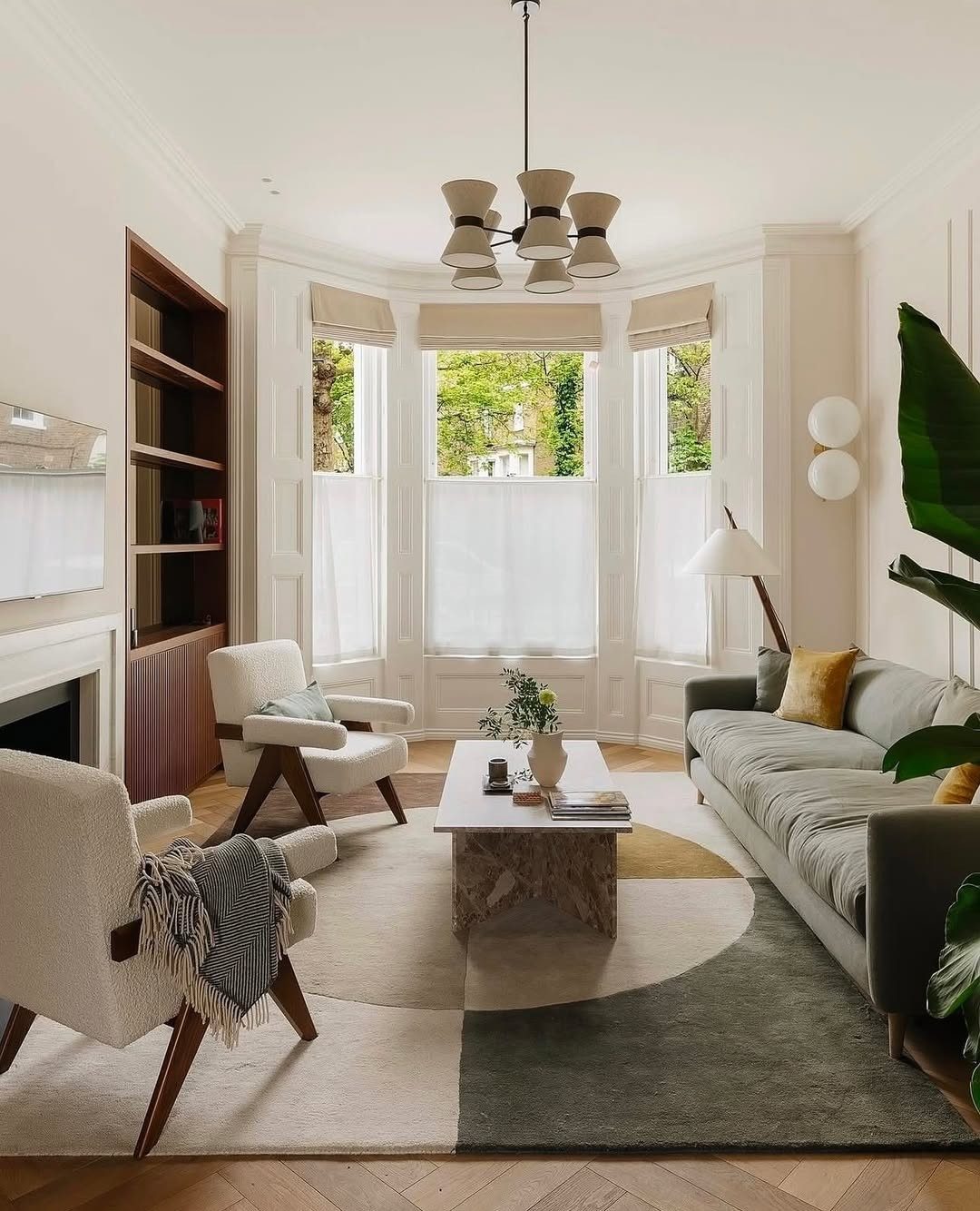
Where a window has decayed beyond the point that repair can sensibly recover, we make bespoke replacement sash windows to match the original in every visible respect. This is not off‑the‑shelf joinery. Each replacement is measured and made specifically for the opening it will fill, using seasoned timber and the same construction methods that gave the original its longevity. We replicate the sight lines, the glazing bar patterns, the moulding profiles, the meeting rail detail and the proportions of the original sashes, so that a replacement window sits quietly within a terrace rather than announcing itself.
For properties in conservation areas, and for the many listed buildings within WC1, we work to heritage‑compliant specifications. Slimline double glazing is available where the local authority permits it, giving a meaningful improvement in thermal and acoustic performance while keeping the delicate appearance of traditional single glazing. Where double glazing is not appropriate, we can achieve comparable comfort through careful draught proofing, secondary glazing or restoration of the original single‑glazed sashes. The right approach depends on the building, its planning status and the wishes of the conservation officer, and we advise honestly on all of it.
Our replacement windows are finished to a high standard and installed with the same care we bring to restoration. The result is a window that performs like new but looks entirely at home in a period building, with none of the flatness or wrong proportions that betray a poor modern copy.
Conservation areas and listed buildings in WC1
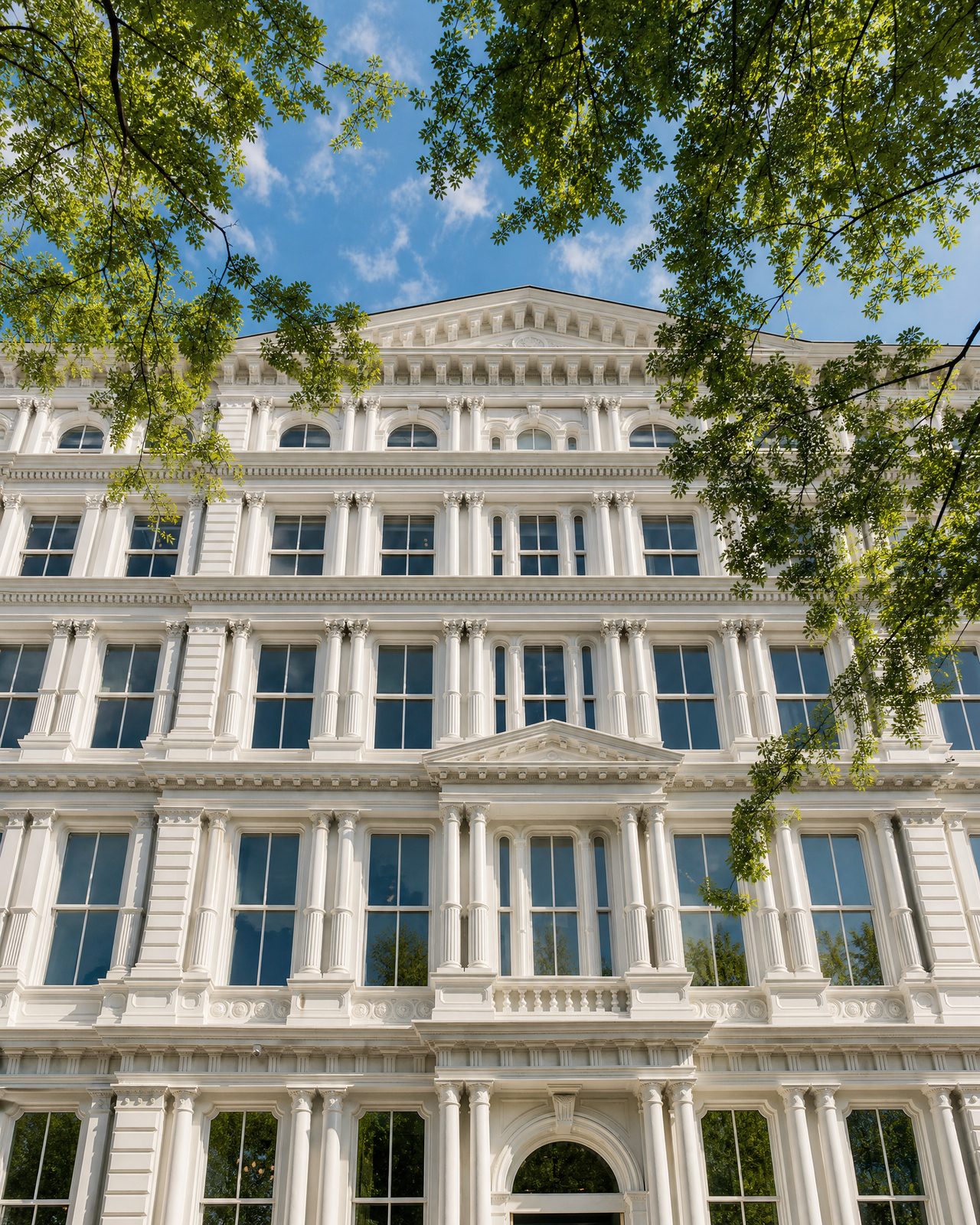
A great deal of WC1 falls within conservation areas, and Bloomsbury in particular contains a high concentration of listed buildings, many of them Grade II and some higher. In these settings the original timber sash windows are protected, and any work to them may require listed building consent or need to comply with conservation area guidance. Getting this wrong can be costly and can damage the heritage value of the property, so it pays to work with a specialist who understands the process.
We are experienced in restoration work on listed and conservation‑area properties, and we are comfortable liaising with conservation officers on the detail of what is proposed. Where consent is needed, we can advise on specifications that are likely to be acceptable, such as like‑for‑like repair, accurate timber replacement and slimline glazing that stays within permitted sight lines. Our default position is always the conservationist one: retain and repair original fabric wherever possible, and replace only what genuinely cannot be saved. That approach protects both the building and its value.
This experience matters most on the finer detail. The difference between a sympathetic repair and an unsympathetic one often comes down to millimetres of moulding profile or the exact pattern of the glazing bars, and it is precisely this level of care that keeps a listed building's windows correct.
Draught proofing and thermal comfort
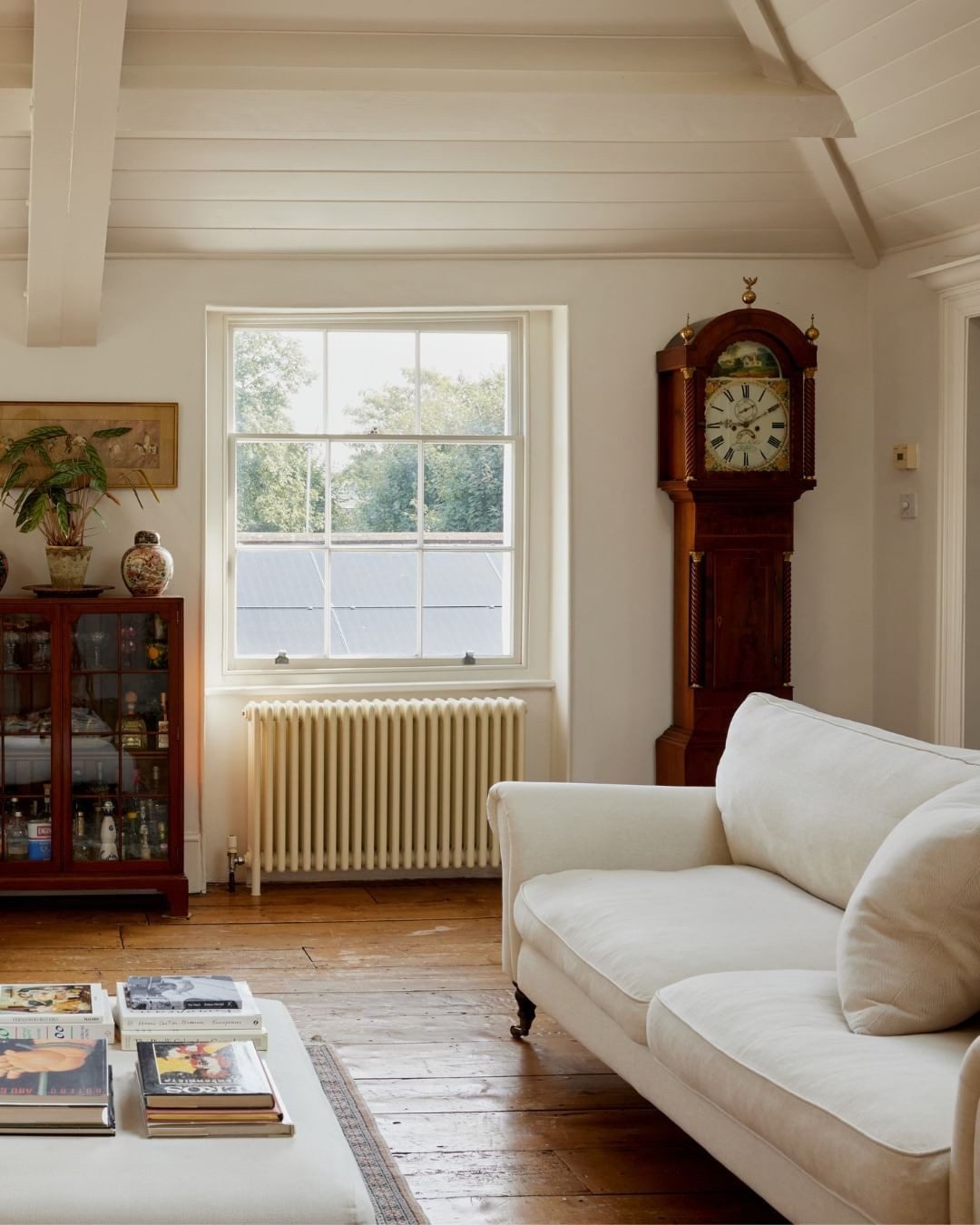
One of the most common reasons WC1 residents contact us is cold, draughty rooms in winter and traffic noise that carries through old windows. Original single‑glazed sashes were never sealed against the elements, and after a century or more the gaps around the sashes can be considerable. Our draught proofing system fits discreet brush seals into the frame and sashes, closing the gaps through which air, dust and noise pass while still allowing the windows to open and close freely.
The improvement is significant and immediate. Rooms hold their heat far better, energy bills fall, rattling stops and street noise is noticeably reduced, all without altering the appearance of the window or requiring planning consent. Draught proofing is frequently carried out alongside repair, so that a window is overhauled and sealed in a single visit. For properties needing greater acoustic or thermal performance, we can advise on secondary glazing and slimline double glazing as complementary options, chosen to suit the building and its planning status.
Areas we cover in and around WC1
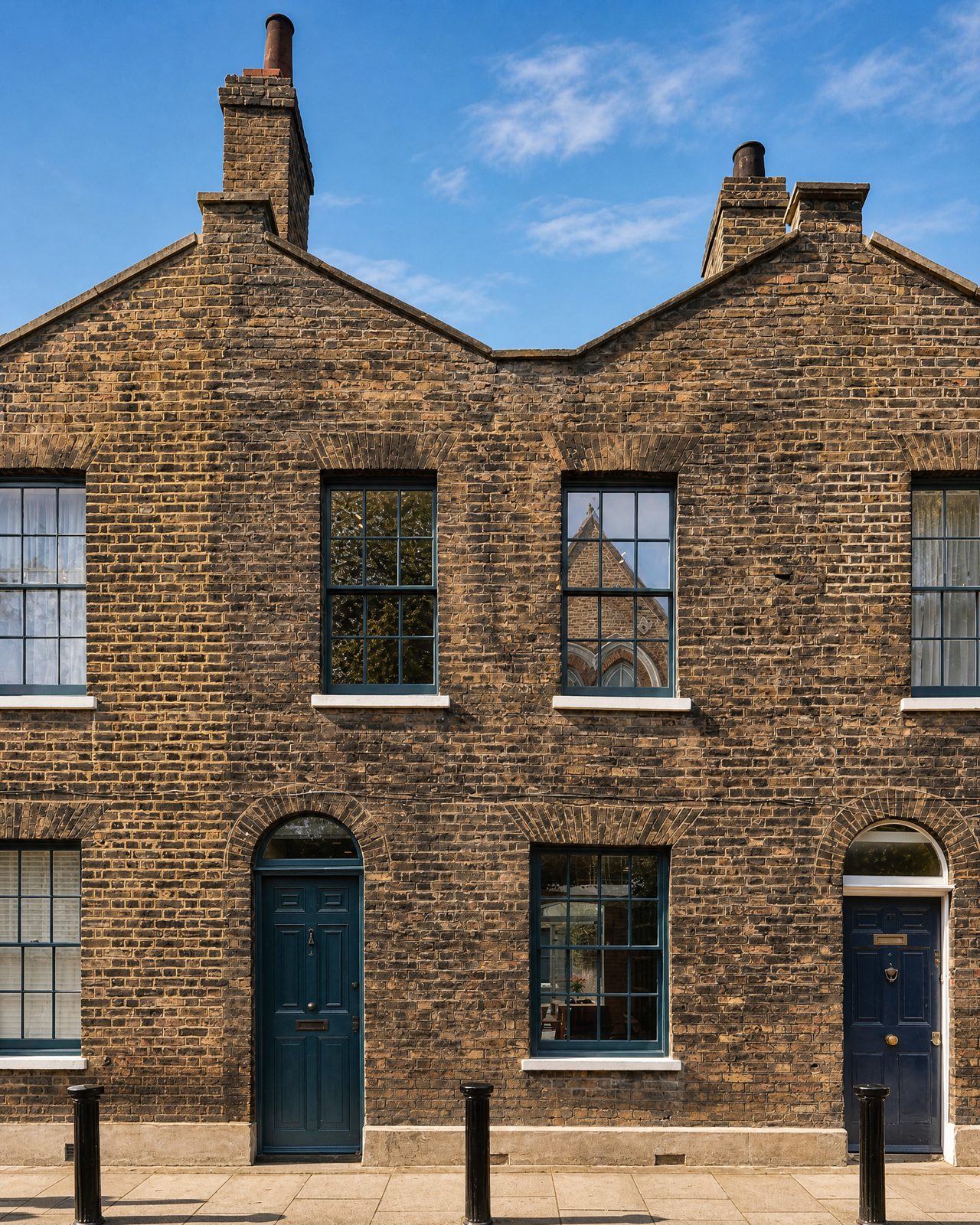
From our north London studio we serve the whole of WC1 and the neighbouring central London postcodes. Within WC1 this includes Bloomsbury, Holborn, King's Cross, the fringes of Clerkenwell, Russell Square, Gray's Inn, St Pancras and the streets around the British Museum and the university quarter. We regularly travel to the adjoining areas of Islington, Camden, Finsbury and the wider central London area, so if your property sits just outside WC1 we are very likely to cover you as well.
Because these areas share a common architectural heritage of Georgian and Victorian terraces, the sash windows we encounter across them are closely related in construction, and the same conservation‑grade approach applies throughout. If you are unsure whether we cover your street, the simplest step is to get in touch and describe the property; we will tell you honestly whether we can help and what the sensible first step is.
Why choose Barnsbury Joinery
We are a specialist sash window restoration practice, not a general contractor, and that focus shows in the quality of the work. Every job is assessed by someone who understands period joinery, and our advice is honest: we will tell you when a window can be repaired and saved money, and we will tell you plainly when replacement is the more sensible long‑term choice. We do not push replacement where repair will do, and we do not patch over problems that need proper attention.
Our work is carried out to conservation‑grade standards using traditional techniques and quality timber, whether we are splicing new wood into a decayed cill or making a complete replacement sash from scratch. We have genuine experience with conservation areas and listed buildings, which matters throughout WC1, and we are used to the level of care and documentation that these properties require. If you would like your windows assessed, you can request a survey and we will provide a clear, considered account of the condition of your windows and the options open to you.
Common questions
Do you cover the whole of WC1?
Yes. We serve the whole of WC1 from our north London studio, including Bloomsbury, Holborn, King's Cross, Russell Square, Gray's Inn and the edges of Clerkenwell, along with the neighbouring central London postcodes. If your property sits just outside WC1, get in touch and we will confirm whether we cover your street.
Should I repair or replace my sash windows?
In most cases repair is both possible and preferable, because original sashes were made from durable slow‑grown timber that is well worth conserving. We assess each window individually and give honest advice: we restore where a window can be saved, and we recommend accurate timber replacement only where the joinery is genuinely beyond repair.
Can you work on listed buildings and in conservation areas?
Yes. Much of WC1 lies within conservation areas and includes many listed buildings, and we have experience working to heritage‑compliant specifications. We are happy to liaise with conservation officers, advise on specifications likely to gain consent, and prioritise the retention of original fabric throughout.
Can double glazing be fitted to period sash windows in WC1?
Often, yes. Slimline double glazing can be fitted where the local authority permits it, improving thermal and acoustic performance while keeping the slender appearance of traditional single glazing. Where double glazing is not appropriate, draught proofing and secondary glazing offer effective alternatives. The right choice depends on the building and its planning status.
Will draught proofing stop cold and noise without changing the look of my windows?
Yes. Our draught proofing fits discreet brush seals into the frame and sashes, closing the gaps that let in cold air, dust and street noise while leaving the appearance of the window unchanged. It requires no planning consent and is often carried out alongside repair in a single visit.
How do I arrange an assessment of my windows?
Simply get in touch to request a survey. We will assess the condition of your sash windows on site and give you a clear, considered account of what can be repaired, what may need replacing, and the options available for your property.
Request a survey
Request a survey for your project, from a single commission to a whole scheme.
Request a surveyA studio of The Barnsbury Group
Barnsbury Joinery is the flagship studio of The Barnsbury Group, a second‑generation heritage joinery house. Established in London in 1987, it makes bespoke joinery by hand and carries the parent voice for the family of studios.
