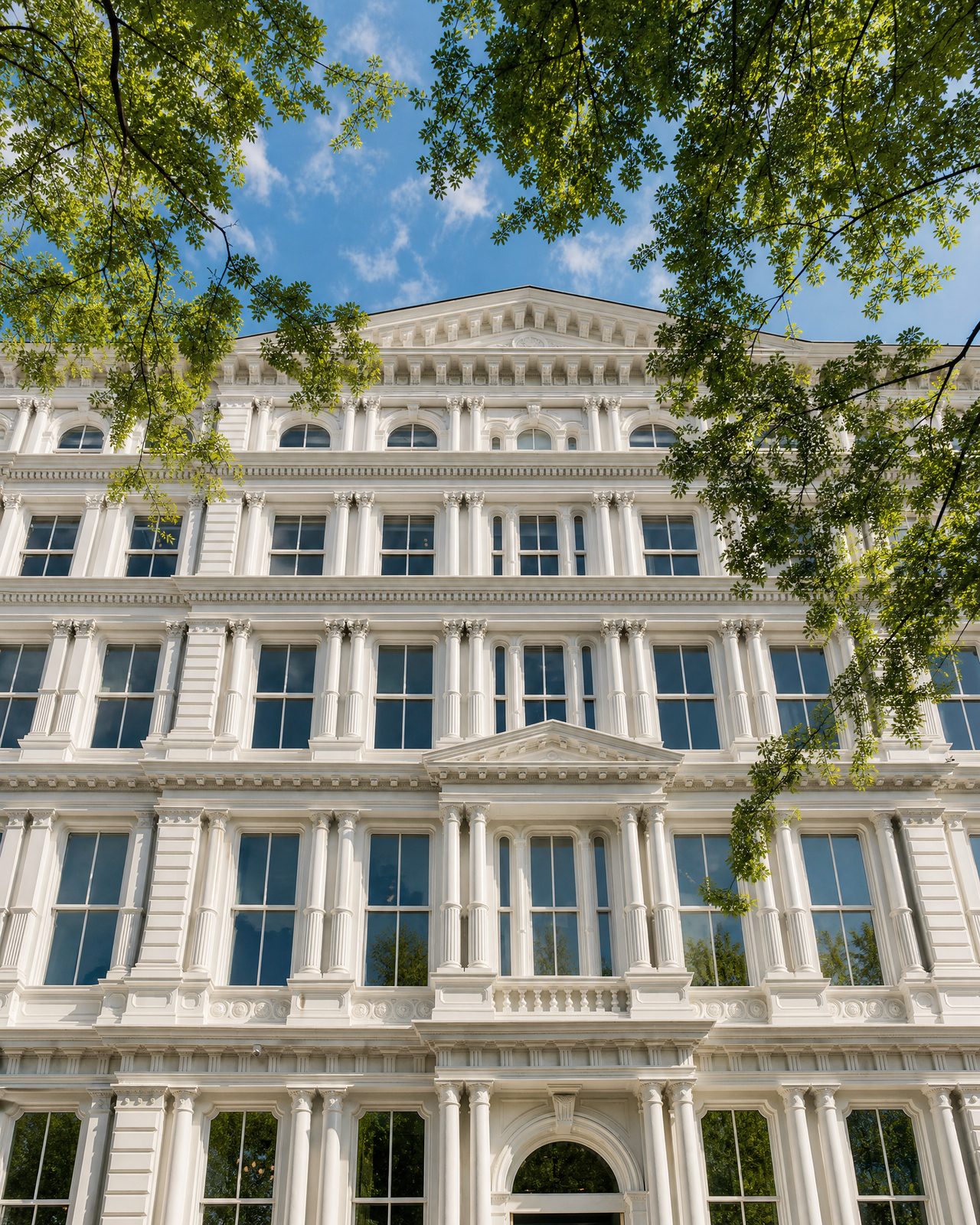
Richmond conservation area windows and listed building sash repair
Specialist sash window repair and replacement for Richmond conservation areas and listed buildings. Timber, slimline and secondary glazing with council approval.
Richmond is one of London's most tightly protected townscapes, and its conservation areas, Article 4 designations and listed buildings all shape what you can and cannot do to the windows of a period home. From the Georgian terraces around Richmond Green to the riverside villas and Victorian streets stretching towards Kew and Petersham, the timber sash and casement window is a defining feature that the borough is determined to preserve. We specialise in conservation‑grade sash window repair and replacement across Richmond, working to the standards that listed building consent and conservation area controls demand.
Sash window repair and replacement across Richmond
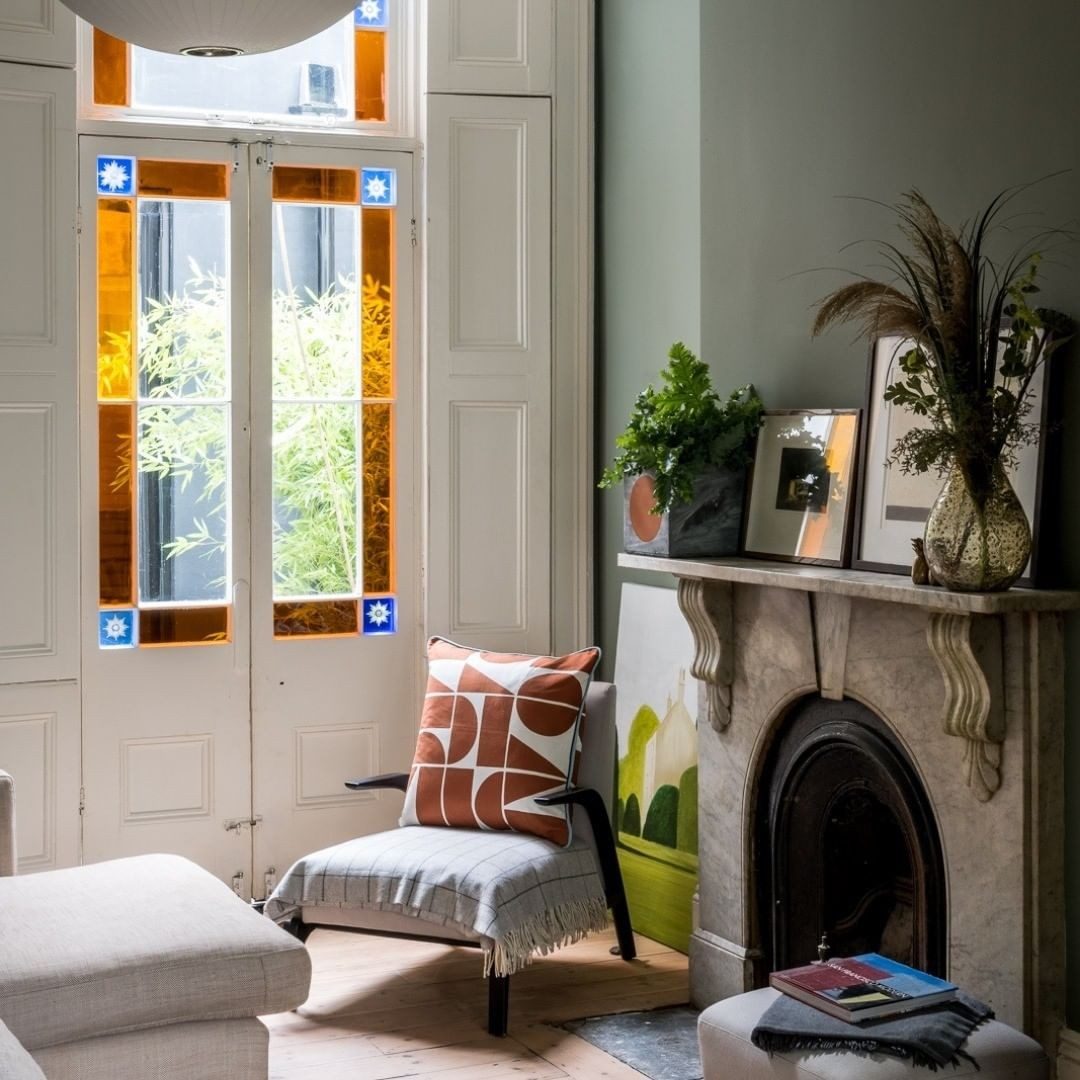
We provide the full range of heritage window work for period and listed properties throughout Richmond and the surrounding areas of Richmond upon Thames. Our services cover careful timber sash repair, bespoke like‑for‑like replacements matched to original details, slimline double glazing and secondary glazing for listed interiors. Every project begins with an assessment of what the property already has, because in a conservation area the existing joinery is often more significant than owners realise.
Timber sash repair is almost always the first option we explore. Splicing in new timber, replacing decayed cills and rails, re‑corded and rebalanced sashes, and draught‑proofing systems will frequently return a window to full working order without the loss of historic fabric. This approach tends to sit most comfortably with Richmond's conservation officers, who prefer repair over replacement wherever the original window can be saved.
Where a window is beyond economic repair, or has already been lost to an unsympathetic replacement, we manufacture bespoke timber sashes that reinstate the correct profiles, glazing bar patterns, sight lines and mouldings. Matching the original detailing is what separates a genuine conservation‑grade replacement from a generic off‑the‑shelf unit, and it is usually the difference between an application that is approved and one that is refused.
Conservation area and Article 4 controls in Richmond
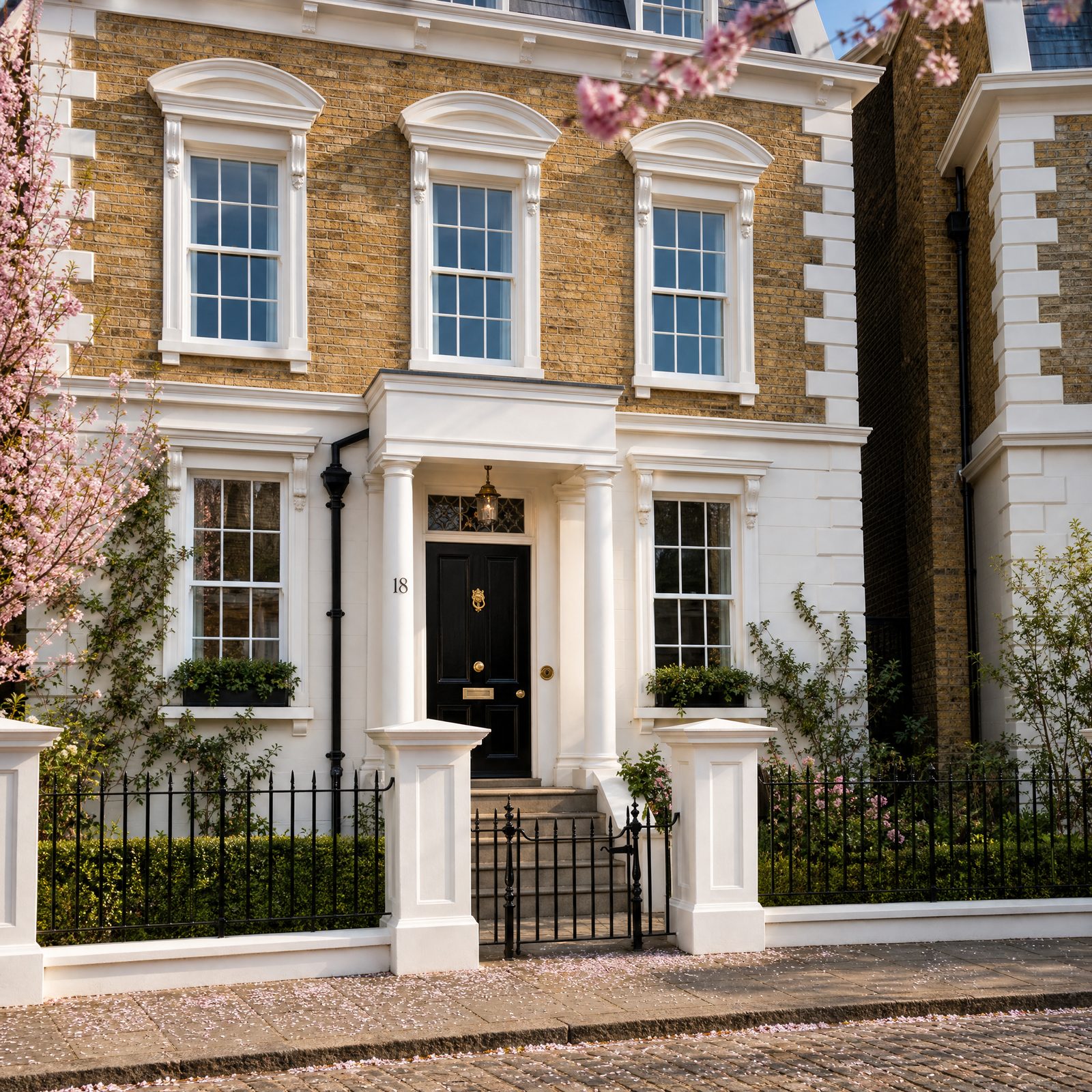
Richmond upon Thames applies some of the strictest heritage controls in London, and it is important to understand them before commissioning any window work. Within a conservation area, visible changes to materials, glazing, colour or profiles will almost always require consent. Many streets are also covered by Article 4 directions, which remove the permitted development rights that homeowners elsewhere might rely on. In practice this means that even a like‑for‑like replacement can require a formal application with detailed drawings.
Listed buildings carry a further layer of protection. Any alteration to a listed property needs listed building consent, and this applies to internal secondary glazing as well as external windows. The borough is clear that timber is the only acceptable material for original window openings in these settings, and applications proposing uPVC are routinely refused. We plan every project on the assumption that the original character must be respected in full.
We are familiar with how Richmond's planning and conservation teams assess applications, and we prepare our proposals accordingly. That includes documenting the existing windows, explaining the repair or replacement strategy, and demonstrating that new joinery will preserve the appearance of the building. Getting this right at the outset avoids delays, refusals and the cost of reworking a scheme that was never going to satisfy the council.
Slimline and secondary glazing for period homes
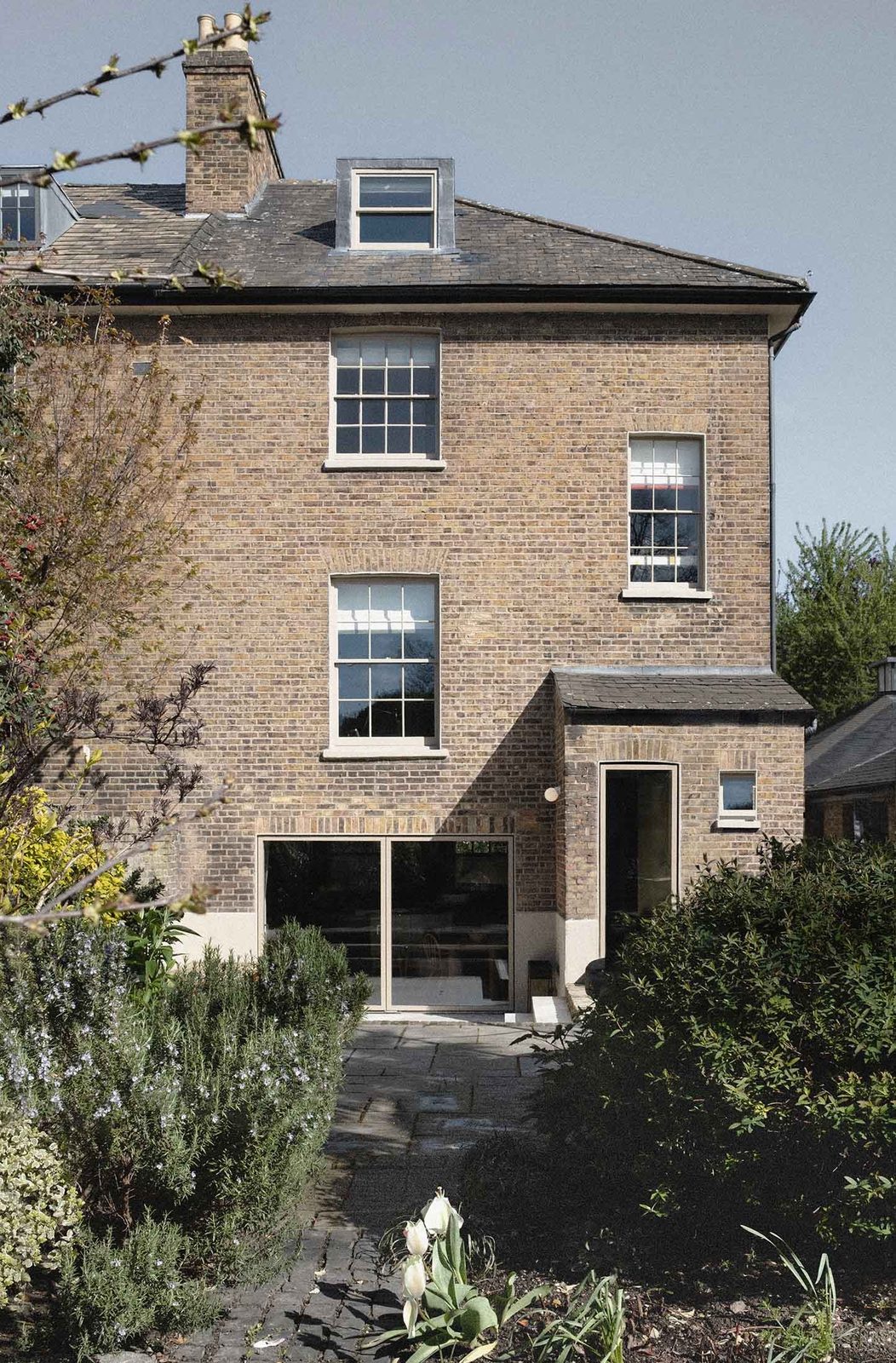
Owners of Richmond conservation area windows often want to improve comfort and energy efficiency without compromising the appearance of their home. Slimline double glazing makes this possible. Modern slimline units, typically in the region of 11 to 14mm, can be built into new timber sashes while keeping authentic glazing bar profiles and slim sight lines. Where the profiles remain faithful to the original, this type of glazing is frequently approved in Richmond's conservation areas.
For listed buildings, secondary glazing is often the most appropriate route. Because it sits discreetly behind the original window rather than replacing it, secondary glazing improves thermal and acoustic performance while leaving historic fabric untouched. It is a well established and widely accepted method of upgrading listed interiors, and it is particularly valuable for properties affected by aircraft noise on the flight paths that cross this part of west London.
Choosing between slimline double glazing and secondary glazing depends on the significance of the building, the nature of the conservation controls and the results you want to achieve. We advise on the right balance for each property, so that the finished work delivers a genuine improvement in comfort while remaining sympathetic to the period character that Richmond works so hard to protect.
A Richmond Green case study
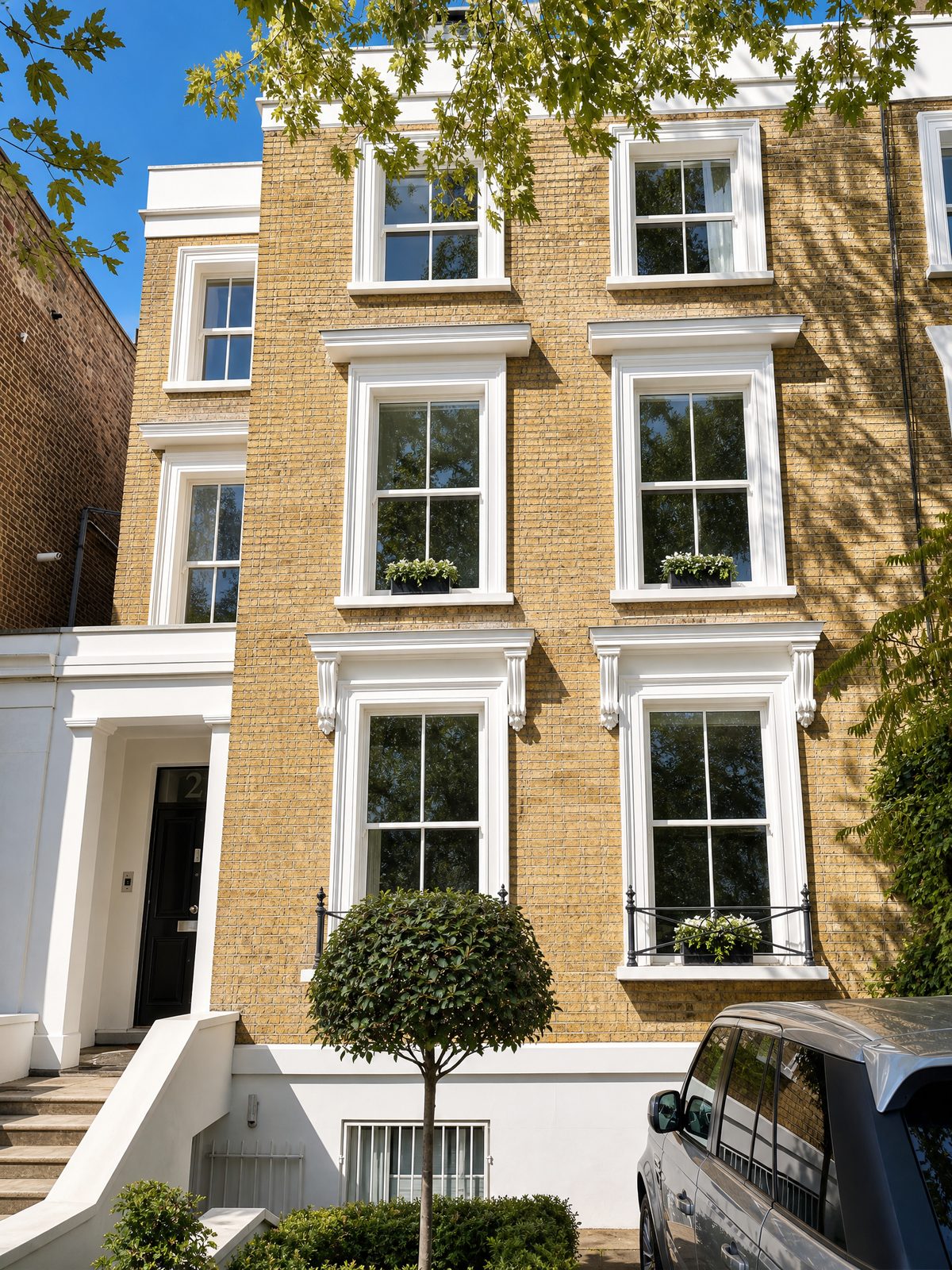
A recent project near Richmond Green illustrates how these considerations come together. The property, a Grade II cottage, suffered from persistent draughts and condensation that made the rooms uncomfortable through the colder months. The owners wanted a lasting solution, but were understandably concerned about what would be permitted given the building's listed status and its prominent conservation area setting.
Our approach combined two strategies. The front‑facing windows, which define the character of the cottage from the street, were replaced with new timber sashes incorporating 12mm slimline units that preserved the original appearance. To the rear, where visual impact was less critical, we installed secondary glazing to improve performance without further alteration to the existing windows. The scheme was approved by the council and delivered a measurable reduction in heat loss of around a third, transforming the comfort of the home.
This kind of tailored solution is typical of the way we work in Richmond. Rather than applying a single method to every window, we assess each elevation on its merits, propose the approach most likely to gain consent, and deliver joinery that satisfies both the homeowner and the conservation requirements of the borough.
Energy efficiency and sustainability
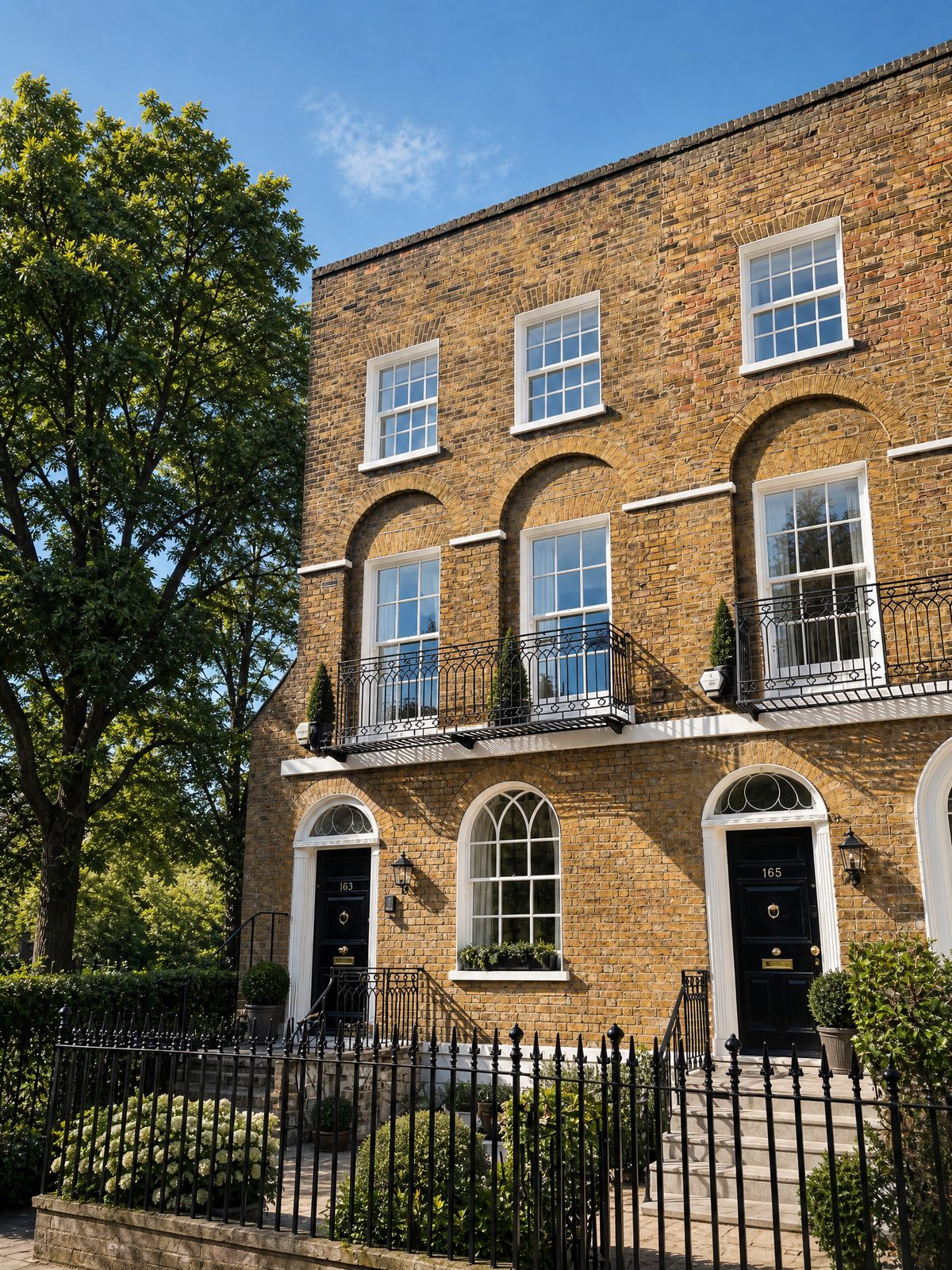
Richmond has ambitious climate goals, and sympathetic window upgrades have an important part to play in reducing the energy demand of its older housing stock. Our slimline glazing units achieve U‑values in the region of 1.5 W/m²K, a substantial improvement on the single glazing found in most unaltered period windows. Combined with effective draught‑proofing, this makes a noticeable difference to warmth, running costs and condensation.
We are equally mindful of the materials we use. Our joinery is manufactured from sustainably sourced timber, and we specify low‑VOC paint systems as standard. Timber is itself a low‑carbon, renewable material with a long service life when properly maintained, which makes a well built sash window one of the most sustainable choices available for a period property.
For homes affected by aircraft noise, acoustic glazing offers a further benefit. Whether delivered through slimline units or secondary glazing, improved acoustic performance can dramatically reduce the intrusion of external noise, making it one of the most immediately appreciated results of a conservation‑grade window upgrade in this part of Richmond.
How the application process works
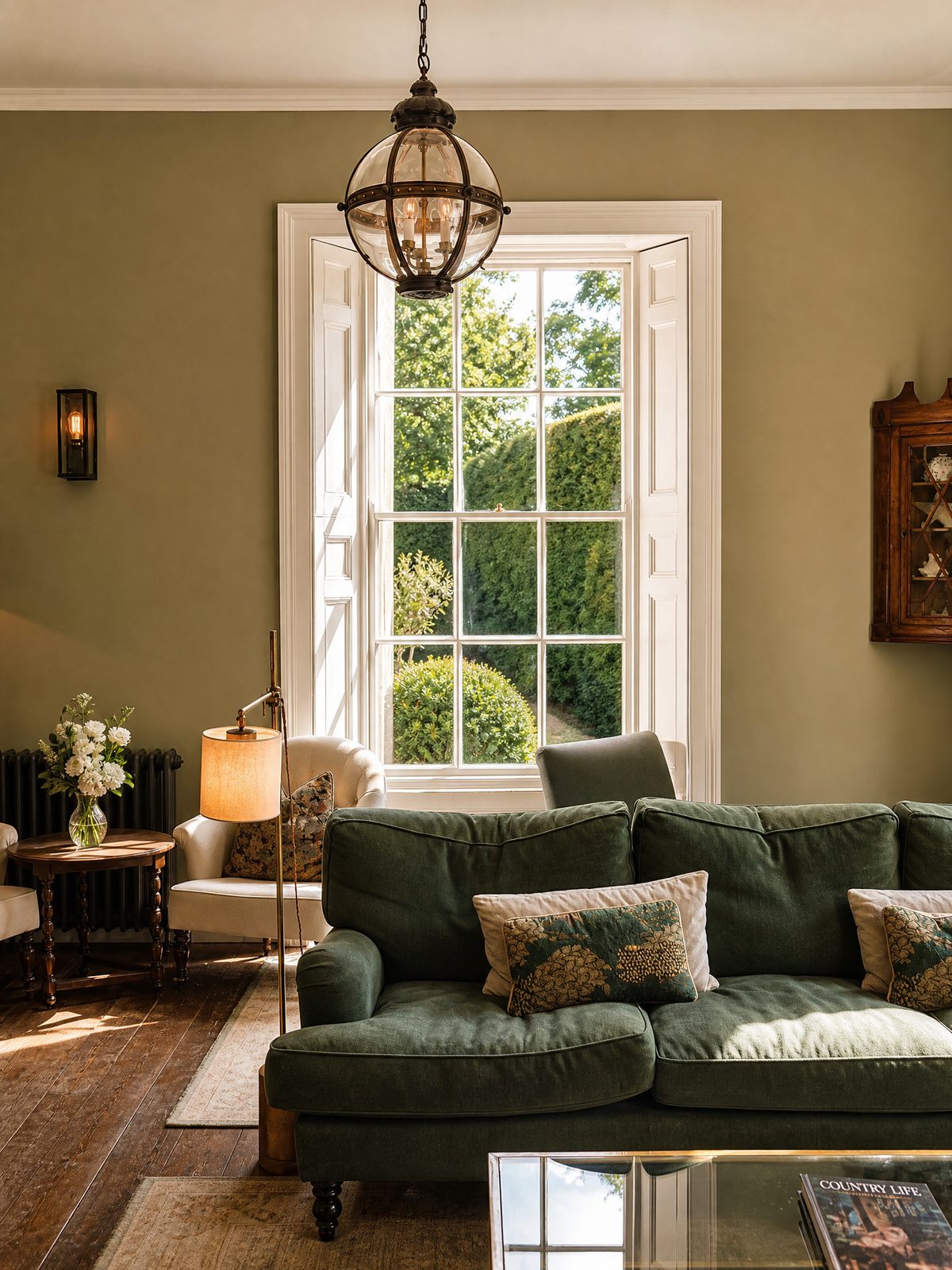
Securing consent for window work in a Richmond conservation area or listed building is a structured process, and we guide clients through every stage. It begins with a heritage survey of the existing windows, which establishes their condition, significance and the scope for repair. This survey underpins everything that follows and ensures our recommendations are grounded in the reality of the building.
We then prepare the drawings and, where required, a heritage impact statement that explains how the proposals preserve the character of the property. These documents form the basis of the planning or listed building consent submission. The council will typically consult on the application before reaching a decision, a stage that normally takes in the region of eight to twelve weeks, though more complex or sensitive sites can take longer.
Once consent is granted, we move to the manufacture and installation of the joinery. Because our windows are made to the approved drawings, the finished work matches exactly what the council has agreed. This continuity from survey to installation gives homeowners confidence that their project will run smoothly and that the result will be right first time.
Areas we serve around Richmond
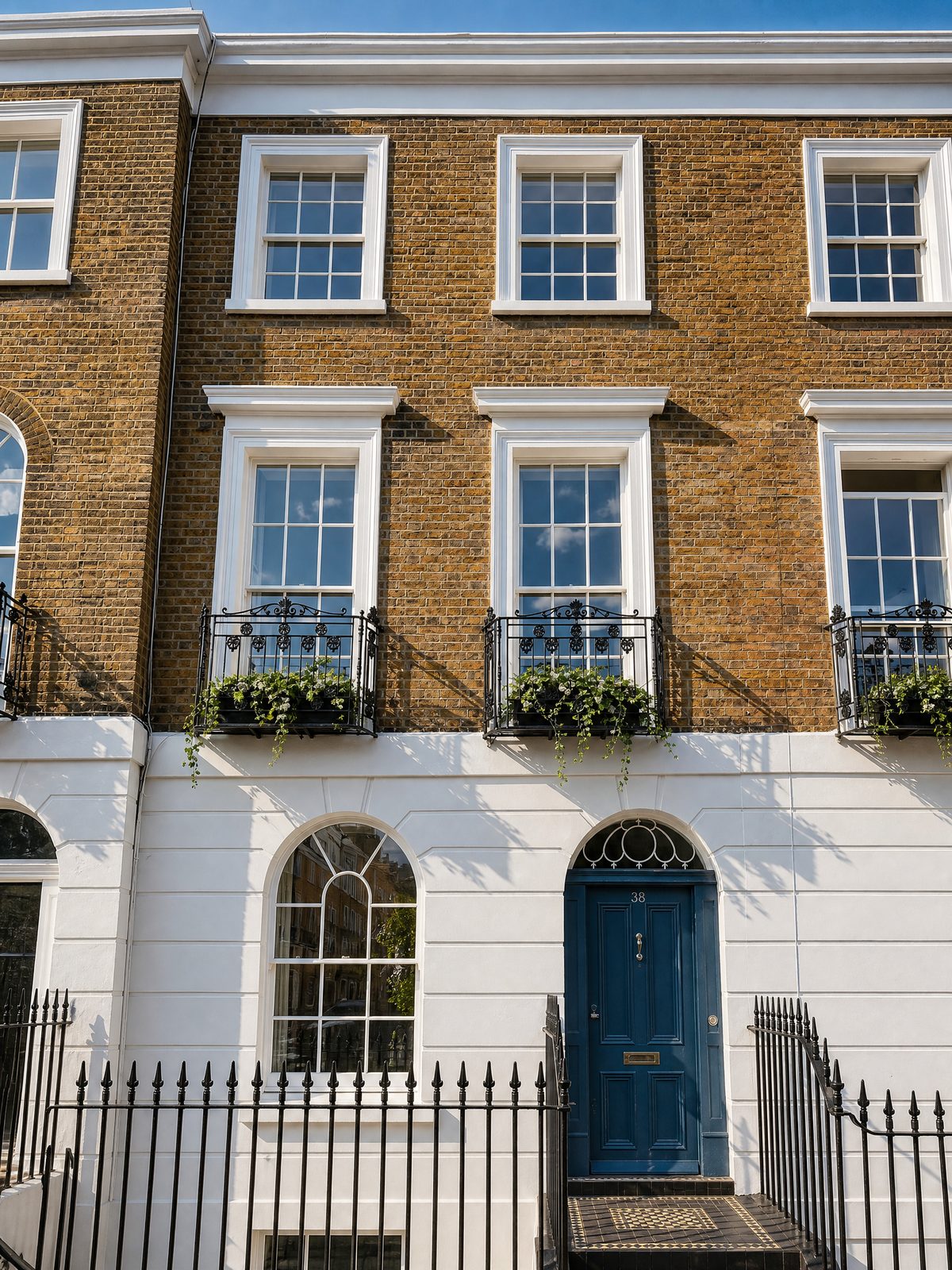
We carry out conservation and listed building window work throughout Richmond upon Thames and its neighbouring districts. This includes the historic streets around Richmond Green, the riverside properties towards Petersham and Ham, and the Victorian and Edwardian housing extending towards Kew, Mortlake, East Sheen, Twickenham and St Margarets. Wherever a property sits within a conservation area or carries a listing, the same careful, consent‑led approach applies.
Our work is not limited to individual homes. We also manage commercial and estate projects, including heritage surveys and phased programmes for blocks and larger buildings where a coordinated approach to window replacement is essential. Whether you are a private owner, a managing agent or a developer, we can plan and deliver a programme that meets Richmond's conservation standards.
If you own a period or listed property in Richmond and are considering repair, replacement or an energy upgrade to your windows, we would be glad to help. Request a survey and we will assess your windows, advise on the most appropriate approach, and set out how we can achieve a result that is both comfortable to live with and faithful to the character of your home.
Common questions
Can slimline glazing be used in Richmond conservation areas?
Yes, slimline double glazing is often approved in Richmond's conservation areas where the glazing bar profiles and sight lines remain authentic to the original window. We design new timber sashes so that the appearance of the building is preserved, which is what conservation officers look for when assessing an application.
How strict are Article 4 controls in Richmond?
Article 4 directions in Richmond are very strict. They remove the permitted development rights that homeowners might otherwise rely on, which means even minor or like‑for‑like window changes usually require a formal application supported by detailed drawings. We prepare submissions with this level of scrutiny in mind.
Can secondary glazing be used in listed properties?
Yes. Secondary glazing is a common and widely accepted way to improve energy efficiency and reduce noise in listed buildings. Because it sits behind the original window rather than replacing it, it leaves historic fabric untouched, which makes it well suited to Richmond's listed interiors.
How long does Richmond take to decide an application?
A decision on a conservation area or listed building consent application in Richmond normally takes around eight to twelve weeks, including the consultation stage. More complex or sensitive sites can take longer, so we recommend allowing time for the process when planning your project.
Do you handle commercial and estate projects in Richmond?
Yes. Alongside private homes, we manage commercial and estate work, including heritage surveys and phased window programmes for blocks and larger buildings. We can coordinate a consent‑led approach across multiple units so that the whole scheme meets Richmond's conservation standards.
Request a survey
Request a survey for your project, from a single commission to a whole scheme.
Request a surveyA studio of The Barnsbury Group
Barnsbury Joinery is the flagship studio of The Barnsbury Group, a second‑generation heritage joinery house. Established in London in 1987, it makes bespoke joinery by hand and carries the parent voice for the family of studios.
