Barnsbury Joinery · Advice · 18 min read
01Melbourne & Sydney37.88° S, 145.16° E
Advice · 18 min read

Vacuum insulated double glazing for heritage sash windows in Melbourne

A conservation‑led guide to vacuum insulated double glazing for heritage sash windows in Melbourne, covering suitability, heritage overlays, noise and comfort.

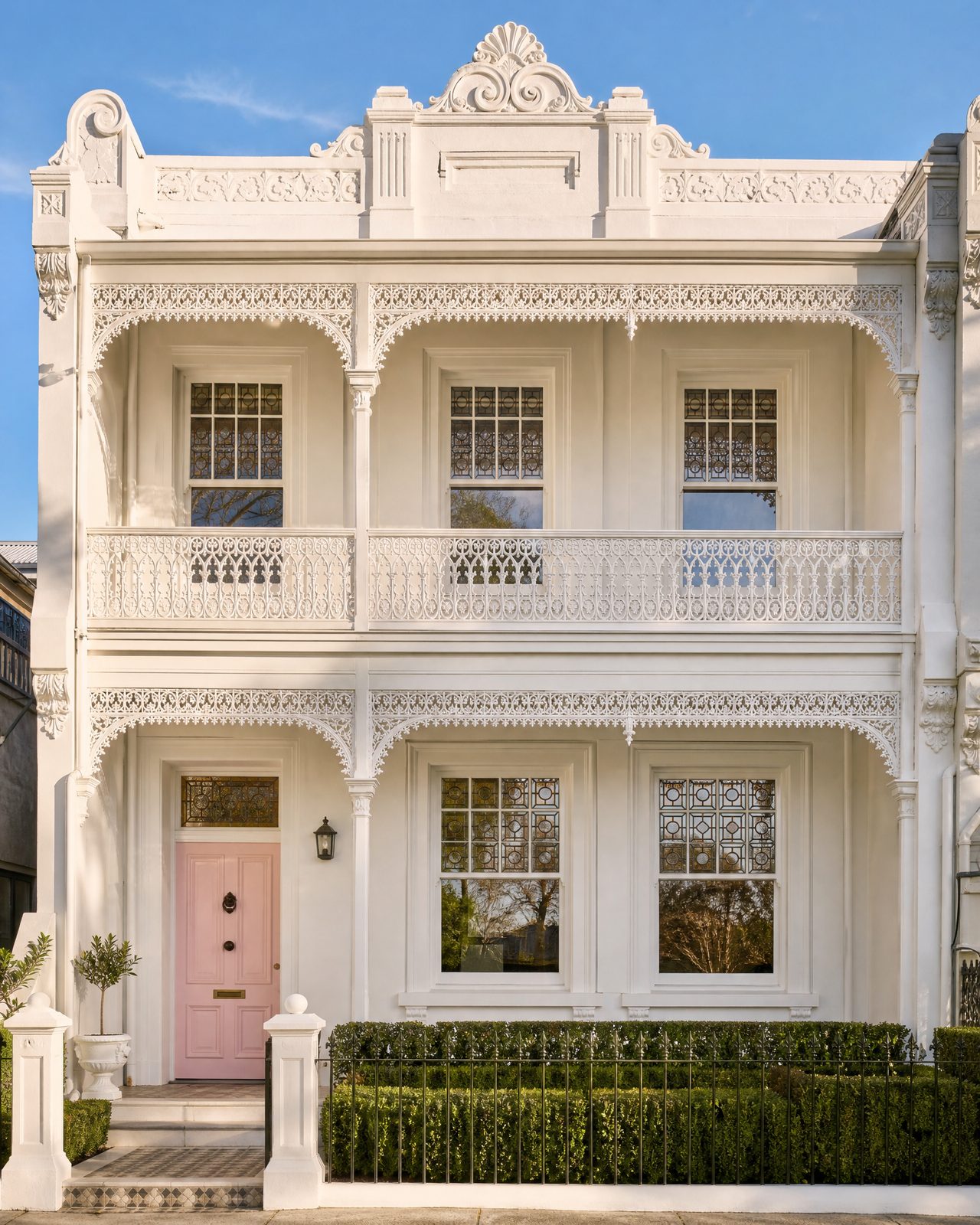
If you own a Victorian terrace in Fitzroy, an Edwardian home in Camberwell or a Federation house in Malvern, you have probably wondered whether the original timber sash windows can ever be made warmer, quieter and more comfortable without losing the character that makes the house what it is. The honest answer is that they usually can, and that vacuum insulated double glazing is one of the most promising ways to achieve it. It offers a genuine thermal upgrade inside a glass unit slim enough to sit within the narrow rebates of original timber sashes, which is precisely the constraint that defeats most conventional double glazing on heritage windows.

This guide explains what vacuum insulated glazing actually is, why it matters for Melbourne heritage homes, when it is the right choice and when it is not, and how it fits within a conservation‑led approach that keeps your original windows working for another century. Barnsbury Joinery is part of an Australian operation working with UK‑manufactured heritage timber sections that are finished and glazed locally in Australia, so the advice here is grounded in both traditional joinery practice and the realities of the Melbourne market, its climate and its planning framework.
01

The quick answer

Vacuum insulated double glazing can be suitable for many Melbourne heritage sash windows because it delivers a meaningful improvement in insulation within an exceptionally slim glass profile. That slimness is the whole point. Original timber sashes were built to hold a single pane of glass, and their glazing rebates are shallow, so a conventional sealed unit that is twenty millimetres or more thick simply will not fit without butchering the joinery. Vacuum insulated glass can be as thin as six to eight millimetres overall while still outperforming a standard air‑filled double glazed unit, which is what makes it so interesting for conservation work.

That said, suitability is never automatic. It depends on the condition of the sashes, the depth of the glazing rebate, the strength of the frame, the state of the sash cords and pulleys, whether the sashes can be rebalanced to carry heavier glass, any heritage overlay requirements that apply to your property, and the overall repair strategy for the window. A good outcome comes from assessing the whole window as a system rather than treating the glass as a bolt‑on product. The sections below walk through each of those considerations so you can judge where your own windows sit.

02

What is vacuum insulated double glazing?

Vacuum insulated glazing, often shortened to VIG, uses two panes of glass separated by an extremely thin vacuum layer rather than the wider air or gas‑filled cavity found in conventional double glazing. In a standard sealed unit, two panes are held apart by a spacer bar, and the gap between them, usually filled with air or an inert gas such as argon, is what slows the movement of heat. That cavity typically needs to be twelve to sixteen millimetres wide to work well, which is why the whole unit ends up being twenty‑four millimetres or more thick.

A vacuum unit takes a different route to the same goal. By removing almost all the air from the gap between the panes, it eliminates the conduction and convection that a gas layer relies on, so it can achieve strong thermal performance with a cavity that is a fraction of a millimetre wide. The two panes are kept apart by an array of tiny, almost invisible support pillars, and the edge is hermetically sealed to hold the vacuum. The result is a double glazed unit that can be around six to eight millimetres overall, close in thickness to the single pane it replaces.

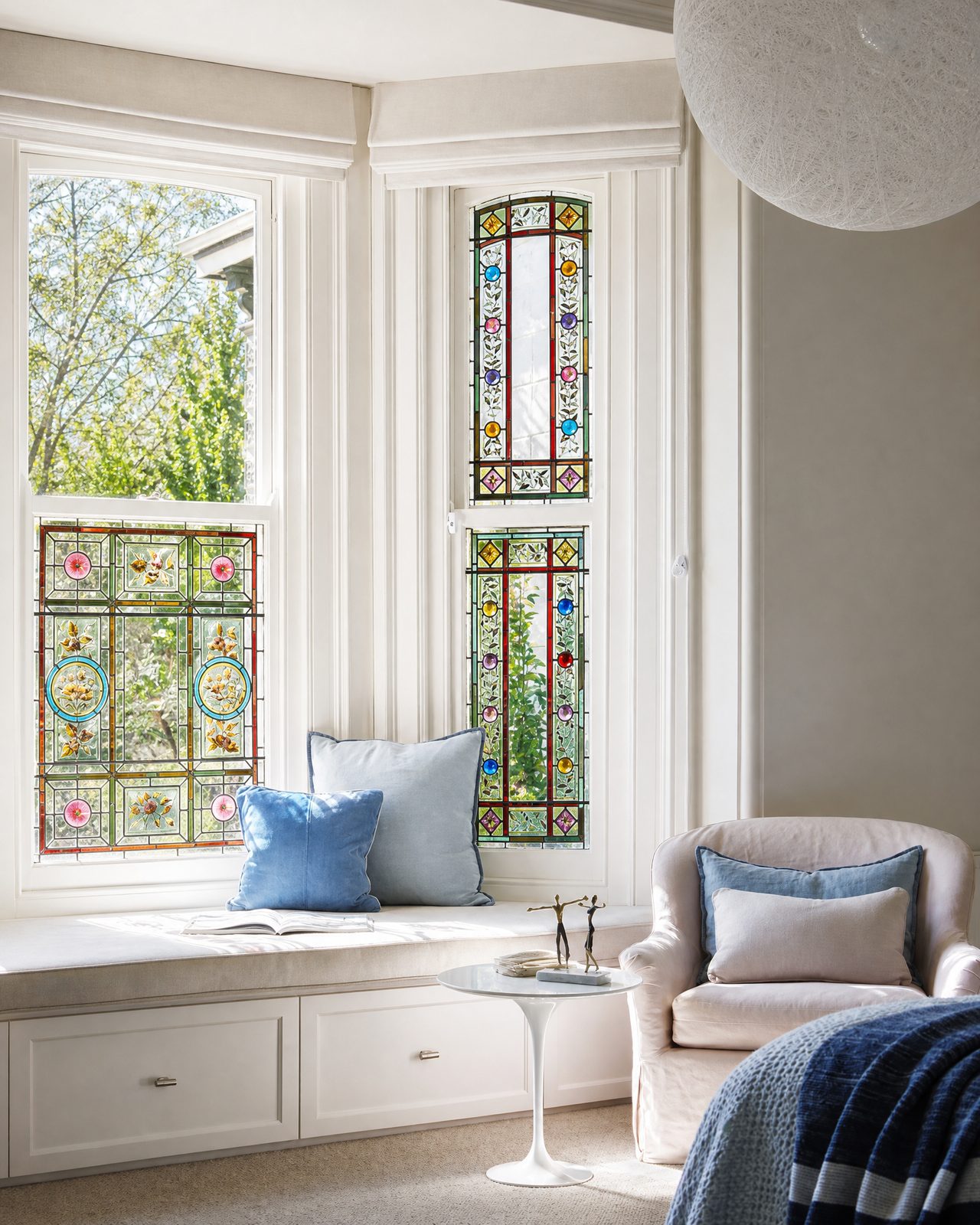
For traditional timber sash windows with slim original sections, this changes what is possible. Instead of asking the joinery to accommodate a bulky modern unit, the glazing is matched to the window. The original glazing bars, meeting rails and stiles can often be retained at their proper proportions, and the sash keeps the visual lightness that is so central to Victorian, Edwardian and Federation window design. In heritage terms, that combination of real thermal gain and minimal visual change is exactly what a conservation approach is looking for.

03

Why vacuum insulated glass matters for Melbourne heritage homes

Single‑glazed heritage windows are wonderful things to look at and terrible things to live behind in extreme weather. Melbourne is not a mild‑climate city in the way it is sometimes imagined. Winter mornings in the inner suburbs can be genuinely cold, and a single pane of glass offers almost no resistance to heat escaping from the room to the outside. In summer, the same glass lets heat pour in through north and west‑facing rooms during a run of hot days. Add the draughts that develop as old putty shrinks and sashes loosen, the noise that travels straight through a single pane, and the condensation that forms on cold glass in winter, and you have a window that is working against the comfort of the home.

The instinct of many owners is to rip the whole thing out and fit modern replacements. In a heritage context this is usually the wrong move, and often not even a permitted one. Replacing original timber windows with aluminium or uPVC units changes the character of the facade, flattens the depth and shadow lines that give the streetscape its rhythm, and in a Heritage Overlay can create real planning difficulties. It also throws away timber that was frequently milled from old‑growth hardwood far denser and more durable than anything you can readily buy today.

A conservation‑led approach flips the priority. The first aim is to repair, restore and upgrade the original timber windows so they perform properly, rather than discarding them. Vacuum insulated glazing sits at the heart of that strategy because it lets you address the single biggest weakness of a heritage window, the glass, without sacrificing the joinery around it. You get warmer rooms in winter, more stable temperatures in summer, fewer draughts and less noise, while the window still reads from the street as the original it is.

04

Benefits of vacuum insulated double glazing

The headline benefit is thermal performance. By suppressing heat transfer through the glass, a vacuum insulated unit substantially reduces the heat that escapes in winter and moderates the heat that enters in summer, compared with the single pane it replaces. That translates into rooms that hold a comfortable temperature more easily and heating and cooling systems that do not have to fight the windows quite so hard.

The second benefit is the slim profile, which is what makes the first benefit achievable on a heritage window at all. Because the unit is close to the thickness of original single glazing, it can often be accommodated within the existing sash with minimal alteration, preserving the delicate sightlines that thicker conventional units would force you to bulk up.

Noise reduction is a further advantage. A vacuum insulated unit can reduce the transmission of external noise compared with a single pane, which matters a great deal in the inner suburbs where trams, arterial roads and busy commercial strips are part of daily life. Alongside comfort, there is the conservation dividend: keeping and upgrading original windows preserves the architectural character of the house and the street, and it avoids the waste involved in tearing out sound timber. Finally, a heritage‑sensitive glazing upgrade lets you improve how the window works without visibly changing what it is, which is the balance most owners of period homes are trying to strike.

05

Is vacuum insulated glass suitable for sash windows?

Whether vacuum insulated glass suits a particular sash window comes down to a careful assessment of the window as a whole. The first thing to evaluate is the condition of the timber sashes. If the stiles, rails and glazing bars are sound, or can be repaired to a sound state, they can usually be adapted to carry a slim vacuum unit. If the timber is badly decayed, the calculation changes and a bespoke replacement sash made to match the original may be the more sensible route.

Next comes the glazing rebate, the recess in the sash that holds the glass. Its depth determines what thickness of unit can be fitted while still leaving room for the bead or putty that secures the glass. Vacuum units are forgiving here precisely because they are thin, but the rebate still has to be measured and, where necessary, carefully adapted. The strength of the frame matters too, because glass is being added to a component originally designed for a single pane.

Weight is the consideration owners most often overlook. A double glazed unit, even a slim one, is heavier than a single pane, and a traditional box sash is a balanced mechanism. The sash hangs on cords that run over pulleys to counterweights hidden in the box frame, and that balance has to be re‑established when the glass weight changes. So the condition of the sash cords and pulleys, and the feasibility of rebalancing the sash with heavier or additional weights, form part of the suitability question. On top of all this sit the heritage overlay restrictions that may apply, the options for retaining or replicating the original glazing bars, and the underlying judgement of whether repair with a glazing upgrade or a sympathetic replacement gives the better long‑term result.

06

Vacuum insulated glass versus standard double glazing

The clearest way to understand where vacuum insulated glass fits is to compare it directly with standard sealed‑unit double glazing. Standard double glazing is an excellent product in the right setting, but that setting is rarely an unaltered original timber sash. Because a conventional unit needs a wide cavity to insulate well, it is simply too thick to fit within the slim rebate of an original sash unless the sash is significantly modified or replaced outright. Owners who insist on standard double glazing in a heritage window usually end up with clumsier, deeper glazing bars and heavier‑looking sashes that lose the fineness of the original.

Vacuum insulated glazing avoids that compromise. Its slim construction delivers strong insulation without demanding the modifications that a thick unit requires, so the original proportions of the window can be respected. This is the decisive difference in a conservation context with narrow rebates and glazing bars that need to be retained.

None of this makes standard double glazing wrong. It remains the right choice for entirely new bespoke windows, where the joinery can be designed around the unit from the outset, and for sashes that are genuinely beyond repair and are being replaced anyway. In those situations the cost advantage and long track record of conventional units count in their favour. The point is to match the glazing to the situation: vacuum insulated glass for retained original sashes in heritage settings, standard double glazing for new joinery or full replacements where the extra thickness can be designed in rather than forced in.

Vacuum insulated double glazing for heritage sash windows in Melbourne, Barnsbury Joinery
07

Heritage overlays and double glazing in Melbourne

A great many Melbourne properties fall within a Heritage Overlay, the planning control that recognises the significance of an individual building or a wider precinct. Within these areas, councils pay close attention to changes that affect the appearance of a building, and windows are one of the most scrutinised elements because they contribute so strongly to the character of a facade and a streetscape. This is why the way you approach a glazing upgrade matters as much as the upgrade itself.

In general, like‑for‑like repair of original timber windows proceeds far more readily than replacement. When you are conserving what is already there, retaining the original profiles, proportions and glazing bars, you are doing the kind of work that heritage controls are designed to encourage. Replacing windows, or changing their appearance through heavier glazing or altered detailing, is where planning friction tends to arise and where consultation or formal approval may be required.

Before committing to any upgrade, it is worth establishing a few things. Confirm whether your property sits within a Heritage Overlay and, if so, what it covers. Consider how visible the windows are from the street, since street‑facing elevations usually attract the most attention. Be clear about your intention to retain the original sashes, and understand whether the work will change the original proportions or the glazing bars in any way. Requirements vary between councils and between individual overlays, so checking your specific situation early saves difficulty later. A conservation‑led glazing upgrade using slim vacuum units is generally well aligned with heritage objectives precisely because it changes so little of what can be seen.

08

When should you restore rather than replace?

Restoration should be the default whenever the original timber windows are structurally repairable, and in Melbourne period homes they very often are. The old‑growth hardwood used in many Victorian, Edwardian and Federation windows is remarkably durable, and what looks like a window at the end of its life is frequently a window that has been neglected rather than one that has failed. Peeling paint, seized sashes, rattling in the wind and a bit of localised rot are all repairable conditions, not death sentences.

A proper restoration is a comprehensive piece of work rather than a quick patch. It typically includes replacing perished sash cords, rebalancing the sash weights so the window opens and holds smoothly, servicing or replacing worn pulleys, cutting out and repairing areas of timber rot with matching new timber, and installing effective draught proofing around the perimeter of the sashes. It is also the natural moment to carry out a glazing upgrade, whether to slimline or vacuum insulated glass, and to renew the beads or putty, repaint the joinery properly, and preserve the original details that give the window its character.

Replacement becomes the right answer only when a window is genuinely beyond saving, where decay is so extensive or structural failure so advanced that repair is neither practical nor economical. Even then, the aim in a heritage context is a bespoke replacement made to match the original in profile, proportion and material, so that the character of the facade is maintained. Restoration is preferred not out of sentiment but because it keeps the original craftsmanship and architectural character intact while delivering, through a considered glazing upgrade, most of the comfort benefits people imagine they can only get from a new window.

09

Best homes for vacuum insulated glazing in Melbourne

Some homes are especially strong candidates for vacuum insulated glazing. Victorian terraces, Edwardian houses and Federation homes with their original timber sashes are the obvious cases, because they combine slim heritage joinery worth keeping with single glazing worth upgrading. Heritage‑listed properties and homes within Heritage Overlay areas benefit too, since the slim units allow a real performance improvement while respecting the conservation constraints that apply.

Street‑facing windows are prime candidates because they are the ones most visible to the public and most sensitive to change, and vacuum glazing lets you upgrade them without altering how they read from the footpath. Properties troubled by noise, whether from traffic, trams or busy streets, gain from the acoustic improvement, and any home where the owners want better comfort without a visible change to the windows fits the profile.

In geographic terms, the inner and established suburbs are where these homes cluster. Fitzroy and Carlton with their tight terrace rows, Albert Park with its grand Victorian streets, Hawthorn, Kew and Camberwell with their generous Edwardian and interwar housing, and Malvern and Brighton with their mix of period styles, all contain large numbers of homes whose original timber sashes are exactly the kind of window that suits a slim vacuum glazing upgrade. If your house is of this era and still has its original sashes, it is well worth assessing.

10

Can vacuum insulated glass improve energy efficiency?

Vacuum insulated glass improves the thermal performance of a window compared with single glazing by reducing the rate at which heat passes through the glass. In practical terms this means less warmth escaping through the windows on a cold Melbourne morning and more stable indoor temperatures during summer heat, which in turn reduces the load on heating and cooling and can make rooms noticeably more comfortable to be in.

It is important, though, to be realistic about what the glass alone can do. A window is a system, and the glass is only one component of it. If the sashes are draughty, if the timber has gaps, if the frame is not sealed against the surrounding wall, or if the window does not close snugly, then even the best glass will underperform because air is bypassing it entirely. This is why a glazing upgrade should never be carried out in isolation.

The best results come from combining the glazing upgrade with the rest of a proper restoration: effective draught proofing around the sashes, rebalancing so the window seats and closes correctly, timber repairs to eliminate gaps and rot, sealing where the frame meets the masonry, a good paint finish to protect the joinery, and careful, competent installation of the glass itself. Treated as a package, these measures let the improved glass deliver its full benefit. Treated as a lone product, the glass will always be held back by the weaknesses around it.

11

Can vacuum insulated glass reduce noise?

Vacuum insulated glass can reduce the transmission of external noise compared with a single pane, and for many Melbourne homes that is a significant part of the appeal. Living in the inner suburbs often means living close to a tram route, a main road, a commercial strip, a school or a rail line, and single glazing does very little to keep that sound out. A slim vacuum unit, particularly when the panes are of differing thickness, interrupts the path of sound more effectively and can take the edge off the noise that reaches the room.

Suburbs where this matters are easy to identify. Fitzroy and Carlton sit among busy streets and tram corridors, South Yarra carries heavy traffic and a lively commercial life, and Albert Park and Hawthorn both contain homes exposed to arterial roads and public transport. In these settings, the acoustic benefit of upgrading the glazing can be as valued as the thermal one.

As with energy performance, the outcome depends on more than the glass. How effective the noise reduction turns out to be is shaped by the existing design of the window, the quality of the sealing around the sashes, the specification of the glass chosen, and the standard of the installation. A vacuum unit fitted into a draughty, poorly sealed sash will disappoint, because sound leaks through the same gaps that let air through. Fitted into a properly restored and draught‑proofed window, the same unit performs to its potential. Noise reduction, in other words, is the product of the whole window working well together rather than the glass acting alone.

12

What should homeowners check first?

Before spending money on any glazing upgrade, there are several questions worth answering, because the answers determine both what is possible and what is wise. The first is whether the original timber windows are repairable. In most Melbourne period homes they are, and confirming this steers you toward restoration rather than replacement. The second is whether the property sits within a Heritage Overlay, since that shapes what changes are appropriate and whether any approval is needed.

From there, the questions become more technical. Will a slim vacuum unit fit within the existing sashes, given the depth of the glazing rebate? Will the sash weights need adjusting to carry the additional weight of a double glazed unit, and are the cords and pulleys in a fit state to be rebalanced? Can the original glazing bars be retained so the window keeps its proper appearance, or will they need to be replicated? Is draught proofing required to make the upgrade worthwhile, which in an older window it almost always is?

The overarching question tying all of these together is whether restoration with a glazing upgrade, or a sympathetic bespoke replacement, gives the better long‑term outcome for your particular windows. That judgement benefits from an experienced eye, because it weighs the condition of the timber, the constraints of the heritage setting and the performance you are hoping to achieve. Working through these checks before committing means the upgrade you choose is the right one for the house, rather than a product decision made in isolation.

13

How Barnsbury Joinery can help

Barnsbury Joinery specialises in heritage timber window restoration, working in a conservation‑led way that seeks to preserve original windows by repairing and upgrading them rather than replacing them wherever it is sensible to do so. As part of an Australian operation working with UK‑manufactured heritage timber sections that are finished and glazed locally in Australia, the work combines traditional joinery methods with an understanding of Melbourne homes, climate and heritage requirements.

The services relevant to owners considering a glazing upgrade span the whole window. They include heritage timber window restoration and sash window repairs, timber rot repairs, sash cord replacement and rebalancing, and draught proofing to make the upgrade effective. On the glazing side, there is advice on slimline and vacuum insulated glazing so you can understand which option suits your sashes, along with bespoke timber sash windows made to match the original where replacement is genuinely the better course.

Beyond the physical work, there is guidance on the process itself, including heritage window assessments and advice on heritage planning considerations so you can navigate overlay requirements with confidence. The aim throughout is to help you make an informed decision about whether restoration, a slimline or vacuum insulated glazing upgrade, or a sympathetic bespoke replacement is the right path for your home, and then to carry out that work to a standard that respects the original craftsmanship while delivering the comfort, quiet and efficiency a modern household expects.

Common questions

01

What is vacuum insulated double glazing?

Vacuum insulated double glazing is a high‑performance glazing system that uses two panes of glass separated by a very thin vacuum layer. Removing the air from the gap suppresses heat transfer, so the unit insulates far better than a single pane while remaining considerably thinner than standard double glazing, often close to the thickness of the original single glass it replaces.

02

Is vacuum insulated glass suitable for heritage sash windows?

It is potentially suitable for many heritage sash windows, but an assessment is always needed first. The condition of the timber sashes, the depth of the glazing rebate, the weight balance of the sash and any heritage overlay requirements all have to be evaluated before deciding whether a vacuum unit is the right choice for a particular window.

03

Can original timber sash windows be double glazed?

Yes. Many original timber sash windows can accept a slimline or vacuum insulated glazing upgrade, depending on the condition and design of the window. Because vacuum units are so thin, they can often be fitted within the existing sash with minimal alteration, though the sash usually needs rebalancing to carry the extra glass weight.

04

Will double glazing change the appearance of heritage windows?

It can if inappropriate glazing or detailing is used, which is one reason thick conventional units suit heritage windows poorly. A heritage‑sensitive approach using slim vacuum units aims to preserve the original proportions, glazing bars and timber profiles wherever possible, so the upgraded window still reads as the original from the street.

05

Do I need council approval for double glazing heritage windows in Melbourne?

It depends on where the property is, which council has jurisdiction and whether a Heritage Overlay applies. Like‑for‑like repairs generally proceed more straightforwardly than changes to glazing appearance or window replacement, which may require consultation or approval. Checking your property's overlay status early is the best way to avoid difficulty.

06

Is restoration better than replacement?

When the original timber windows are structurally repairable, restoration is usually preferred because it preserves the architectural character and original craftsmanship while still allowing a glazing upgrade for comfort. Replacement becomes necessary only when a window is severely decayed or structurally beyond repair, in which case a bespoke match to the original is the aim.

07

Does vacuum insulated glass reduce noise?

Vacuum insulated glass can help reduce external noise compared with single glazing, which benefits homes near trams, main roads and busy streets. The effect is strongest when the glazing upgrade is combined with proper sash repair and draught proofing, since sound leaks through the same gaps that let air through a poorly sealed window.

Request a survey

Request a survey for your project, from a single commission to a whole scheme.

Request a survey

A studio of The Barnsbury Group

Barnsbury Joinery is the flagship studio of The Barnsbury Group, a second‑generation heritage joinery house. Established in London in 1987, it makes bespoke joinery by hand and carries the parent voice for the family of studios.