Barnsbury Joinery · Advice · 11 min read
01Melbourne & Sydney37.88° S, 145.16° E
Advice · 11 min read

Should you restore or replace heritage timber windows in Melbourne?

Should you restore or replace heritage timber windows in Melbourne? A guide to condition, heritage overlays, slimline double glazing and costs for period homes.

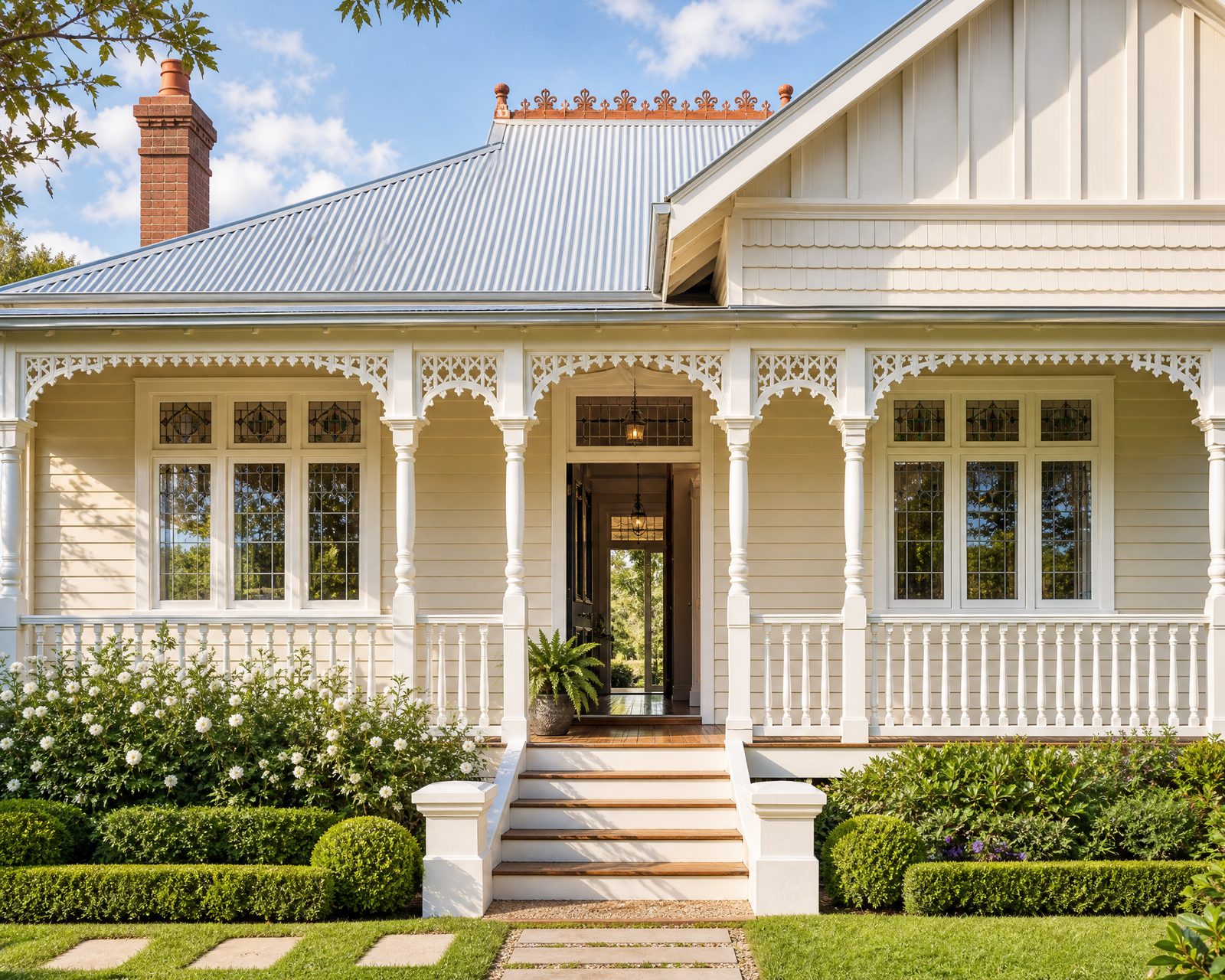
Melbourne is home to some of Australia's most distinctive heritage architecture. From the Victorian terraces of Fitzroy and Carlton to the Federation homes of Malvern, Hawthorn and Kew, the city's period streetscapes are defined in large part by their windows. Original timber sash and casement windows are a fundamental part of these historic properties, shaping their proportions, rhythm and character in ways that are easy to overlook until they are gone. For anyone weighing up whether to restore or replace heritage timber windows in Melbourne, the decision carries both aesthetic and financial weight, and it deserves more than a quick glance.

One of the most common questions homeowners face during a renovation is deceptively simple. Should heritage timber windows be restored, or should they be completely replaced? The honest answer is that it depends. It depends on the condition of the existing joinery, the age and style of the property, the requirements of any heritage overlay, and the long‑term goals of the project. A window that looks tired is not necessarily a window that needs replacing, and a window that has been poorly patched over the years may need more intervention than its outward appearance suggests.

At Barnsbury Joinery we specialise in heritage timber window restoration across Melbourne, and we regularly help homeowners work through this exact decision. Our approach draws on decades of heritage joinery experience from the United Kingdom, combined with specialist knowledge of Melbourne's period homes and the local heritage requirements that shape what is possible. Our heritage timber sections are manufactured in the United Kingdom to traditional profiles, then finished and glazed locally in Australia to suit each property and its setting. This guide sets out how we assess the restore or replace question, what each path involves, and how Melbourne's climate and planning framework influence the right course of action.
01

Why heritage timber windows matter

Original timber windows were designed specifically for the architectural style of the building they sit in. Their proportions, glazing bars, mouldings and timber sections were crafted to complement the overall appearance of the property, and they were made from slow‑grown, dense timber that is far more durable than much of the softwood available today. In suburbs such as Fitzroy, Carlton, Albert Park, Hawthorn and Malvern, traditional timber sash windows are a defining feature of Victorian and Edwardian homes, and they read as a set. The spacing of the glazing bars, the depth of the reveals and the slimness of the meeting rails all contribute to a coherent facade.

Replacing these windows with unsuitable modern alternatives, particularly bulky aluminium or uPVC units, can significantly alter the appearance and heritage value of a property. Even a well‑intentioned timber replacement can look wrong if the sightlines are heavier or the glazing pattern is subtly off. This is why restoration is so often the preferred approach. Keeping the original joinery keeps the original character, and it retains embodied craftsmanship that simply cannot be bought off the shelf. For period homes in Melbourne's conservation‑sensitive suburbs, that continuity is a large part of what makes the property worth what it is worth.

02

When heritage timber windows can be restored

Many timber windows that initially appear beyond repair can actually be restored successfully using traditional joinery methods. It is common for a homeowner to assume a window is finished because it is painted shut, draughty and rattling, when in reality the frame is sound and the problems are all repairable. The key is a proper assessment by someone who understands how these windows were built, because the failure points are usually localised rather than total.

Common restoration works include sash cord replacement and rebalancing so the sashes glide and hold their position, repair of rotten timber sections by splicing in matching timber rather than replacing whole components, and sill and glazing bar repairs where water has caused localised decay. We also carry out draught proofing improvements using discreet brush or compression seals, ease and adjust sticking sashes that have been painted or swollen shut, renew glazing and replace failed putty, and upgrade original windows with slimline double glazing where appropriate. In many cases, restoring original windows preserves more character and proves more cost effective than full replacement, while delivering a window that performs far better than most people expect.

03

What a heritage window restoration involves

Understanding what a restoration actually involves helps explain why so many windows can be saved. The process usually begins with removing the sashes and assessing each component in turn: the box frame, the stiles and rails, the sill, the glazing bars and the parting and staff beads. Sound timber is retained. Where decay is found, the affected area is cut out and a matching piece of timber is spliced in using traditional joints, so repairs are structural rather than cosmetic fillers that will fail again. Sash cords are renewed and the weights rebalanced so the sashes move smoothly and stay where they are set. Draught proofing seals are then integrated discreetly into the frame, glazing is renewed or upgraded, and the whole window is prepared and finished to protect it against Melbourne's weather. Done properly, this is joinery that can last generations, which is exactly why heritage windows were repairable by design in the first place.

It is also worth remembering that heritage windows were built to be maintained. Unlike many sealed modern units, which are discarded entirely when one component fails, a traditional timber sash window is a repairable assembly of parts. A single decayed rail or a snapped cord can be addressed in isolation, leaving the rest of the window intact. This repairability is one of the strongest arguments for restoration on both heritage and sustainability grounds, since keeping the existing joinery avoids the material and energy costs of manufacturing entirely new windows.

04

Signs your timber windows may need attention

Homeowners across Melbourne often contact us because their windows are rattling in windy conditions, difficult to open or close, or draughty through winter. Others notice signs of timber rot around the sills or lower rails, find their windows painted shut after years of repainting, discover broken sash cords that leave a sash unsupported, or see water ingress staining the timber and plaster. These are all classic symptoms of older timber sash windows that have not been maintained for some time, and crucially, they can almost always be repaired without replacing the entire window. Treated early, a small area of decay is a straightforward repair. Left for years, the same problem can spread and tip a restorable window towards replacement, which is why acting promptly usually saves money.

05

When window replacement may be necessary

Although restoration is usually preferable, some windows do require replacement when they are severely deteriorated or structurally compromised. Replacement may be the right call where extensive timber decay affects the structural stability of the frame, where original windows have already been heavily altered by previous work, where large sections are missing beyond practical repair, or where earlier inappropriate repairs have caused distortion that cannot be corrected. In these situations, patching would be a false economy, producing a window that continues to fail.

Where replacement is required, bespoke timber windows should be carefully manufactured to match the original design, proportions and detailing of the property, so the new joinery reads as a faithful continuation of the old rather than an obvious modern insertion. Getting the sightlines, glazing bars and timber sections right is what separates a sympathetic replacement from a jarring one.

Should you restore or replace heritage timber windows in Melbourne?, Barnsbury Joinery
06

Restore versus replace: which is more cost effective?

Whether restoration or replacement is more cost effective depends on the condition of the windows and the scope of the project. In many heritage homes across Melbourne, restoring existing timber windows provides significant savings compared with full replacement, particularly where the original frames and joinery remain structurally sound. When the box frame and sashes are salvageable, the cost of repair, draught proofing and a glazing upgrade is frequently a fraction of the cost of new bespoke units, and the result keeps the original fabric.

Restoration also helps preserve original craftsmanship and can reduce the likelihood of planning complications within heritage overlays, where councils tend to look far more favourably on repair than on wholesale replacement. That said, if a window is genuinely beyond repair, restoration can become a case of repeatedly spending money on a component that will keep failing, and a well‑made replacement becomes the sounder long‑term investment. An honest, window‑by‑window assessment is the only reliable way to know which side of that line a given window sits on.

07

Heritage overlay considerations in Melbourne

Many Melbourne suburbs sit within Heritage Overlay controls that directly influence how windows can be repaired or replaced. Councils including the City of Yarra, the City of Port Phillip, the City of Boroondara and the City of Stonnington often prefer repair and restoration over replacement wherever it is feasible, and planning approval for replacement windows can hinge on demonstrating that the originals genuinely cannot be saved.

For homeowners, this makes it important to assess the original windows carefully, and ideally to document their condition, before committing to any replacement works. Understanding the local overlay requirements early can prevent delays, avoid the risk of having to reinstate inappropriate windows, and shape a specification that will be acceptable to the relevant council from the outset.

08

Can heritage timber windows be double glazed?

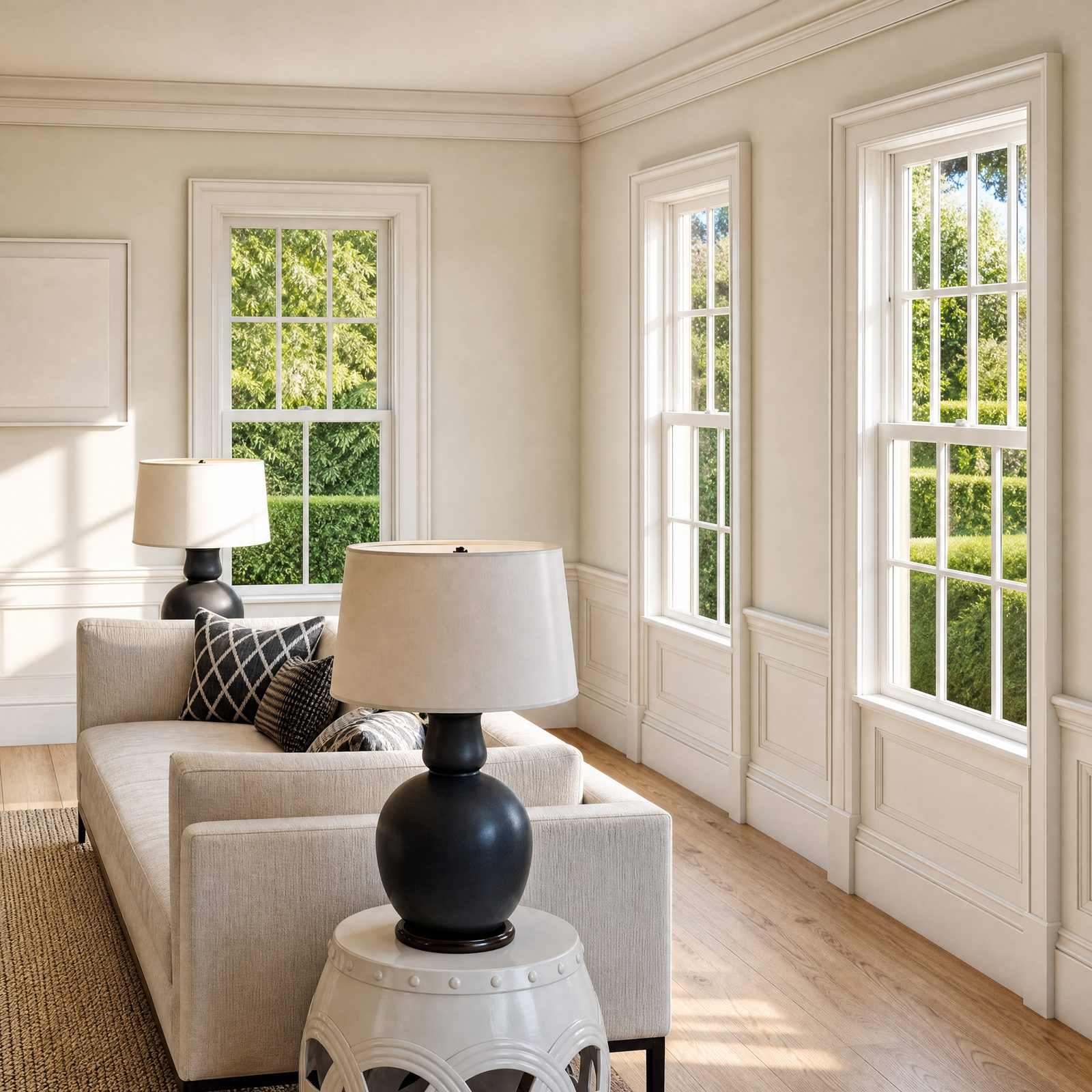
A very common concern is whether upgrading heritage windows means sacrificing their appearance, and the good news is that it generally does not. In many cases heritage timber windows can be upgraded with slimline double glazing while retaining their traditional look. Slimline units use a narrower cavity than standard double glazing, which allows the sealed unit to fit within the existing timber sections and slender glazing bars without the heavy, modern appearance that thicker units create. This lets homeowners improve thermal efficiency, everyday comfort and noise reduction while preserving the original character of the property.

For situations where the timber sections are especially slim, or where the highest performance is wanted within the tightest possible sightline, vacuum insulated glass offers a further option. Vacuum insulated glazing places a vacuum between two panes rather than a gas‑filled cavity, which means the whole unit can be only a few millimetres thick while delivering thermal performance comparable to, or better than, conventional double glazing. Because the unit is so slim, it can be fitted into heritage sashes that would never accommodate a standard sealed unit, making it particularly valuable for narrow Victorian and Edwardian glazing bars where preserving the original profile is paramount. Whichever route is chosen, careful detailing is essential to keep the glazing upgrade sympathetic to the building, so the finished window improves comfort and efficiency without announcing that anything has changed.

09

What is a heritage window survey?

A heritage window survey is a detailed assessment of the condition and performance of the existing timber windows in a property. Rather than a quick look, it is a considered inspection that identifies which windows can be restored, where specific repairs are required, whether any windows genuinely need replacement, what opportunities exist to improve thermal and acoustic performance, and what heritage planning considerations are likely to apply. We provide heritage window surveys across Melbourne, and they are particularly useful ahead of a renovation project or a planning application, because they give homeowners a clear, prioritised understanding of what their windows need and what the works are likely to involve before any decisions are locked in.

10

Which Melbourne homes benefit most from restoration?

Heritage timber window restoration is especially common in Fitzroy, Carlton, Hawthorn, Kew, Malvern, Albert Park, South Yarra and Camberwell. These suburbs contain large numbers of Victorian, Edwardian and Federation homes with original timber sash and casement windows, and their streetscapes depend on those windows being maintained rather than replaced with unsympathetic alternatives. For owners of these properties, restoration is usually the path that best protects both the character of the home and its long‑term value.

Melbourne's climate also plays a significant role in how heritage timber windows age. The city's changeable weather, with hot, dry summers giving way to cool, wet winters, places real stress on older timber. Moisture, strong UV exposure and repeated seasonal movement contribute to paint failure, timber expansion and contraction, and localised decay, particularly in sash windows that have not been regularly maintained. South and west‑facing elevations often take the brunt of driving rain and afternoon sun. Careful restoration paired with high‑quality protective finishing addresses these pressures directly, sealing vulnerable timber, allowing the joinery to move without cracking the paint film, and extending the lifespan of the original windows for decades while preserving their heritage appearance. Regular repainting and minor maintenance thereafter keep small problems from becoming large ones.

11

Barnsbury Joinery's approach to heritage timber windows

Our approach at Barnsbury Joinery combines traditional craftsmanship with conservation‑led restoration methods that respect the architectural integrity of heritage homes. Our services across Melbourne include sash window restoration, bespoke timber window manufacturing, heritage window surveys, timber rot repairs, slimline double glazing and other conservation‑sensitive joinery solutions.

We work closely with homeowners, architects and developers to ensure each project respects the character of the original property, whether that means saving as much original fabric as possible or manufacturing faithful replacements where the originals cannot be saved. The heritage timber sections we use are made in the United Kingdom to traditional profiles and then finished and glazed locally in Australia, so every window suits both the property and Melbourne's conditions. The result is windows that look right, perform well and honour the period detail that makes Melbourne's heritage homes so distinctive.

Common questions

01

Is it better to restore or replace heritage timber windows in Melbourne?

In most cases restoration is preferable where the original frames and joinery remain structurally sound. Restoration preserves the property's character and embodied craftsmanship, is often more cost effective, and is generally viewed more favourably within heritage overlays. Replacement becomes the better option only when a window is severely decayed, has been heavily altered, or is missing sections beyond practical repair. A window‑by‑window assessment is the reliable way to decide.

02

Can heritage timber sash windows be double glazed without changing their appearance?

Yes. In many cases heritage windows can be upgraded with slimline double glazing, which uses a narrow cavity that fits within the existing timber sections and slender glazing bars. For especially slim sections, vacuum insulated glass allows a unit only a few millimetres thick to deliver strong thermal performance while preserving the original profile. Careful detailing keeps the upgrade sympathetic so the window improves comfort and noise reduction without looking modern.

03

Do I need heritage overlay approval to replace windows in Melbourne?

Many Melbourne suburbs sit within Heritage Overlay controls, and councils such as Yarra, Port Phillip, Boroondara and Stonnington usually prefer repair over replacement. Approval for replacement windows can depend on demonstrating that the originals genuinely cannot be saved. It is best to assess and document the condition of the original windows, and understand the relevant overlay requirements, before committing to any replacement works.

04

How does Melbourne's climate affect heritage timber windows?

Melbourne's changeable weather, with hot dry summers and cool wet winters, stresses older timber. Moisture, UV exposure and seasonal movement cause paint failure, timber expansion and contraction, and localised decay, especially on south and west‑facing elevations and in windows that have not been maintained. Careful restoration and high‑quality protective finishing seal vulnerable timber and extend the lifespan of original windows for decades.

05

What is included in a heritage window survey?

A heritage window survey is a detailed assessment of each window's condition and performance. It identifies which windows can be restored, where repairs are required, whether any need replacement, opportunities to improve thermal and acoustic performance, and likely heritage planning considerations. It is particularly useful before a renovation or planning application, giving a clear, prioritised picture of what the works will involve.

Request a survey

Request a survey for your project, from a single commission to a whole scheme.

Request a survey

A studio of The Barnsbury Group

Barnsbury Joinery is the flagship studio of The Barnsbury Group, a second‑generation heritage joinery house. Established in London in 1987, it makes bespoke joinery by hand and carries the parent voice for the family of studios.