Barnsbury Joinery · Advice · 5 min read
01Advice · London studio51.5665° N, 0.1006° W
Advice · 5 min read

Sash window repair vs replacement in WC1 London: what's best for period properties

Sash window repair vs replacement in WC1 London period properties. How to decide, what conservation rules mean and how to keep original character.

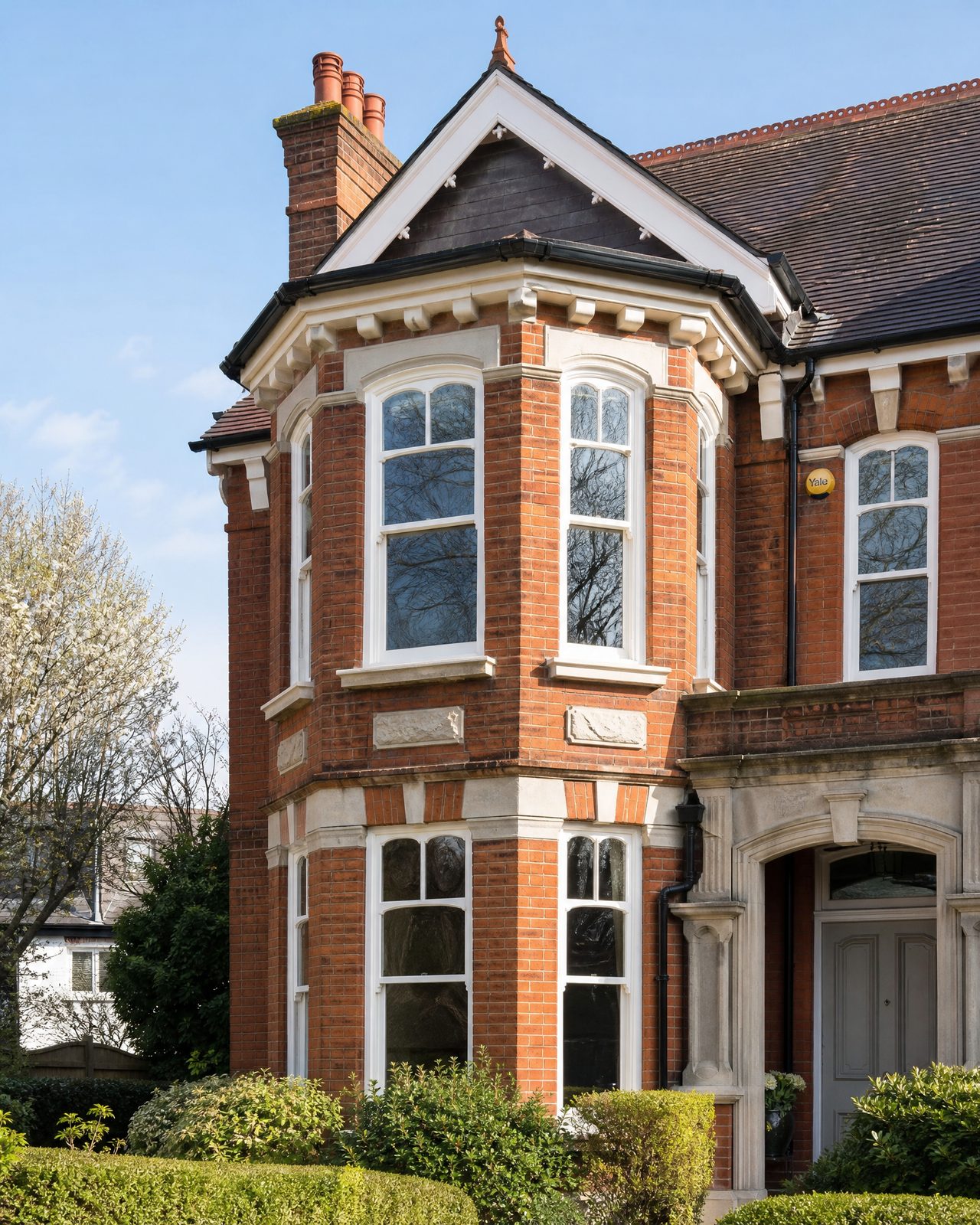
If you own a period property in WC1, the question of sash window repair vs replacement comes up sooner or later. Rattling frames, sticking sashes, flaking paint and cold draughts all point to windows that need attention, and the honest answer is rarely as simple as ripping everything out. From the Georgian terraces of Bloomsbury to the Victorian and Edwardian streets around Holborn, Clerkenwell and King's Cross, the original timber sash window is often one of the most valuable features a home has, both architecturally and in terms of resale.

This guide sets out how we at Barnsbury Joinery think through the repair‑versus‑replacement decision for period properties in WC1. It covers when repair is the sensible choice, when replacement genuinely makes sense, how conservation area and listed building rules shape your options, and how to protect the character of your home while making it warmer and quieter. The aim is to help you make an informed decision before you commit to any work.
01

Why the repair vs replacement question matters in WC1

Much of WC1 sits within conservation areas, and a large number of properties are listed or fall within the setting of listed buildings. That context changes everything. In many cases the local planning authority will expect original timber sash windows to be retained and repaired rather than replaced, and unsympathetic replacements can harm both the appearance of a street and the value of an individual home.

Original sashes were also built from slow‑grown, dense timber that is far more durable than most modern softwood. A window that has stood for a hundred and fifty years is not automatically at the end of its life. Very often the frame and much of the joinery are perfectly sound, and only specific components such as cords, weights, beading or a section of decayed timber need attention. Understanding what is actually failing, rather than assuming the whole window is beyond saving, is the first step in getting this decision right.

02

When sash window repair is the right choice

For the majority of period properties in WC1, repair and restoration is the better route. If the main frames and the bulk of the sash timber are sound, repair keeps the original glass, glazing bars and proportions that give a Georgian or Victorian facade its character, and it is usually more cost effective than full replacement.

Repair typically addresses the problems that make old sashes frustrating to live with: broken sash cords that leave a window jammed shut or crashing down, worn parting beads that cause rattling, painted‑shut sashes, and areas of localised rot where water has been allowed to sit. Splice repairs, where a decayed section is cut out and new matching timber is let in, let us save a window that looks past saving. Combined with careful realignment and re‑cording, the result is a window that runs smoothly, seals properly and should last for decades more.

Repair also suits owners who care about authenticity. Retaining original crown or cylinder glass, the fine glazing bars of a period sash and the exact profiles of the mouldings preserves a quality that modern manufacturing struggles to replicate. For listed properties this is often not just a preference but a planning requirement.

03

When sash window replacement makes sense

Replacement becomes the sensible option when the original timber has decayed beyond the point where splice repairs are viable, when previous poor‑quality replacements have already stripped a property of its original windows, or when a window has been so heavily altered over the years that little of value remains. Widespread wet rot through the frame, cills and sashes, rather than isolated patches, is the clearest sign that a full replacement should be considered.

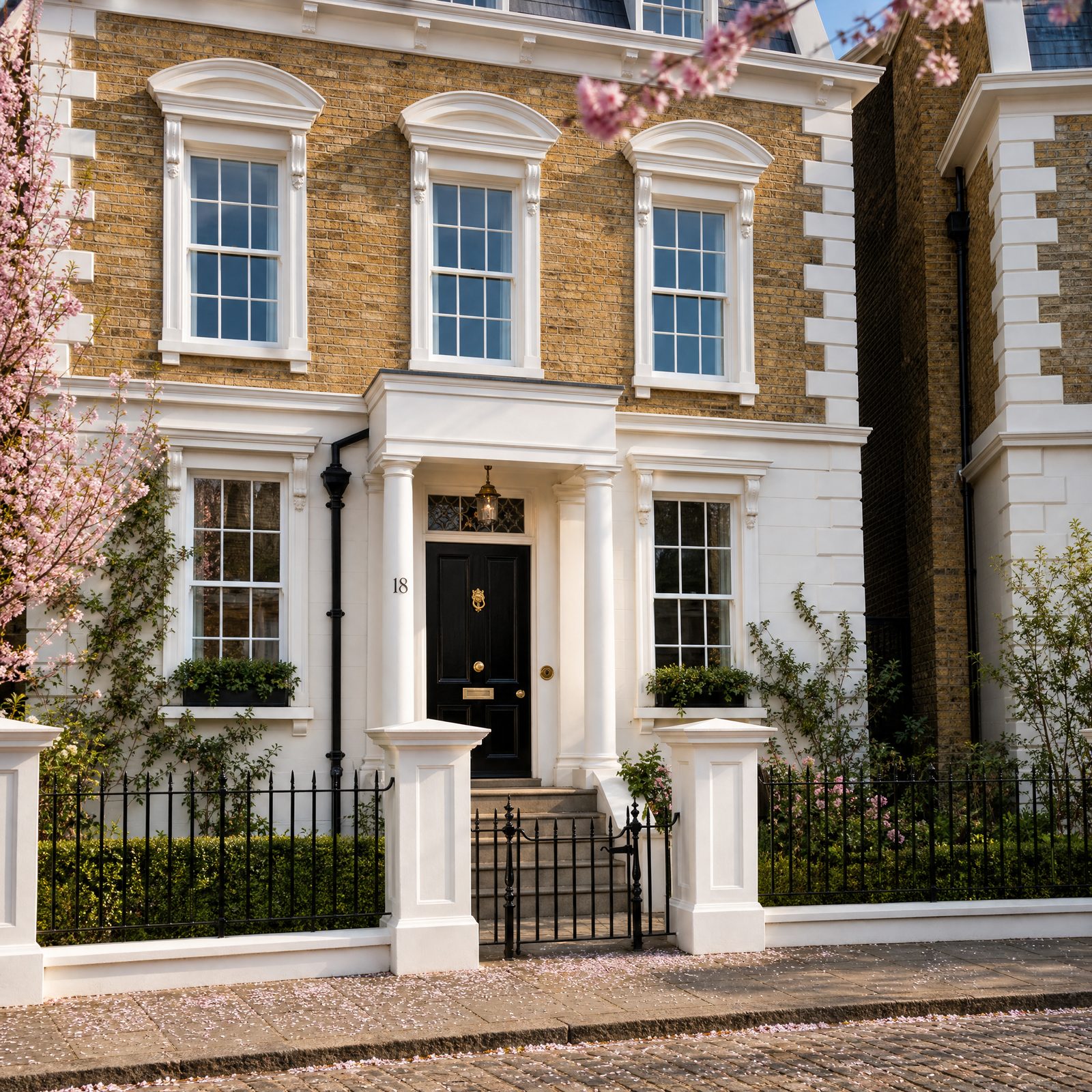
Where replacement is justified, the goal for a period property in WC1 is a like‑for‑like timber sash that faithfully copies the original: the same sightlines, the same glazing bar layout, the same putty lines and the same box‑frame construction, made in seasoned timber. This protects the appearance of the building while giving you a window with modern draught seals and, where permitted, slim double glazing. A well‑made replacement should be almost indistinguishable from a restored original from the street.

We would always be cautious about anyone recommending wholesale replacement without first assessing whether repair is possible. In a conservation area or on a listed building, replacing sound original windows can require consent and may simply not be permitted.

Sash window repair vs replacement in WC1 London: what's best for period properties, Barnsbury Joinery
04

Conservation areas and listed buildings in WC1

Because so much of WC1 is protected, planning rules often decide the repair‑versus‑replacement question for you. If your property is listed, listed building consent is usually needed for any work that affects the windows, including replacement, and the presumption is strongly in favour of repair. In conservation areas, an Article 4 direction may remove permitted development rights, meaning changes to windows that would be allowed elsewhere require permission here.

The practical takeaway is to check your property's status before committing to any work. Retaining and repairing original sashes is the path of least resistance with planners, protects the value of a period home and keeps you on the right side of the rules. Where replacement is genuinely necessary, an accurate timber like‑for‑like copy is far more likely to gain consent than a modern alternative in a different material or with altered proportions.

05

Keeping period windows warm and quiet

Many owners assume they must replace old sashes to solve cold and noise. In most cases they do not. Discreet draught proofing, brush seals set into the frame, addresses the gaps that let cold air and street noise in, without changing the look of the window. It is one of the most effective upgrades you can make to a period property, and it is entirely reversible.

For further thermal and acoustic comfort, secondary glazing fitted internally performs well and, being independent of the original window, is often acceptable in listed and conservation contexts where altering the primary sash would not be. Where slim double glazing is permitted, it can be built into a repaired or replacement sash. The point is that warmth and quiet do not have to come at the cost of your home's character, and the right combination depends on your property and its planning status.

06

How we approach the decision at Barnsbury Joinery

Our starting position is always to assess what can be saved. We look at the condition of the frames, cills, sashes and mechanisms, identify what is genuinely failing, and give you an honest view on whether repair, partial replacement or full replacement is the right answer for your particular windows and your property's planning status. We would rather restore an original window than replace it needlessly.

Barnsbury Joinery is a London studio based in north London. We provide a full service, from survey through to fitting, across London and the South East, and we supply made‑to‑order timber sash windows across the rest of the UK. Whether your property is in Bloomsbury, Holborn, Clerkenwell, King's Cross or the wider WC1 area, we can talk you through the options and the likely implications of each before you decide.

Common questions

01

Should I repair or replace my sash windows in a WC1 period property?

For most period properties in WC1, repair is the better choice. If the frames and the bulk of the sash timber are sound, repair keeps the original glass and proportions, tends to cost less than full replacement, and is usually preferred by planners in conservation areas and on listed buildings. Replacement makes sense only when the timber has decayed beyond viable repair or when existing windows are already poor‑quality modern replacements.

02

Do conservation area or listed building rules affect my options in WC1?

Yes. Much of WC1 is within conservation areas and many buildings are listed. Listed building consent is usually required for work affecting windows, and an Article 4 direction may remove permitted development rights in a conservation area. In both cases there is a strong presumption in favour of repairing and retaining original sashes. Always check your property's status before committing to any work.

03

Can old sash windows be made warmer and quieter without replacing them?

In most cases, yes. Discreet draught proofing with brush seals addresses gaps that let in cold and noise without changing the window's appearance, and it is reversible. Internal secondary glazing adds further thermal and acoustic comfort and is often acceptable where altering the original sash would not be. Slim double glazing can sometimes be built into a repaired or replacement sash where planning permits.

04

Is repairing an original sash window really cheaper than replacing it?

Usually. Repair targets the specific components that have failed, such as cords, beads or a decayed section of timber, rather than remaking the whole window. Because original sashes were built from dense, durable timber, a well‑executed repair can extend a window's life by decades, making it more cost effective than full replacement in most period properties.

05

Does Barnsbury Joinery work in WC1 and the surrounding areas?

Yes. We are a London studio based in north London and provide a full service, from survey through to fitting, across London and the South East, including Bloomsbury, Holborn, Clerkenwell, King's Cross and the wider WC1 area. For the rest of the UK we supply made‑to‑order timber sash windows.

Request a survey

Request a survey for your project, from a single commission to a whole scheme.

Request a survey

A studio of The Barnsbury Group

Barnsbury Joinery is the flagship studio of The Barnsbury Group, a second‑generation heritage joinery house. Established in London in 1987, it makes bespoke joinery by hand and carries the parent voice for the family of studios.