How to Maintain Heritage Timber Windows in the UK
- May 10
- 4 min read
Expert Advice for Listed Buildings, Conservation Areas & Period Homes With Heritage Timber Windows
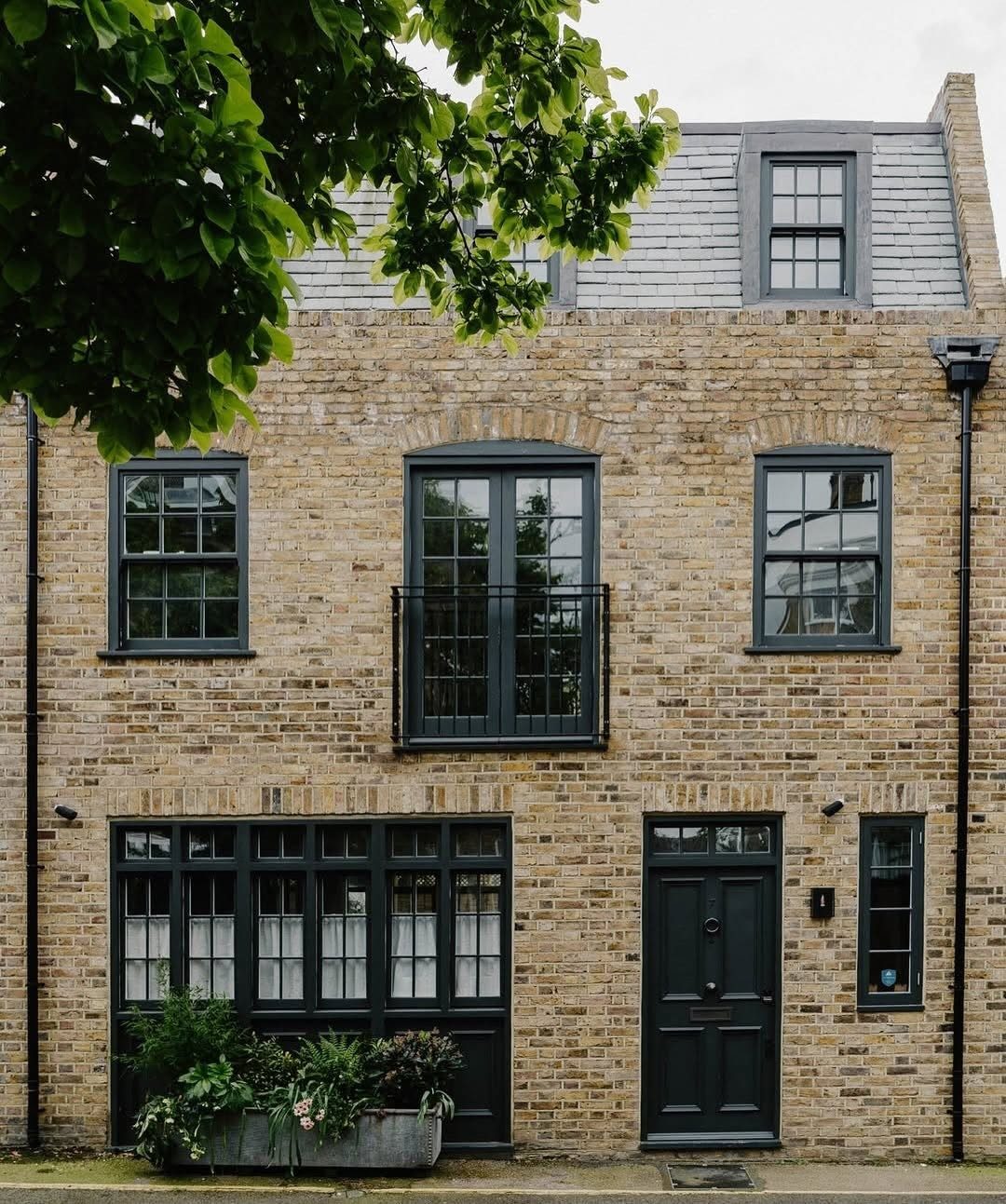
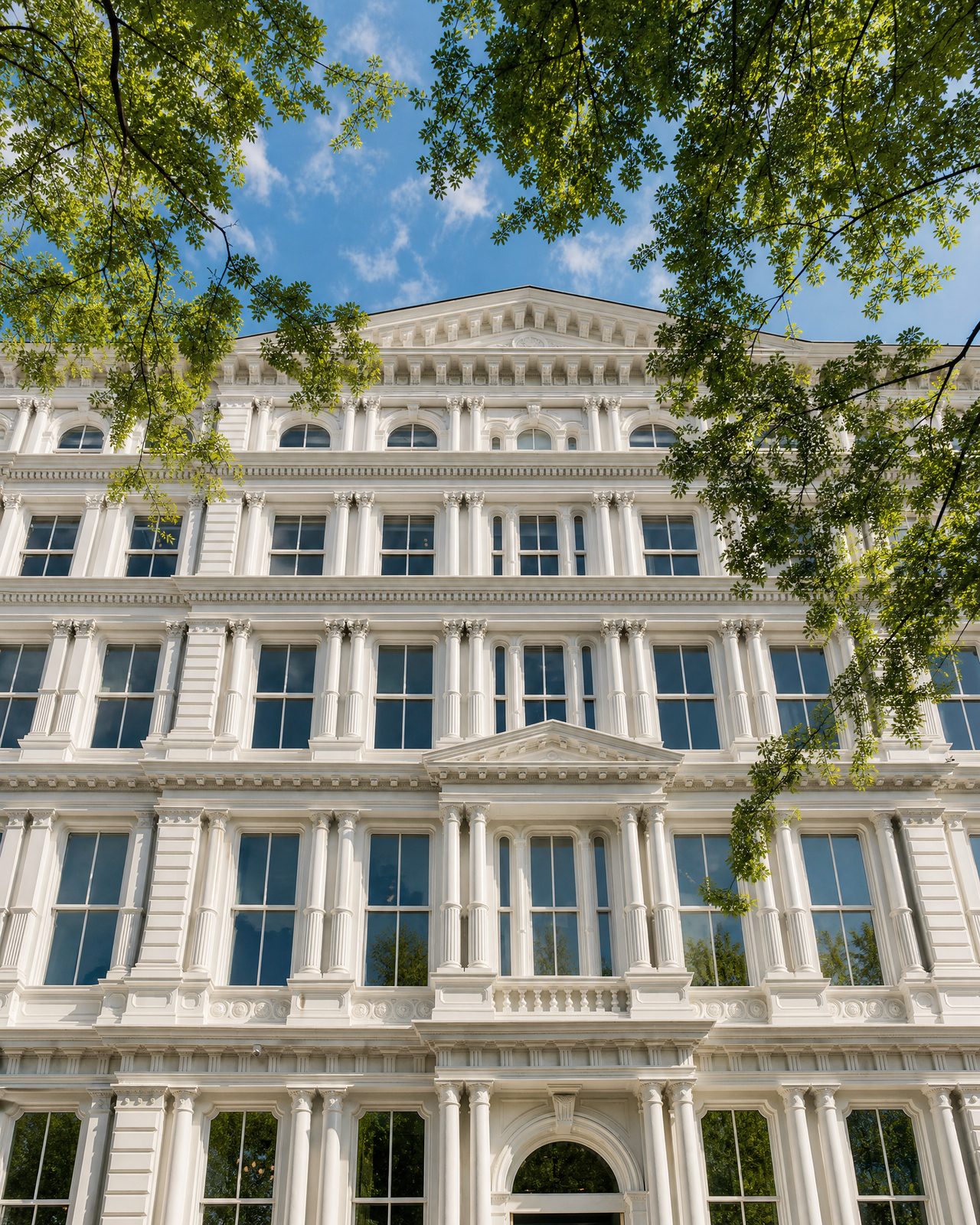
Heritage timber windows are an important part of Britain’s architectural history. From Georgian sash windows to Victorian and Edwardian timber frames, original windows contribute significantly to the character, value, and authenticity of period properties.
At Barnsbury Joinery, we specialise in heritage timber window restoration and the manufacture of bespoke timber sash windows for listed buildings and conservation properties across the UK.
This guide explains how to maintain heritage timber windows correctly while preserving their historic character and complying with conservation requirements.

Why Maintaining Heritage Timber Windows Matters
Traditional timber windows were designed to last for decades — and in many cases centuries — when properly maintained.
Routine maintenance can help:
Prevent timber decay and rot
Reduce draughts and rattling
Improve thermal performance
Preserve historic detailing
Extend window lifespan
Maintain property value
Avoid unnecessary replacement costs
Historic England guidance recommends repair and maintenance before replacement wherever possible.
If your windows are already showing signs of deterioration, Barnsbury Joinery provides specialist timber window repair services for period and heritage properties.
1. Inspect Timber Windows Regularly
Heritage timber windows should ideally be inspected at least twice a year.
Look for signs of:
Cracked or flaking paint
Soft or damp timber
Loose glazing putty
Rot around sills and joints
Draughts or rattling panes
Water ingress
Sticking sash windows
Pay particular attention to:
Window sills
Bottom rails
Glazing bars
Timber joints
Areas exposed to heavy weather
Early repairs can prevent more extensive deterioration later.
For period properties in conservation areas, it is often advisable to seek guidance from experienced heritage window consultants before major repair work begins.
2. Clean Heritage Timber Windows Carefully
Use warm water and a mild detergent to clean timber frames and glazing.
Avoid:
Abrasive cleaning pads
Pressure washing
Harsh chemical cleaners
Excessive water saturation
Historic glass should be cleaned gently to preserve its character and surface imperfections where present.
Where glazing has failed or become loose, Barnsbury Joinery can advise on appropriate heritage glazing and sash window restoration solutions.
3. Maintain Paintwork to Protect the Timber
Paintwork acts as a protective barrier against moisture penetration.
Breathable microporous paint systems are commonly recommended for heritage timber windows because they allow trapped moisture to escape while protecting the timber surface.
Typical repainting cycles vary depending on weather exposure and property location.
If paint failure has already allowed moisture into the timber, professional heritage timber window restoration may be required to prevent further decay.
4. Repair Heritage Windows Where Possible
Many original timber windows can often be repaired and restored by specialist joinery firms, depending on their condition.
Common repairs include:
Timber splicing
Resin repairs
Sill replacement
Sash cord replacement
Joint repairs
Draught-proofing
Putty and glazing repairs
Barnsbury Joinery follows a repair-first approach wherever viable, helping homeowners preserve the original character of their properties through specialist sash window restoration services.
Historic England guidance states that traditional timber windows can often be repaired at lower cost than full replacement while preserving historic value.
5. Maintain Glazing & Putty
Traditional glazing putty naturally deteriorates over time.
Signs of failing putty include:
Cracks
Shrinkage
Loose panes
Water penetration
Where replacement glazing is required, conservation properties may require historically appropriate glass styles or approved heritage glazing systems.
Barnsbury Joinery also provides slimline double glazing solutions for heritage homes, helping improve energy efficiency while maintaining traditional appearance.
6. Install Sensitive Draught Proofing
Draught-proofing is one of the least intrusive ways to improve comfort and energy efficiency in historic buildings.
Benefits may include:
Reduced draughts
Improved thermal comfort
Less rattling
Reduced noise infiltration
Lower heat loss
As part of our heritage sash window restoration, Barnsbury Joinery installs discreet draught-proofing systems designed specifically for traditional timber windows.
7. Understand Listed Building & Conservation Area Regulations
Many heritage properties in the UK are protected by:
Listed building status
Conservation area restrictions
Article 4 directions
This may affect:
Window replacement
Glazing changes
External appearance alterations
Materials and detailing
Before undertaking major work, property owners should consult their local planning authority or conservation officer.
Barnsbury Joinery regularly works on conservation-sensitive properties and collaborates with heritage window consultants to support compliant restoration and replacement projects.
8. When Replacement May Be Necessary
While repair is often preferred, replacement may sometimes be required where windows are structurally beyond repair.
In these cases, bespoke timber replacement windows should aim to:
Match original sight-lines
Replicate historic mouldings
Preserve period detailing
Comply with conservation requirements
Barnsbury Joinery manufactures custom-made timber box sash windows and heritage sash window replacements for listed buildings and conservation properties throughout the UK.
Why Heritage Timber Windows Should Not Usually Be Replaced with uPVC
For listed buildings and conservation properties, uPVC replacement windows are often considered unsuitable because they can alter historic appearance, sightlines, and detailing.
Traditional timber windows are generally more appropriate for preserving architectural character and can often be repaired rather than replaced.
Frequently Asked Questions
How often should heritage timber windows be repainted?
External timber windows typically require maintenance every several years depending on weather exposure, paint quality, and property location.
Can heritage sash windows be double glazed?
In some listed buildings and conservation areas, slimline heritage double glazing may be permitted subject to local authority approval.
Is it better to repair or replace timber sash windows?
Many original timber windows can often be repaired and restored depending on their condition. Conservation guidance generally encourages repair before replacement.
Do listed buildings require permission for new windows?
Yes. Listed building consent is often required for window replacement or significant alterations.
What causes timber window rot?
Common causes include failed paintwork, water ingress, poor ventilation, and deteriorated glazing putty.
Why Choose Barnsbury Joinery?
Barnsbury Joinery specialises in:
Heritage timber window restoration
Bespoke sash window manufacturing
Listed building joinery
Conservation area repairs
Slimline double glazing
Traditional craftsmanship
Learn more about who Barnsbury Joinery are and our heritage-led approach to timber joinery and sash window restoration.
About the Author
This article was written by the Barnsbury Joinery team, specialists in heritage timber windows, sash window restoration, bespoke joinery, and conservation property repairs across London and the UK.
With experience working on listed buildings, Georgian properties, Victorian homes, and conservation projects, Barnsbury Joinery combines traditional craftsmanship with modern performance standards.


Comments