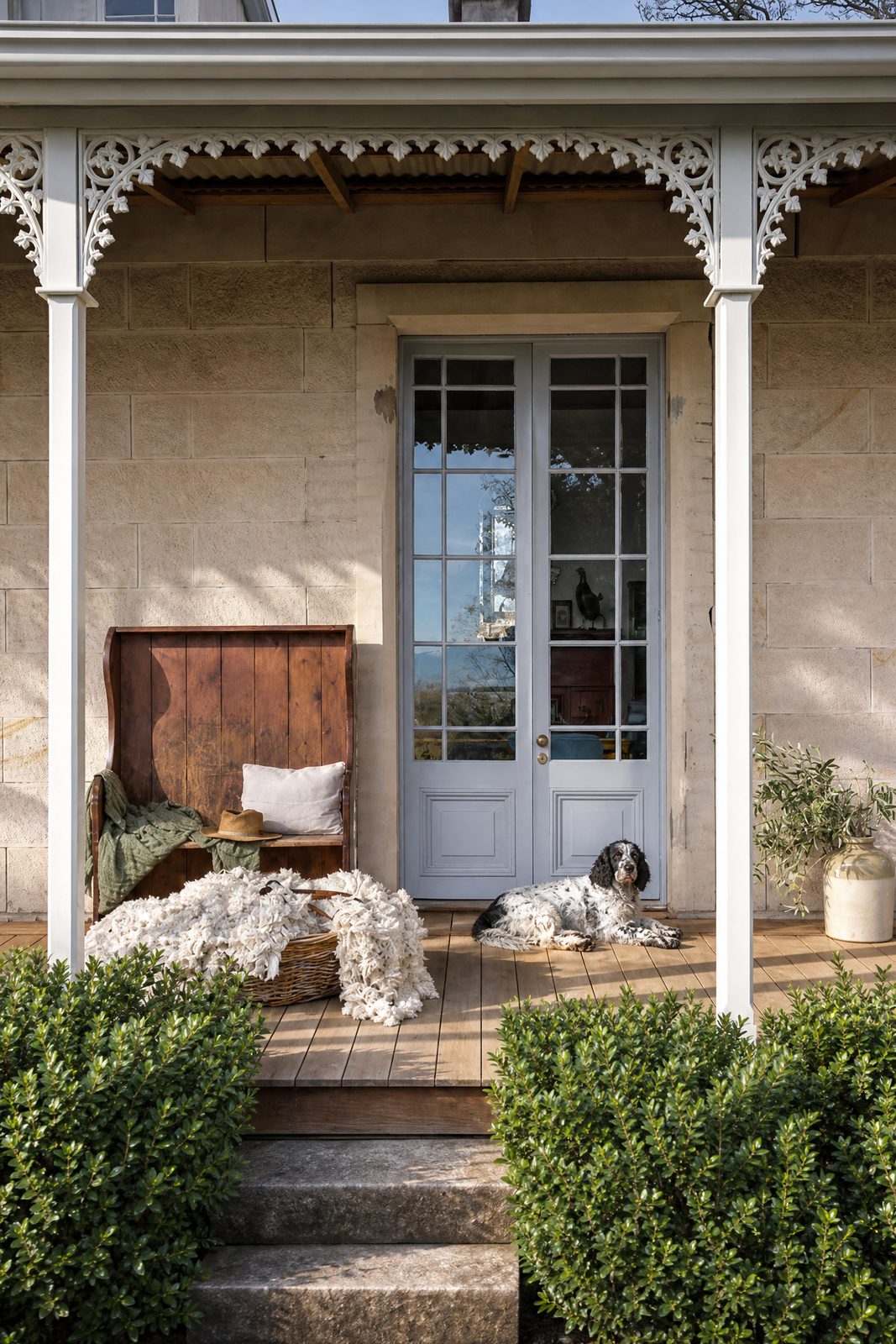
Barnsbury Joinery · Advice · 8 min read
01Melbourne & Sydney37.88° S, 145.16° E
Advice · 8 min read

Do heritage timber windows add value to Melbourne homes?

Do heritage timber windows add value to Melbourne homes? How restoring original sashes lifts street appeal, buyer interest and resale in period suburbs.

Melbourne's period housing is defined by its detail, and few details carry as much weight as the original timber windows. Across the Victorian terraces of Fitzroy and Carlton, the Federation and Edwardian homes of Hawthorn, Malvern and Camberwell, and the grand double‑fronted residences of Kew and Armadale, timber sash and casement windows are among the most visible expressions of a building's era. They set the proportions of the facade, frame the interiors and signal to buyers that a home has kept its character. So the question many owners ask is a fair one: do heritage timber windows actually add value, or are they simply a maintenance obligation?

The short answer is that well‑maintained and sympathetically restored timber windows tend to support property value in Melbourne's heritage suburbs, where original features command a genuine premium. They rarely add value as a standalone line item the way a new kitchen might, but they protect and often lift the overall appeal of a period home, strengthen its presentation at sale, and remove the planning friction and buyer hesitation that poorly considered replacements can create. This guide explains how that value is created, where it matters most, and how restoration, draught proofing and modern glazing options such as vacuum insulated glass fit into the picture.
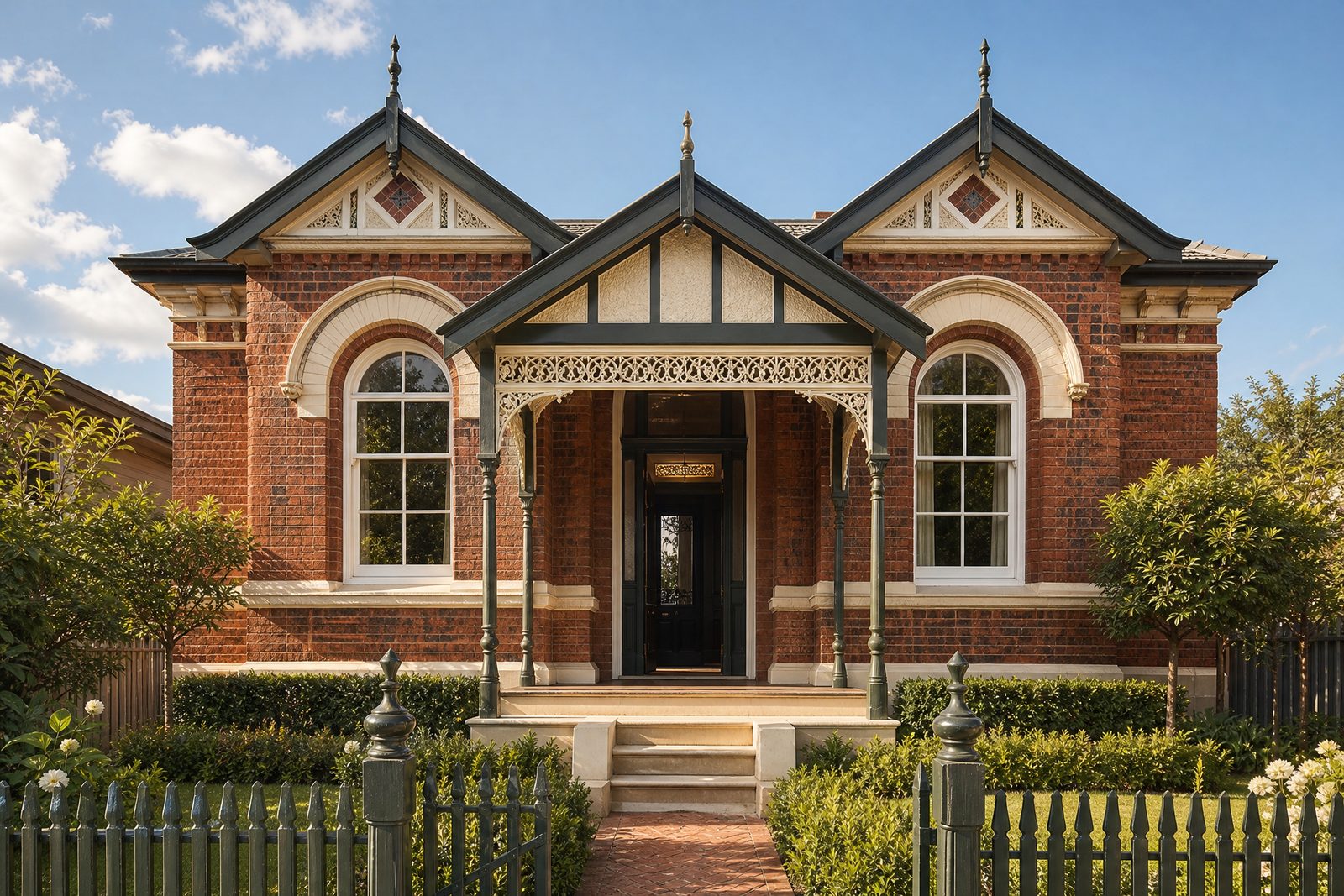
01

Why original heritage timber windows matter

Original heritage windows were designed for the building they sit in. The proportions of the sashes, the width and spacing of the glazing bars, the profile of the mouldings and the depth of the reveals were all worked out for a particular period of Australian domestic architecture. A Victorian terrace in Fitzroy carries different window proportions from an Edwardian villa in Malvern, and those differences are part of what makes each style read correctly to the eye.

When original windows are removed and replaced with off‑the‑shelf aluminium or generic modern units, the change is immediately visible from the street. Glazing bars become clumsy or disappear, sightlines thicken, and the rhythm of the facade is broken. In suburbs where buyers are actively seeking authentic period homes, that loss of character can dampen interest and, in turn, offers. Retaining and restoring the original timber joinery keeps the facade honest to its era, which is exactly what the heritage market rewards.

There is also a longevity argument. Traditional timber windows were built from slow‑grown, dense hardwoods and softwoods, and were designed to be repaired component by component rather than thrown away. A single decayed sill, cill or sash rail can usually be spliced or replaced without disturbing the rest of the window. That repairability is a large part of why century‑old windows are still serviceable today, and why restoration is so often the sensible path.

02

How restored timber windows improve street appeal

Street appeal is where heritage windows earn much of their value. In Melbourne's period suburbs, the facade does a great deal of the selling before a buyer ever steps inside. Crisp, well‑restored timber windows with clean paint lines, sound putty, correctly operating sashes and appropriate glazing read as a cared‑for home. They tell a prospective buyer that the property has been looked after and that the character they are paying a premium for is intact.

Professional restoration improves the visual appearance of each window, preserves the fine architectural detailing that dates the building correctly, and complements the rest of the period facade rather than fighting it. When the windows, verandah, brickwork and rendered detailing all sit comfortably together, the home presents as a coherent whole. That coherence is difficult to fake and easy to lose, which is why sympathetic restoration tends to outperform replacement on presentation.

It is worth remembering that buyers and their agents notice inconsistency quickly. A row of restored original sashes with one mismatched modern unit stands out for the wrong reasons. Bringing every opening back to a consistent standard, matching profiles, glass and finish, is often what lifts a facade from acceptable to genuinely appealing.

03

Do buyers prefer original heritage features?

In heritage suburbs, the evidence from the market is clear that many buyers actively prefer original features. Original timber sash windows, casement windows, glazing bars, joinery details and heritage front doors all contribute to the desirability of a period home. For a certain buyer, and there are many of them in Melbourne's inner and eastern suburbs, these features are the whole point of buying a period property rather than a new build.

Poorly executed replacements have the opposite effect. Modern units with the wrong proportions or materials reduce visual consistency within a streetscape, and in Heritage Overlay areas they can look conspicuously out of place. Where neighbouring homes have retained their original joinery, a home that has not can feel diminished by comparison, even if the rest of the property is in good order.

This preference is partly emotional and partly practical. Buyers understand that original features are difficult and costly to reinstate once lost, so a home that still has its authentic windows offers something that cannot simply be bought back later. That scarcity is part of why heritage character holds value over time.

04

Can restoring timber windows increase property value?

Restoration can contribute positively to resale value where heritage character genuinely matters to the buyer pool, which describes most of Melbourne's overlay suburbs. The value shows up in several ways rather than as a single figure. Restored windows improve buyer appeal, strengthen the overall presentation of the home, preserve the heritage fabric that the suburb is prized for, and reduce the planning concerns that can otherwise slow or complicate a sale.

There is also a performance dimension. Restored and upgraded timber windows can be draught proofed and reglazed to perform far better than tired originals, which addresses one of the few genuine criticisms of heritage joinery. A home that keeps its period looks while also being noticeably warmer, quieter and less draughty is an easier sell than one where buyers assume they will inherit rattling, ill‑fitting sashes and high energy bills.

None of this means restoration should be treated purely as a return‑on‑investment exercise. The more accurate way to think about it is protective: keeping and restoring original windows protects the premium a period home already commands, while neglect or unsympathetic replacement puts that premium at risk. In practice, that protective value is often the most significant financial consideration of all.

Do heritage timber windows add value to Melbourne homes?, Barnsbury Joinery
05

Heritage Overlay considerations in Melbourne

Many of Melbourne's most desirable period suburbs fall within a Heritage Overlay, and local councils generally encourage restoration and repair of original windows over wholesale replacement. This is the prevailing approach across the City of Yarra, the City of Port Phillip, the City of Boroondara and the City of Stonnington, among others, though owners should always confirm the requirements that apply to their specific property.

Retaining and restoring original windows tends to simplify planning discussions considerably. Where you are repairing existing fabric and matching original profiles, there is far less to negotiate than when you are proposing to remove and replace character elements. Replacement of visible heritage windows can trigger a planning permit and closer scrutiny, which adds time, cost and uncertainty to a project or a sale.

For a buyer, a home whose original windows are intact and well maintained is reassuring precisely because it reduces this planning risk. They are not inheriting a future obligation to reinstate lost features or to unpick an unsympathetic previous alteration. This is another quiet way that original, restored joinery supports value in overlay areas.

06

Restoration versus replacement: what adds more value?

The choice between restoration and replacement is not always clear cut, and the right answer depends on the condition of the existing windows. Restoration preserves original craftsmanship, keeps the heritage appearance intact and generally offers the smoother planning outcome. For the great majority of period windows, even those that look far gone, restoration is both possible and preferable. Decayed sections can be cut out and spliced, joints can be re‑wedged, sash cords and weights can be renewed, and the window can be brought back to smooth, reliable operation.

Replacement becomes the sensible option only where a window is beyond economic repair, for example where widespread decay has destroyed the structural timber. In those cases the goal is a faithful reproduction rather than a modern substitute. Heritage timber sections manufactured in the United Kingdom and then finished and glazed locally here in Australia allow a replacement window to match the original profiles, glazing bar arrangement and proportions closely, so the facade reads correctly even though the joinery is new.

From a value perspective, sympathetic restoration usually adds more than replacement because it retains genuine original fabric, which is what heritage buyers prize. Where replacement is unavoidable, a like‑for‑like reproduction protects value far better than a modern unit that compromises the character of the home. The costliest outcome, both financially and in terms of appeal, is an unsympathetic replacement that has to be reversed later.

07

Can heritage timber windows be energy efficient?

Yes. One of the most persistent myths about heritage timber windows is that they must be cold, draughty and inefficient. In reality, original windows can be upgraded substantially while keeping their period appearance, and this is one of the areas where restoration adds practical, everyday value to a home.

The first and often most effective step is draught proofing. Discreet brush and compression seals fitted into the meeting rails, stiles and sills of a sash window dramatically reduce air leakage without changing how the window looks or operates. Combined with correctly balanced and refurbished sashes, draught proofing alone can transform how a room feels in a Melbourne winter and how it holds up in summer heat.

Glazing is the next consideration. Slimline double glazing can be fitted into many heritage sashes, providing improved thermal and acoustic performance within a slim sightline that suits period frames. Where the very best performance is wanted with the least visual change, vacuum insulated glazing is an excellent option. Vacuum insulated glass uses an evacuated cavity between two panes, separated by tiny spacers, to achieve insulation values comparable to or better than conventional double glazing in a unit only a few millimetres thick. Because it is so slim, vacuum insulated glass can often be accommodated in original sashes and glazing bars where thicker double‑glazed units simply will not fit, which makes it particularly well suited to heritage joinery and, in many cases, to overlay requirements. The result is a window that keeps its authentic look while performing to a modern standard, which is precisely the combination the heritage market values.

08

What is a heritage window survey?

Before committing to any work, it is worth having the windows properly assessed. A heritage window survey is a structured inspection that establishes the true condition of each opening and sets out the most sensible way forward. Rather than guessing which windows are sound and which are failing, the survey gives you a clear, window‑by‑window picture on which to base decisions and budgets.

A good survey identifies which windows are restorable and which, if any, genuinely warrant replacement. It detects timber decay, including the hidden rot that often lurks in sills and lower rails, prioritises the repairs that matter most, and highlights opportunities to upgrade performance through draught proofing and improved glazing. It should also clarify the heritage planning considerations that apply, so there are no surprises later in the process.

For owners preparing a period home for sale, or simply wanting to protect a long‑term asset, this kind of survey turns a vague sense that the windows need attention into a clear plan. It ensures money is spent where it counts and that the character and value of the home are protected rather than eroded.

09

Specialist heritage window restoration in Melbourne

Barnsbury Joinery specialises in heritage timber window restoration for Melbourne's period homes. The work covers sash window restoration, timber repairs and splicing, bespoke manufacturing of replacement sashes and frames where originals are beyond repair, wider heritage joinery, slimline and vacuum insulated glazing upgrades, and heritage window surveys across Melbourne's overlay suburbs.

As part of Barnsbury Joinery's Australian operation, heritage timber sections are manufactured in the United Kingdom to traditional profiles and then finished and glazed locally in Australia, so each window suits the specific period and requirements of the home it belongs to. That combination of authentic profiles and local finishing is what allows a restored or reproduced window to sit convincingly within a Melbourne period facade.

If you are weighing up whether to restore or replace, preparing a home for sale, or simply want to understand what your windows need, a considered assessment is the best place to start. It clarifies what is worth restoring, where performance upgrades will make the most difference, and how to protect the heritage character that underpins your property's value.

Common questions

01

Do heritage timber windows really add value to a Melbourne home?

In heritage suburbs they typically support and protect value rather than adding a fixed dollar amount. Original, well‑restored timber windows strengthen street appeal, appeal to buyers seeking authentic period features, and reduce planning friction at sale. The larger financial point is protective: neglect or unsympathetic replacement can erode the premium a period home already commands, while sympathetic restoration preserves it.

02

Is it better to restore or replace my original timber windows?

For the great majority of period windows, restoration is both possible and preferable, since decayed sections can be spliced and mechanisms renewed while keeping genuine original fabric. Replacement is warranted only where a window is beyond economic repair, and in that case a faithful reproduction that matches the original profiles protects value far better than a modern substitute.

03

Can heritage timber windows be made energy efficient without losing their character?

Yes. Draught proofing with discreet seals sharply reduces air leakage, and slimline double glazing or vacuum insulated glass can be fitted within slim sightlines. Vacuum insulated glass is only a few millimetres thick, so it often fits within original sashes and glazing bars where thicker units cannot, delivering modern thermal and acoustic performance while keeping the period appearance.

04

Will I need a planning permit to work on windows in a Heritage Overlay?

Melbourne councils generally encourage restoration and repair over replacement, and repairing or matching existing windows usually simplifies planning discussions. Replacing visible heritage windows can trigger a permit and closer scrutiny. Requirements vary between councils and properties, so it is best to confirm what applies to your specific address before committing to work.

05

What does a heritage window survey involve?

A survey is a window‑by‑window inspection that establishes true condition, identifies which windows are restorable, detects timber decay including hidden rot in sills and rails, prioritises repairs, highlights glazing and draught‑proofing upgrades, and clarifies the heritage planning considerations that apply. It turns a vague sense that the windows need attention into a clear, costed plan.

Request a survey

Request a survey for your project, from a single commission to a whole scheme.

Request a survey

A studio of The Barnsbury Group

Barnsbury Joinery is the flagship studio of The Barnsbury Group, a second‑generation heritage joinery house. Established in London in 1987, it makes bespoke joinery by hand and carries the parent voice for the family of studios.